

 English
  русский
  Español
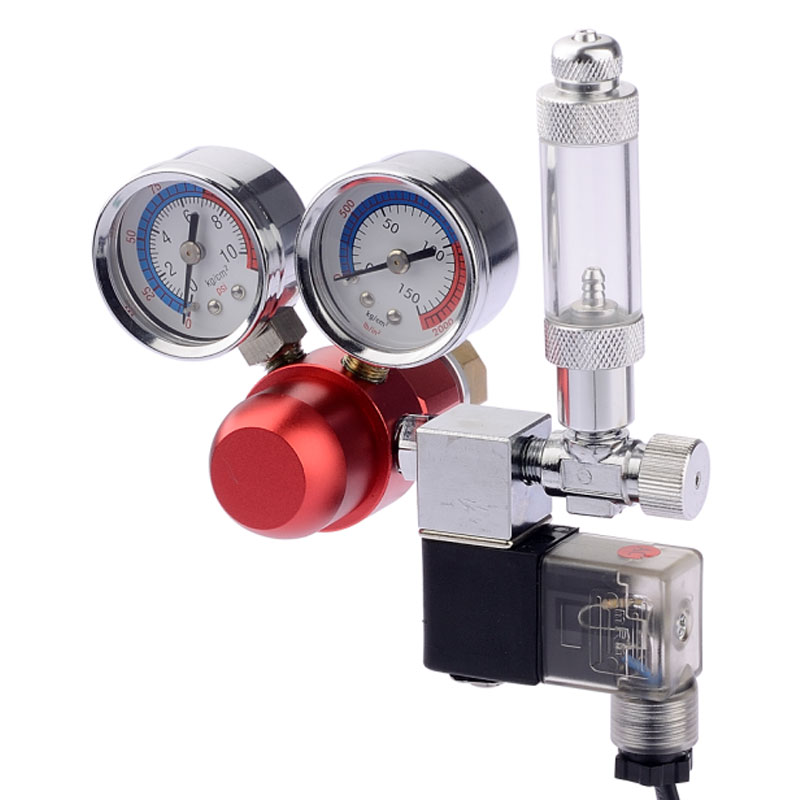
 This aquarium CO2 regulator with dual pressure gauges and single bubble counter is designed specific...
See DetailsWhat Are the Maintenance Tips for a Pipeline Pressure Reducer?
Industry News-Introduction to Pipeline Pressure Reducer Maintenance
A Pipeline Pressure Reducer (also called a pressure reducing valve) is an essential component in industrial and residential pipeline systems. Its primary function is to maintain a stable downstream pressure, ensuring the safety and efficiency of the system. Without proper maintenance, a pressure reducer may fail, causing pressure fluctuations, leaks, or even system shutdowns. Regular maintenance is not just about prolonging the lifespan of the valve; it also helps prevent costly repairs and downtime.
Maintaining a pipeline pressure reducer requires understanding its structure, including the diaphragm, spring, valve seat, and internal seals. Industrial applications, such as water distribution, gas pipelines, and chemical processing, often demand higher standards of upkeep. By following a structured maintenance plan, operators can ensure consistent performance, reduce energy waste, and maintain compliance with safety regulations.
Perform Regular Visual Inspections
Why Visual Inspections Are Important
Visual inspection is the first step in preventive maintenance for pipeline pressure regulators. Checking the external condition of the valve can help detect early signs of wear or damage before they escalate into operational issues. During inspection, focus on key areas such as connections, seals, and the valve body. Look for leaks, corrosion, rust, or loose fittings. Industrial pressure reducers in outdoor or high-humidity environments are particularly prone to corrosion, which can compromise valve integrity.
Inspection Checklist
- Check for any water, oil, or gas leakage around joints and flanges.
- Inspect for physical damage to the valve body or diaphragm housing.
- Ensure bolts and nuts are tightened to manufacturer specifications.
- Observe any unusual discoloration or rust, which may indicate chemical exposure or wear.
Routine visual inspections reduce unplanned downtime and increase system reliability. Many operators integrate visual checks with pressure gauge readings to monitor both external and functional conditions simultaneously.
Monitor Pressure Performance Consistently
Key Steps for Pressure Monitoring
Ensuring that the pipeline pressure reducer maintains a stable output is critical for system safety. Pressure fluctuations or drops may indicate internal wear, debris blockage, or malfunctioning springs and diaphragms. It is recommended to install high-quality pressure gauges both upstream and downstream of the reducer to provide real-time feedback on system performance. For industrial pipelines, digital pressure monitoring systems can provide continuous data logging and alerts for abnormal pressure conditions.
Performance Check Tips
- Measure inlet and outlet pressure regularly and compare with design specifications.
- Observe response to sudden demand changes; slow response may indicate internal friction or obstruction.
- Check for abnormal noise or vibration during operation, which could signal internal damage.
Consistent pressure monitoring not only helps identify potential problems but also optimizes energy efficiency, reducing the risk of overpressure and wear on downstream equipment.
Clean Internal Components Periodically
Importance of Internal Cleaning
Over time, sediment, scale, and debris can accumulate inside a pressure reducing valve, impairing its performance and reducing the accuracy of pressure control. Internal cleaning ensures smooth valve operation and maintains system efficiency. Systems carrying untreated water or gas are particularly prone to internal contamination. Removing buildup in a timely manner prevents the diaphragm, valve seat, and filter screen from becoming blocked or worn.
Cleaning Procedure
Before cleaning, always shut down the system and relieve pressure for safety. Disassemble the reducer according to the manufacturer’s instructions. Use soft brushes or compressed air to remove dirt, and rinse components with clean water or an approved cleaning agent. Pay special attention to delicate parts like diaphragms, springs, and seals. After cleaning, reassemble carefully and test the system for leaks and proper pressure regulation.
Check and Replace Worn Parts
Identifying Wear in Components
A Pipeline Pressure Reducer relies on precise internal components, including the diaphragm, seals, and springs, to maintain accurate pressure control. These parts are subject to wear and tear over time. Signs of wear may include leakage, reduced responsiveness, or erratic pressure fluctuations. Inspecting and replacing worn components in a timely manner prevents failure and ensures consistent downstream pressure.
Recommended Replacement Parts
- Diaphragm: Inspect for cracks, tears, or loss of elasticity.
- Seals and O-rings: Replace if they appear hardened, cracked, or deformed.
- Springs: Check for fatigue or deformation that can alter pressure settings.
- Valve seat: Ensure the seating surface is smooth and free of debris or corrosion.
Maintenance Schedule for Pipeline Pressure Reducers
Following a structured maintenance schedule is crucial for reliability and safety. Below is a typical schedule recommended for industrial systems:
| Maintenance Task | Recommended Frequency | Notes |
|---|---|---|
| Visual Inspection | Weekly/Monthly | Check for leaks, corrosion, and loose components |
| Pressure Performance Monitoring | Monthly | Compare inlet and outlet pressures with design specifications |
| Internal Cleaning | Every 3–6 months | Remove debris and sediment from valve components |
| Component Replacement | Annually or as needed | Replace diaphragms, seals, and springs showing wear |
| Full System Inspection | Annually | Comprehensive check of all connected pipeline equipment |
Protective Measures and Environmental Considerations
Environmental factors, including extreme temperatures, moisture, and chemical exposure, can impact the longevity of a pipeline pressure reducer. Installing reducers in sheltered locations, using protective coatings, and insulating against freezing temperatures can significantly extend service life. Additionally, avoid exposure to corrosive chemicals or abrasive materials that may damage the valve surface or internal parts.
Using High-Quality Replacement Parts
When performing maintenance, always use high-quality or manufacturer-approved components. Using low-quality or incompatible parts may lead to reduced performance, safety risks, and more frequent failures. For industrial and commercial applications, investing in reliable components ensures long-term stability and compliance with safety standards.
Record-Keeping and Maintenance Documentation
Maintaining detailed records of inspections, repairs, and replacements is essential. Documentation helps track performance trends, predict future maintenance needs, and provide evidence for compliance audits. For industrial facilities, a digital log with timestamps, performed tasks, and replaced components can streamline maintenance management and enhance accountability.
FAQ
Q1: How often should a pipeline pressure reducer be serviced?
A: Typically every 3–6 months depending on system usage and environmental conditions.
Q2: What is the most common cause of pressure reducer failure?
A: Accumulation of debris, worn diaphragms, and damaged seals are the most frequent causes.
Q3: Can maintenance be performed without shutting down the system?
A: Basic visual inspections can be done under operation, but internal cleaning and part replacement require a system shutdown for safety.
Q4: How do I know when to replace the pressure reducer?
A: Persistent pressure instability, leakage, or inability to maintain set pressure indicates that replacement may be necessary.
References
- Smith, J. (2022). Industrial Pipeline Systems and Pressure Control. Engineering Press.
- Brown, L. (2021). Maintenance Practices for Pressure Reducing Valves. Industrial Valve Journal, 15(3), 45-59.
- Valve Manufacturers Association. (2020). Pressure Regulator Maintenance Guidelines. VMA Technical Bulletin.
Related products
-
-
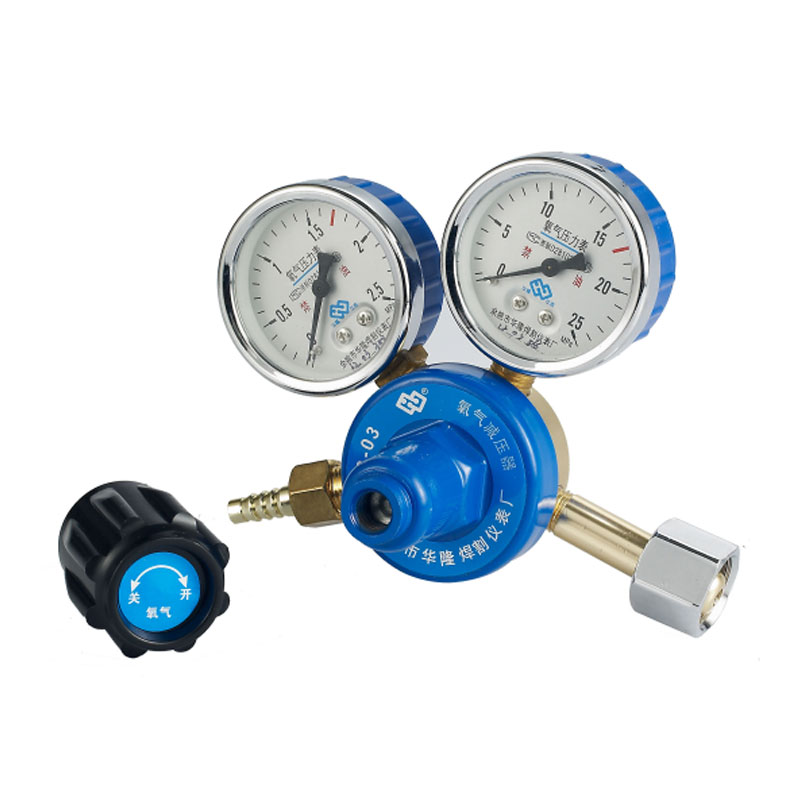
The OR-03 Precision Pressure Management Oxygen Regulator is a professional oxygen pressure reducing ...
See Details -
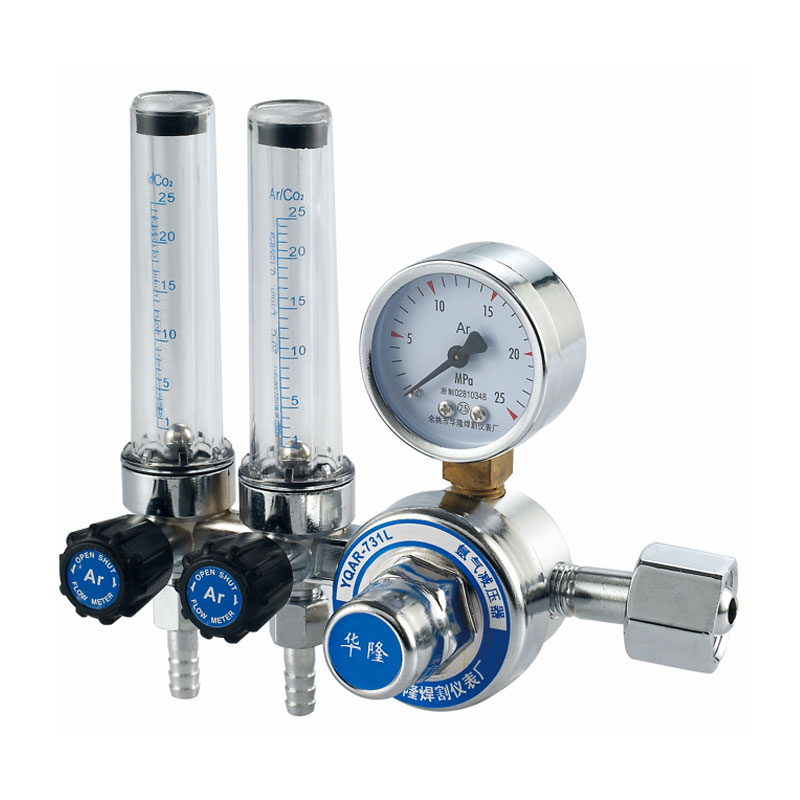
The ArR-01-2 High-Performance Argon Regulator is a pressure management device designed for precision...
See Details -
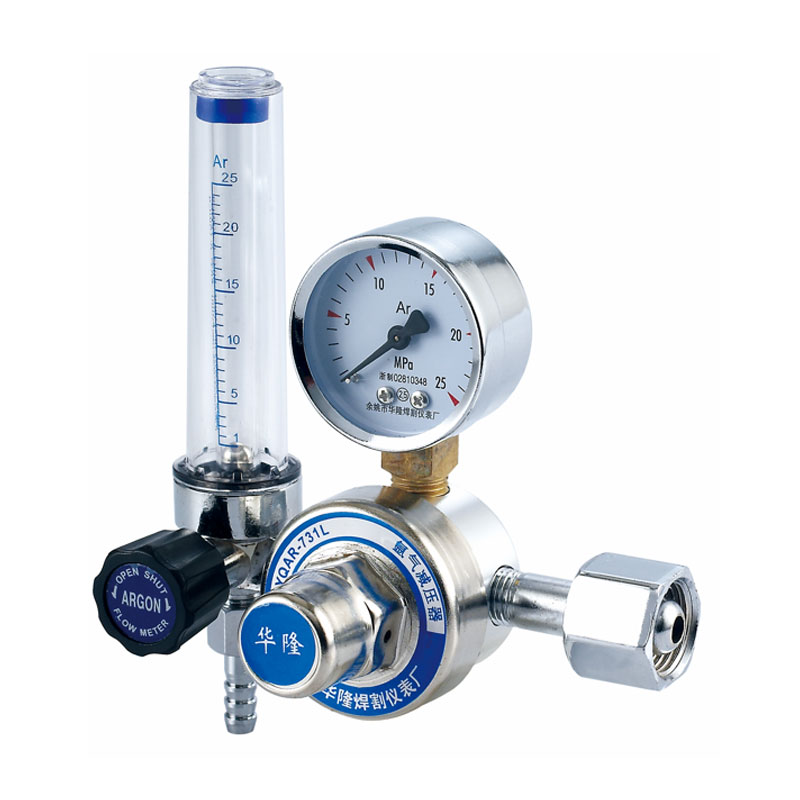
The ArR-01 High-Pressure Argon Cylinder Regulator is a pressure regulation device designed for appli...
See Details -
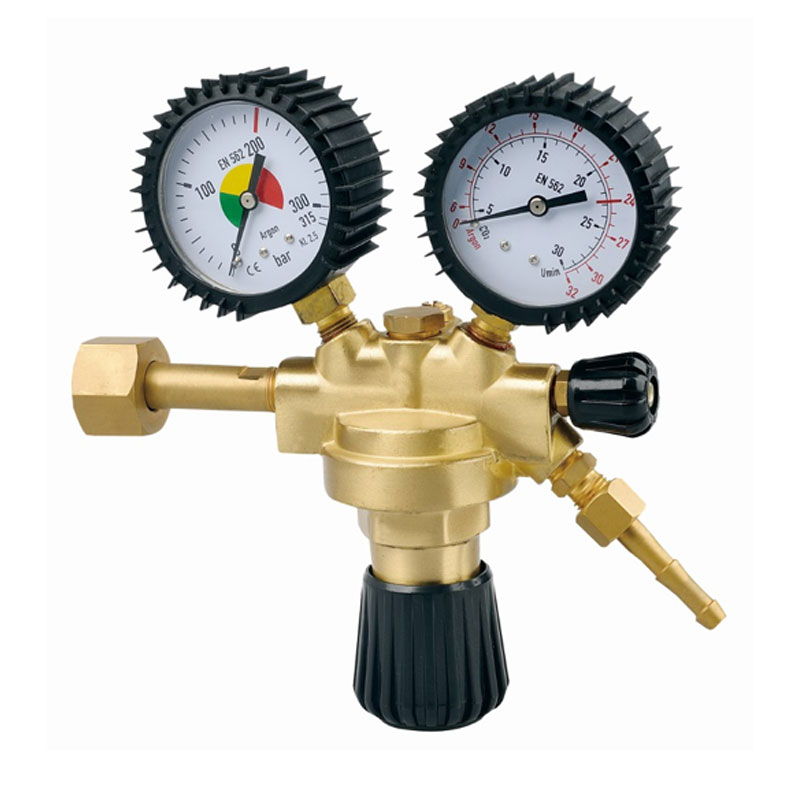
The TR-07 High-Performance Carbon Dioxide Regulator provides a reliable and steady gas pressure cont...
See Details -
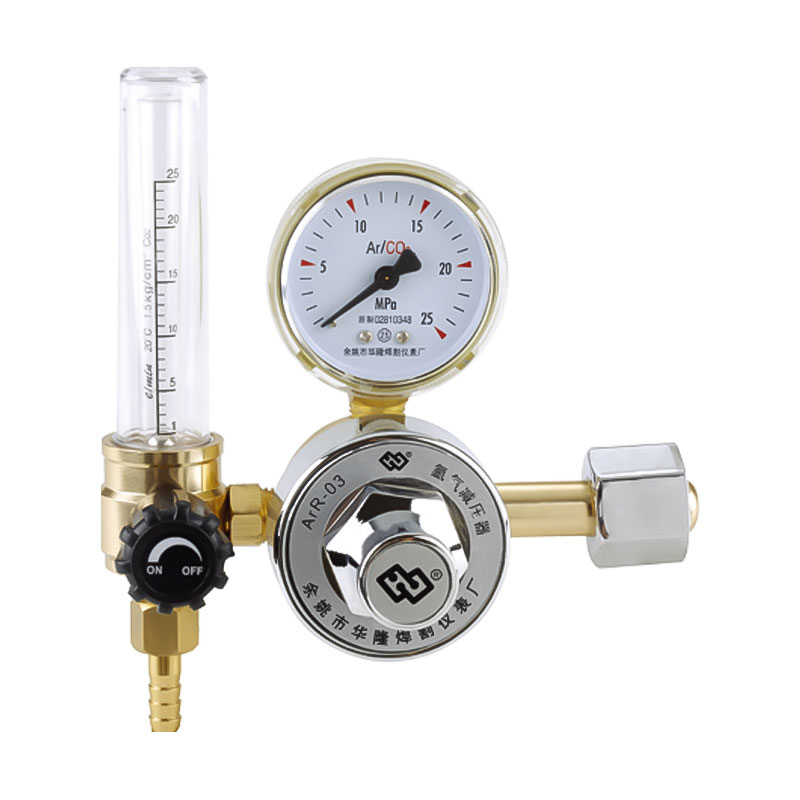
The ArR-02 Industrial Constant-Pressure Argon Regulator is a pressure management device designed for...
See Details -
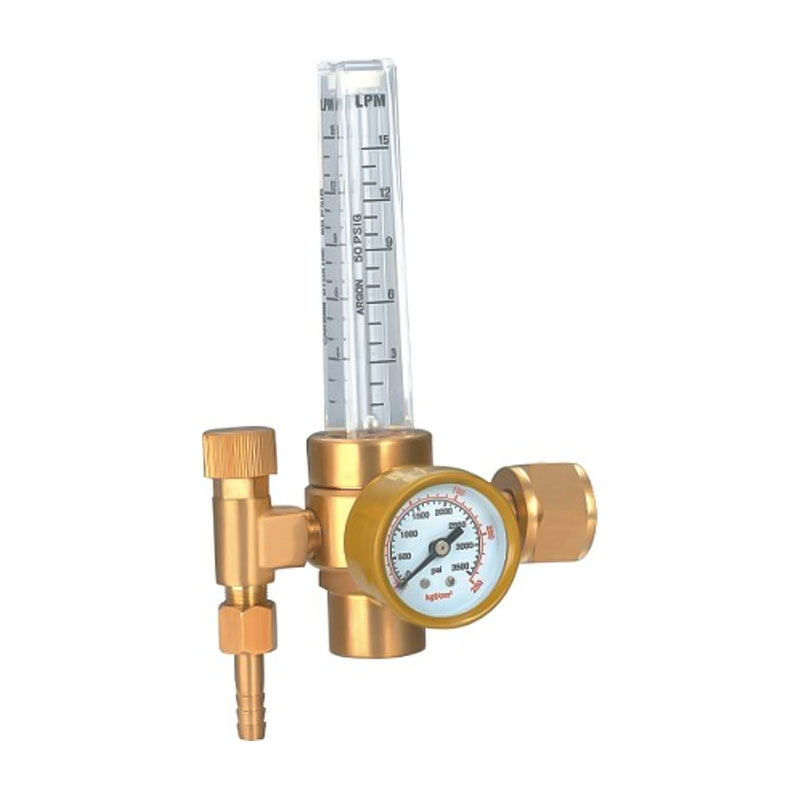
The AR-191T High-Pressure Precision Argon Regulator is a pressure regulation device specifically des...
See Details -
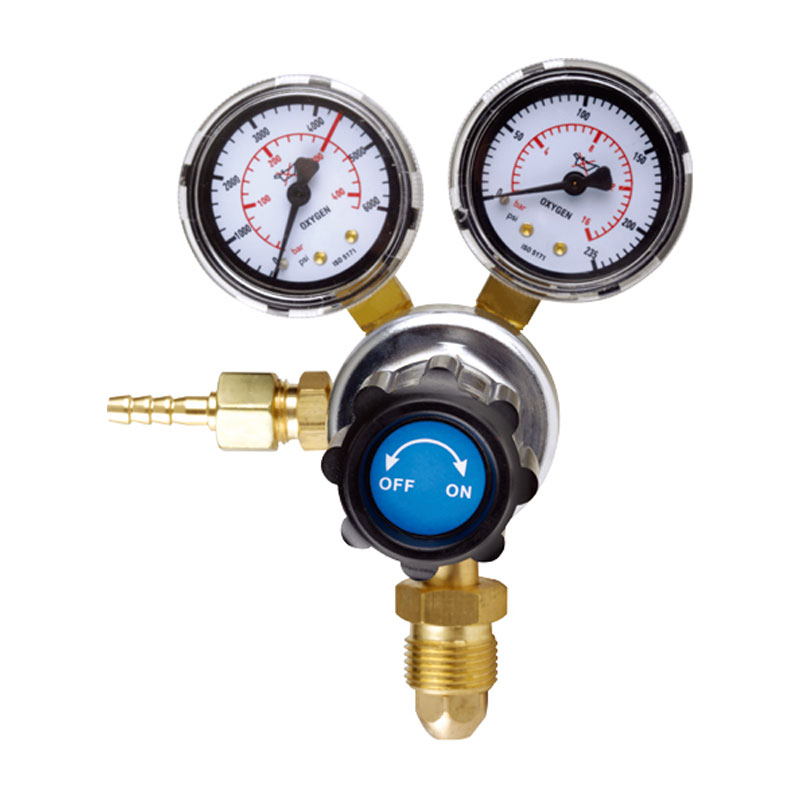
The OR-13 high-pressure precision oxygen regulator is designed specifically for high-pressure applic...
See Details

- PRODUCTS
- Pressure Regulator for Welding and Cutting
- Aquarium Pressure Regulator
- Beer and Beverage Pressure Regulator
- Pipeline Pressure Reducer
- CONTACT INFO
-
-
+86-180 6927 8236

-
[email protected]

-
No.1358,Tanjialing West Road, Lanjiang Street,Yuyao, 315400, Zhejiang

-
- MOBILE QR CODE

