

 English
  русский
  Español
 The AR-59 Precision Acetylene Pressure Regulator is a professional device designed for industrial we...
See DetailsHow to Choose the Right Acetylene Pressure Regulator for Welding Applications?
Industry News-Acetylene pressure regulators are essential components in welding, cutting, and brazing setups. They ensure that acetylene gas flows at a consistent and safe pressure, preventing dangerous fluctuations that could compromise weld quality or create safety hazards. Selecting the correct regulator is crucial because an inappropriate model can lead to unstable flame, backfires, or even cylinder leaks, which pose serious risks in industrial and home welding environments.
A well-chosen regulator not only improves performance and efficiency but also extends the lifespan of your welding equipment.
Understanding Acetylene Pressure Regulators
What Is an Acetylene Pressure Regulator?
An acetylene pressure regulator is a mechanical device that controls and reduces the high pressure from an acetylene cylinder to a usable working pressure suitable for welding applications. Its main functions are:
- Pressure Reduction: Converts cylinder pressure (often over 200 psi) to a stable output suitable for torches, typically between 0.5 and 15 psi depending on the task.
- Flow Control: Maintains a steady flow of acetylene gas, preventing flame instability during welding.
- Safety Assurance: Reduces the risk of backfire, flashback, and leaks by keeping gas flow consistent.
A malfunctioning or low-quality regulator can create unsafe conditions, such as flame surges, uneven welds, or even cylinder damage. Understanding these basic functions helps in making an informed choice when selecting a regulator.
Why It’s Important for Welding
In welding applications, consistent gas flow ensures:
- Smooth and stable flame for precise cuts
- Proper heat distribution to avoid metal warping
- Efficient gas usage, reducing cylinder consumption
- Minimization of safety hazards associated with overpressure or flashback
Without the correct regulator, even high-quality welding torches and equipment may underperform, leading to suboptimal welds and potential accidents.
Key Factors to Consider
Cylinder Connection Type
Acetylene cylinders use different valve connections depending on regional standards, typically CGA (USA) or DIN (Europe). Before purchasing a regulator:
- Confirm the inlet fitting matches the cylinder valve.
- Ensure threading and sealing standards are compatible.
- Use proper adapters if necessary, but avoid makeshift solutions that could leak gas.
Incorrect connections are a common cause of gas leaks, which can result in fires or explosions. Always follow the cylinder and regulator manufacturer’s specifications.
Pressure Requirements
The working pressure of a regulator must match the requirements of the welding equipment. Key points include:
- Low-Pressure Regulators: Suitable for small torches, precision welding, and minor repairs.
- High-Pressure Regulators: Ideal for industrial cutting, heavy-duty welding, or large-scale fabrication.
- Adjustability is important, as pressure needs may vary between tasks.
Selecting the correct pressure ensures stable flame performance and reduces unnecessary wear on the welding torch.
Single-Stage vs. Dual-Stage Regulators
- Single-Stage Regulators: Reduce cylinder pressure in one step to the working pressure. They are cost-effective but may fluctuate if cylinder pressure drops significantly.
- Dual-Stage Regulators: Reduce pressure in two steps, providing smoother, more stable output. They are ideal for critical welding operations requiring precise control.
Choosing between single- and dual-stage regulators depends on the complexity and precision required in welding tasks.
Flow Capacity
Flow capacity is measured in cubic feet per hour (CFH) or liters per minute. It indicates the maximum gas volume a regulator can supply.
- Ensure the regulator can meet peak gas demand of your torch or cutting equipment.
- Undersized regulators may lead to flame fluctuations during heavy-duty operations.
Material and Build Quality
High-quality regulators are typically made of brass or stainless steel and feature durable diaphragms and seals. Important factors:
- Corrosion resistance for longevity
- Precision machining for accurate pressure readings
- Robust construction to withstand industrial conditions
Safety Features to Look For
Safety is critical when dealing with acetylene, a highly flammable gas. Key safety features include:
- Flashback Arrestors: Prevent flames from traveling back into the cylinder.
- Check Valves: Stop backward flow, protecting both the cylinder and equipment.
- Pressure Relief Valves: Release excess pressure to avoid cylinder rupture or regulator failure.
Example Safety Feature Table
| Safety Feature | Purpose | Importance Level |
|---|---|---|
| Flashback Arrestor | Prevent flames from entering cylinder | High |
| Check Valve | Stop backward gas flow | High |
| Pressure Relief Valve | Release excess pressure safely | Medium |
| Robust Construction | Reduce risk of leaks and equipment failure | High |
Maintenance and Longevity Tips
Proper maintenance ensures safety, efficiency, and durability:
- Regular Inspections: Examine regulators for cracks, leaks, or damaged seals before every use.
- Clean Connections: Remove debris and ensure threads are free of dirt and grease.
- Proper Storage: Keep regulators in dry, ventilated spaces away from heat or sunlight.
- Replace Worn Parts: Follow manufacturer guidelines for replacing diaphragms, O-rings, and gauges.
- Avoid Rough Handling: Dropping or mishandling regulators can damage sensitive components and compromise safety.
Regular maintenance also helps prevent costly downtime and ensures consistent welding quality.
FAQ
Q1: Can I use the same regulator for oxygen and acetylene?
A1: No. Regulators are gas-specific due to different pressure ratings, thread types, and safety requirements.
Q2: How often should I replace an acetylene pressure regulator?
A2: Inspect regularly. Replace immediately if you notice wear, leaks, or malfunctions. Well-maintained regulators can last several years.
Q3: What’s the difference between single-stage and dual-stage regulators?
A3: Single-stage reduces pressure in one step, while dual-stage reduces it in two steps for more stable output.
Q4: Are flashback arrestors necessary?
A4: Yes, they prevent flames from traveling back into the cylinder and are essential for safety.
Q5: Can I adjust the pressure during welding?
A5: It’s recommended to adjust pressure before starting work. Changing pressure mid-operation can cause sudden flame surges.
References
- Compressed Gas Association (CGA) – Acetylene Safety Guidelines
- OSHA – Welding, Cutting, and Brazing Safety Standards
- Manufacturer Manuals – Acetylene Pressure Regulators Installation and Maintenance
- Industrial Welding Safety Handbook – Best Practices
- American Welding Society (AWS) – Gas Regulator Selection Guidelines
Related products
-
-
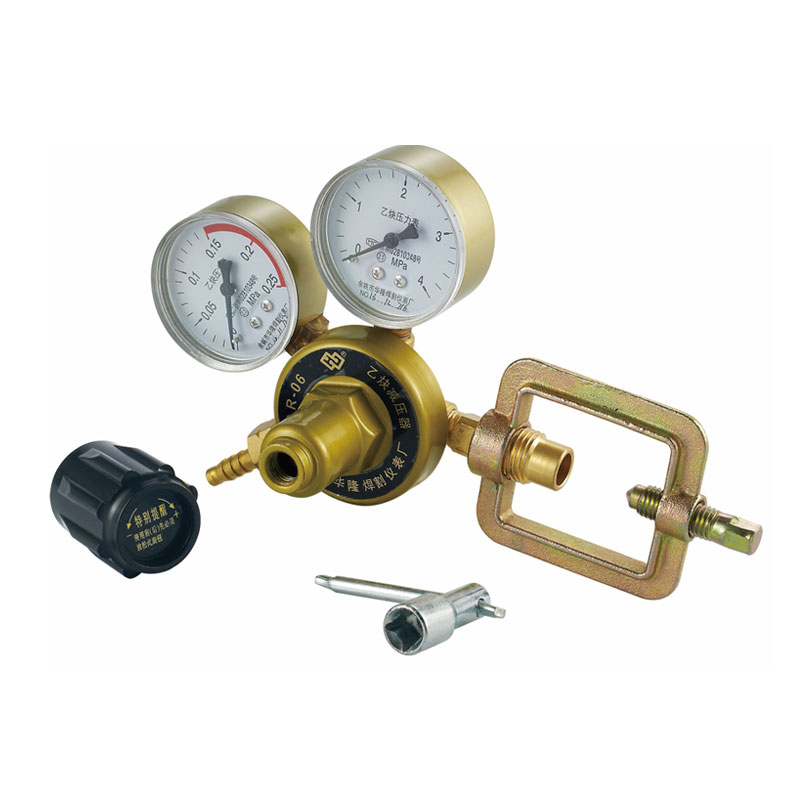
AR-06 High-Performance Acetylene Regulator is designed as a pressure control device for industrial w...
See Details -
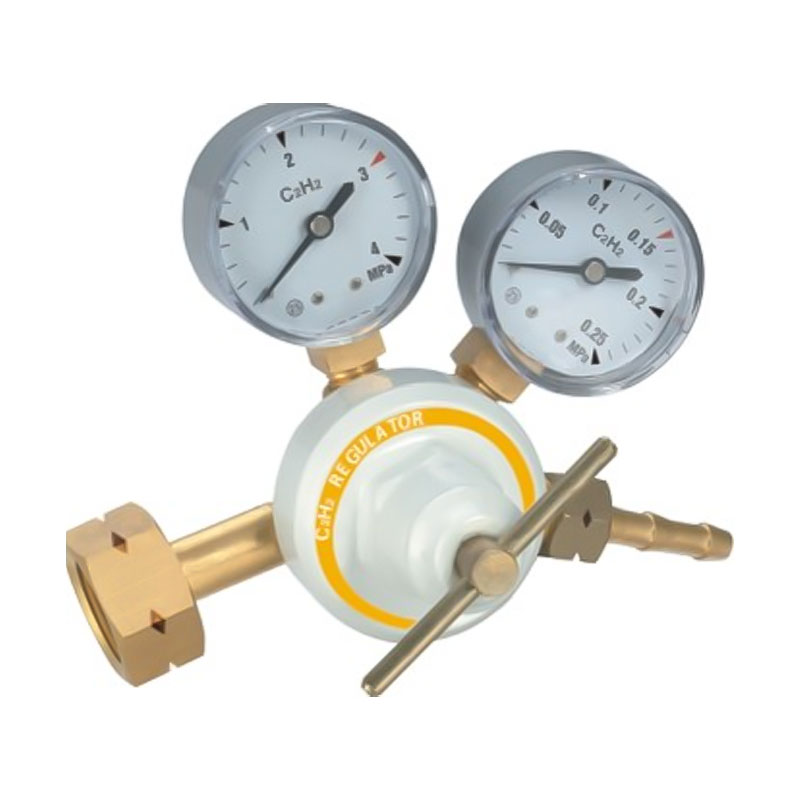
The AR-56 High-Stability Welding and Cutting Acetylene Regulator is designed with a focus on pressur...
See Details -
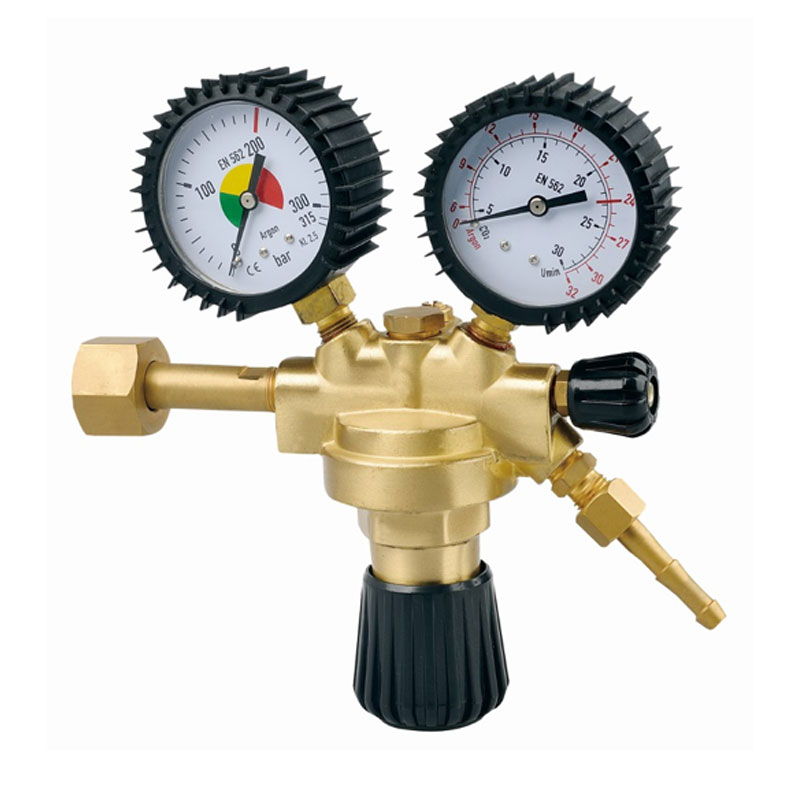
The TR-07 High-Performance Carbon Dioxide Regulator provides a reliable and steady gas pressure cont...
See Details -
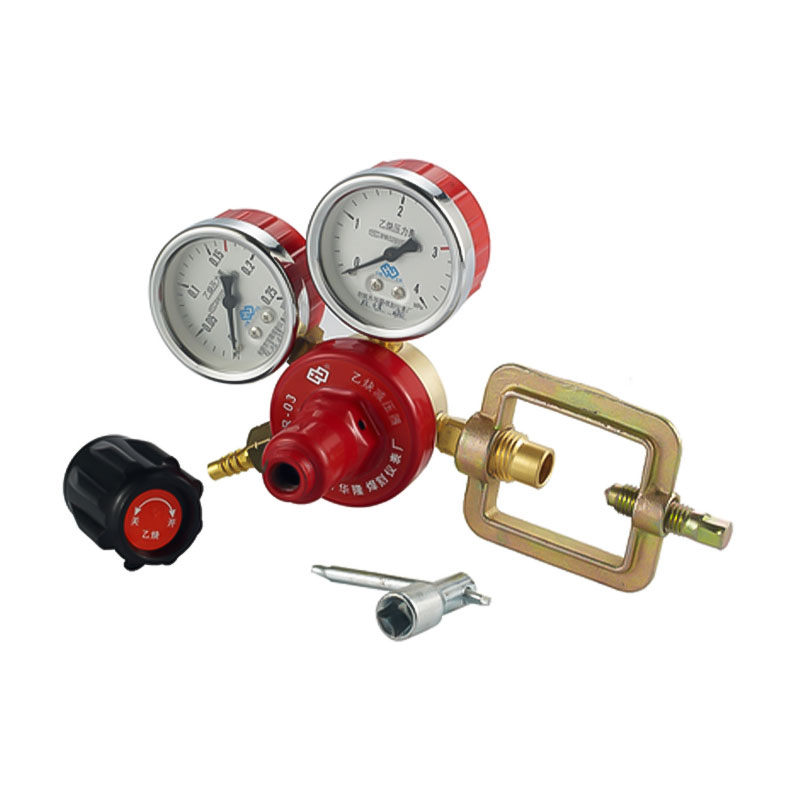
The AR-03 High Precision Acetylene Regulator is a device designed for regulating acetylene gas press...
See Details -
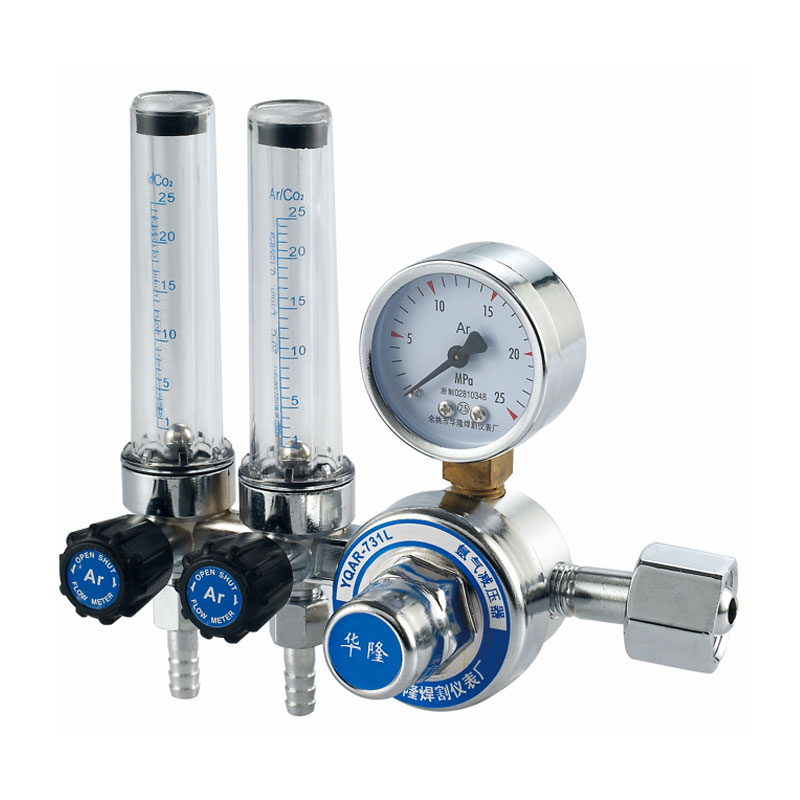
The ArR-01-2 High-Performance Argon Regulator is a pressure management device designed for precision...
See Details -
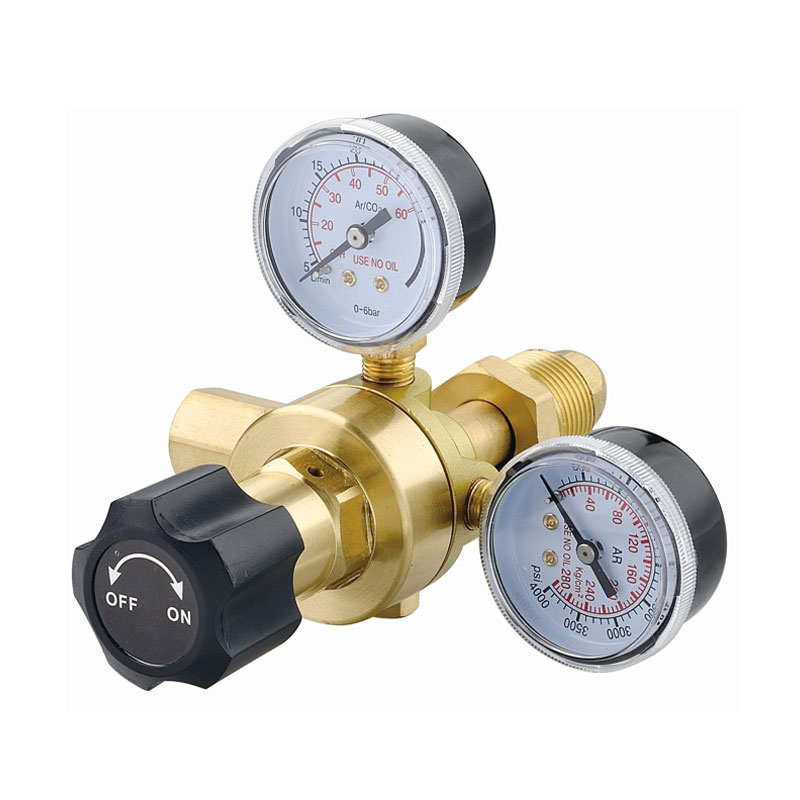
The ArR-192 Industrial Welding Argon Regulator is a pressure regulation device specifically designed...
See Details -
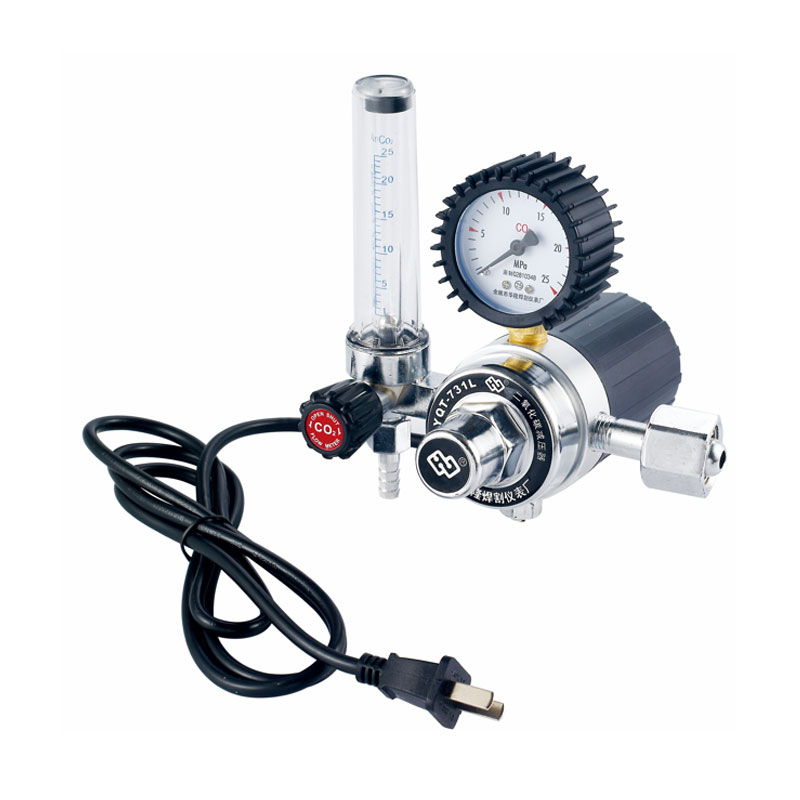
The JTR-01 High-Pressure Precision Carbon Dioxide Regulator is a device designed for applications th...
See Details

- PRODUCTS
- Pressure Regulator for Welding and Cutting
- Aquarium Pressure Regulator
- Beer and Beverage Pressure Regulator
- Pipeline Pressure Reducer
- CONTACT INFO
-
-
+86-180 6927 8236

-
[email protected]

-
No.1358,Tanjialing West Road, Lanjiang Street,Yuyao, 315400, Zhejiang

-
- MOBILE QR CODE

