

 English
  русский
  Español
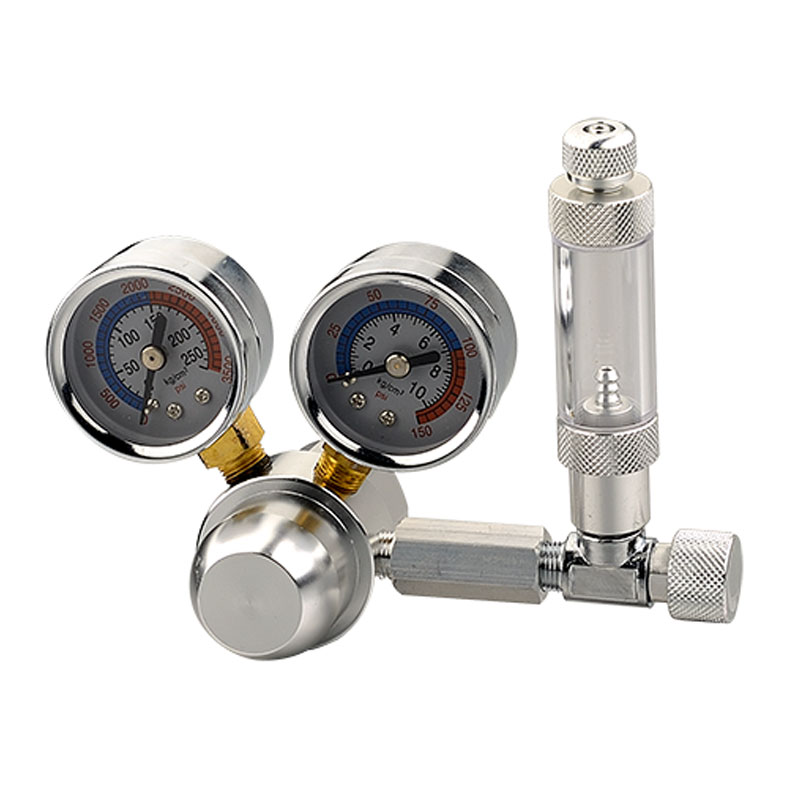
 This compact CO2 regulator for aquarium plants is designed specifically for aquatic plant hobbyists ...
See DetailsHow to Choose the Right Beer And Beverage Pressure Regulator for Commercial Dispensing?
Industry News-The Critical Role of Pressure Regulation in Commercial Dispensing
In the world of commercial dispensing—whether in a bustling craft beer taproom, a massive stadium, or a chain restaurant—the Beer and Beverage Pressure Regulator is the heartbeat of the system. Its fundamental role is to reduce the high pressure from a gas cylinder (CO2 or Nitrogen) to a precise and stable working pressure. However, in a commercial environment, this is more than just a simple valve. Inaccurate pressure control leads to “excessive foaming” or “flat beverages,” directly resulting in raw material waste and lost profits. For B2B procurement managers and system installers, choosing the right regulator means choosing consistency in carbonation, operational safety, and long-term equipment reliability.
Understanding the Physics of Carbonation and Dispensing
The mouthfeel of a carbonated drink depends on the solubility of CO2 in the liquid, which follows Henry’s Law: the amount of dissolved gas is proportional to the pressure applied. A professional beverage gas regulator must be able to resist “Pressure Creep”—a phenomenon where downstream pressure slowly rises after the faucet is closed. In high-frequency commercial use, the regulator’s seat must be highly sensitive to frequent opening and closing, ensuring that every pint of beer or glass of soda maintains the exact same carbonation level.
Why Commercial Grade Differs from Home Use
Unlike homebrewing equipment, commercial-grade regulators must handle higher flow demands and more rigorous work cycles. Airflow fluctuations are larger and environmental humidity is higher in commercial settings. Therefore, commercial products typically feature thickened forged brass bodies and reinforced diaphragms. When sourcing, identifying the “Flow Coefficient” (Cv Value) is vital, as it determines whether the pressure will drop sharply when multiple taps are opened simultaneously.
Primary vs. Secondary Regulators: Building a Scalable System
Constructing an efficient commercial dispensing system requires a multi-stage pressure management architecture. Understanding the difference between Primary and Secondary regulators is the first step in system design. A primary regulator connects directly to the high-pressure gas tank (such as a 50lb CO2 tank), dropping the tank pressure (800–3000 PSI) to an intermediate pressure of about 50–100 PSI.
Primary Regulators: The First Line of Defense
Primary regulators are usually equipped with two gauges: one for tank pressure (indicating when to swap tanks) and one for output pressure. In large venues, primary regulators often need high freeze resistance. Because CO2 absorbs heat when transitioning from liquid to gas, high-frequency use can cause the regulator to freeze up. Therefore, primary regulators with large heat-sink designs or integrated heaters are highly sought-after in commercial procurement.
Secondary Regulators: Precision at the Tap
Secondary regulators are installed downstream from the primary regulator. They are the key to achieving “multi-product dispensing.” Through secondary regulator banks, a bar can set different PSIs for different drinks. For example, due to varying carbonation requirements, Lagers, Stouts (using Nitrogen), and sparkling sodas all require completely different pressure settings.
Scalability and Modular Design
For rapidly expanding catering enterprises, modular secondary regulators are the preferred choice. They can be easily “daisy-chained” via brackets, allowing installers to add new lines without interrupting the existing system. This flexibility is a critical metric for improving operational efficiency.
Technical Comparison: Commercial Regulator Specifications
| Feature | Primary Pressure Regulator | Secondary Pressure Regulator | High-Flow Bulk Systems |
|---|---|---|---|
| Inlet Pressure Range | Up to 3,000 PSI | 0 - 150 PSI | Up to 3,000 PSI |
| Connection Type | CGA-320 (CO2) / CGA-580 (N2) | Barbed / John Guest Fitting | NPT / Flange |
| Main Material | Forged Brass / Stainless Steel | Chrome-Plated Brass | Heavy-Duty Stainless Steel |
| Safety Features | Integrated Blow-off Valve | Shut-off Valve per line | Dual Relief Valves |
| Gauges Included | High & Low Pressure Gauges | Output Pressure Gauge | Digital Monitoring Ready |
Material Integrity and Food-Grade Standards
In the beverage industry, safety compliance is the lifeline of a business. A beer and beverage pressure regulator comes into direct contact with food-grade gases, and its internal components must meet strict hygienic standards. Inferior materials not only shorten equipment life but can also lead to heavy metal leaching or alter the taste of the drink.
Chrome-Plated Brass vs. 304/316 Stainless Steel
- Chrome-Plated Brass: Currently the most common material in commercial bars. It combines excellent mechanical strength with cost advantages. A high-quality chrome layer prevents oxidation and adapts to humid cold-room environments.
- Stainless Steel (SUS304/316): For high-acidity beverages (such as wine, kombucha, or specialty juices) or Nitro Cold Brew Coffee, stainless steel regulators are a necessity. Stainless steel offers superior chemical stability and ensures no metallic off-flavors, meeting the highest food safety audit requirements.
Diaphragm and Seal Quality
The heart of the regulator is the diaphragm. In commercial-grade products, the diaphragm is typically made of reinforced EPDM or Nitrile rubber with a fabric reinforcement layer. This ensures the diaphragm does not suffer fatigue failure under tens of thousands of pressure fluctuations. As a B2B supplier, we recommend customers prioritize products with NSF or equivalent food safety certifications.
Essential Features for High-Volume Venues
In stadiums or large event centers, equipment downtime equals significant revenue loss. Therefore, choosing regulators with advanced safety features and easy maintenance is paramount.
Pressure Relief Valves (PRV) and Safety Gauges
Every qualified commercial beverage regulator must be equipped with an integrated safety relief valve. If a primary seat fails and high-pressure gas rushes downstream, the relief valve will automatically open to prevent the risk of a keg explosion. This protects both the equipment and the safety of the staff.
Tool-Free Adjustments and Locking Knobs
In a fast-paced commercial environment, looking for a wrench to adjust pressure is highly inefficient. Modern regulators feature ergonomic hand-adjustment knobs that allow operators to set the pressure directly. Additionally, locking functions prevent unauthorized personnel from tampering with settings, ensuring the pressure remains in the “sweet spot.”
High-Flow Capacity for Trunk Lines
Large venues often use “Trunk Line Systems” to transport beverages from a central cold room to bars hundreds of meters away. This requires a regulator with high-flow capacity (CFM). If the internal orifice is too small, a significant “pressure drop” will occur when multiple taps are opened, leading to slow pour speeds.
Maintenance and Lifespan: The ROI of Professional Equipment
From a financial perspective, the initial purchase price is not the only metric; the “Total Cost of Ownership” (TCO) is far more important. A high-quality beer and beverage pressure regulator is repairable, not a disposable consumable.
Field-Replaceable Parts and Rebuild Kits
The design philosophy of top-tier brands is “serviceability.” This means that when seals wear out or gauges break, users can purchase original manufacturer rebuild kits rather than replacing the entire regulator body. For B2B customers with hundreds of sites, this serviceability greatly reduces the inventory pressure for spare parts.
Regular Calibration and Inspection
To ensure the system always operates at peak efficiency, quarterly pressure calibration is recommended. Over time, internal springs may suffer from fatigue. Regular inspections and cleaning of debris from the valve seat can effectively extend the life of the equipment. Investing in regulators that are easy to disassemble and clean significantly reduces the risk of mold and bacteria growth at critical system junctions.
FAQ: Professional Guide to Beverage Pressure Regulators
What is the recommended PSI for carbonated beverages?
For most American lagers, 10–12 PSI is recommended at 38°F (3°C). For nitrogen-driven stouts, a specialized nitrogen regulator is required, usually set between 30–35 PSI.
Why is my regulator making a humming or vibrating noise?
This is often called “regulator hum” and usually happens because the internal diaphragm is resonating at a specific flow rate. Adjusting the output pressure or checking the valve seat for debris usually resolves this.
Can a CO2 regulator be used for Nitrogen gas?
No. CO2 tanks use a CGA-320 interface, while Nitrogen tanks use CGA-580. Nitrogen tanks are also filled to a much higher pressure; using the wrong regulator poses a serious accident risk.
What causes “Pressure Creep” in a regulator?
Pressure creep is usually caused by a damaged valve seat or tiny debris on the sealing surface. Even a minute leak will cause downstream pressure to rise slowly when dispensing stops, leading to excessive foam in the first glass poured.
References and Further Reading
- Brewers Association: “Draft Beer Quality Manual - Carbonation and Gas Management.”
- International Society of Beverage Technologists (ISBT): “Best Practices for CO2 Handling and Pressure Systems.”
- Journal of Food Engineering: “The Impact of Pressure Stability on the Sensory Quality of Carbonated Beverages.”
Related products
-
-
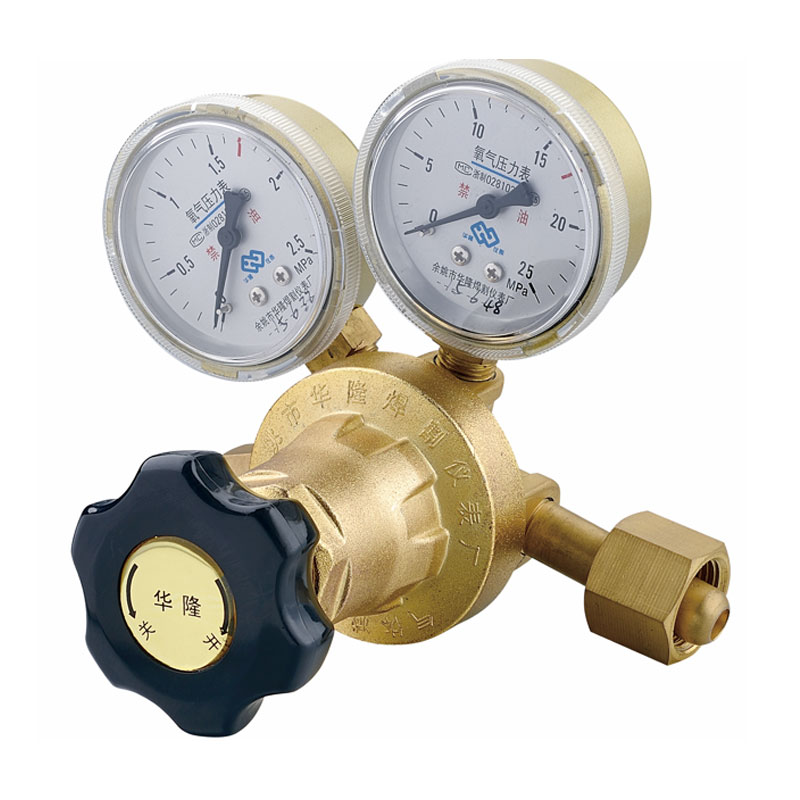
The OR-16 high-performance continuous supply oxygen pressure regulator is suitable for a variety of ...
See Details -
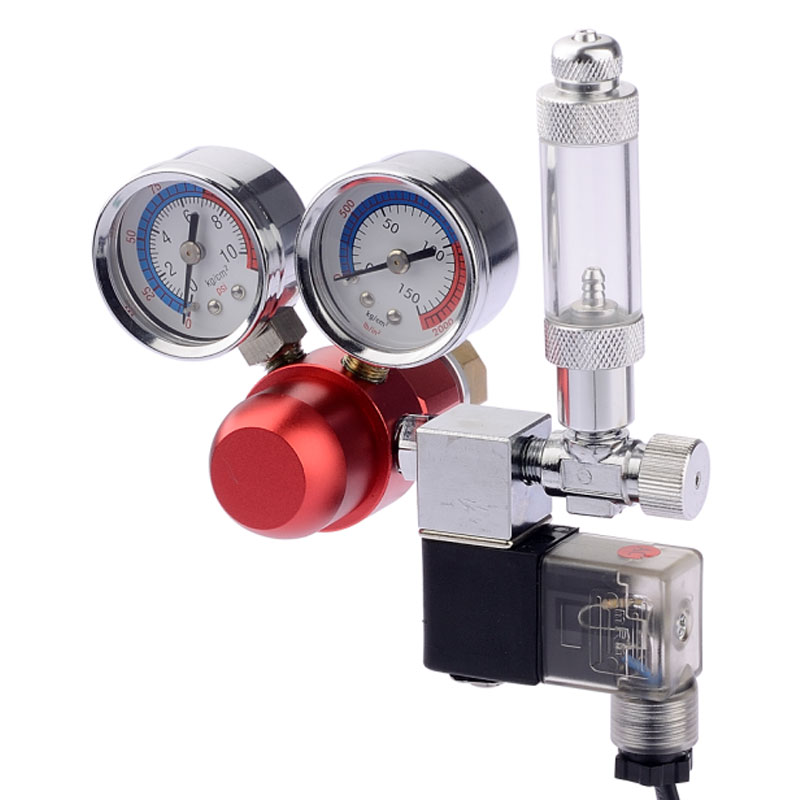
This aquarium CO2 regulator with dual pressure gauges and single bubble counter is designed specific...
See Details -
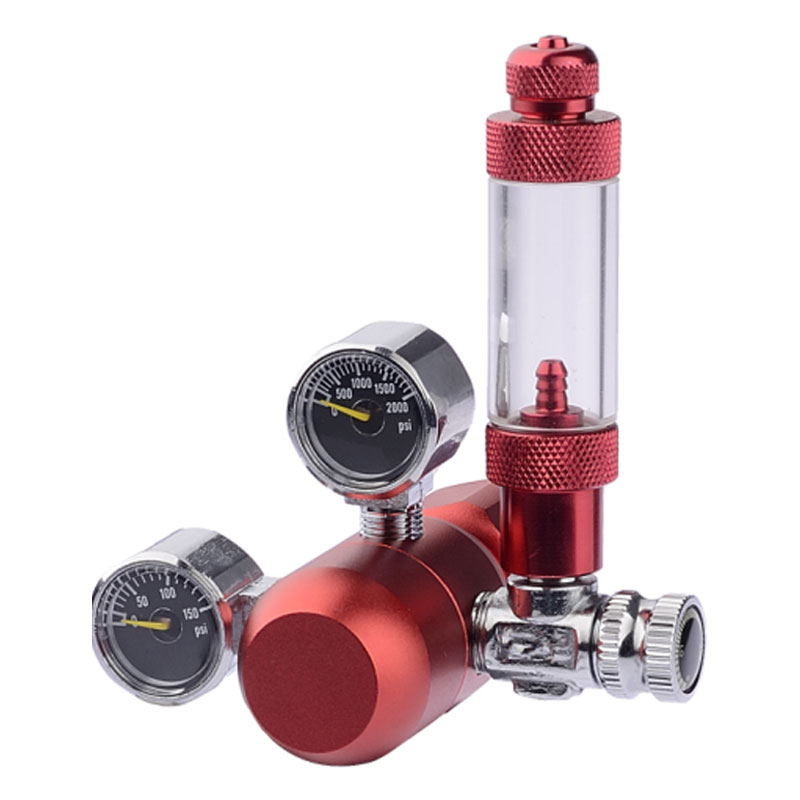
This digital CO2 regulator for aquarium systems provides stable gas support for aquatic plant landsc...
See Details -
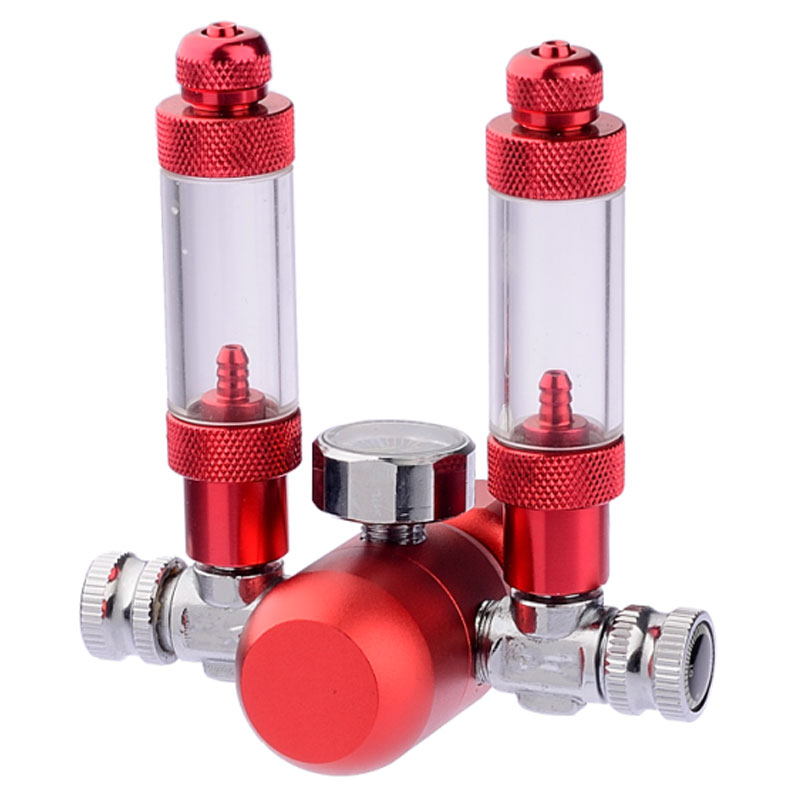
This environmentally friendly dual-gauge CO2 aquarium pressure regulator is designed for aquatic pla...
See Details -
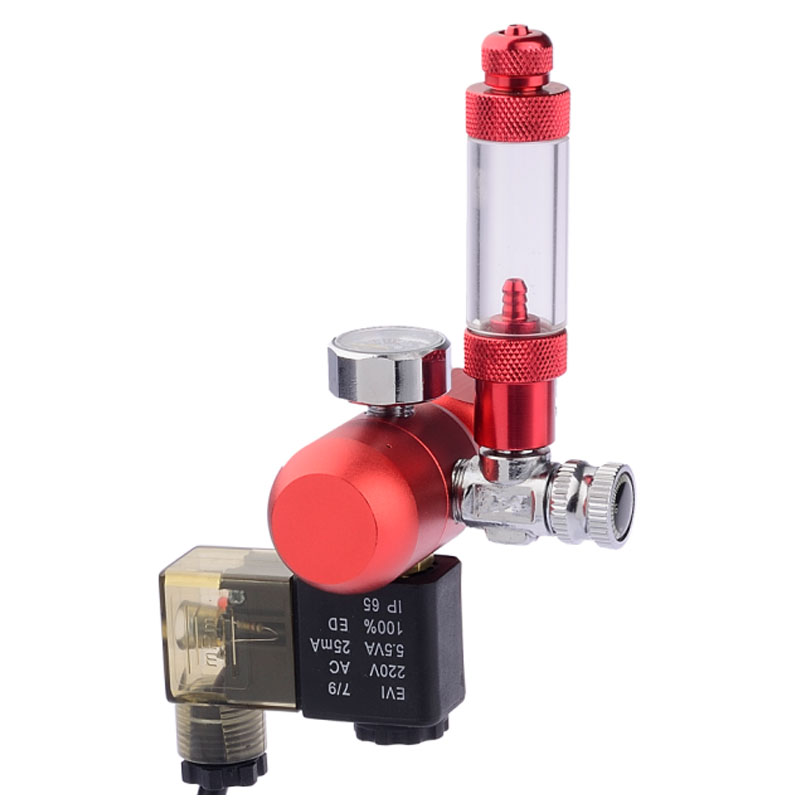
Aquarium CO2 Regulator's precision adjustment design provides accurate CO2 volume at LP 150 PSI / HP...
See Details -
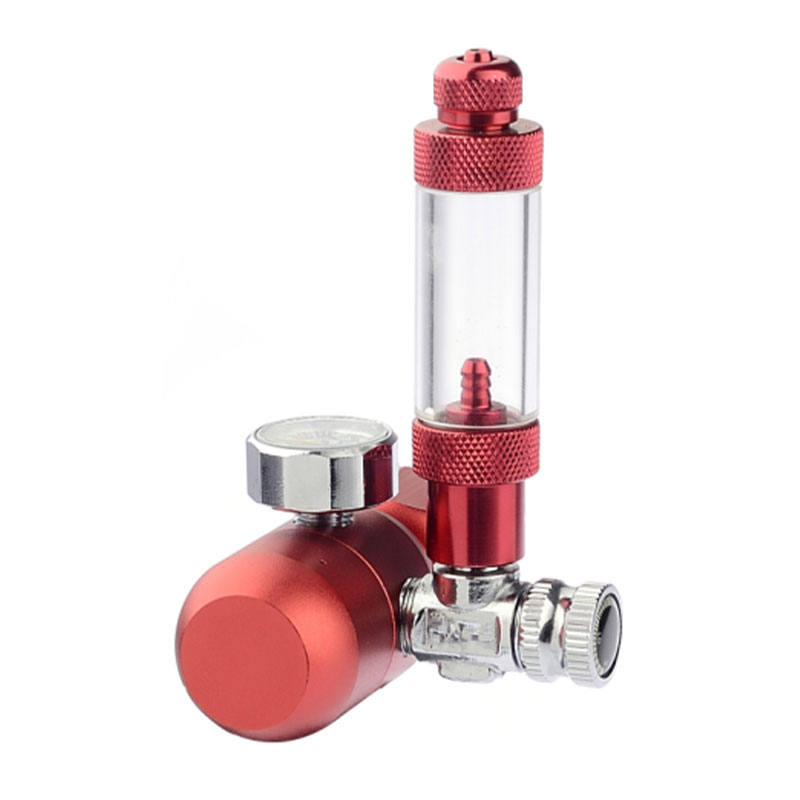
This aquarium plant CO2 pressure regulator is designed for aquatic plant landscaping and aquarium sy...
See Details -
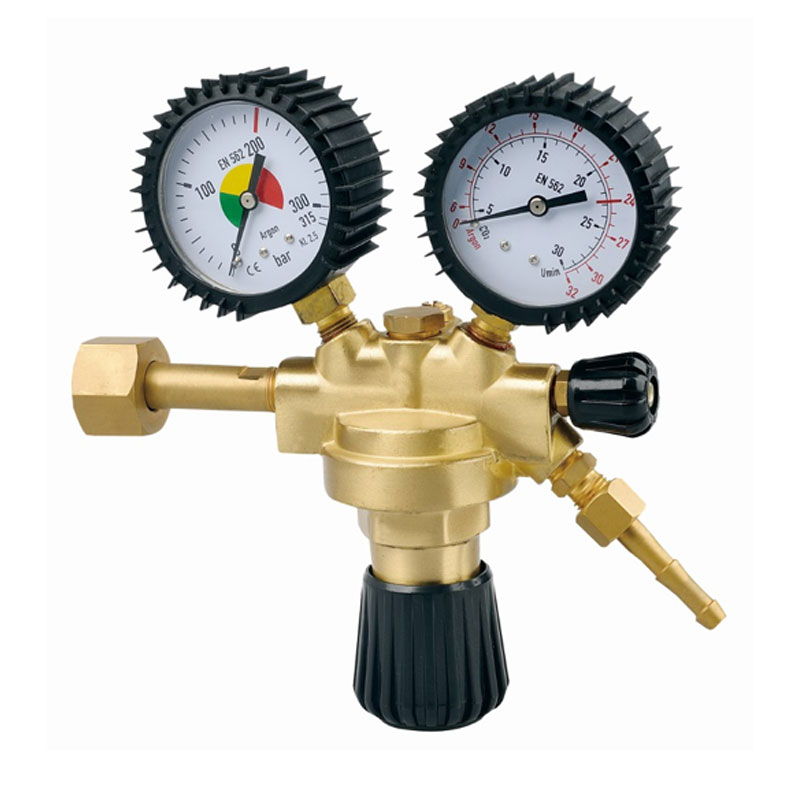
The TR-07 High-Performance Carbon Dioxide Regulator provides a reliable and steady gas pressure cont...
See Details

- PRODUCTS
- Pressure Regulator for Welding and Cutting
- Aquarium Pressure Regulator
- Beer and Beverage Pressure Regulator
- Pipeline Pressure Reducer
- CONTACT INFO
-
-
+86-180 6927 8236

-
[email protected]

-
No.1358,Tanjialing West Road, Lanjiang Street,Yuyao, 315400, Zhejiang

-
- MOBILE QR CODE

