

 English
  русский
  Español
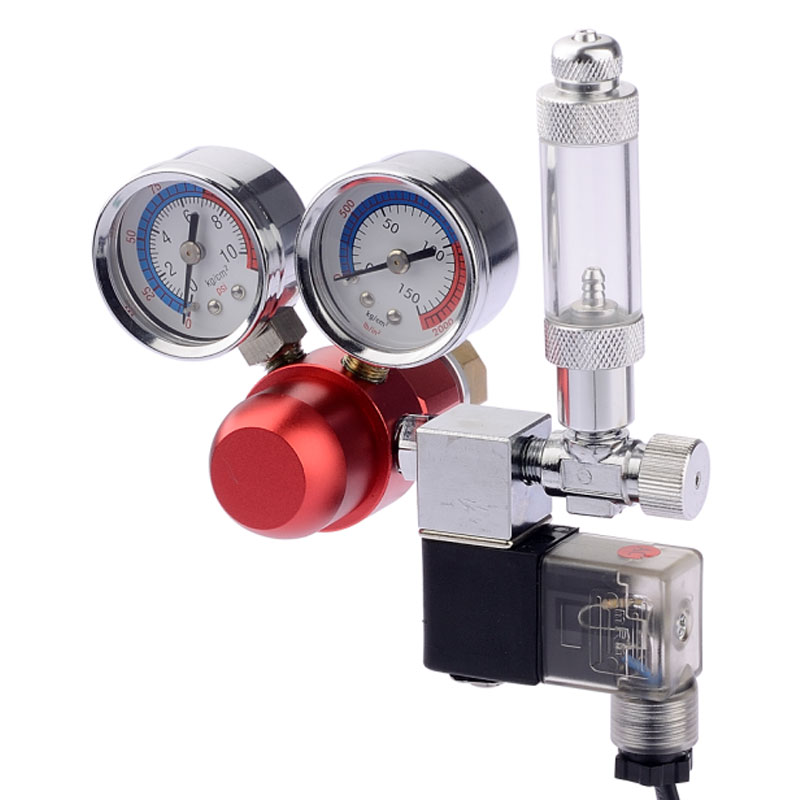
 This aquarium CO2 regulator with dual pressure gauges and single bubble counter is designed specific...
See DetailsWhy is Your Beer and Beverage Pressure Regulator Leaking Gas?
Industry News-In the precision-driven world of draft dispensing, a gas leak is more than just a minor annoyance—it is a silent profit killer. Whether you are running a high-volume commercial bar or a dedicated home tap system, the integrity of your Beer and Beverage Pressure Regulator is the cornerstone of a perfect pour. A leaking regulator leads to flat beer, wasted $CO_2$ (carbon dioxide) or Nitrogen, and inconsistent carbonation levels that can ruin the customer experience. Understanding why these leaks occur and how to systematically identify them is essential for any professional operator.
1. Common Culprits Behind Gas Leaks in Beverage Regulators
Identifying a leak starts with understanding the mechanical stress points of a Beer and Beverage Pressure Regulator. Because these devices constantly manage high-pressure gas from tanks (often exceeding 800 PSI) and step it down to manageable dispensing pressures (5-30 PSI), internal components are subject to significant wear and tear over time.
1.1 Degraded Nylon or Fiber Washers
The most frequent cause of a leak is a compromised connection between the regulator inlet and the gas tank valve. Most commercial regulators require a CO2 washer (typically made of nylon or vulcanized fiber) to create an airtight seal.
- The Issue: These washers are designed for single or limited use. Over-tightening can crush them, while under-tightening leaves microscopic gaps.
- The Fix: Always inspect the washer during every tank change. If it appears flattened, cracked, or discolored, replace it immediately. Using an integrated “permanent” O-ring seal on the regulator stem is a popular modern upgrade to mitigate this risk.
1.2 Failed Internal Diaphragm
Inside every Beer and Beverage Pressure Regulator is a flexible diaphragm (usually rubber or reinforced silicone) that moves to control gas flow.
- The Issue: Over time, the rubber can dry out, crack, or lose its elasticity. If the diaphragm ruptures, gas will often escape through the small “weep hole” on the side of the regulator bonnet.
- The Fix: A leaking weep hole is a definitive sign of internal failure. While some high-end industrial regulators offer rebuild kits, for most standard beverage applications, replacing the entire regulator is the safest and most cost-effective solution.
2. Technical Inspection: Locating the Leak Point
Locating a gas leak requires a methodical approach. Because $CO_2$ is invisible and odorless, you cannot rely on sight or smell. Professional technicians use a combination of auditory cues and chemical indicators to pinpoint the breach.
2.1 The “Soap Bubble” Test
This is the gold standard for leak detection in beverage dispensing systems. By applying a specialized leak detector solution (or a simple mix of dish soap and water) to every connection point, you can visually identify the leak.
- What to Look For: Large, growing bubbles indicate a significant high-pressure leak, while a “foam” of tiny bubbles indicates a slow, persistent micro-leak.
- Critical Checkpoints: Focus on the tank connection, the high-pressure gauge threads, and the shut-off valve outlet.
2.2 Pressure Drop Testing
If you suspect a leak but cannot find it with bubbles, a pressure drop test is required.
- Turn off the main gas tank valve.
- Observe the high-pressure gauge (the one showing the tank’s remaining gas).
- If the needle begins to drop while the tank is off, gas is escaping somewhere between the tank valve and the regulator’s internal seat.
2.3 Comparison of Leak Types and Solutions
| Leak Location | Potential Cause | Recommended Action |
|---|---|---|
| Tank Connection | Worn washer or loose nut | Replace washer; tighten with a regulator wrench |
| Bonnet Weep Hole | Ruptured internal diaphragm | Replace the regulator immediately |
| Gauge Threads | Dried out Teflon tape/sealant | Remove gauge, re-apply sealant, and re-install |
| Hose Barb/Outlet | Loose worm clamp or cracked tubing | Trim the hose and replace the Oetiker or worm clamp |
| Pressure Relief Valve (PRV) | Debris in valve or faulty spring | Manually pull the ring to clear debris; replace if it persists |
3. The Impact of Temperature and High-Volume Dispensing
Environmental factors play a massive role in the performance of a Beer and Beverage Pressure Regulator. In many commercial walk-in coolers, regulators are exposed to constant cold, which can affect seal integrity.
3.1 Thermal Contraction of Seals
When a regulator is moved from a warm environment to a cold keg room, the rubber O-rings and plastic components contract. This physical change can create “cold leaks” that only appear once the system has chilled. If your system is leaking in the morning but seems fine after the bar warms up, your seals are likely failing due to thermal stress.
3.2 Regulator Freeze-Up
During periods of extremely high-volume dispensing (such as a busy Friday night), the rapid expansion of $CO_2$ gas through the regulator causes a “refrigeration effect.”
- The Result: The regulator body can become covered in frost. This extreme cold makes internal seals brittle and prone to leaking.
- The Solution: Ensure your regulator is rated for the flow volume of your system. If you are running 10+ lines off a single primary regulator, consider upgrading to a high-flow industrial model designed for beverage carbonation.
4. Maintenance Best Practices for Beverage Gas Systems
Preventing a leak is significantly cheaper than fixing one mid-service. A robust maintenance schedule ensures that your Beer and Beverage Pressure Regulator operates at peak efficiency for years.
4.1 Use the Correct Tools
Avoid using adjustable crescent wrenches if possible. A dedicated Regulator Wrench provides the exact torque needed for the tank nut without stripping the brass. Over-tightening is a leading cause of hairline fractures in regulator bodies.
4.2 Professional Installation and Calibration
When installing a new regulator, ensure all threaded NPT (National Pipe Thread) connections—such as gauges and shut-offs—are sealed with food-grade pipe sealant or PTFE tape. However, never use tape on the flared connection where the regulator meets the tank; that seal relies entirely on the mechanical pressure against the washer.
4.3 Scheduled Component Replacement
Treat your regulator as a precision instrument. We recommend a full system inspection every 90 days and a proactive replacement of all soft seals and washers annually. For commercial environments, the regulator unit itself should be evaluated for replacement every 3 to 5 years to prevent catastrophic failure.
FAQ: Frequently Asked Questions
Q1: Why is there a whistling sound coming from my regulator?
A: A whistling or humming sound usually indicates a vibrating diaphragm or a gas flow restriction. It often occurs when the pressure setting is too low for the demand or if the internal valve seat is partially obstructed by debris from the gas tank.
Q2: Is it safe to use a regulator that is leaking slightly?
A: No. Beyond the cost of wasted gas, a leaking $CO_2$ system in a confined space (like a walk-in cooler) can lead to oxygen deprivation and poses a serious safety risk to staff. Always shut off the gas source until the leak is repaired.
Q3: Can I use a standard air compressor regulator for beer?
A: Absolutely not. Beer and Beverage Pressure Regulators are specifically designed for $CO_2$ or Nitrogen and feature food-grade materials and specialized pressure relief valves (PRV) to prevent keg explosions.
Q4: Does the “High Pressure” gauge tell me how much gas is left?
A: Only partially. The high-pressure gauge measures the pressure inside the tank. For $CO_2$, the pressure stays constant until the liquid $CO_2$ is almost gone, so the needle will only drop when the tank is nearly empty.
References & Industry Standards
- Brewers Association (BA): Draft Beer Quality Manual - The definitive guide to pressure settings and gas leak prevention.
- ASSE 1030: Performance Requirements for Pressure Regulators for Beverage Dispensing Equipment.
- CGA V-1: Standard for Compressed Gas Cylinder Valve Outlet and Inlet Connections - Ensuring compatibility between regulators and gas tanks.
- DIN 477: Gas cylinder valves for test pressures up to 300 bar - International standards for regulator connections.
Related products
-
-
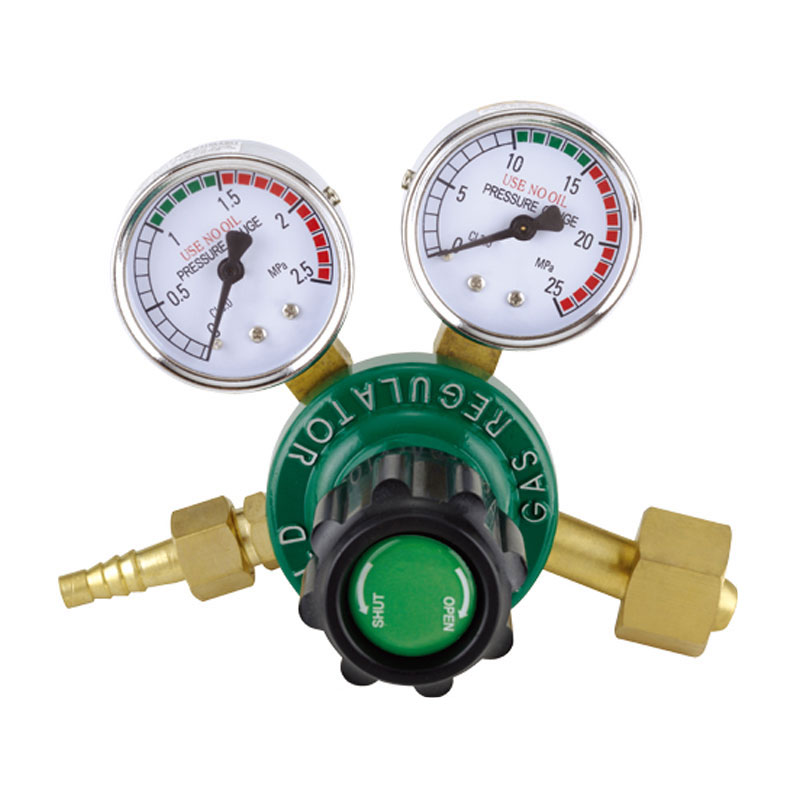
The OR-09 Customizable Pressure and Interface Oxygen Pressure Reducing Controller is designed for pr...
See Details -
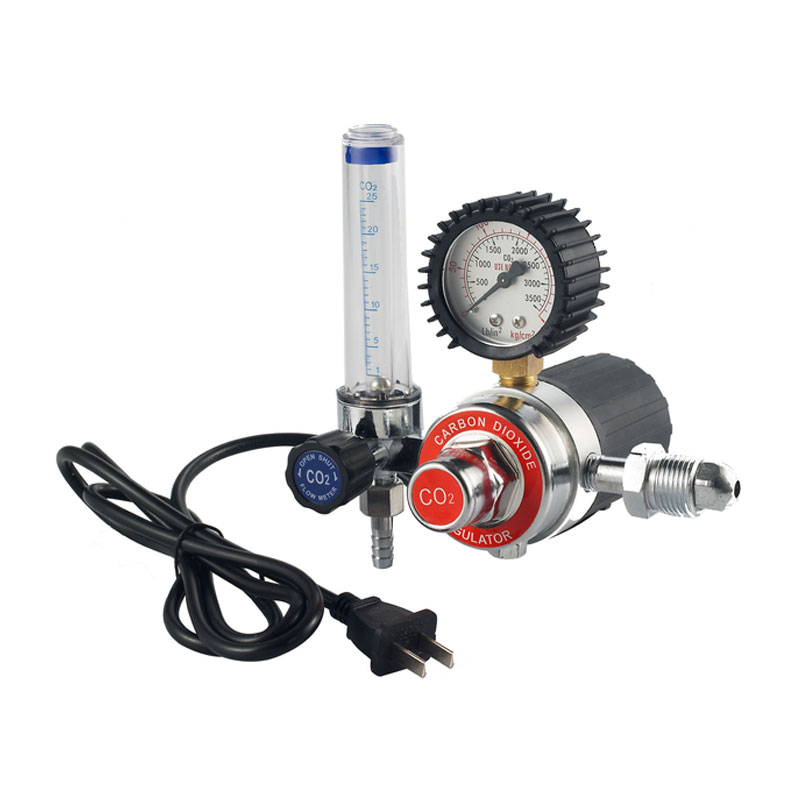
The JTR-01A High-Precision Carbon Dioxide Gas Regulator is designed for professional applications re...
See Details -
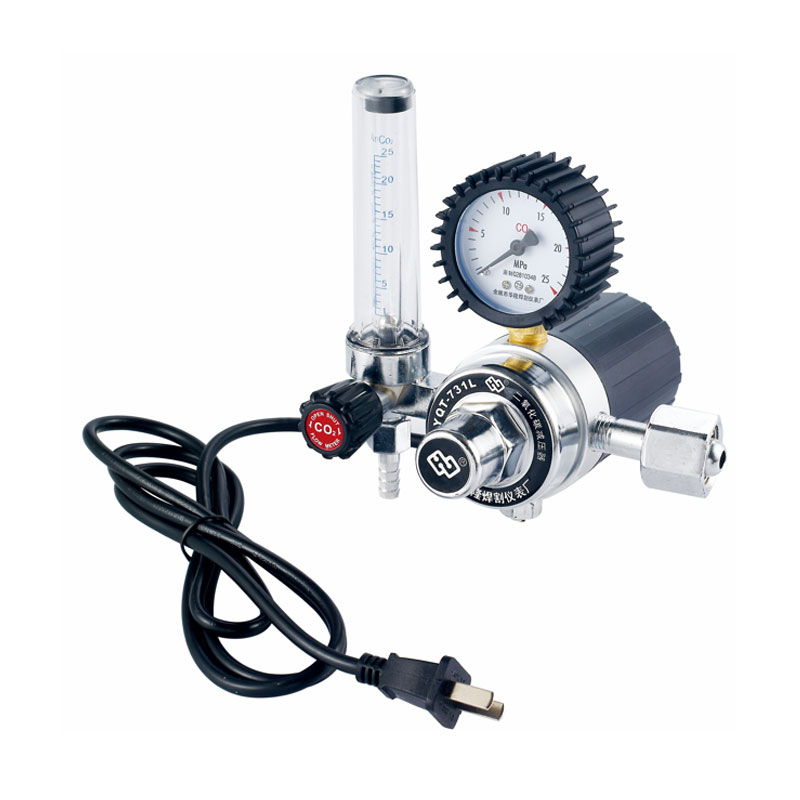
The JTR-01 High-Pressure Precision Carbon Dioxide Regulator is a device designed for applications th...
See Details -
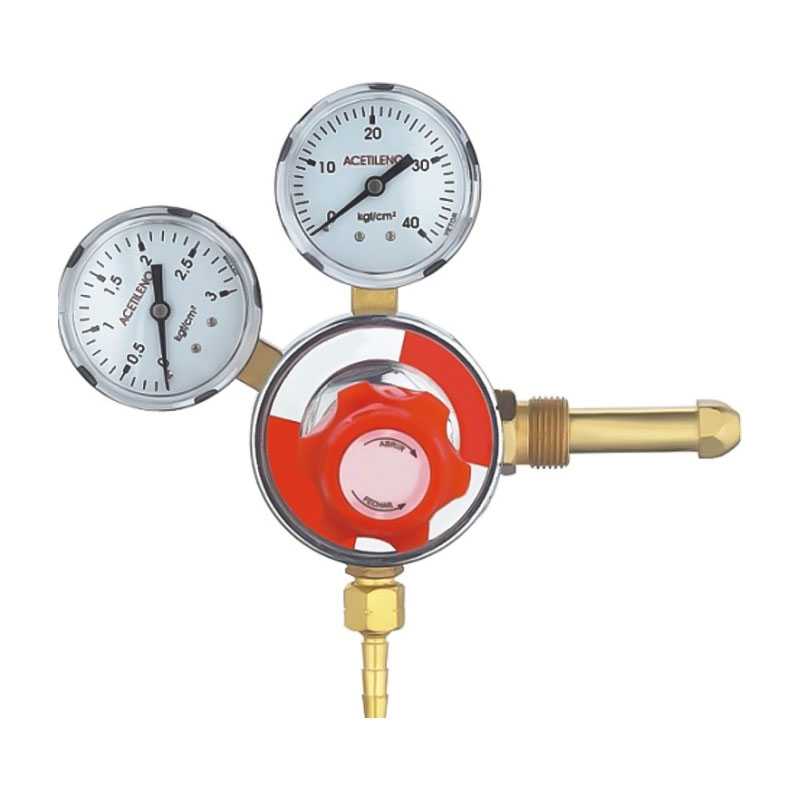
The AR-59 Precision Acetylene Pressure Regulator is a professional device designed for industrial we...
See Details -
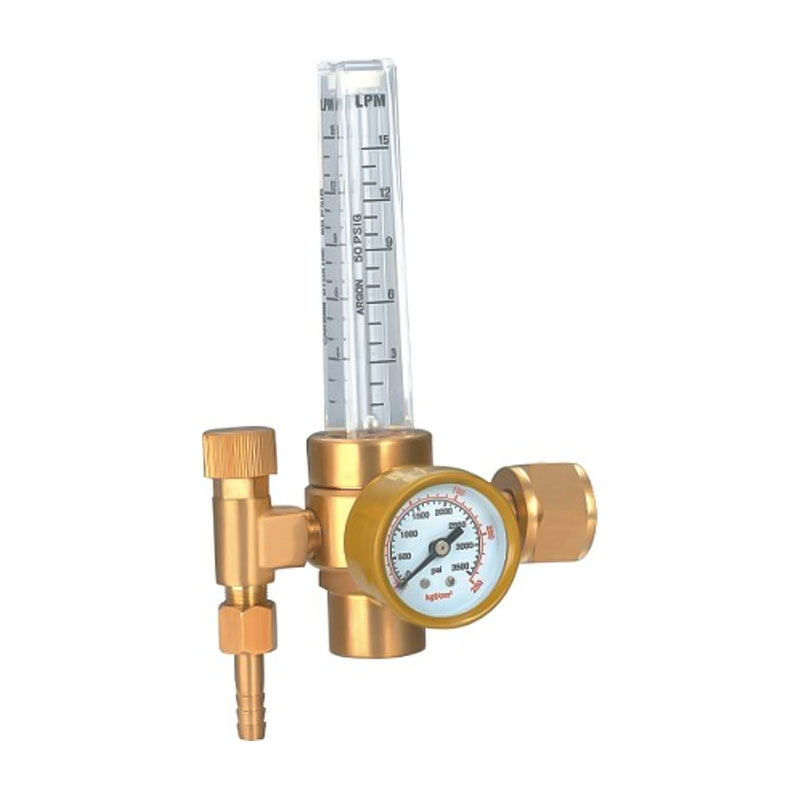
The AR-191T High-Pressure Precision Argon Regulator is a pressure regulation device specifically des...
See Details -
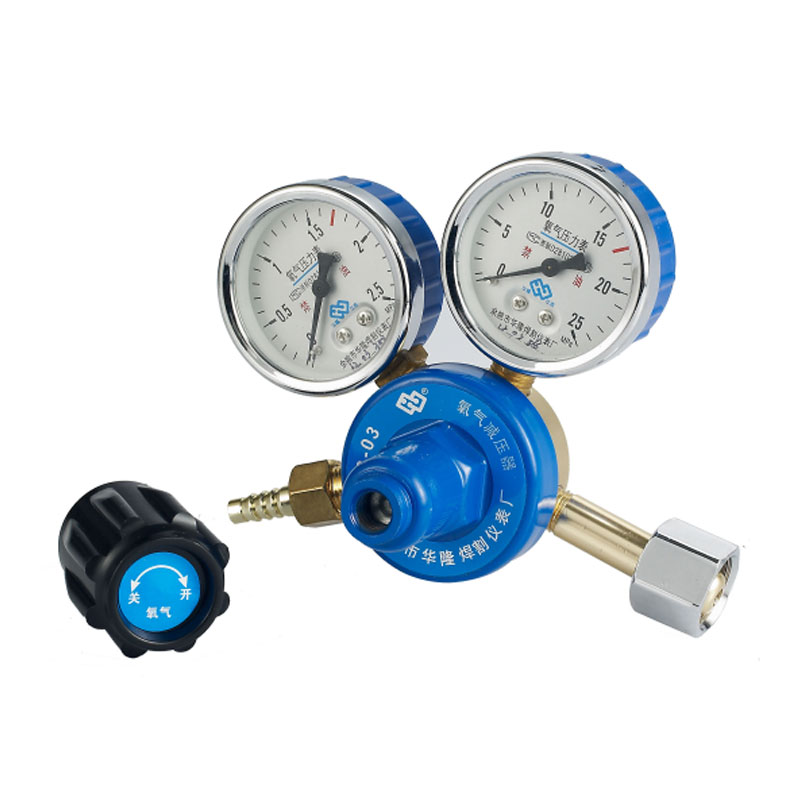
The OR-03 Precision Pressure Management Oxygen Regulator is a professional oxygen pressure reducing ...
See Details -
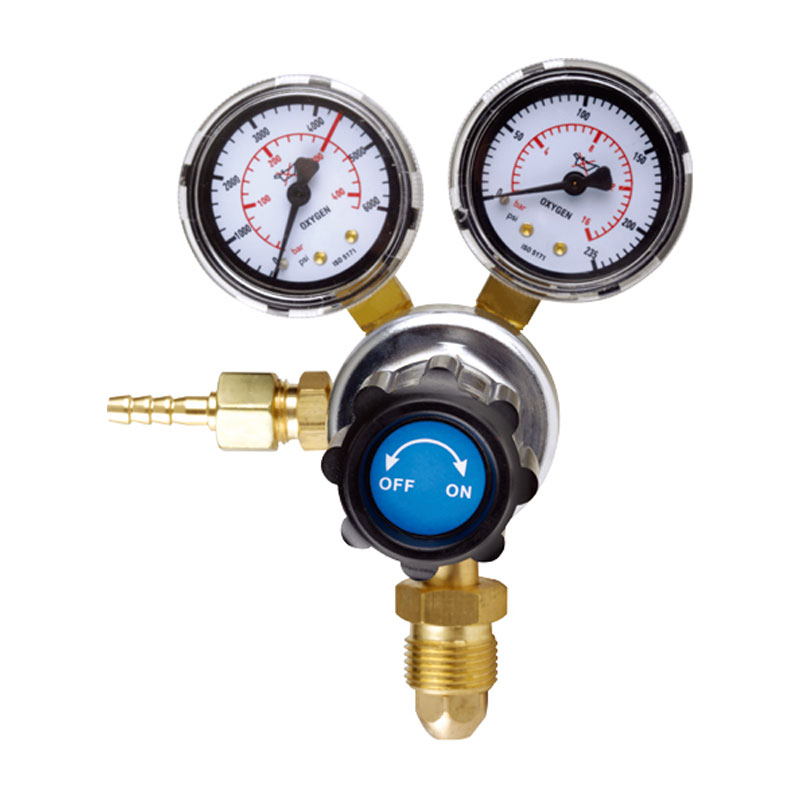
The OR-13 high-pressure precision oxygen regulator is designed specifically for high-pressure applic...
See Details

- PRODUCTS
- Pressure Regulator for Welding and Cutting
- Aquarium Pressure Regulator
- Beer and Beverage Pressure Regulator
- Pipeline Pressure Reducer
- CONTACT INFO
-
-
+86-180 6927 8236

-
[email protected]

-
No.1358,Tanjialing West Road, Lanjiang Street,Yuyao, 315400, Zhejiang

-
- MOBILE QR CODE

