

 English
  русский
  Español
 The OR-13 high-pressure precision oxygen regulator is designed specifically for high-pressure applic...
See DetailsWhy is a High-Quality Aquarium Pressure Regulator Essential for a Lush Planted Tank?
Industry News-For many aquascaping enthusiasts, moving from a low-tech setup to a professional-grade “high-tech” aquarium is a rite of passage. While lighting and fertilizers are crucial, Carbon Dioxide (CO2) is the single most important nutrient for plant photosynthesis. In a closed aquatic environment, natural CO2 is rarely enough to support the rapid growth seen in competitive aquascapes. This is where an Aquarium Pressure Regulator becomes the heart of your ecosystem.
An aquarium CO2 regulator serves a critical function: it takes the massive, fluctuating pressure from a liquid CO2 cylinder (often exceeding 800-900 PSI) and reduces it to a stable, low-pressure flow (around 20-50 PSI). This allows the gas to be pushed through a ceramic diffuser or reactor without exploding the tubing or gassing your fish. Investing in a high-quality regulator is not just about growing plants faster; it is about providing the precision and safety required to keep a delicate biological balance.
Precision Flow Control: The Needle Valve and Stability
The most frustrating challenge in maintaining a high-tech planted tank is inconsistency. Aquatic plants are highly adaptive, but they thrive on stability. Fluctuating CO2 levels are the primary cause of Black Brush Algae (BBA) and Staghorn Algae. A high-quality Aquarium Pressure Regulator is defined by its ability to deliver the exact same amount of gas, second after second, day after day.
The Engineering of a High-Precision Needle Valve
The needle valve is the “fine-tuning” knob of your CO2 system. In industrial-grade regulators, these valves are designed to move large volumes of gas, making it nearly impossible to set a stable “bubbles per second” (BPS) count.
- Tapered Precision: A professional aquarium CO2 needle valve features a long, finely tapered needle. This design allows for minute adjustments. Whether you need 1 bubble every 5 seconds for a nano tank or 10 bubbles per second for a massive 150-gallon setup, a quality valve won’t “skip” or jump.
- Resistance to Flow Drift: Lower-end regulators suffer from “flow drift,” where the CO2 output slowly increases or decreases over several hours as the ambient temperature changes or the internal springs settle. High-quality regulators use materials like stainless steel and high-grade brass to ensure that once you set your bubble rate, it remains locked in.
Achieving the Perfect CO2 Saturation
To reach the optimal 30ppm (parts per million) of CO2 saturation, your regulator must overcome the backpressure created by your CO2 diffuser. If the regulator is low-quality, the working pressure may fluctuate, causing the diffusion rate to vary. This leads to erratic pH swings. A stable regulator ensures that your plants receive a constant “food supply” during the lighting period, allowing them to engage in vigorous “pearling”—the visible production of oxygen bubbles—which is the ultimate sign of a healthy, lush planted tank.
Safety First: Preventing the “End-of-Tank Dump”
Safety is the area where quality truly pays for itself. The most common catastrophe in the hobby is known as the “End-of-Tank Dump.” This occurs when the CO2 cylinder is nearly empty. As the liquid CO2 turns to gas, the pressure inside the tank drops, which can cause certain types of regulators to fail, releasing all the remaining gas into your aquarium in a matter of minutes.
Dual-Stage vs. Single-Stage Mechanics
The only reliable way to prevent a tank dump is through the use of a Dual-Stage Aquarium Pressure Regulator.
- The Single-Stage Weakness: A single-stage regulator has one internal diaphragm. As the cylinder pressure falls below a certain threshold, the diaphragm can no longer maintain its position, allowing a surge of gas to bypass the valve.
- The Dual-Stage Solution: A dual-stage CO2 regulator contains two separate chambers. The first stage reduces the tank pressure to a fixed intermediate level (e.g., 150 PSI), while the second stage reduces it to your final working pressure. Even as the cylinder empties and the first stage experiences pressure changes, the second stage remains unaffected. This provides an essential failsafe for your expensive livestock, such as Discus, Crystal Red Shrimp, or rare community fish.
Integrated Solenoid Valves for Automated Control
High-quality regulators almost always feature an integrated DC Solenoid Valve. This allows the CO2 to be automated via a timer or pH controller.
- Oxygen Depletion Prevention: Plants only consume CO2 during the “lights on” period. At night, they consume oxygen and release CO2. If your regulator doesn’t shut off at night, the CO2 levels can become toxic, suffocating your fish.
- Reliability of DC Power: Unlike cheaper AC solenoids that hum, vibrate, and run hot (often burning out within a year), low-voltage DC solenoids stay cool to the touch and operate silently for many years, making them the preferred choice for professional aquascaping systems.
Equipment ROI: Quality Materials and Leak Prevention
Many hobbyists fall into the trap of buying a “budget” regulator, only to find themselves replacing it within 12 months. When you factor in the cost of wasted gas, damaged plants, and lost livestock, a premium Aquarium Pressure Regulator offers a much higher Return on Investment (ROI).
Material Integrity and Machining
The construction of the regulator determines its lifespan. High-quality units are typically made from chrome-plated forged brass or high-grade aluminum alloys.
- Seal Quality: CO2 is a very “dry” gas that can cause cheap rubber O-rings to become brittle and crack. Quality regulators utilize Viton or EPDM O-rings, which are chemically resistant to CO2 and maintain a gas-tight seal for years.
- CGA320 and W21.8 Compatibility: Precision machining ensures that the regulator nut fits perfectly onto your CO2 cylinder. A poor fit is the most common cause of slow leaks, which can empty a 5lb cylinder in weeks instead of months, leading to unnecessary refill costs and downtime for your plants.
Technical Comparison: Regulator Features
| Feature | Budget Single-Stage | Professional Dual-Stage |
|---|---|---|
| Pressure Stability | Poor (fluctuates with tank pressure) | Excellent (constant working pressure) |
| Safety | High risk of “End-of-Tank Dump” | Built-in failsafe protection |
| Needle Valve | Sensitive/Coarse adjustment | Ultra-fine precision control |
| Solenoid Quality | AC-powered (hot and noisy) | DC-powered (cool and silent) |
| Gauges | Single or Small Analog | Dual high-precision analog |
| Long-term Value | Frequent replacement required | Durable for 5-10+ years |
FAQ: Common Questions About CO2 Regulators
Q: Do I need a Dual-Stage regulator for a small nano tank?
A: Yes, actually more so. In a small volume of water, a sudden surge of CO2 (a dump) will change the pH and CO2 concentration much faster than in a large tank, leaving your shrimp or fish no time to react. Safety is universal, regardless of tank size.
Q: Why does my CO2 bubble rate change throughout the day?
A: This is usually due to a low-quality needle valve or a single-stage regulator reacting to temperature changes in the room. Upgrading to a high-precision aquarium regulator will eliminate this “flow drift.”
Q: Can I use a regulator designed for homebrewing or welding?
A: Industrial regulators are designed for high flow rates. They generally lack the fine-adjustment needle valve and the safe working pressure range (0-50 PSI) required for the delicate task of aquarium CO2 injection.
Q: How do I know when my CO2 cylinder is empty?
A: By watching the high-pressure gauge on your dual-gauge regulator. When the needle moves out of the “green” zone and starts dropping toward zero, it is time to refill. With a dual-stage unit, you can safely let it run until the needle hits zero.
References and Professional Citations
- Carbon Dioxide and pH Dynamics in Closed Aquatic Ecosystems, Journal of Freshwater Ecology, 2025.
- Fluid Dynamics of Pressure Reduction in High-Pressure Gas Cylinders, International Gas Engineering Review.
- Aquascaping and Planted Tank Management: The High-Tech Guide, Aquatic Plant Management Society.
- Safety Standards for Compressed Gas Regulators (Standard ISO 2503), International Organization for Standardization.
Related products
-
-
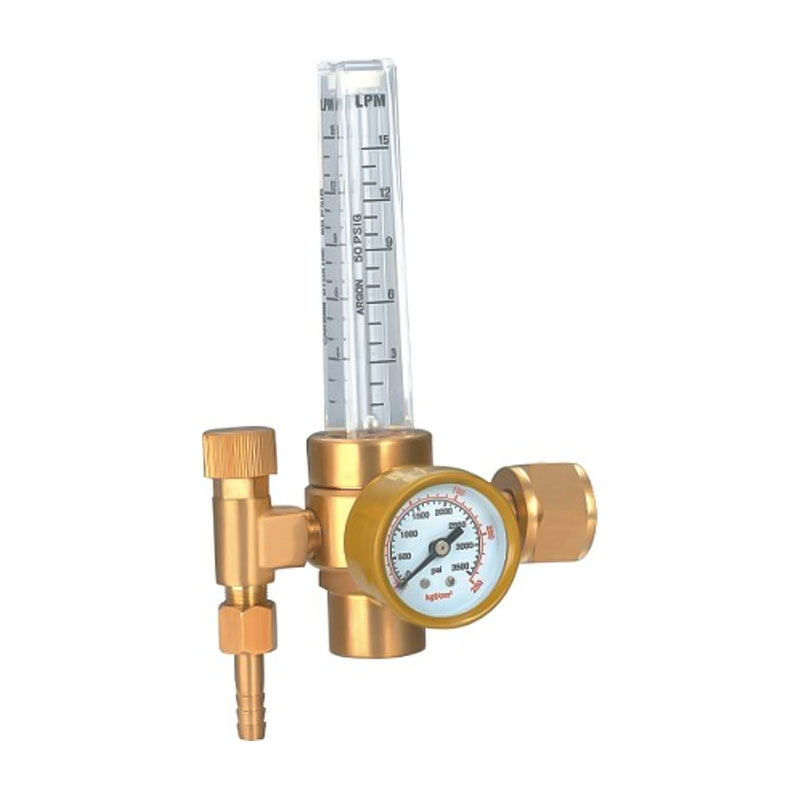
The AR-191T High-Pressure Precision Argon Regulator is a pressure regulation device specifically des...
See Details -
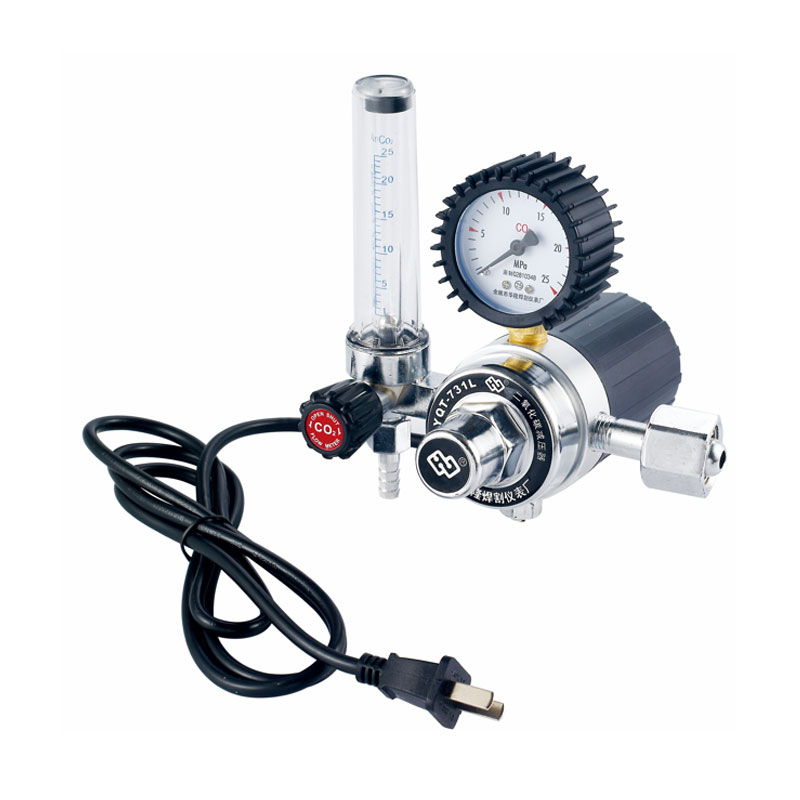
The JTR-01 High-Pressure Precision Carbon Dioxide Regulator is a device designed for applications th...
See Details -
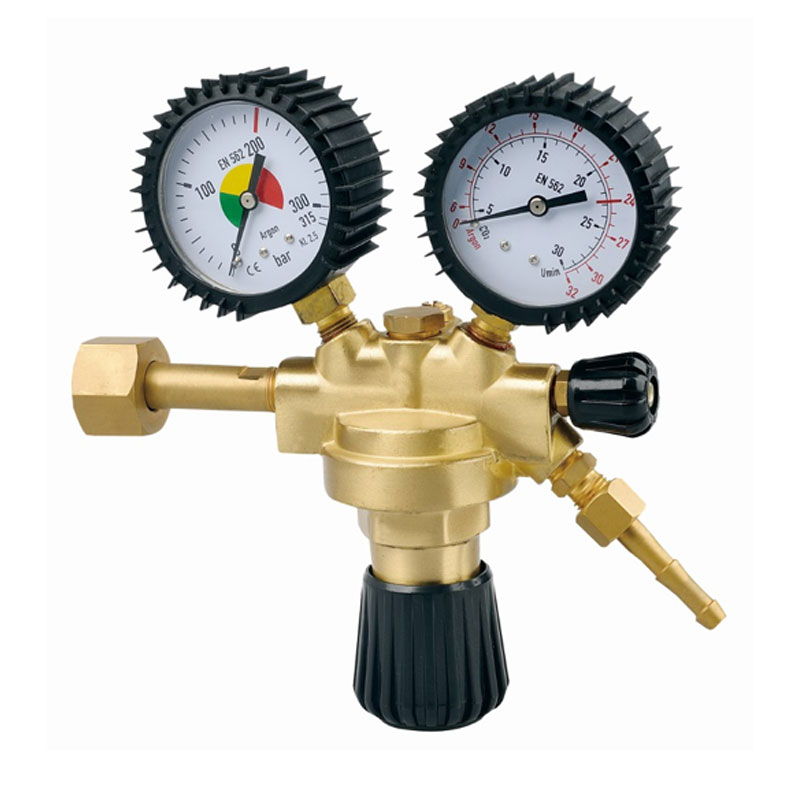
The TR-07 High-Performance Carbon Dioxide Regulator provides a reliable and steady gas pressure cont...
See Details -
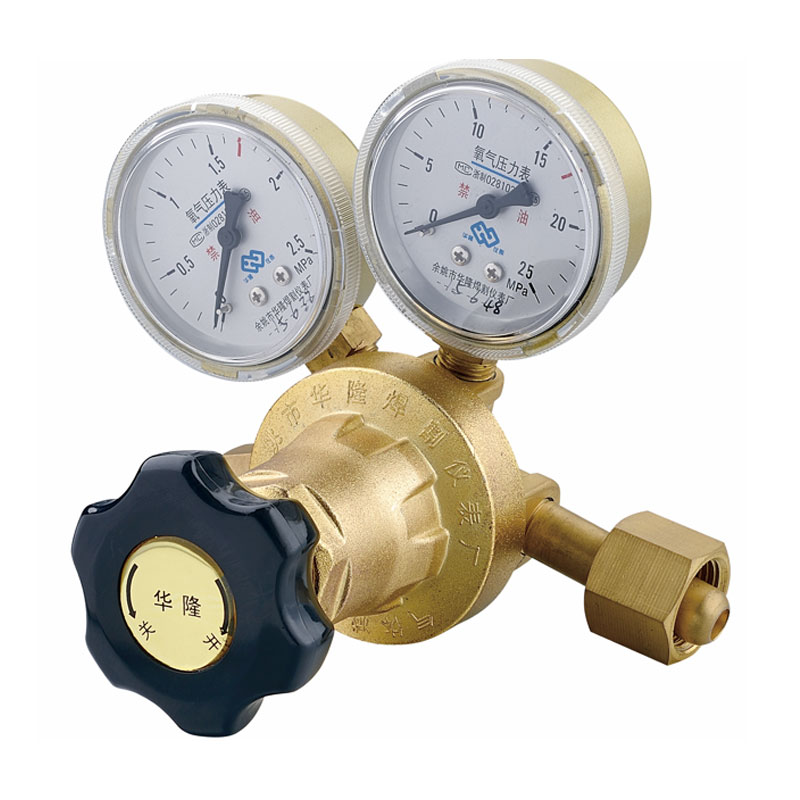
The OR-16 high-performance continuous supply oxygen pressure regulator is suitable for a variety of ...
See Details -
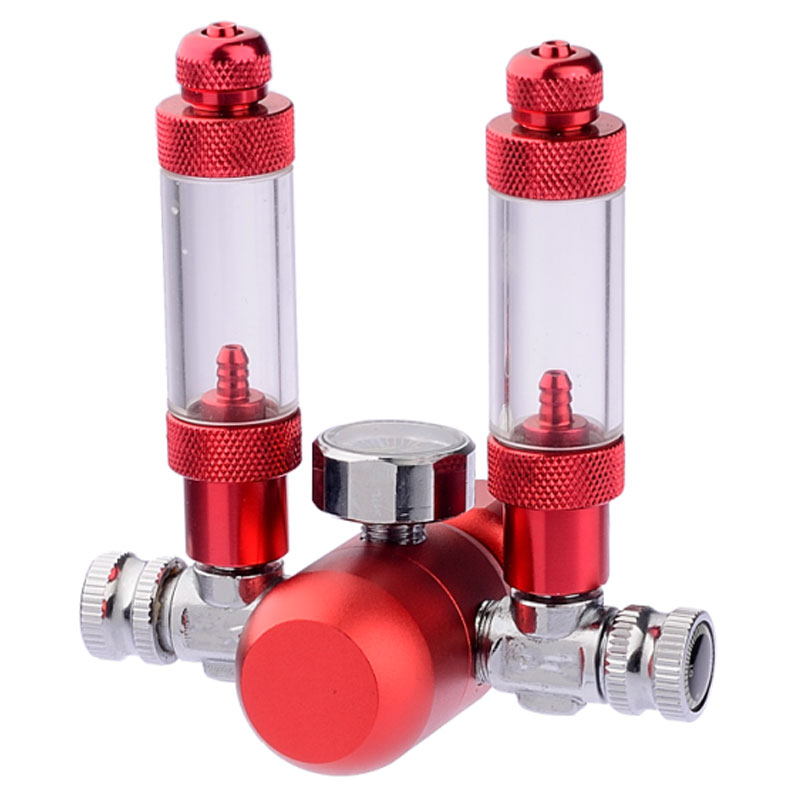
This environmentally friendly dual-gauge CO2 aquarium pressure regulator is designed for aquatic pla...
See Details -
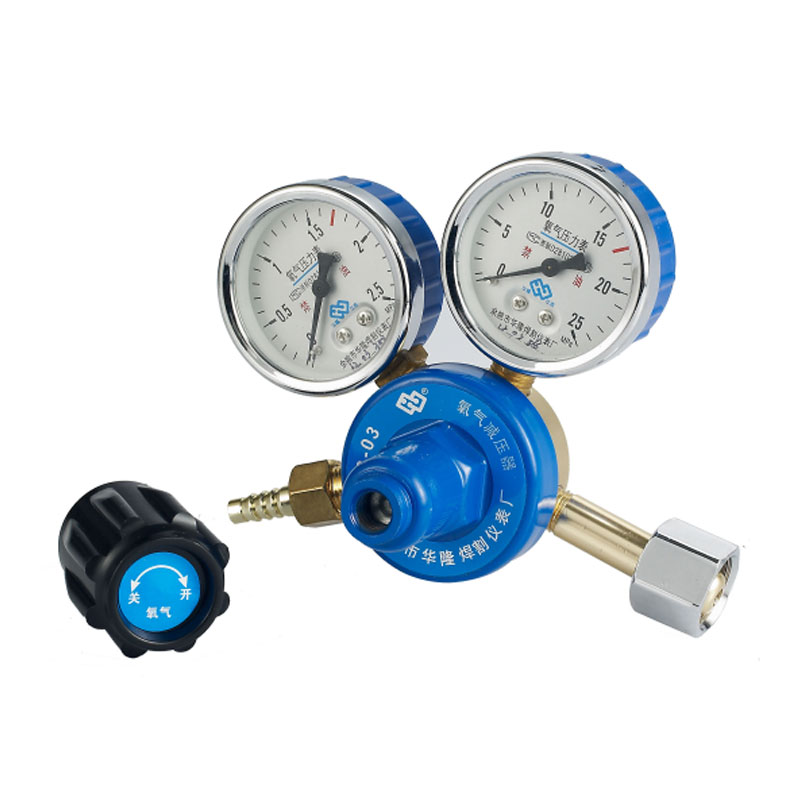
The OR-03 Precision Pressure Management Oxygen Regulator is a professional oxygen pressure reducing ...
See Details -
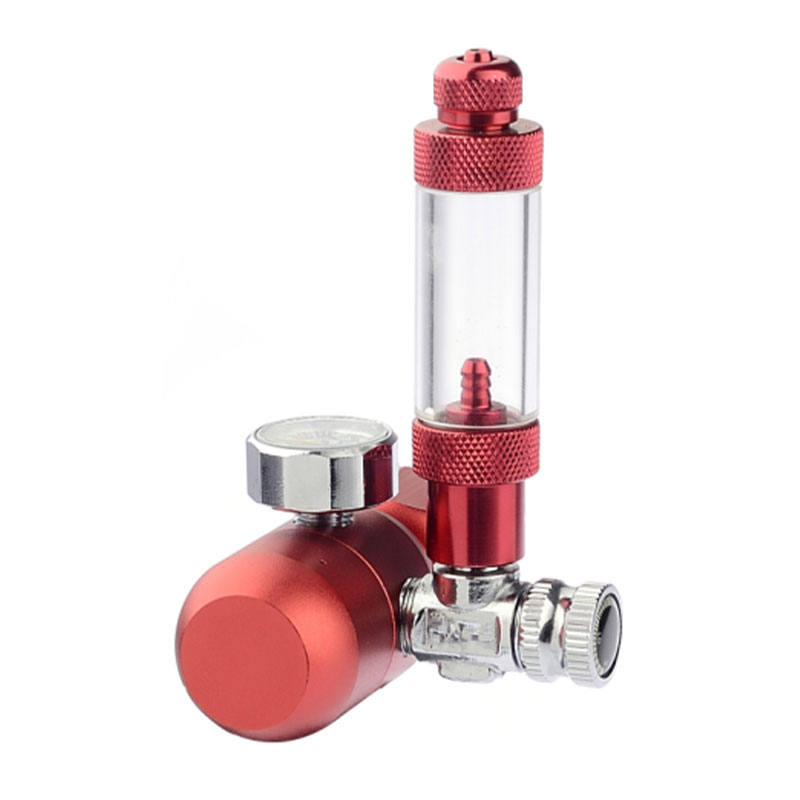
This aquarium plant CO2 pressure regulator is designed for aquatic plant landscaping and aquarium sy...
See Details

- PRODUCTS
- Pressure Regulator for Welding and Cutting
- Aquarium Pressure Regulator
- Beer and Beverage Pressure Regulator
- Pipeline Pressure Reducer
- CONTACT INFO
-
-
+86-180 6927 8236

-
[email protected]

-
No.1358,Tanjialing West Road, Lanjiang Street,Yuyao, 315400, Zhejiang

-
- MOBILE QR CODE

