

 English
  русский
  Español
 The LR-102 pipeline natural gas pressure reducer is designed specifically for industrial pipeline na...
See DetailsPilot-Operated vs. Direct-Acting: Which Pipeline Pressure Reducer Suits Your Flow Rate?
Industry News-In complex industrial fluid transport systems, maintaining downstream pressure stability is the cornerstone of protecting expensive equipment and ensuring process consistency. The Pipeline Pressure Reducer (commonly known as a Pressure Reducing Valve or PRV) serves as the “pressure sentinel” of the system, and its performance directly impacts the safety of the entire network. However, in practical engineering selection, engineers often face a core dilemma: should they choose the structurally simple Direct-Acting type or the high-precision Pilot-Operated type?
An incorrect selection can lead to “water hammer” effects, pressure creep, or insufficient supply pressure during peak demand.
1. The Engineering Logic of Direct-Acting Pipeline Pressure Reducers
The Direct-Acting Pipeline Pressure Reducer is one of the most traditional and widely used designs in the industry. Its core operating mechanism is entirely based on mechanical feedback, requiring no external power source or complex control logic.
Structure and Physical Operating Mechanism
The construction of a direct-acting PRV is highly streamlined, typically consisting of a spring, a diaphragm (or piston), and a valve plug connected directly. When the system begins operation, downstream pressure acts directly on the bottom of the diaphragm, while the adjustment spring at the top provides an opposing preset force.
When the internal downstream pressure falls below the spring’s set force, the spring pushes the plug downward, increasing the valve opening to raise the pressure. This “direct force balance” characteristic allows the valve to provide an instantaneous response to pressure changes. Because there are no complex pilot lines or small orifices, direct-acting PRVs are more robust when handling fluids containing minor impurities, making them the ideal choice for small branch lines and terminal equipment.
Flow Bottlenecks and the “Droop” Phenomenon
While the direct-acting design is simple and reliable, it possesses an inherent physical flaw when handling large flow fluctuations, known as “Droop.” As downstream flow demand increases, the spring must extend further to open the plug. According to Hooke’s Law, the spring force decreases as it extends. This causes the downstream pressure to drop significantly below the set point during peak flow (typically fluctuating between 10% and 20%). Therefore, if your application requires extreme pressure stability or involves violent flow changes, a direct-acting PRV may fall short.
2. The Precision of Pilot-Operated Pipeline Pressure Reducers
For large-scale industrial mainlines or processes extremely sensitive to pressure fluctuations, the Pilot-Operated Pipeline Pressure Reducer is the recognized technical standard. It introduces the concept of “two-stage control,” using a small pilot valve to command the movement of the main valve.
How Pilot Control Eliminates Pressure Droop
Unlike the direct-acting type that relies on spring force for direct balance, the pilot-operated PRV utilizes the fluid pressure of the pipeline itself to drive the main sliding valve. The pilot valve acts as a highly sensitive sensor, monitoring even minute changes in downstream pressure (even fluctuations as small as 0.01 MPa) and adjusting the pressure chamber above the main valve diaphragm.
This mechanism achieves an extremely high gain ratio. Even if the downstream flow surges from 10% to 90%, the pilot valve can adjust the main valve opening in real-time, keeping the pressure deviation within a very narrow range of 1% to 5%. For municipal water supply systems spanning multiple floors or high-pressure steam headers, this precision is vital to preventing network oscillation.
Advanced Features for Complex Conditions
Pilot-operated PRVs are not only highly precise but also possess greater potential for customization. Since the control logic resides in the pilot valve, engineers can easily add functions such as multi-stage reduction, remote solenoid control, or anti-surge capabilities. They can handle a much larger Flow Coefficient (Cv value) than direct-acting types, meaning that for the same pipe diameter, a pilot-operated valve can pass more fluid, thereby reducing the material costs of initial pipeline construction.
3. Performance Comparison: Finding the Right Fit for Your Flow Rate
To assist procurement and engineering teams in rapid decision-making, we have developed the following table based on Key Performance Indicators (KPIs).
Technical Specification Comparison Table
| Feature | Direct-Acting Reducer | Pilot-Operated Reducer |
|---|---|---|
| Pressure Control Accuracy | Moderate (10-20% Droop) | Extremely High (1-5% Accuracy) |
| Flow Handling Capacity | Best for Low to Medium Flow | Excellent for High/Variable Flow |
| Response Speed | Instantaneous (No lag) | Slightly Slower (Damping effect) |
| Structural Complexity | Low (Low maintenance cost) | High (Requires pilot filter checks) |
| Anti-Cavitation Ability | Average | Strong (Configurable trim) |
| Recommended Application | Boiler Feedwater, Residential | Mainlines, Municipal, Steam Systems |
Flow Cycle Evaluation Logic
When selecting a Pipeline Pressure Reducer, you must calculate the system’s “Minimum Flow,” “Average Flow,” and “Peak Flow.” If your system operates at low load most of the time but has massive instantaneous demand, a pilot-operated valve is the only choice. If a direct-acting valve is used, downstream equipment may automatically shut down during peak periods due to insufficient pressure, resulting in significant production losses.
4. Installation, Maintenance, and Asset Longevity
A high-quality PRV is not just a one-time purchase; it is part of asset management. A proper installation and maintenance plan can extend the equipment’s lifecycle by 5 to 10 years.
Cavitation and Noise Control
Under high pressure-drop conditions, PRVs are highly susceptible to cavitation. When fluid passes through the valve seat orifice at high speed, the pressure drops below the vapor pressure, creating bubbles that subsequently collapse in the high-pressure zone. This acts like a “micro-hammer,” pitting the metal surface. Pilot-operated PRVs can effectively disperse the pressure drop through more precise opening control and anti-cavitation trims, reducing this destructive physical reaction. Additionally, for “whistling” noises, pilot-operated designs are easier to equip with silencers.
Total Cost of Ownership (TCO) Analysis
While direct-acting valves have a lower initial purchase cost, their failure to effectively buffer pressure fluctuations can lead to frequent damage to downstream seals, instruments, or pump sets. Although pilot-operated PRVs require a higher initial investment and have stricter requirements for fluid cleanliness (a Y-strainer must be installed to prevent clogging of the pilot orifice), the “smooth response” they provide drastically reduces overall system downtime. In the context of Industry 4.0, digital pilot valves can even transmit pressure data to the control room in real-time, enabling predictive maintenance.
FAQ: Expert Troubleshooting for Pipeline Pressure Reducers
Q1: Why is my downstream pressure still rising when there is no flow?
A: This is known as “Pressure Creep.” It is usually caused by foreign objects (weld slag or rust) on the valve seat preventing a tight seal, or the valve plug seal is worn. It is recommended to disassemble, clean, and inspect the sealing face.
Q2: Can a pilot-operated PRV be installed vertically?
A: Most pilot-operated PRVs are recommended for horizontal installation (with the cover facing up). Vertical installation may cause air pockets in the pilot lines, affecting sensing sensitivity or even causing the valve to oscillate.
Q3: How do I solve high-frequency whistling noises coming from the valve?
A: High-frequency noise is usually caused by excessive flow velocity or an excessive single-stage pressure drop. You can try adjusting the downstream flow velocity or, if the reduction ratio exceeds 4:1, consider a two-stage serial reduction solution.
References and Citations
- American Society of Mechanical Engineers (ASME): “B16.34 Valves - Flanged, Threaded, and Welding End.”
- Fluid Controls Institute (FCI): “Standard 70-2 Control Valve Seat Leakage Classifications.”
- International Journal of Pressure Vessels and Piping: “Flow Dynamics and Stability Analysis of Pilot-Operated Regulators.”
Related products
-
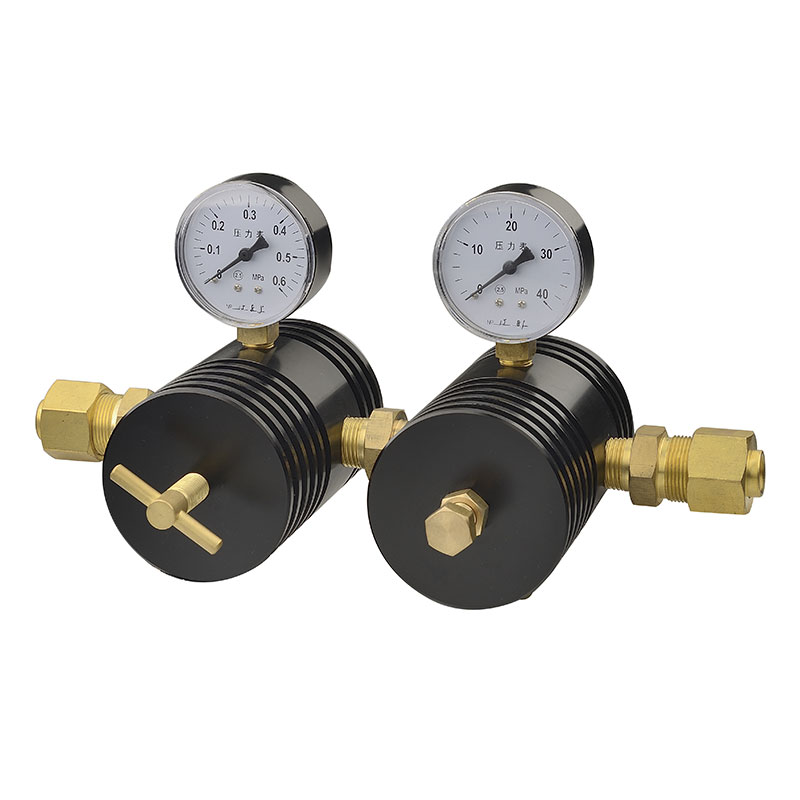
-
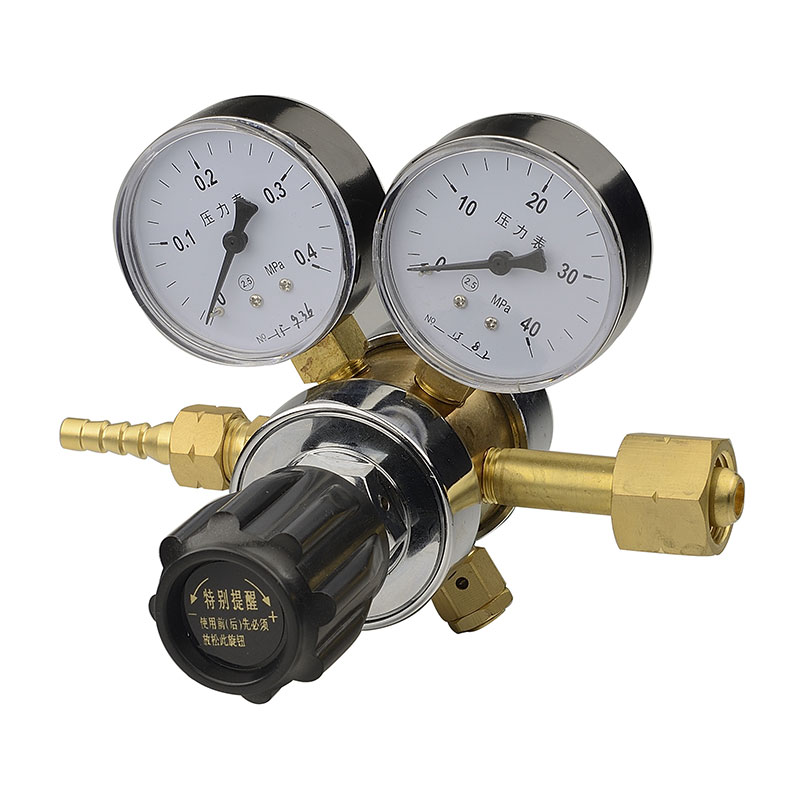
The LR-100 pipeline LPG pressure reducer is designed specifically for industrial liquefied petroleum...
See Details -
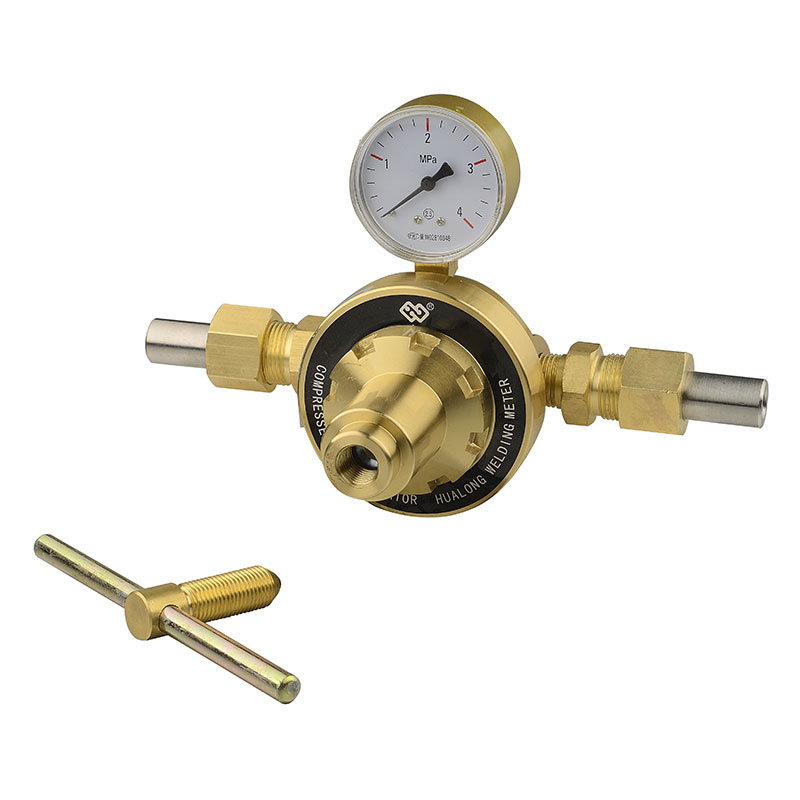
The OR-63-1 (Model 155) industrial pipeline oxygen pressure regulator is a pressure regulating devic...
See Details -
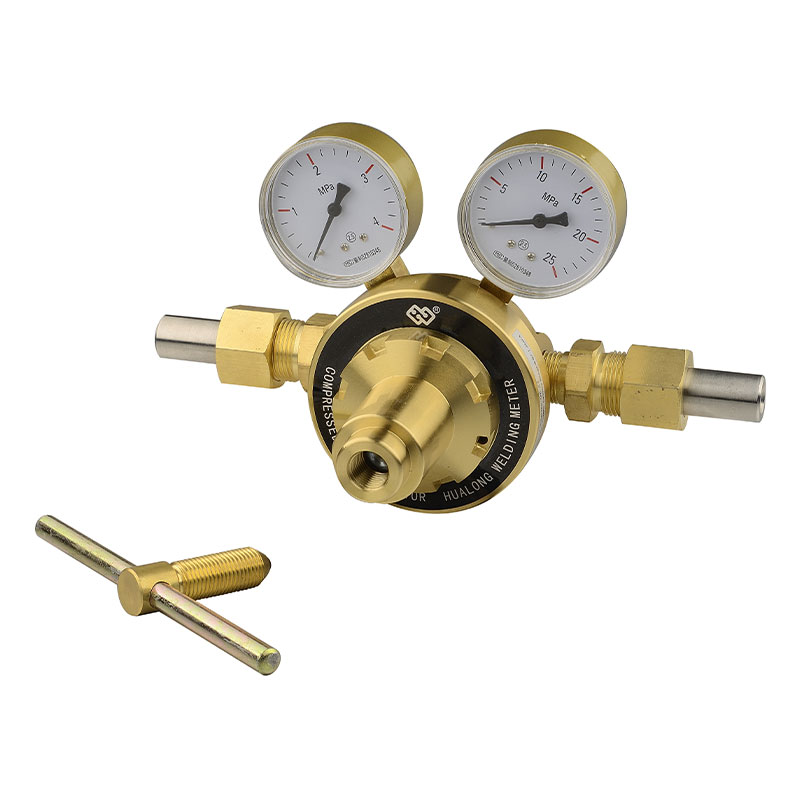
The OR-63 (Model 155) durable pipeline oxygen pressure reducer is designed specifically for industri...
See Details -
.jpg "OR-62(YQY-754)Pipeline Oxygen Pressure Reducer")
The OR-62 (YQY-754) pipeline oxygen pressure reducer is designed specifically for industrial pipelin...
See Details -
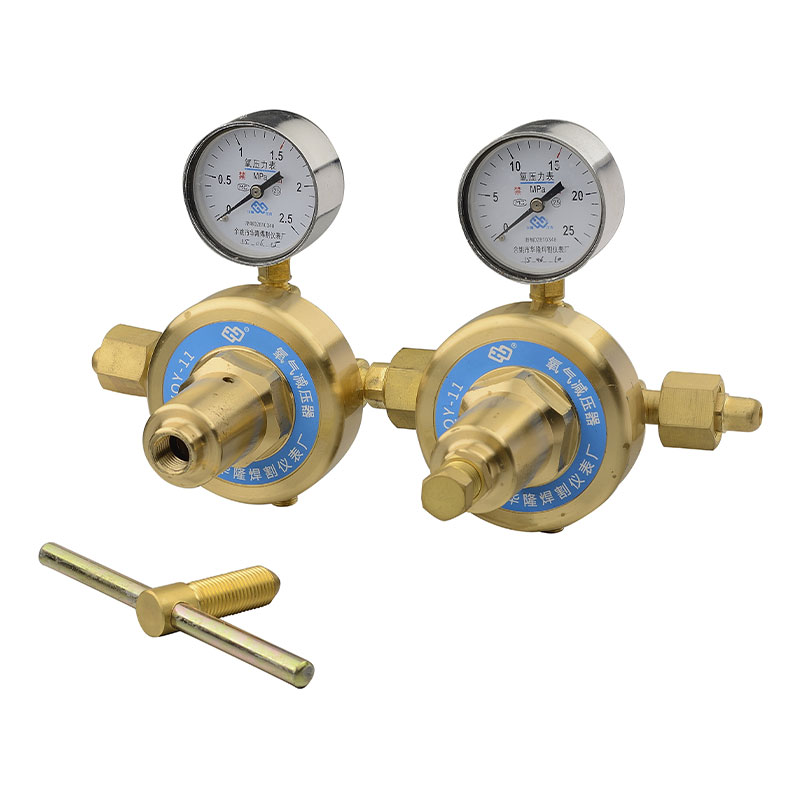
The OR-60 (YQY-11) large-scale pipeline oxygen pressure reducer is specifically designed for industr...
See Details -
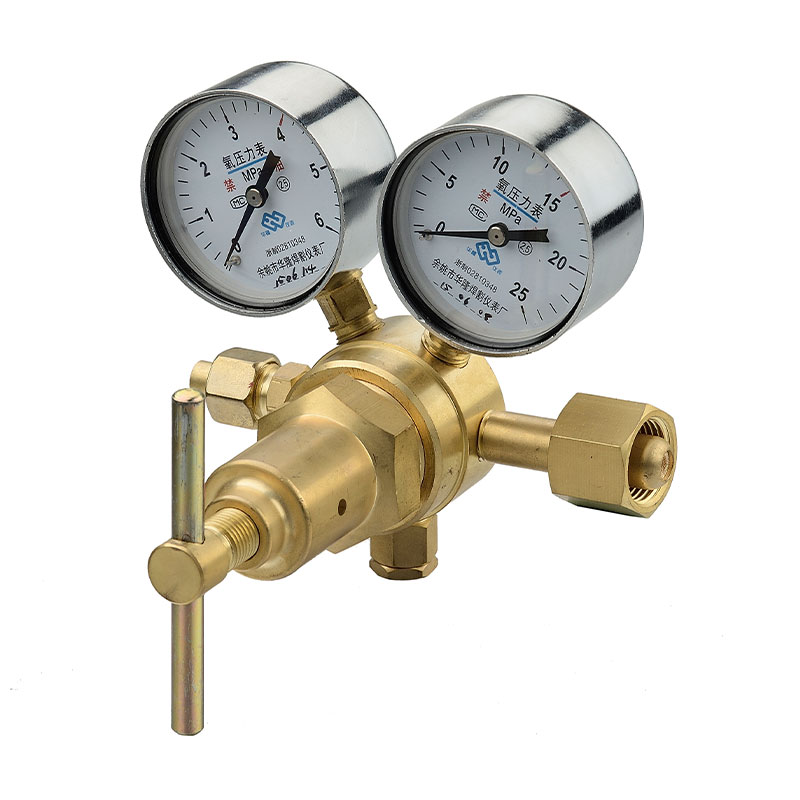
The OR-59-1 (YQY-370-1) industrial oxygen pipeline pressure reducer is designed specifically for ind...
See Details -
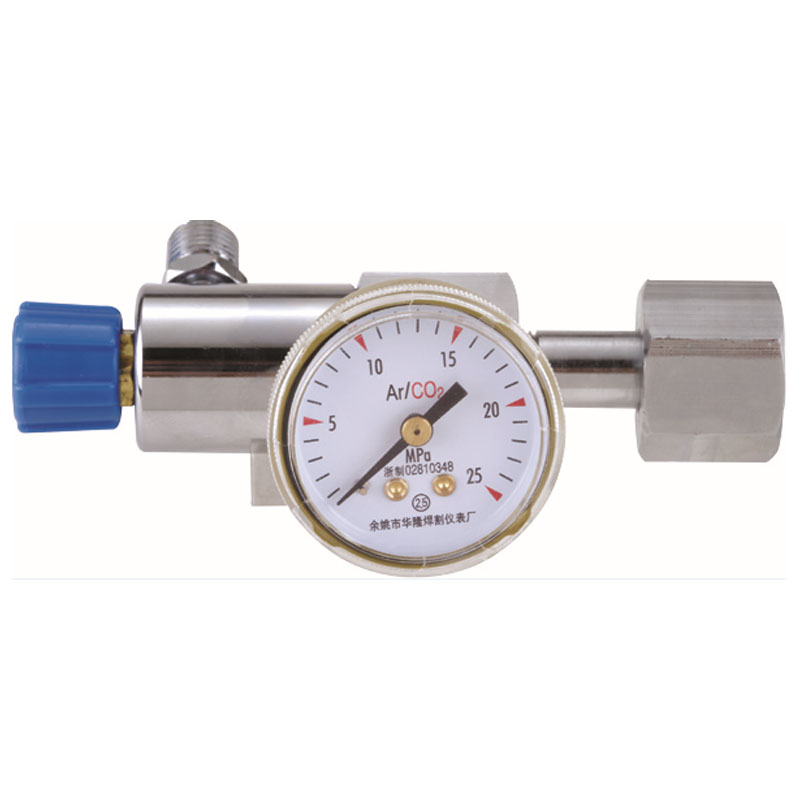
The all-copper precision beer CO2 pressure reducer is a gas control device designed specifically for...
See Details

- PRODUCTS
- Pressure Regulator for Welding and Cutting
- Aquarium Pressure Regulator
- Beer and Beverage Pressure Regulator
- Pipeline Pressure Reducer
- CONTACT INFO
-
-
+86-180 6927 8236

-
[email protected]

-
No.1358,Tanjialing West Road, Lanjiang Street,Yuyao, 315400, Zhejiang

-
- MOBILE QR CODE

