

 English
  русский
  Español
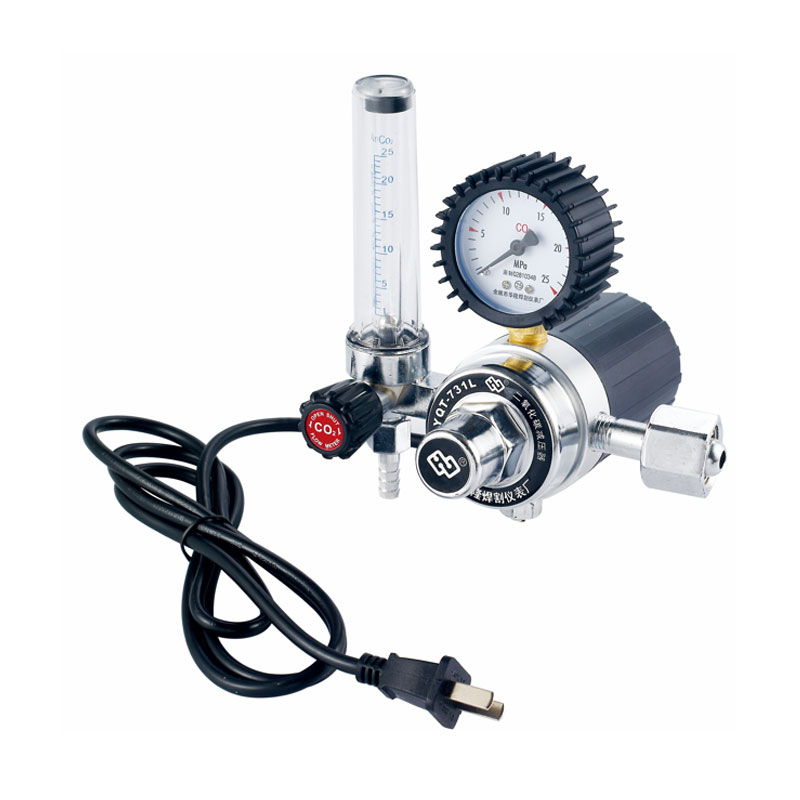
 The JTR-01 High-Pressure Precision Carbon Dioxide Regulator is a device designed for applications th...
See DetailsWhy Is a Pipeline Pressure Reducer Essential for High-Pressure Water Systems?
Industry News-In modern water infrastructure, industrial cooling circuits, and high-rise building water supply systems, pressure control is the core element ensuring system stability and safety. A Pipeline Pressure Reducer is much more than a simple flow adjustment device; it is the “guardian angel” for expensive downstream equipment. Without effective pressure control, high-pressure water sources act like an unbroken horse, causing irreversible physical damage to pipe walls, valve seals, and terminal instrumentation.
From an engineering perspective, high-pressure water supply is often necessary to overcome frictional resistance over long distances or significant elevation changes. However, when the water reaches its point of use, this kinetic energy must be precisely curtailed.
1. Preventing Infrastructure Catastrophes: Burst Pipes and Fatigue
A pipeline burst leads to more than just severe downtime losses; it can trigger secondary disasters, such as flooding electrical equipment or damaging building structures. The Pipeline Pressure Reducer acts as a “pressure circuit breaker” in these scenarios.
Material Fatigue and Failure
All piping materials—whether carbon steel, stainless steel, or ductile iron—have specific tensile strength limits. In systems without a reducer, the pipes undergo constant pressure cycles due to pump activation/deactivation or municipal supply fluctuations. This continuous expansion and contraction lead to Material Fatigue in the molecular structure, eventually creating micro-cracks at welds, elbows, or flange connections. By installing a reducer, pressure is maintained at a steady level well below the material’s fatigue limit.
Protecting Joints and Seals
In high-pressure environments, the first points of failure are usually the seals (gaskets) and packing rather than the pipe wall itself. Excessive static pressure forces water molecules into microscopic gaps in sealing surfaces, causing scouring and erosion. Using a Pipeline Pressure Reducer to keep pressure within a reasonable range significantly reduces “nuisance leaks,” lowering expensive on-site maintenance costs.
2. Controlling the “Water Hammer” Phenomenon and Hydraulic Shock
Water Hammer is one of the most destructive phenomena in high-pressure networks. When a valve is closed rapidly or a water pump stops suddenly, the kinetic energy of the high-speed water column is converted into extreme shockwave pressure.
The Devastating Impact of Water Hammer
This shockwave travels through the pipeline at the speed of sound, with instantaneous pressure peaks potentially reaching several times the normal operating pressure. For systems lacking a Pipeline Pressure Reducer, this energy cannot be absorbed or damped, often leading to the direct destruction of precision gauges, flow meters, and pressure sensors.
The Damping Effect of Reducers
A well-designed pipeline pressure reducer possesses natural damping characteristics. Its internal spring and diaphragm assembly can absorb a portion of the shock energy and lock the downstream pressure at a preset value. This automatic adjustment mechanism acts like a car’s shock absorber, cushioning the vibration caused by hydraulic shock. In high-pressure water systems, reducers are often used in conjunction with Water Hammer Arrestors to build a multi-layered protective network.
3. Operational Efficiency: Energy Savings and Resource Conservation
In today’s context of “Green Factories” and “Low-Carbon Operations,” the economic value of a Pipeline Pressure Reducer is increasingly prominent.
Reducing Wasteful Flow and Water Resources
According to fluid mechanics, the higher the outlet pressure, the greater the flow rate through a nozzle or valve per unit of time. If system pressure is too high—exceeding actual needs—every minute of operation results in water waste. By using a PRV to reduce pressure by 20%, one can often achieve a 10-15% reduction in total water consumption. In large industrial parks or commercial complexes, this water-saving effect is directly reflected in monthly utility bills.
Lowering Heating and Power Consumption
For systems involving hot water circulation, every drop of wasted water represents lost thermal energy. Controlling flow through pressure reduction significantly lessens the thermal load on boilers and heat exchangers. Furthermore, low-pressure operation means pump units do not need to run at the highest pressure points of their rated curves, saving substantial electricity. This is a key link in Sustainable Pipeline Management.
4. Technical Comparison and Selection Matrix
To assist engineers in precise selection for their projects, we have summarized the characteristics of various reducers in the table below:
| Feature | Direct Acting | Pilot Operated | Heavy-Duty Industrial |
|---|---|---|---|
| Pressure Control Precision | Lower (Pressure “Droop” exists) | Extremely High (Constant downstream) | High precision & High flow |
| Typical Size (DN) | DN15 - DN100 | DN50 - DN600+ | Customizable |
| Material Standards | Brass, Bronze, Cast Iron | Ductile Iron, Stainless Steel | Alloy Steel, Hastelloy |
| Application Scenarios | Residential, Lab, Low flow | Municipal, Fire, Large Plants | Chemical, Long-distance lines |
| Maintenance Cost | Low (Simple structure) | Medium (Pilot lines need cleaning) | High (Professional inspection) |
5. Implementation for Industrial Standards and Compliance
In global procurement and engineering construction, ensuring your Pipeline Pressure Reducer meets international standards is a prerequisite for compliant operation.
Importance of International Certification (ASME, ISO, CE)
Industrial reducers must comply with standards such as ASME B16.34 (Standard for Valves) and ISO 9001 quality systems. For systems involving drinking water, NSF/ANSI 61 certification is required to ensure materials do not leach harmful substances.
Digital Integration and Predictive Maintenance (Industry 4.0)
Modern advanced pipeline reducers are transitioning toward “intelligence.” By installing pressure sensors and IoT interfaces on the reducer, maintenance teams can monitor inlet/outlet pressure differentials in real-time. Semrush data shows rising search volume for “Smart PRV” and “Digital Pressure Control.” This digital integration allows the system to issue warnings before equipment failure, completely changing the traditional “fix it when it breaks” reactive approach.
FAQ: Frequently Asked Questions
Q1: What is the difference between a pipeline pressure reducer and a relief valve?
A: A reducer is “normally open,” tasked with constantly maintaining stable downstream pressure. A relief valve is “normally closed,” opening only to exhaust pressure during an emergency over-pressure event.
Q2: Why is my pressure reducer making a loud noise?
A: This is usually caused by Cavitation. When the pressure drop is too high or flow exceeds design limits, bubbles form in the water and collapse under high pressure. This can be solved by multi-stage pressure reduction or selecting an anti-cavitation PRV.
Q3: Should a pipeline pressure reducer be installed vertically or horizontally?
A: Most industrial-grade reducers are recommended for horizontal installation with the valve cover facing up. This prevents pipeline debris from settling in the actuator, ensuring adjustment sensitivity.
Q4: How can I tell if a reducer has failed?
A: The most obvious sign is “Pressure Creep,” where the outlet pressure continues to rise until it equals the inlet pressure when downstream use stops. This usually indicates a damaged valve seat or seal.
References and Technical Resources
- AWWA M22: Sizing Water Service Lines and Meters.
- ASME B31.3: Process Piping Code for Chemical and Petroleum Refineries.
- ISO 10522: Agricultural irrigation equipment — Pressure regulating valves.
- ANSI/ASSE 1003: Performance Requirements for Water Pressure Reducing Valves for Domestic Water Distribution Systems.
Related products
-
-
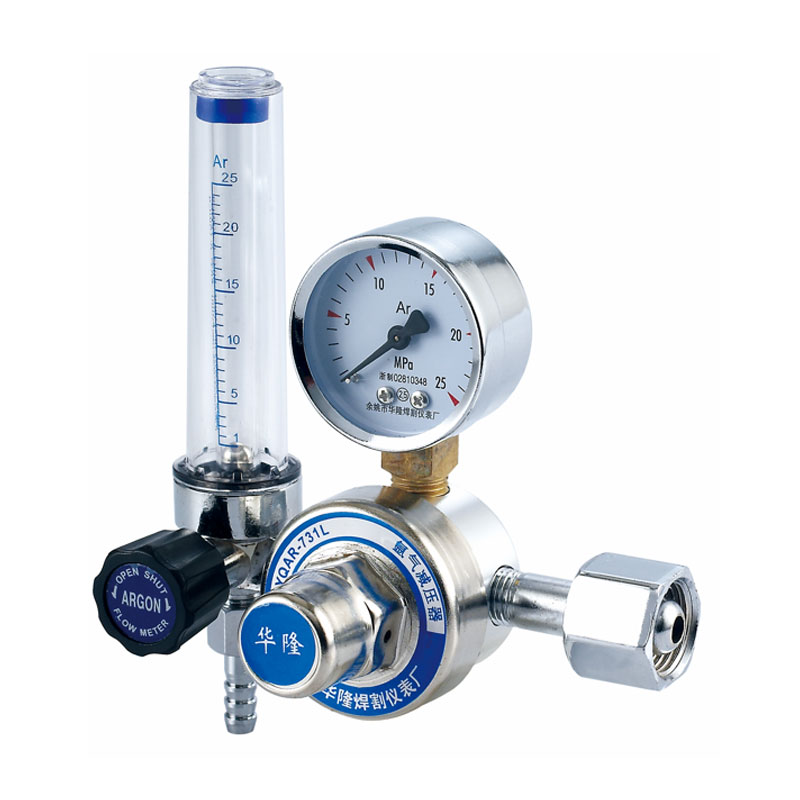
The ArR-01 High-Pressure Argon Cylinder Regulator is a pressure regulation device designed for appli...
See Details -
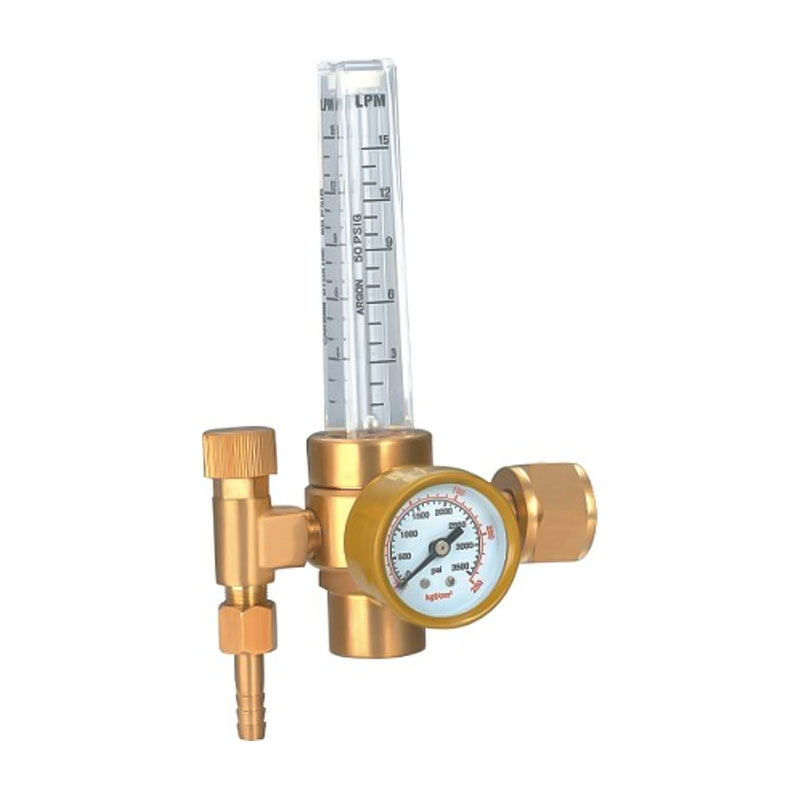
The AR-191T High-Pressure Precision Argon Regulator is a pressure regulation device specifically des...
See Details -
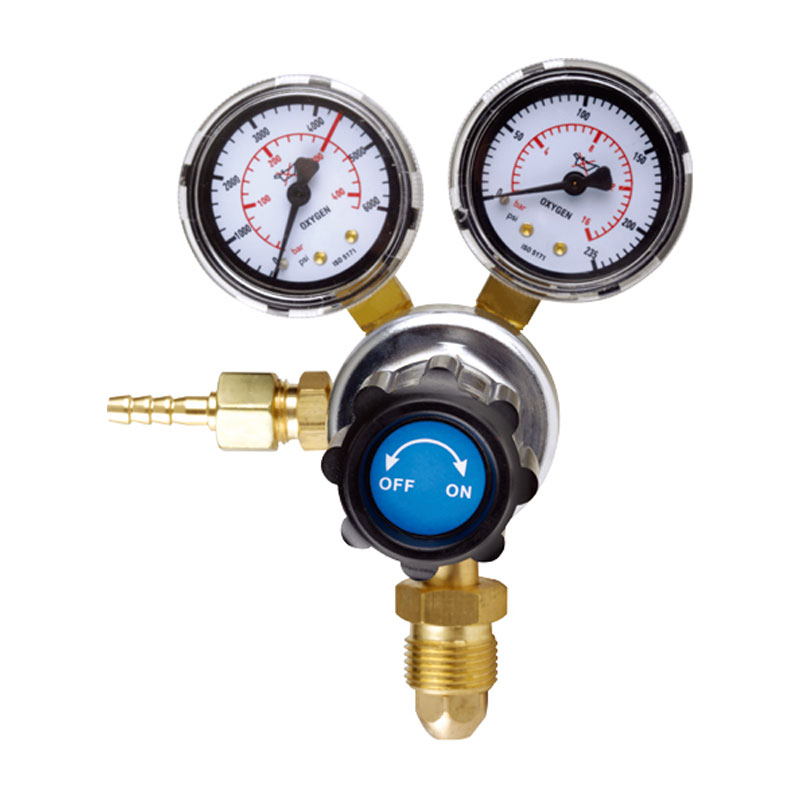
The OR-13 high-pressure precision oxygen regulator is designed specifically for high-pressure applic...
See Details -
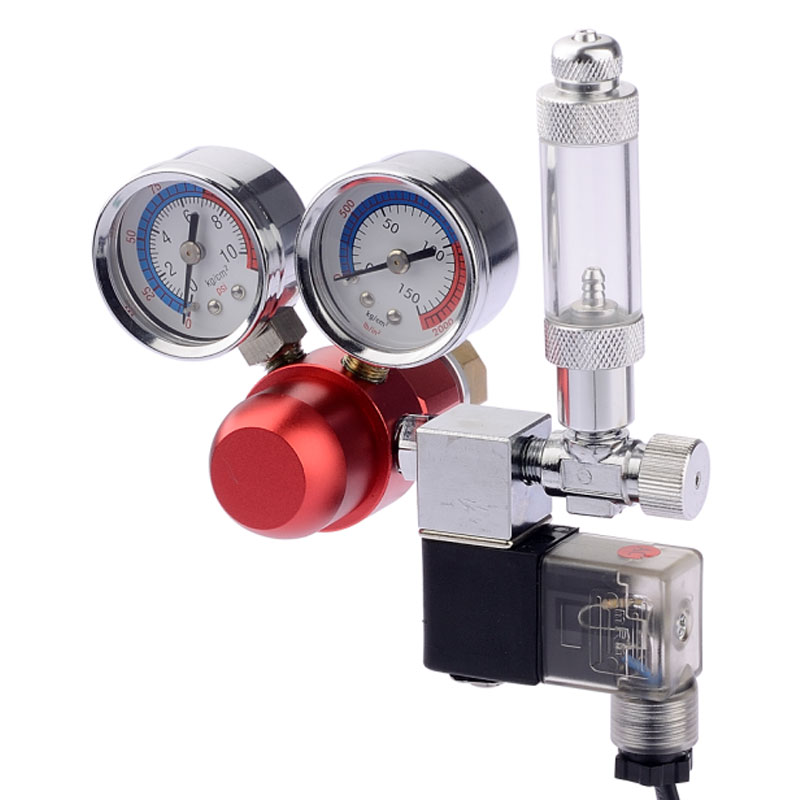
This aquarium CO2 regulator with dual pressure gauges and single bubble counter is designed specific...
See Details -
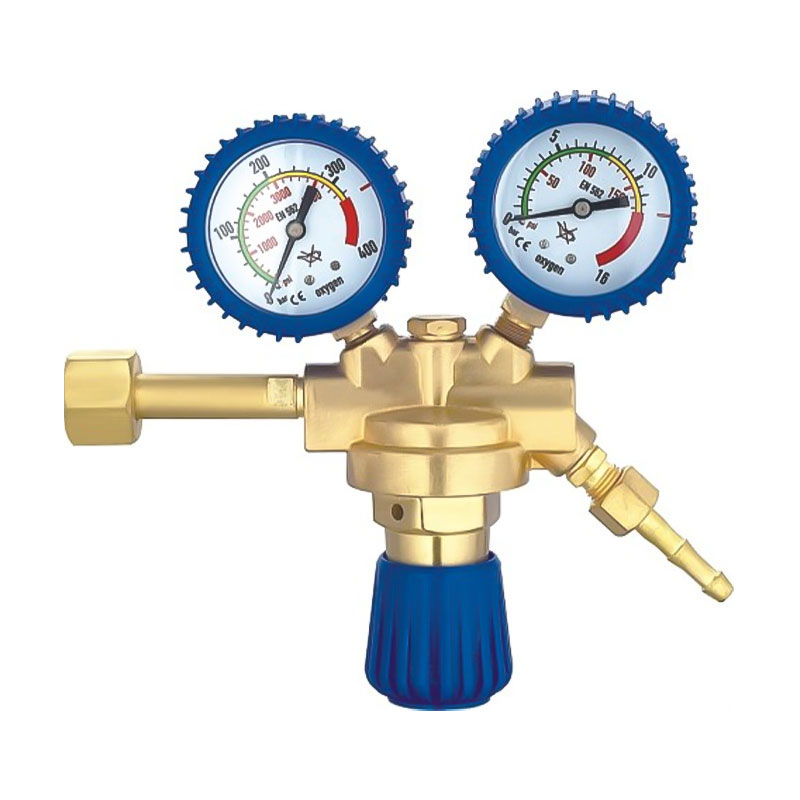
The OR-07A Continuous Operation Oxygen Pressure Control Regulator can handle input pressures as high...
See Details -
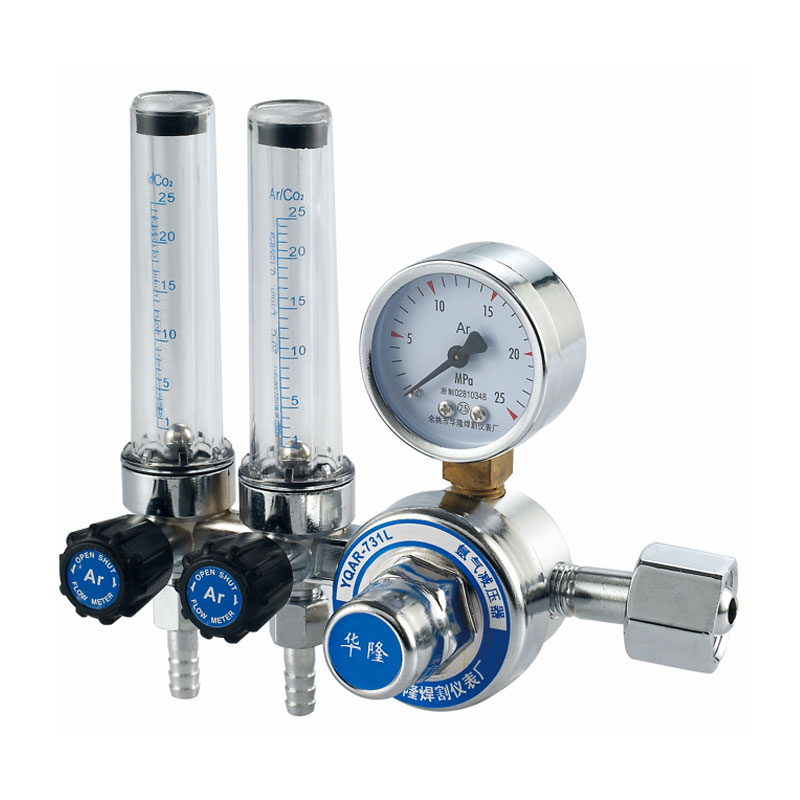
The ArR-01-2 High-Performance Argon Regulator is a pressure management device designed for precision...
See Details -
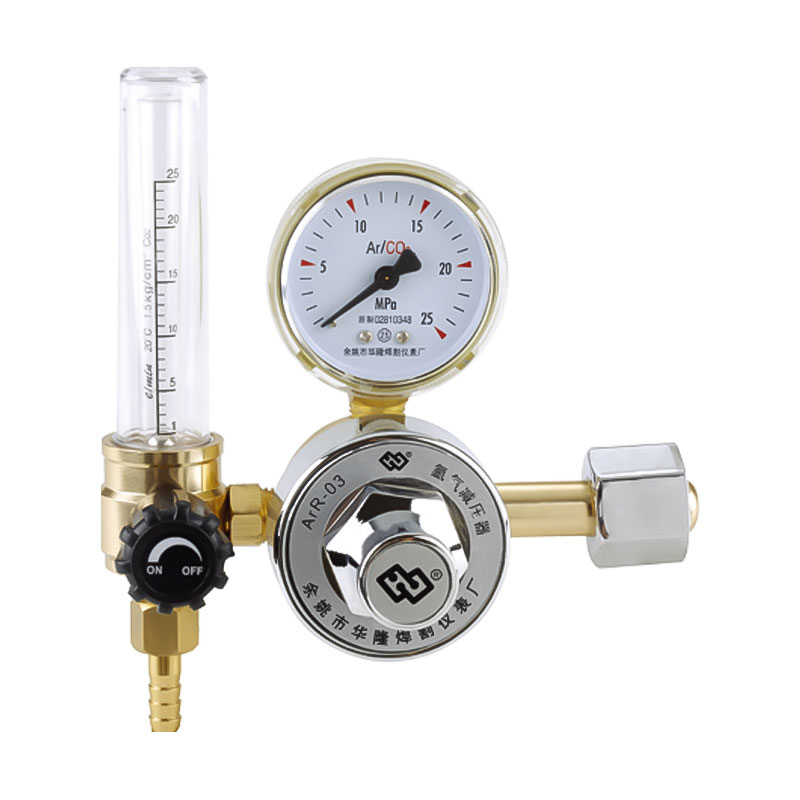
The ArR-02 Industrial Constant-Pressure Argon Regulator is a pressure management device designed for...
See Details

- PRODUCTS
- Pressure Regulator for Welding and Cutting
- Aquarium Pressure Regulator
- Beer and Beverage Pressure Regulator
- Pipeline Pressure Reducer
- CONTACT INFO
-
-
+86-180 6927 8236

-
[email protected]

-
No.1358,Tanjialing West Road, Lanjiang Street,Yuyao, 315400, Zhejiang

-
- MOBILE QR CODE

