

 English
  русский
  Español
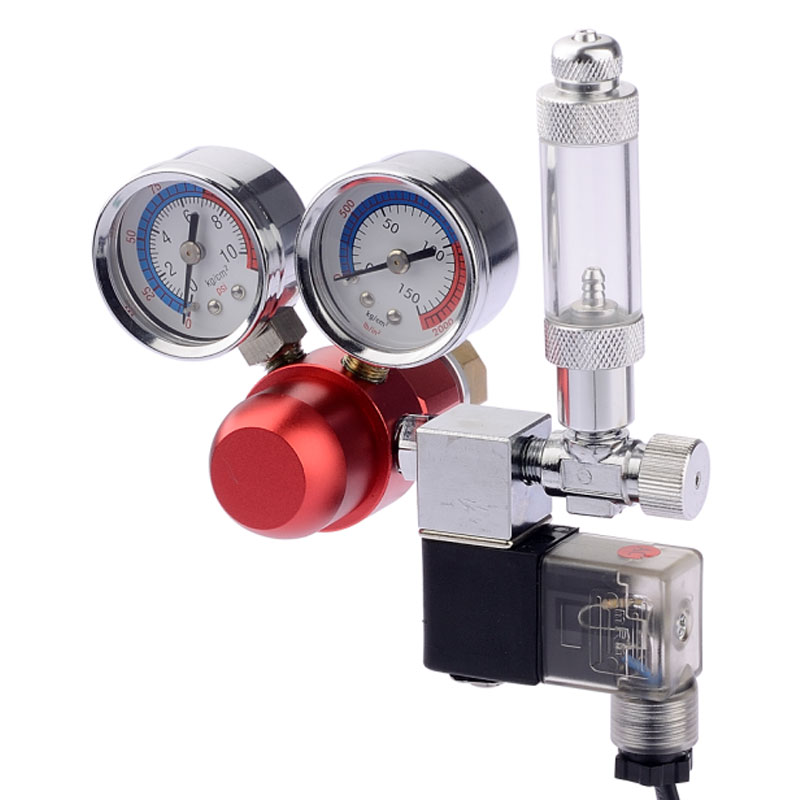
 This aquarium CO2 regulator with dual pressure gauges and single bubble counter is designed specific...
See DetailsAre Single-Stage or Two-Stage Acetylene Pressure Regulators Better for Your Project?
Industry News-Choosing the right Acetylene Pressure Regulator is not just about cost; it is about performance, gas conservation, and operational safety. In the world of oxy-acetylene welding and cutting, the regulator is the heart of your gas delivery system. Understanding the internal mechanics of single-stage vs. two-stage regulators will ensure you select the tool that matches your specific workflow requirements.
1. The Single-Stage Acetylene Regulator: Simplicity and Economy
A single-stage regulator reduces the high-pressure gas from the cylinder to the delivery pressure in one single step. This makes it a popular choice for many general workshops.
How it Works Internally
In a single-stage design, the high-pressure gas enters the chamber and pushes against a diaphragm. The user adjusts a spring to balance this pressure. However, as the cylinder empties, the inlet pressure drops. This drop in inlet pressure actually allows the delivery pressure to rise slightly because there is less force pushing the valve closed. This phenomenon is known as “Pressure Rise” or “End-of-Tank Surge.”
Advantages and Disadvantages
The primary advantage of the single-stage regulator is its affordability. Because it has fewer internal components, it is lighter, more compact, and generally easier to repair or replace. For intermittent tasks, such as heating a rusted bolt or performing a quick weld, the slight pressure fluctuation is often negligible.
The disadvantage lies in the need for constant monitoring. As you consume the acetylene, you must manually adjust the regulator knob to maintain a consistent flame. If left unadjusted, the flame characteristic will change, potentially affecting the quality of your weld or the cleanliness of your cut.
Best Use Cases
- Maintenance and Repair: Ideal for mobile repair kits where weight is a factor.
- Short Duration Tasks: Projects that last only a few minutes.
- Budget-Conscious Shops: Where high-precision gas flow is not the primary concern.
2. The Two-Stage Acetylene Regulator: Precision and Consistency
For professional fabricators and production environments, the two-stage regulator is the gold standard for constant pressure delivery.
The Two-Step Reduction Process
Unlike its single-stage counterpart, a two-stage regulator is essentially two regulators built into one body.
- The First Stage: This is a factory-preset stage that reduces the cylinder pressure (which can be up to 250 psi for acetylene) down to an intermediate pressure (usually around 40-50 psi).
- The Second Stage: This is the user-adjustable stage that takes the intermediate pressure and reduces it to the final working pressure (e.g., 5 psi or 10 psi).
Why Precision Matters
The “genius” of this design is that the second stage always receives a constant pressure from the first stage, regardless of whether the tank is full or nearly empty. This eliminates the End-of-Tank Surge. For a welder, this means the flame remains perfectly consistent from the moment you start until the cylinder is almost completely exhausted.
Advantages for Professional Workflows
The most significant benefit is efficiency. Operators do not need to stop their work to “tweak” the regulator as the tank empties. This leads to higher productivity and superior weld quality, especially on thin-gauge materials where a sudden change in gas flow could cause burn-through or poor penetration. While the initial investment is higher, the savings in gas and avoided rework often justify the cost.
3. Comparative Analysis: Which Fits Your Technical Requirements?
To help your procurement team make an informed decision, the following table summarizes the technical trade-offs between these two systems.
| Feature | Single-Stage Regulator | Two-Stage Regulator |
|---|---|---|
| Pressure Stability | Fluctuates as cylinder pressure drops | Remains constant throughout tank life |
| Operational Efficiency | Requires manual re-adjustment | Set-and-forget operation |
| Typical Application | Intermittent use, DIY, Portability | Production welding, CNC cutting |
| Internal Complexity | Lower (fewer moving parts) | Higher (dual diaphragm system) |
| Cost Investment | Economical / Lower | Higher / Professional Grade |
| Safety Profile | Standard | High (More stable flow control) |
4. Safety Considerations for Acetylene Regulation
Regardless of the regulator type you choose, Acetylene safety is non-negotiable. Acetylene is chemically unstable at high pressures.
The 15 PSI Limit
You must never set your acetylene delivery pressure above 15 psi (103 kPa). Beyond this point, acetylene can decompose explosively even without a spark. Quality regulators are often marked with a “red zone” on the gauge above 15 psi to warn the operator.
Maintenance and Inspection
Industrial regulators should be inspected for “creep” (when pressure rises above the set point when the torch is closed). Using a Flashback Arrestor in conjunction with your regulator is a mandatory safety requirement in most jurisdictions to prevent the flame from traveling back into the cylinder.
FAQ: Frequently Asked Questions
Q: Can I use an Oxygen regulator on an Acetylene tank?
A: Absolutely not. Acetylene and Oxygen regulators have different thread directions (Left-hand vs. Right-hand) and internal materials designed specifically for their respective gases to prevent explosions.
Q: How do I know if my regulator is “creeping”?
A: Close your torch valves but leave the regulator open. If the needle on the delivery gauge continues to rise slowly, the internal seat is leaking, and the regulator must be serviced immediately.
Q: Is a two-stage regulator safer than a single-stage?
A: While both are safe if manufactured to standards, a two-stage regulator provides a more consistent flow, reducing the risk of flame instability which can lead to backfires or flashbacks.
Q: Does temperature affect my Acetylene regulator?
A: Yes. Acetylene is dissolved in acetone within the cylinder. In very cold weather, the withdrawal rate may decrease, and the regulator might exhibit frost if the draw rate is too high.
References and Technical Standards
- AWS (American Welding Society): Safety in Welding, Cutting, and Allied Processes (ANSI Z49.1).
- OSHA (Occupational Safety and Health Administration): 29 CFR 1910.253 - Oxygen-fuel gas welding and cutting.
- ISO 2503: Gas welding equipment — Pressure regulators and pressure regulators with flow-metering devices for gas cylinders used in welding, cutting and allied processes.
- CGA (Compressed Gas Association): E-4, Standard for Gas Regulators for Welding and Cutting.
Related products
-
-
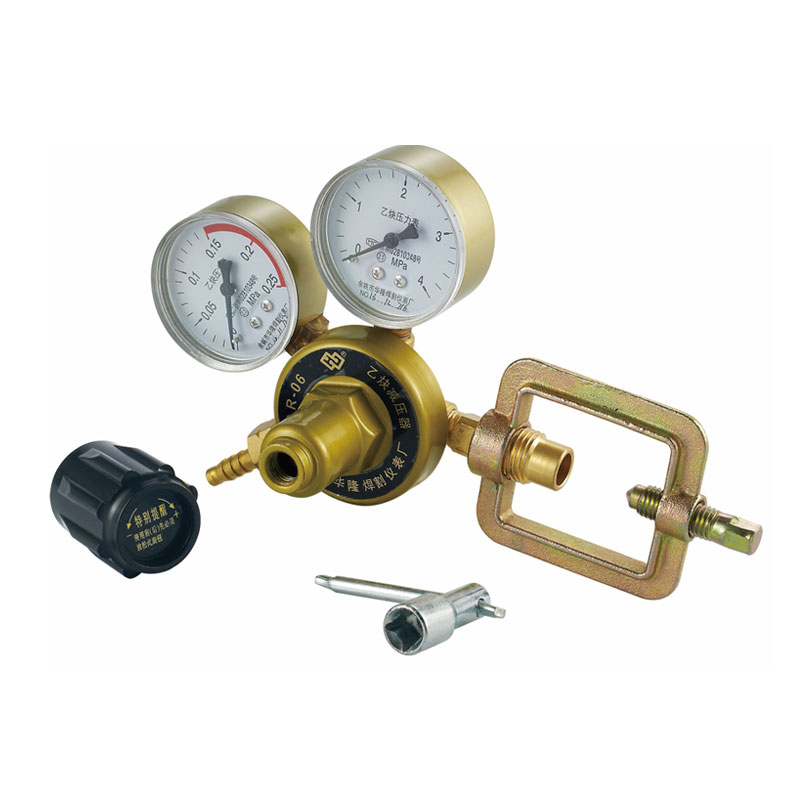
AR-06 High-Performance Acetylene Regulator is designed as a pressure control device for industrial w...
See Details -
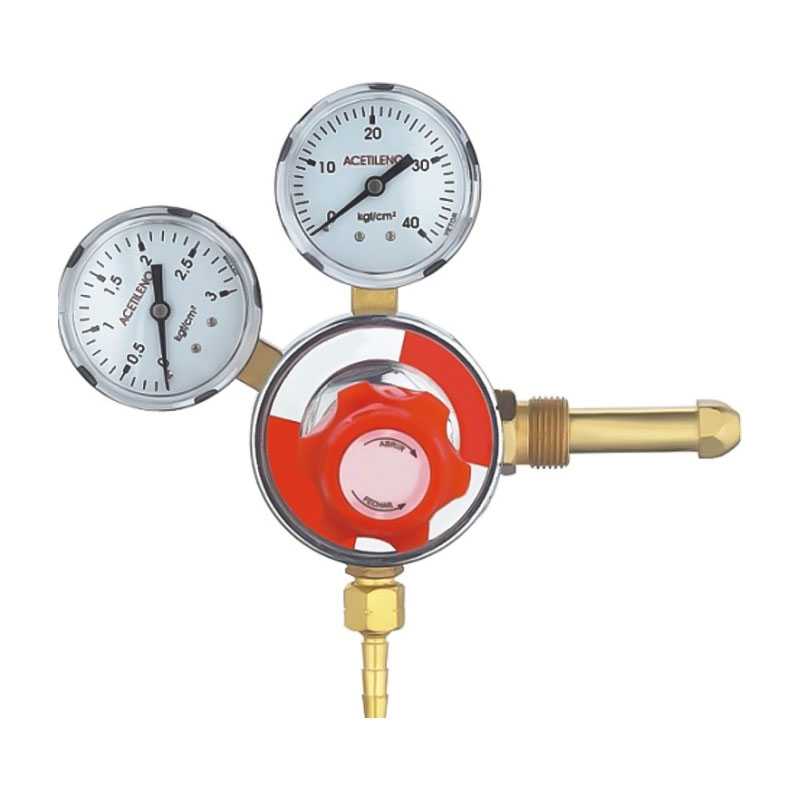
The AR-59 Precision Acetylene Pressure Regulator is a professional device designed for industrial we...
See Details -
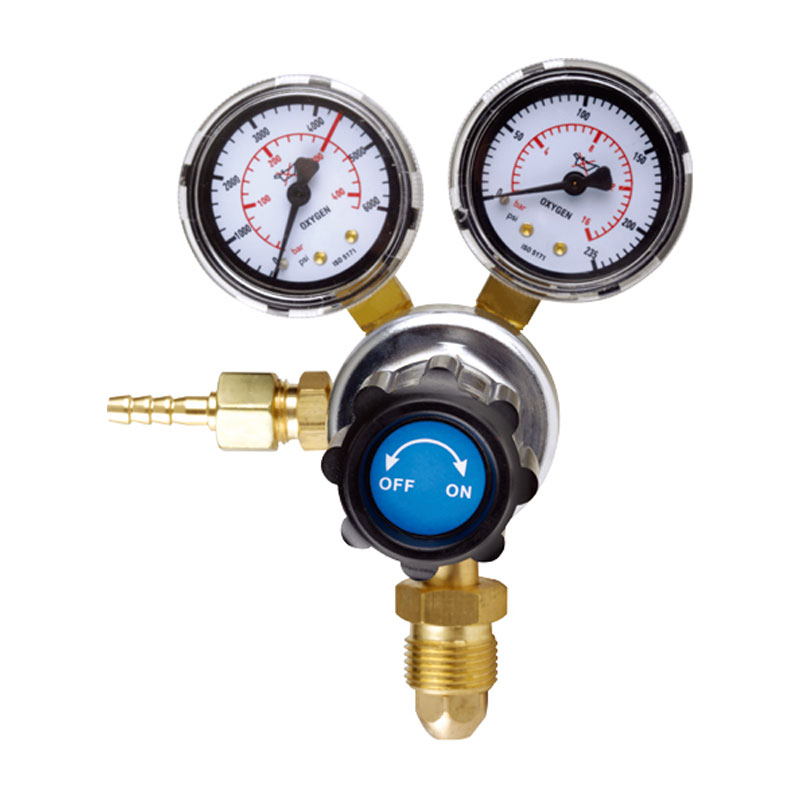
The OR-13 high-pressure precision oxygen regulator is designed specifically for high-pressure applic...
See Details -
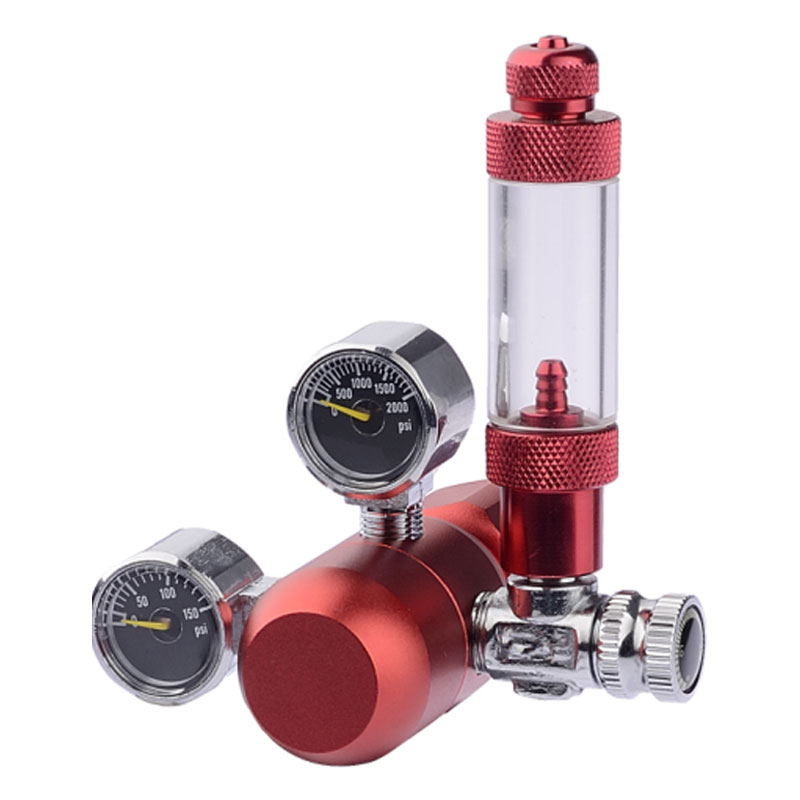
This digital CO2 regulator for aquarium systems provides stable gas support for aquatic plant landsc...
See Details -
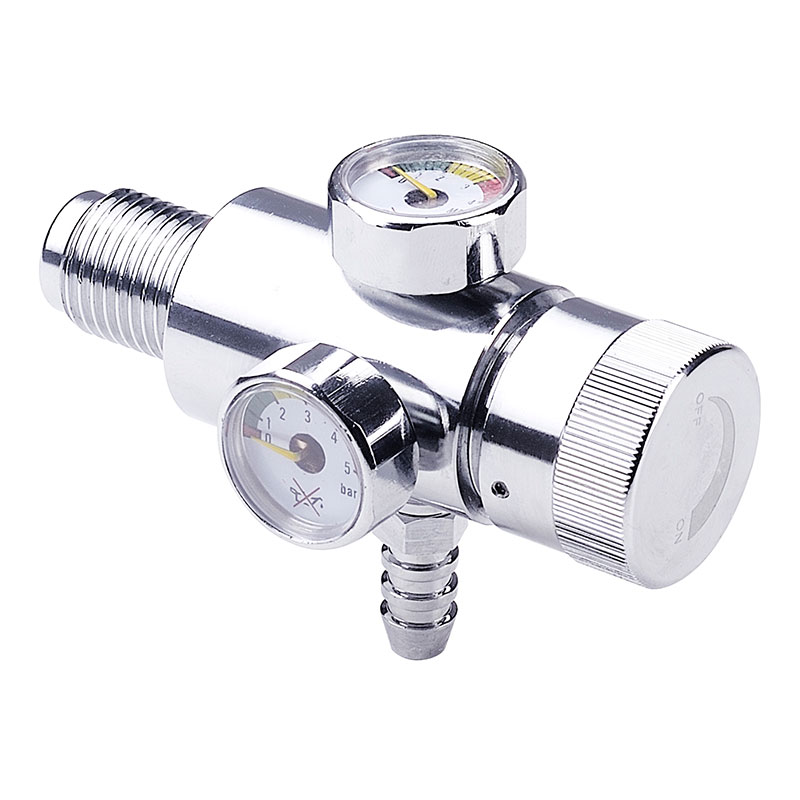
The AR-19 Durable Industrial Acetylene Regulator utilizes a scientifically designed gas path to achi...
See Details -
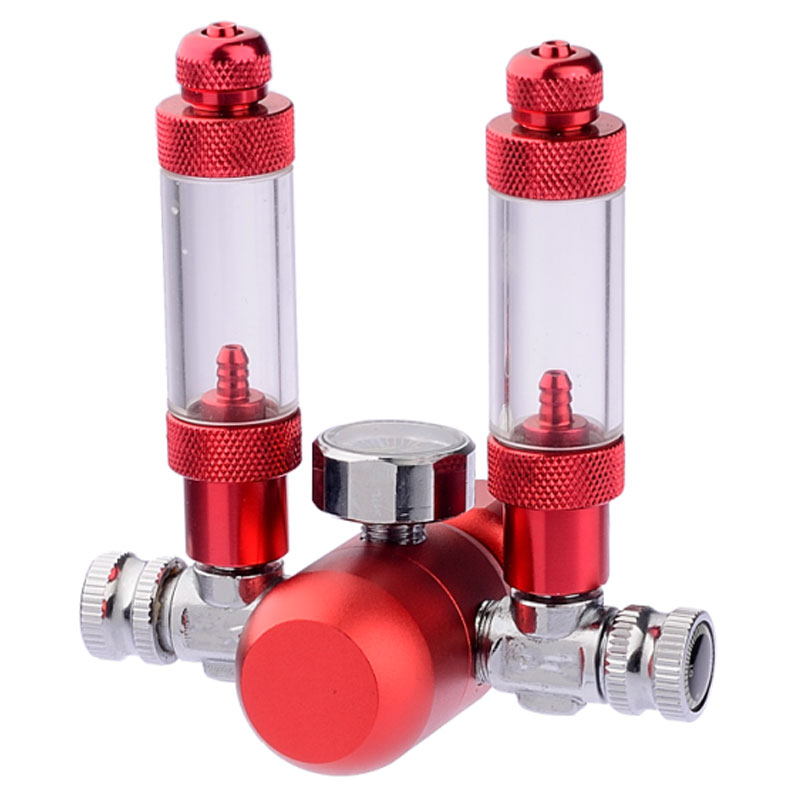
This environmentally friendly dual-gauge CO2 aquarium pressure regulator is designed for aquatic pla...
See Details -
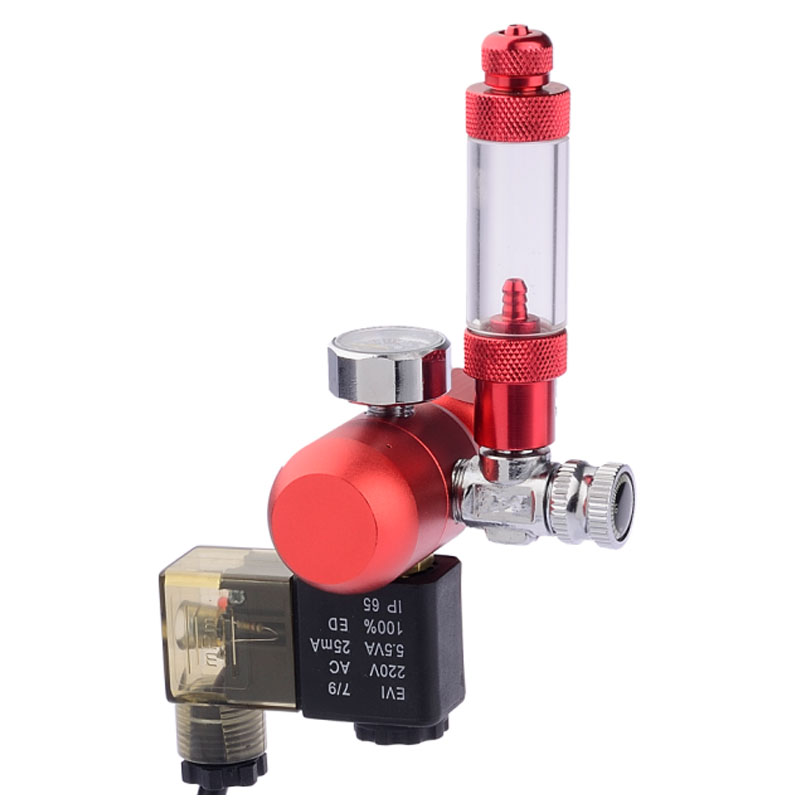
Aquarium CO2 Regulator's precision adjustment design provides accurate CO2 volume at LP 150 PSI / HP...
See Details

- PRODUCTS
- Pressure Regulator for Welding and Cutting
- Aquarium Pressure Regulator
- Beer and Beverage Pressure Regulator
- Pipeline Pressure Reducer
- CONTACT INFO
-
-
+86-180 6927 8236

-
[email protected]

-
No.1358,Tanjialing West Road, Lanjiang Street,Yuyao, 315400, Zhejiang

-
- MOBILE QR CODE

