

 English
  русский
  Español
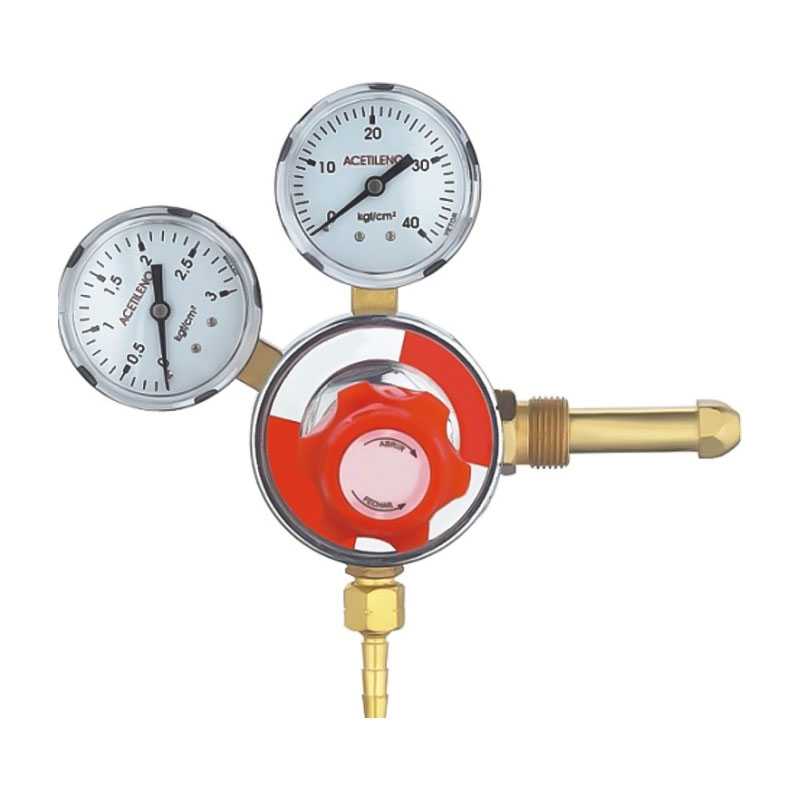
 The AR-59 Precision Acetylene Pressure Regulator is a professional device designed for industrial we...
See DetailsPilot-Operated vs. Direct-Acting: Which Natural Gas Pipeline Pressure Regulator is Best for You?
Industry News-In the complex infrastructure of energy distribution, the Natural Gas Pipeline Pressure Regulator serves as the critical interface between high-pressure transmission lines and end-user safety. Choosing between a Pilot-Operated and a Direct-Acting regulator is not merely a technical preference; it is a strategic decision that affects the Operational Efficiency, Safety Compliance, and Life-cycle Costs of your entire gas station.
The Fundamental Role of Pressure Regulation
The primary objective of any pipeline regulator is to maintain a constant downstream pressure despite fluctuations in upstream inlet pressure or changes in downstream flow demand. However, as pipelines scale in complexity, the “one-size-fits-all” approach fails. Engineers must weigh the mechanical simplicity of direct-acting models against the sophisticated, high-precision performance of pilot-operated systems. Understanding the nuances of Gas Pressure Control is essential for minimizing “Unaccounted for Gas” (UFG) and ensuring the integrity of the distribution network.
Navigating Search Intent for Industrial Procurement
When professionals search for “Natural Gas Pipeline Pressure Regulator,” they are typically looking for solutions to specific pain points: reducing Pressure Droop, handling High Flow Capacities, or ensuring Over-pressure Protection (OPP). By analyzing the structural differences between these two types, this guide provides the clarity needed to satisfy both procurement requirements and engineering standards.
Strategic Comparison: Technical Specifications and Performance
To provide a clear roadmap for your technical team, the following table compares the essential parameters of these two regulator technologies:
| Feature | Direct-Acting Regulator | Pilot-Operated Regulator |
|---|---|---|
| Accuracy (Droop) | Higher Droop (10% - 20%) | Extremely Low Droop (< 1%) |
| Response Speed | Instantaneous / High Speed | Moderate to Fast |
| Max Inlet Pressure | Typically up to 150-300 PSI | High Pressure (Up to 1400+ PSI) |
| Flow Capacity | Low to Medium | High to Extra-High |
| Complexity | Low (Internal Spring/Diaphragm) | High (Pilot, External Tubing) |
| Primary Application | Residential/Commercial Taps | City Gates/Industrial Feeders |
The Advantages of Direct-Acting Regulators: Reliability and Simplicity
Robust Design for “Dirty” Gas Environments
The Direct-Acting Natural Gas Pipeline Pressure Regulator is celebrated for its “set it and forget it” reliability. In many remote pipeline sections, gas may contain particulates, moisture, or heavy hydrocarbons. Because direct-acting regulators feature a simple mechanical link—where the downstream pressure acts directly against a spring-loaded diaphragm—they have fewer small orifices that could become clogged.
- Mechanical Integrity: With no external pilot or sensing lines to freeze or leak, these units are the preferred choice for rural distribution and farm taps where regular maintenance is logistically challenging.
- Fail-Safe Operation: Their inherent design makes them exceptionally fast at responding to sudden downstream shut-offs, providing an immediate mechanical reaction that protects sensitive downstream equipment.
Cost-Efficiency and Low-Maintenance Lifecycles
From a budgetary perspective, direct-acting regulators offer the lowest Initial Capital Expenditure (CAPEX). For utility companies managing thousands of residential or small commercial drops, the cumulative savings are massive. Furthermore, the maintenance requirements are minimal; often, a periodic visual inspection and an occasional diaphragm check are all that is required to ensure decades of service. This makes them a cornerstone of Cost-Effective Gas Distribution strategies.
The Power of Pilot-Operated Regulators: Precision and High Capacity
Eliminating Pressure Droop for Industrial Stability
The most significant technical advantage of a Pilot-Operated Natural Gas Pipeline Pressure Regulator is its ability to virtually eliminate “Pressure Droop.” In a standard spring-loaded regulator, as the flow increases, the outlet pressure slightly dips. In high-precision industrial applications—such as feeding a Gas Turbine or a large-scale furnace—even a 5% pressure drop can cause equipment malfunction or inefficient combustion.
- High-Gain Control: The pilot acts as a “force amplifier.” It senses even the smallest change in downstream pressure and uses the energy of the high-pressure inlet gas to reposition the main valve. This results in a nearly flat pressure curve across the entire flow range.
- Wide Turn-down Ratios: Pilot-operated valves can accurately control gas flow from a tiny trickle during off-peak hours to massive volumes during peak industrial production, ensuring constant stability.
Advanced Safety and Redundancy Features
For high-pressure transmission lines and city gate stations, safety is paramount. Pilot-operated regulators are often integrated with Slam-Shut Valves or configured in a Worker-Monitor arrangement. This setup ensures that if the primary regulator fails, the secondary “monitor” regulator takes over instantly, preventing catastrophic over-pressurization of the downstream network. This level of sophistication is required to meet modern Pipeline Safety Regulations such as ASME B31.8.
FAQ: Frequently Asked Questions about Pipeline Regulators
Q1: What is the most common cause of regulator failure?
A: In most Natural Gas Pipelines, the primary causes of failure are debris (welding slag or dust) damaging the valve seat and diaphragm fatigue. Using a high-quality filter upstream can extend the life of your regulator by 50% or more.
Q2: How do I calculate the required flow capacity?
A: Flow capacity (often expressed in SCFH or Nm³/h) depends on the inlet pressure, desired outlet pressure, and the specific gravity of the gas. Most manufacturers provide Sizing Software or flow charts to help you match the regulator to your peak load requirements.
Q3: Why is my regulator “hunting” or oscillating?
A: “Hunting” occurs when the regulator is oversized for the application or if the sensing line is placed in an area of high turbulence. Moving the sensing point further downstream or selecting a regulator with a smaller orifice can often resolve this.
References and Standards
- ASME B31.8: Gas Transmission and Distribution Piping Systems – The essential standard for design, installation, and maintenance of gas pipelines.
- AGA (American Gas Association) Report No. 9: Measurement of Gas by Multipath Ultrasonic Meters – Often cited regarding the importance of stable pressure for accurate flow measurement.
- ISO 23555-1: Gas Pressure Regulators for Inlet Pressures up to 10 MPa – The international benchmark for performance testing and safety of industrial gas regulators.
Related products
-
-
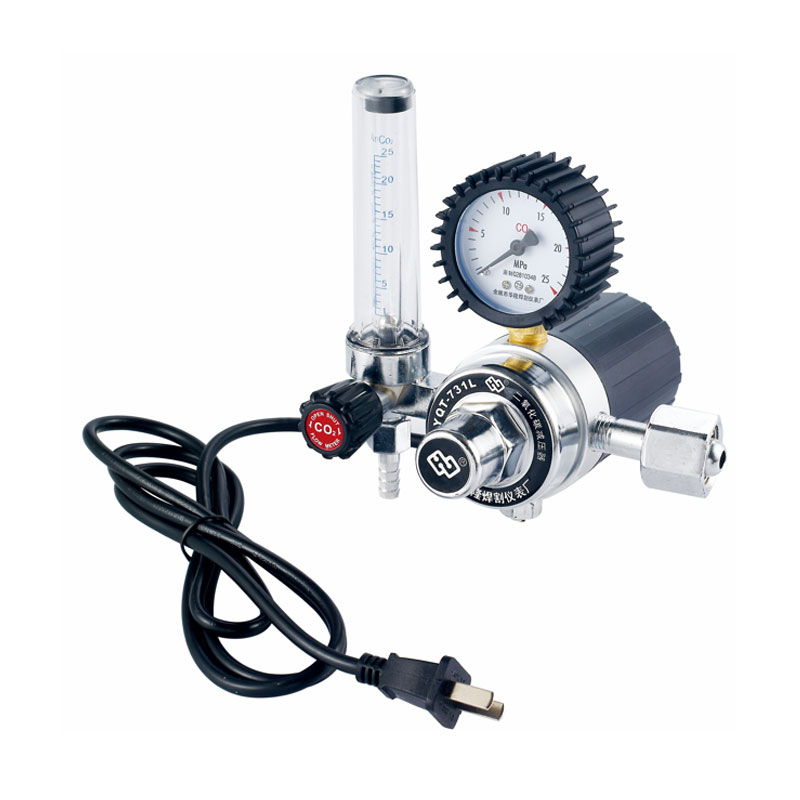
The JTR-01 High-Pressure Precision Carbon Dioxide Regulator is a device designed for applications th...
See Details -
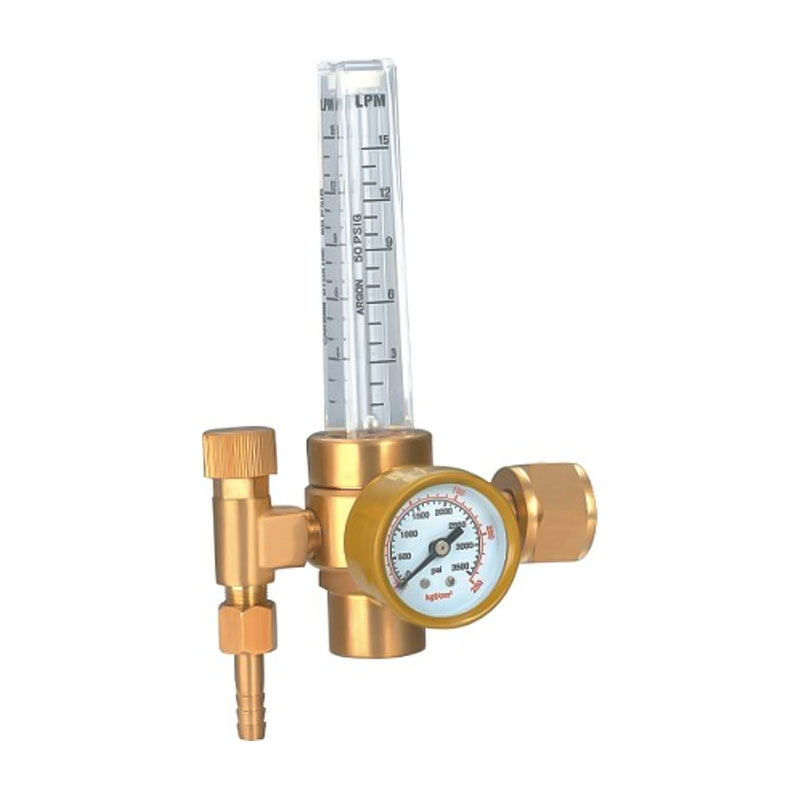
The AR-191T High-Pressure Precision Argon Regulator is a pressure regulation device specifically des...
See Details -
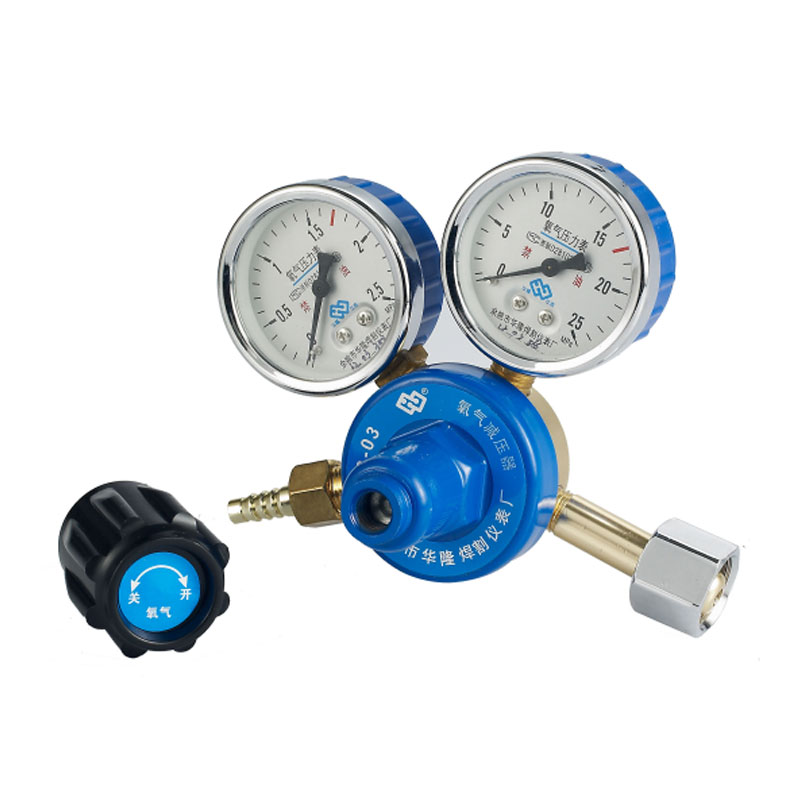
The OR-03 Precision Pressure Management Oxygen Regulator is a professional oxygen pressure reducing ...
See Details -
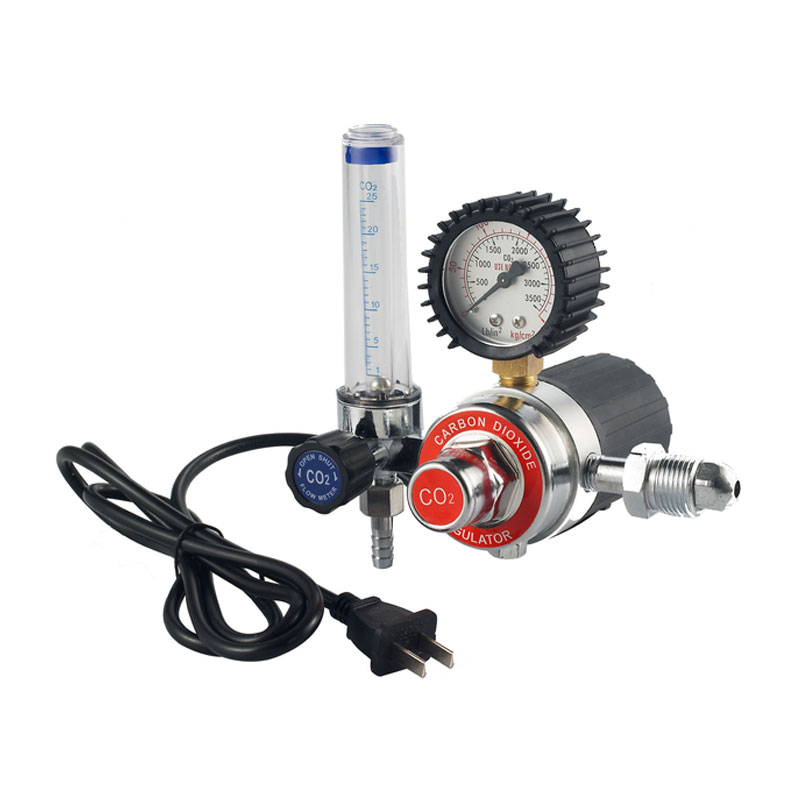
The JTR-01A High-Precision Carbon Dioxide Gas Regulator is designed for professional applications re...
See Details -
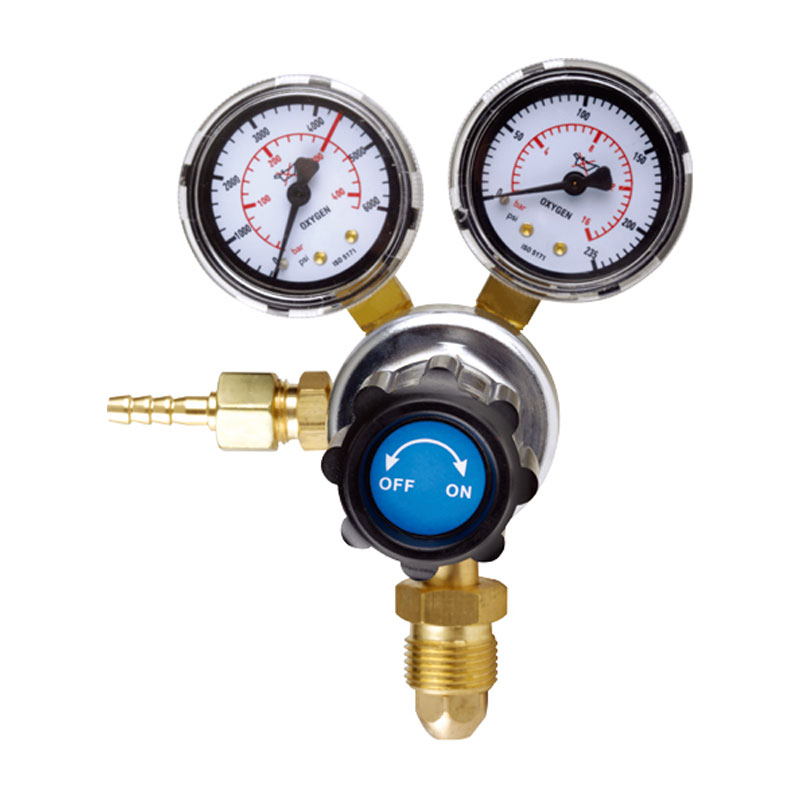
The OR-13 high-pressure precision oxygen regulator is designed specifically for high-pressure applic...
See Details -
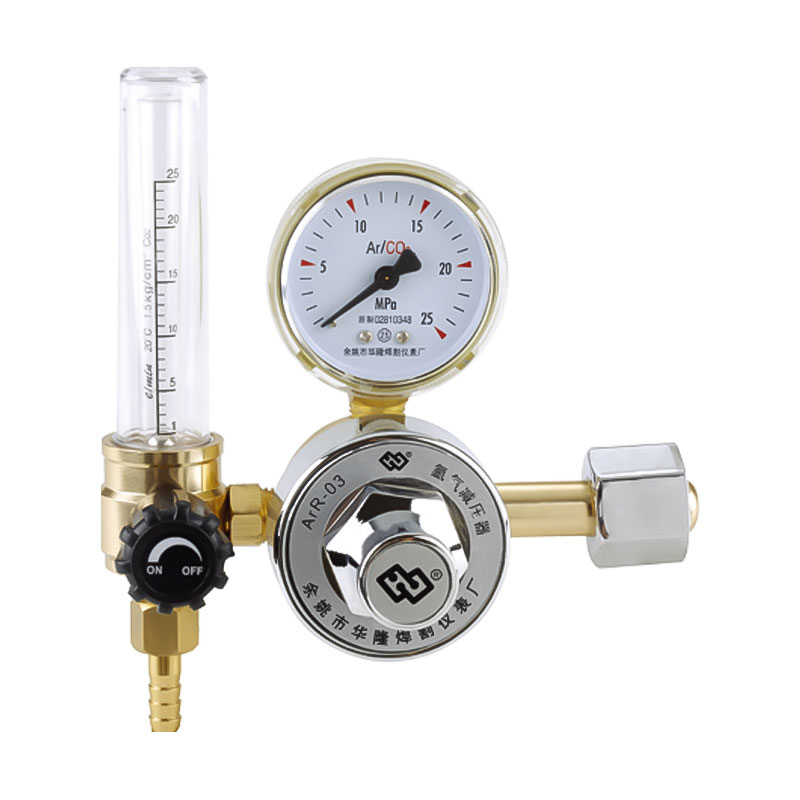
The ArR-02 Industrial Constant-Pressure Argon Regulator is a pressure management device designed for...
See Details -
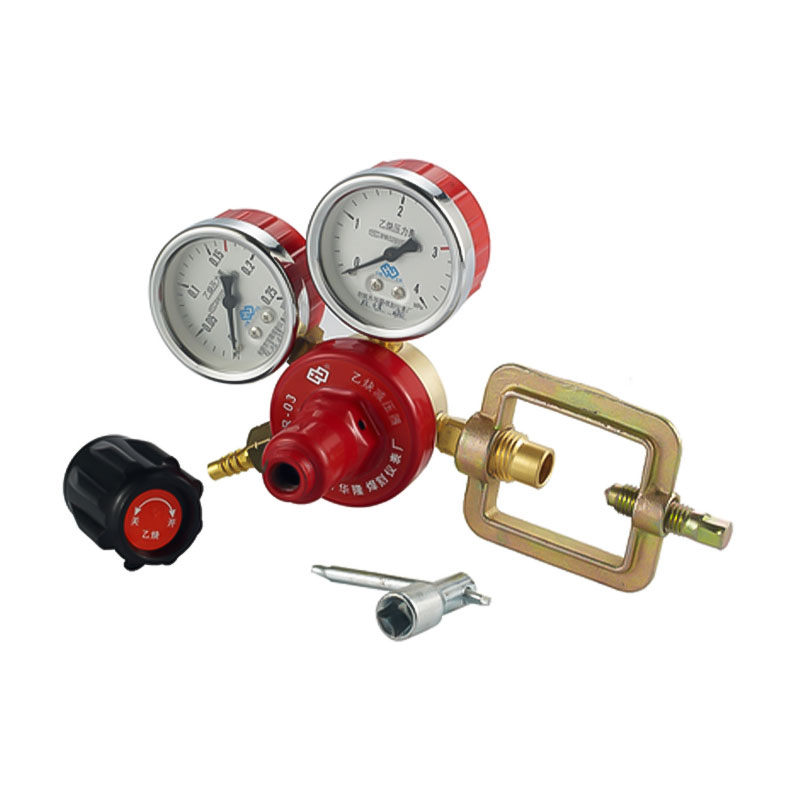
The AR-03 High Precision Acetylene Regulator is a device designed for regulating acetylene gas press...
See Details

- PRODUCTS
- Pressure Regulator for Welding and Cutting
- Aquarium Pressure Regulator
- Beer and Beverage Pressure Regulator
- Pipeline Pressure Reducer
- CONTACT INFO
-
-
+86-180 6927 8236

-
[email protected]

-
No.1358,Tanjialing West Road, Lanjiang Street,Yuyao, 315400, Zhejiang

-
- MOBILE QR CODE

