

 English
  русский
  Español
 The OR-16 high-performance continuous supply oxygen pressure regulator is suitable for a variety of ...
See DetailsIs Your Equipment Safe? How to Maintain an Oxygen Acetylene Regulator for Peak Performance?
Industry News-In the demanding fields of metal fabrication, shipbuilding, and construction, the oxygen acetylene regulator is far more than a simple control knob; it is the primary safety barrier between high-pressure gas cylinders and the operator. These precision instruments are tasked with reducing cylinder pressures—often exceeding 2,000 PSI—to stable, manageable working pressures for cutting and welding torches. Given the volatile nature of acetylene and the combustion-supporting properties of pure oxygen, even a minor mechanical failure can lead to catastrophic workshop accidents. Mastering the art of regulator maintenance is not merely a task for the maintenance department; it is an essential pillar of “Operational Excellence” and workplace safety.
The Mechanical Core: A Deep Dive into the Internal Anatomy of Gas Regulation
To perform effective maintenance, an engineer must move beyond the external gauges and understand the sophisticated “Pressure-Balanced System” inside the regulator body. A gas regulator operates on a continuous feedback loop involving springs, diaphragms, and valve seats. The primary goal is to maintain a constant delivery pressure (P2) even as the cylinder pressure (P1) fluctuates or drops. This mechanical stability is achieved through a delicate equilibrium of forces that must be preserved through regular inspection and precision adjustment.
The Diaphragm and Valve Seat: The Heart of Pressure Control
The most critical component within any oxygen acetylene regulator is the diaphragm. Typically manufactured from high-grade elastomers or reinforced stainless steel, the diaphragm acts as the sensory organ of the regulator. It responds to the tension of the adjustment spring on one side and the force of the gas pressure on the other. When you turn the adjustment knob, you are pre-loading a spring that pushes the diaphragm against a Valve Seat. This seat is a precision-engineered orifice, often fitted with a Kel-F or nylon seal, that regulates the actual flow of gas. Over years of service, these seats can develop “indentations” or microscopic debris buildup. This leads to a dangerous condition known as “Regulator Creep,” where the delivery pressure slowly rises even when the torch valves are closed. During maintenance, inspecting the diaphragm for hairline cracks and ensuring the valve seat is free from particulate matter is the single most important step in preventing equipment failure.
Single-Stage vs. Two-Stage Regulators: Strategic Selection and Maintenance
In industrial procurement, understanding the difference between single-stage and two-stage architecture is vital for both performance and maintenance planning.
- Single-Stage Regulators: These reduce pressure in a single mechanical step. They are robust and cost-effective but suffer from “Supply Pressure Effect,” meaning the delivery pressure will slightly increase as the cylinder empties. Maintenance is simpler, making them ideal for mobile welding rigs.
- Two-Stage Regulators: These are essentially two regulators built into one body. The first stage reduces the cylinder pressure to an intermediate level, while the second stage provides a rock-steady delivery pressure. These are the “Gold Standard” for precision laboratory work and heavy-duty industrial cutting stations. Because they have two diaphragms and two sets of valve seats, the maintenance protocol is more complex but results in a significantly safer and more accurate gas flow. Choosing the right architecture based on your “Duty Cycle” and “Precision Requirements” is a key factor in long-term equipment ROI.
Operational Excellence: Professional Maintenance Protocols and Leak Detection
Maintaining an oxygen acetylene regulator requires more than just mechanical skill; it requires a strict adherence to chemical safety, particularly regarding oxygen compatibility. Oxygen under high pressure can cause materials like oil, grease, or even certain dust particles to ignite spontaneously through a process known as “Adiabatic Compression” or “Heat of Compression.” Therefore, the first rule of regulator maintenance is absolute cleanliness. Operational excellence is achieved by integrating periodic visual checks with rigorous leak detection and functional testing.
The 5-Step Professional Inspection Checklist
To maintain compliance with OSHA and ISO standards, every workshop should implement the following standardized inspection routine:
- Inlet Filter Inspection: Every regulator features a sintered bronze or stainless steel filter at the inlet stem. This is your first line of defense against cylinder scale and debris. If the filter is dark or obstructed, it must be replaced immediately to prevent flow restriction and internal friction.
- External Hardware Audit: Examine the pressure gauges for cracked lenses or “stuck” needles. Check the adjustment knob for smooth travel. A “crunchy” or tight knob often indicates that the internal adjustment spring is corroded or fatigued.
- The Leak Detection Test: Using a certified, oil-free, and non-corrosive leak detection fluid, apply the solution to all threaded connections and the “Bonnet Vent” holes. If bubbles emerge from the vent holes, it is a definitive sign of a ruptured internal diaphragm, and the regulator must be removed from service.
- Static Pressure Test (Creep Test): With the regulator attached to a cylinder and the torch valves closed, set a delivery pressure of 10 PSI. Watch the gauge for 60 seconds. If the needle continues to climb, the internal valve seat is not sealing, indicating a high risk of hose failure or “Flashback.”
- Thread Integrity Check: Inspect the CGA (Compressed Gas Association) inlet threads. Oxygen (CGA 540) uses right-hand threads, while Acetylene (typically CGA 510) uses left-hand, notched threads. Ensure there is no cross-threading, which can lead to high-pressure leaks at the cylinder connection.
The Role of Flashback Arrestors and Check Valves
While technically separate from the regulator body, Flashback Arrestors are indispensable safety partners that must be inspected during regulator maintenance. A flashback is a flame that travels at supersonic speeds back through the hoses. A high-quality arrestor contains a flame-extinguishing sintered element and a thermal cut-off valve. During your annual regulator audit, ensure the arrestors are not restricted by carbon soot. A clogged arrestor forces the operator to increase the regulator pressure to compensate, which places unnecessary stress on the regulator’s internal diaphragm and significantly reduces its lifespan. Integrating these components into a holistic “Gas Delivery Audit” ensures that your entire system meets the highest safety benchmarks.
Technical Comparison: Oxygen vs. Acetylene Regulator Requirements
Proper maintenance requires recognizing the distinct technical specifications of the two regulators. Using parts or lubricants intended for fuel gas on an oxygen regulator can be fatal.
| Technical Feature | Oxygen Regulator (CGA 540) | Acetylene Regulator (CGA 510) |
|---|---|---|
| Max Inlet Pressure | 3,000 PSI | 400 PSI |
| Max Working Pressure | 100 - 200 PSI | 15 PSI (Safety Red Zone) |
| Thread Direction | Right-Hand (Standard) | Left-Hand (Notched Nut) |
| Internal Seal Material | Oxygen-Compatible Elastomers | Fuel-Gas Resistant Polymers |
| Primary Safety Risk | Spontaneous Combustion / Oil Contamination | Chemical Instability / Decomposition |
| Critical Maintenance Sign | Gauge “Creep” / Needle Jitter | Hissing / Acetone Odor |
Frequently Asked Questions (FAQ)
Why is the 15 PSI limit on Acetylene so critical?
Acetylene is an unstable gas. When compressed above 15 PSI in its free state, it can undergo a self-decomposition reaction that leads to an explosion even without oxygen. Regulators are specifically designed to limit delivery to this safety threshold.
Can I use a regulator for a different gas if I change the fittings?
Technically, no. Regulators are cleaned and degreased specifically for their intended gas. For example, an oxygen regulator is “Oxygen Cleaned” to remove all hydrocarbons. Using a regulator that once held fuel gas for oxygen can lead to a violent internal fire.
How often should my regulators be professionally overhauled?
While daily and monthly visual inspections are vital, most manufacturers and safety standards (like CGA E-4) recommend a professional overhaul or replacement every 5 years to replace aged elastomers and springs.
Technical References and Standards
- CGA E-4: Standard for Gas Regulators for Welding and Cutting.
- ISO 2503: Gas welding equipment — Pressure regulators and pressure regulators with flow-metering devices.
- ANSI Z49.1: Safety in Welding, Cutting, and Allied Processes.
- OSHA 1910.253: Oxygen-fuel gas welding and cutting safety regulations.
Related products
-
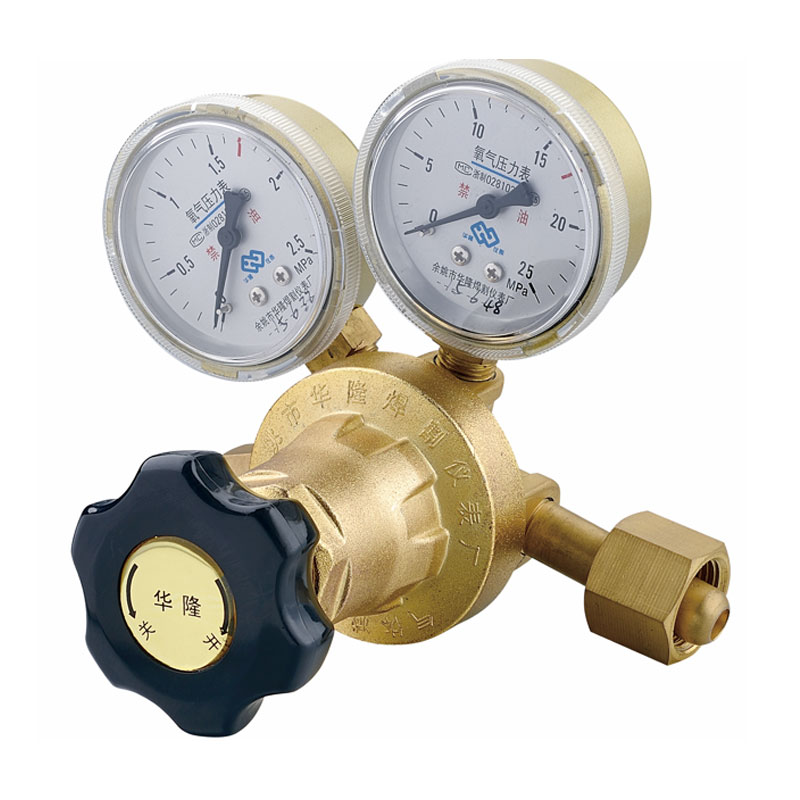
-
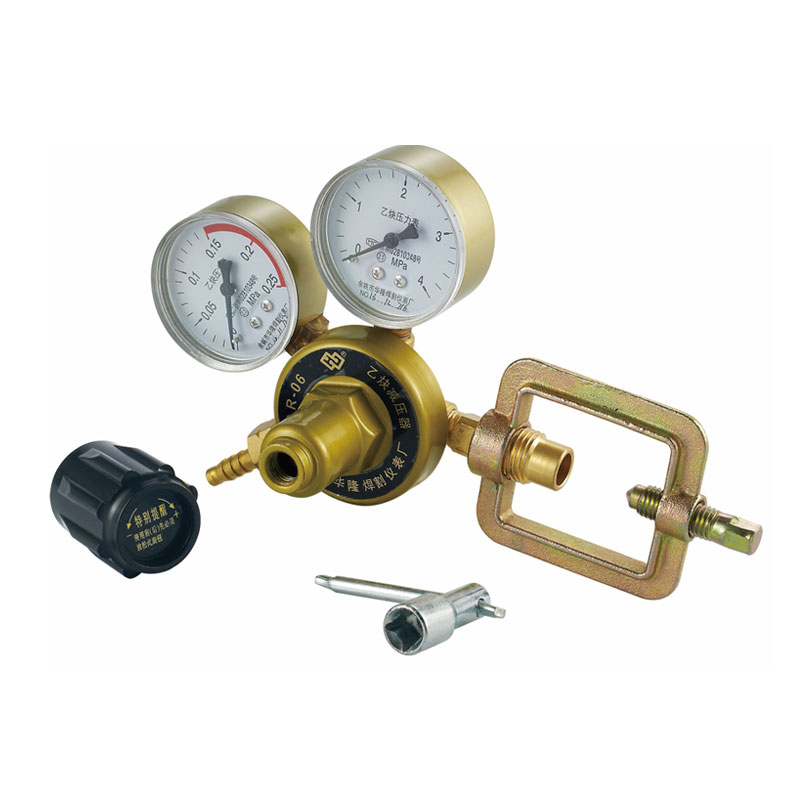
AR-06 High-Performance Acetylene Regulator is designed as a pressure control device for industrial w...
See Details -
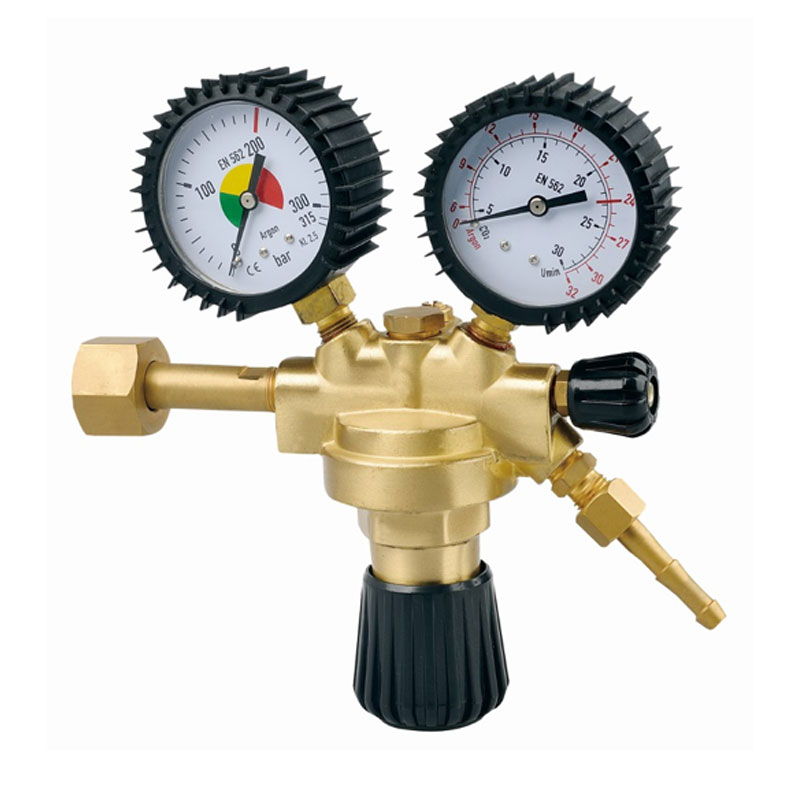
The TR-07 High-Performance Carbon Dioxide Regulator provides a reliable and steady gas pressure cont...
See Details -
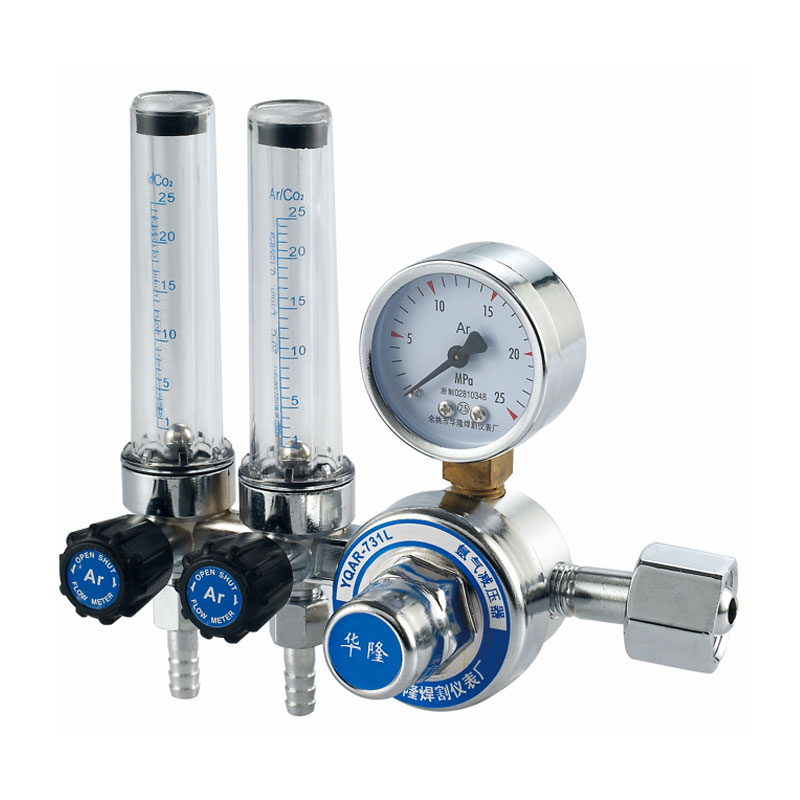
The ArR-01-2 High-Performance Argon Regulator is a pressure management device designed for precision...
See Details -
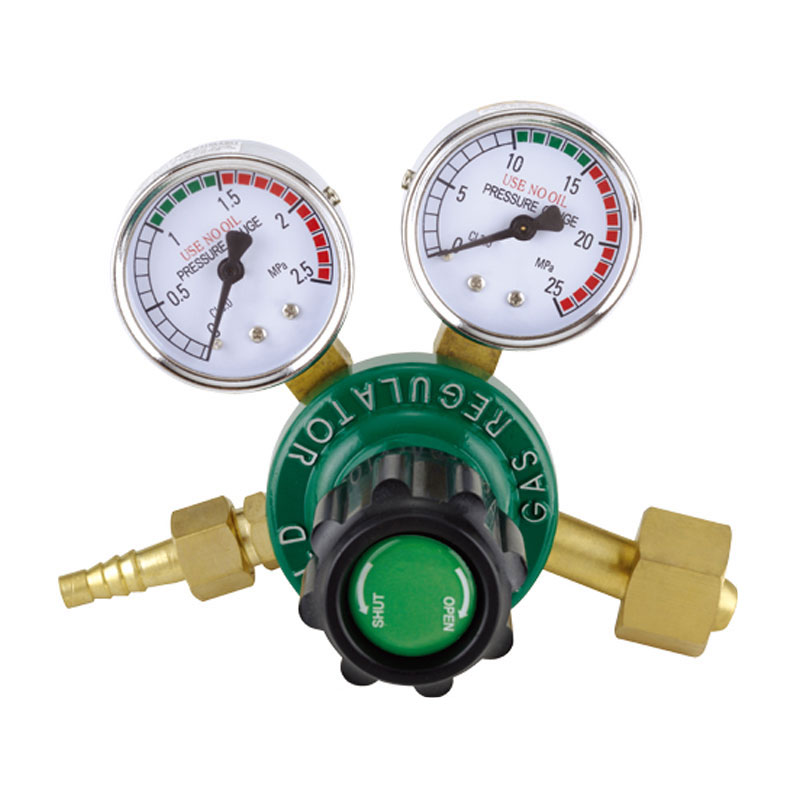
The OR-09 Customizable Pressure and Interface Oxygen Pressure Reducing Controller is designed for pr...
See Details -
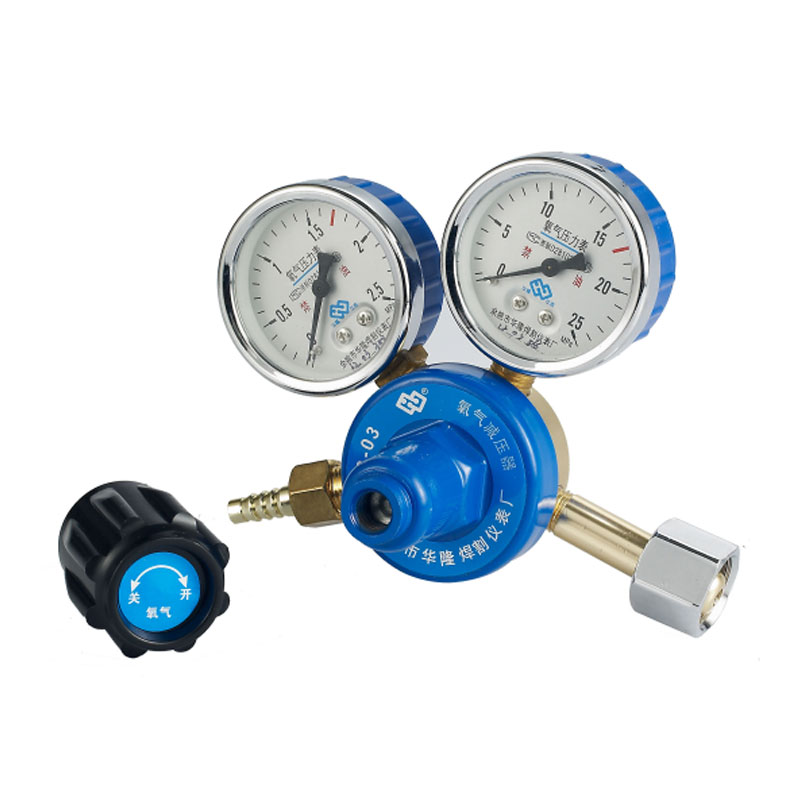
The OR-03 Precision Pressure Management Oxygen Regulator is a professional oxygen pressure reducing ...
See Details -
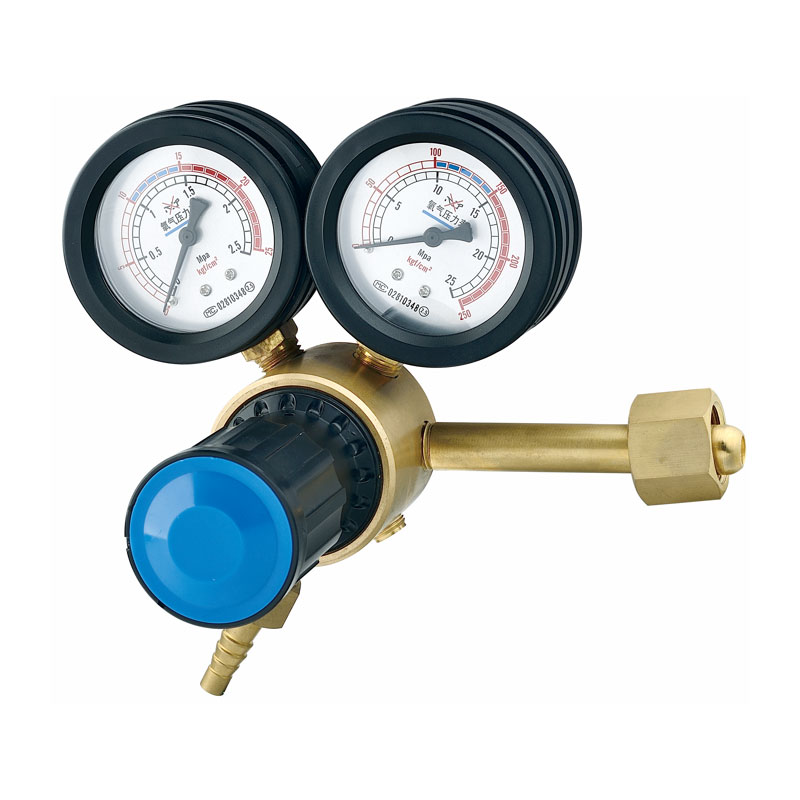
The OR-17 Multi-Function Oxygen Safety Regulator is a professional device designed for industrial an...
See Details -
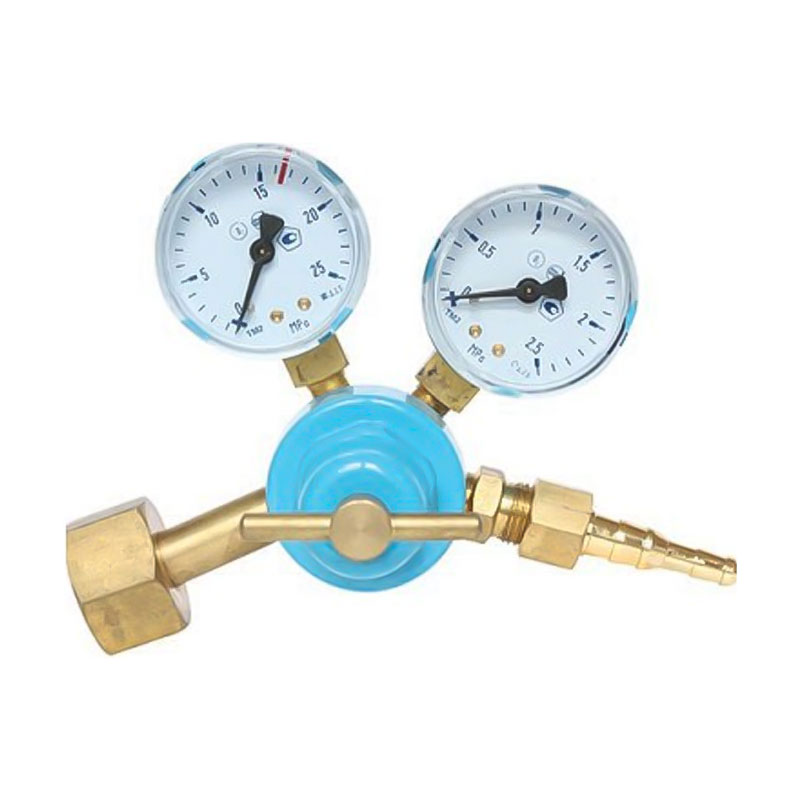
The OR-57 High-Safety Multifunctional Oxygen Regulator effectively reduces and regulates cylinder pr...
See Details

- PRODUCTS
- Pressure Regulator for Welding and Cutting
- Aquarium Pressure Regulator
- Beer and Beverage Pressure Regulator
- Pipeline Pressure Reducer
- CONTACT INFO
-
-
+86-180 6927 8236

-
[email protected]

-
No.1358,Tanjialing West Road, Lanjiang Street,Yuyao, 315400, Zhejiang

-
- MOBILE QR CODE

