

 English
  русский
  Español
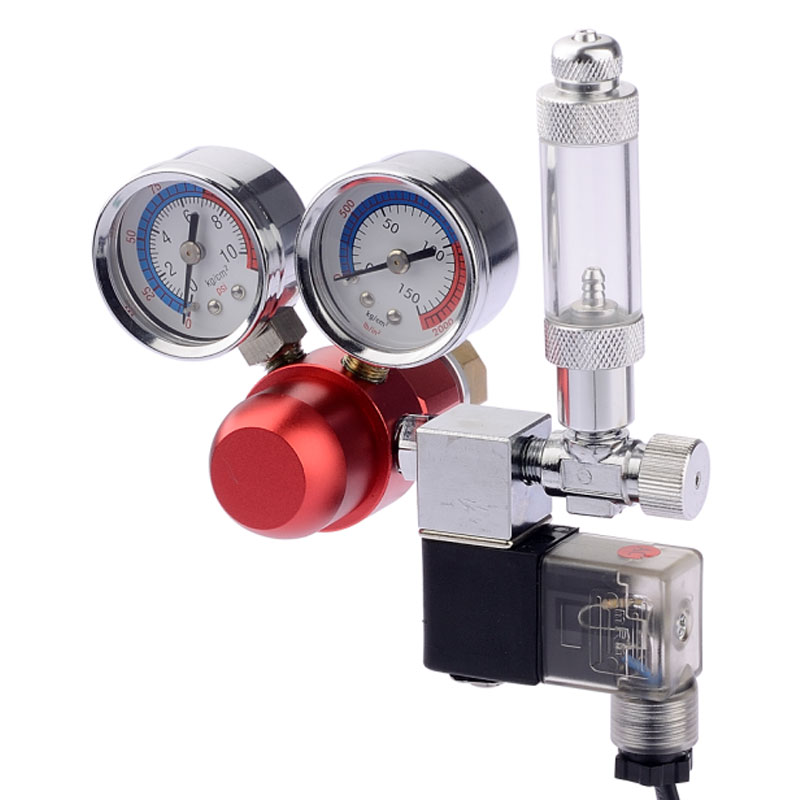
 This aquarium CO2 regulator with dual pressure gauges and single bubble counter is designed specific...
See DetailsWhat Are the Key Features to Look for in an Aquarium Pressure Regulator?
Industry News-Maintaining a healthy aquarium ecosystem, especially in planted or reef tanks, requires precise control of CO₂ or gas supply. An aquarium pressure regulator is a critical component in this system, ensuring gas is delivered at a stable, safe pressure to your aquarium. Choosing the right pressure regulator can significantly improve plant growth, fish health, and system efficiency.
Not all regulators are created equal. Understanding the key features and specifications helps aquarists, retailers, and aquarium businesses select the right product for reliable, long-term use.
Accurate Pressure Control
The primary function of an aquarium pressure regulator is to maintain a consistent gas output pressure, regardless of fluctuations in the source cylinder. Key aspects include:
- Fine-tuning capability: Allows precise adjustment of output pressure for different tank sizes or CO₂ requirements.
- Stable pressure output: Prevents sudden spikes that could harm fish or plants.
- High-resolution gauges: Digital or mechanical gauges provide clear, accurate readings.
Accurate pressure control ensures the CO₂ is evenly distributed across the tank and reduces risks such as CO₂ overdose, gas wastage, or inefficient plant photosynthesis.
Build Quality and Material Durability
Aquarium environments can be humid and occasionally corrosive due to mist, water splashes, or acidic CO₂. Therefore, the construction quality of a pressure regulator is crucial:
- Brass or stainless steel body: Resistant to corrosion and long-lasting.
- High-quality seals and diaphragms: Ensure leak-free operation under continuous pressure.
- Protective coatings: Enhance durability and lifespan.
Choosing a well-built regulator reduces maintenance needs and ensures reliable performance over years of aquarium operation.
Flow Adjustment and Output Capacity
Different aquarium setups require different CO₂ flow rates. Important features in this area include:
- Needle valve or flow control: Enables precise regulation of bubbles per second (BPS) in planted tanks.
- High flow capacity: Necessary for large tanks or multiple outlets.
- Dual-stage adjustment: Provides stability even as the cylinder pressure decreases.
Proper flow adjustment helps maximize CO₂ efficiency, prevent wastage, and maintain healthy plant and fish environments.
Safety Features
Safety is paramount when dealing with pressurized gas systems. A good aquarium pressure regulator includes:
- Overpressure protection: Prevents accidental surges that could damage aquarium equipment or stress fish.
- Pressure relief valve: Releases excess gas safely if the regulator or cylinder malfunctions.
- Leak-proof design: Reduces the risk of CO₂ escaping into the room.
These features protect both your aquatic life and the surrounding environment while ensuring continuous, safe operation.
Ease of Installation and Maintenance
A pressure regulator should be user-friendly for both new and experienced aquarists:
- Standardized cylinder connections: Compatible with CO₂ cylinders or other gas sources.
- Clear instructions and gauges: Simplify setup and adjustment.
- Low maintenance: Quality materials and design reduce the need for frequent repairs.
Ease of use ensures the system runs efficiently and allows users to focus more on aquarium care rather than technical troubleshooting.
Comparing Types of Aquarium Pressure Regulators
| Feature | Single-Stage Regulator | Dual-Stage Regulator | Digital Regulator |
|---|---|---|---|
| Pressure Stability | Moderate | High | Very High |
| Flow Adjustment | Manual needle valve | Manual, precise | Digital control, programmable |
| Cylinder Pressure Fluctuation | More affected | Less affected | Minimal effect |
| Safety Features | Standard | Enhanced | Advanced alarms & monitoring |
| Cost | Low | Medium | High |
From this table, aquarists can see how dual-stage and digital regulators provide superior stability and control, while single-stage units are suitable for small or simple setups.
Additional Features to Consider
- Compatibility with CO₂ solenoids: Integrates with timers or automated systems.
- Gauge readability: Large, clear dials or digital displays for easy monitoring.
- Compact design: Saves space in aquarium setups with multiple devices.
- Warranty and manufacturer support: Ensures long-term reliability and service.
Selecting a regulator with these additional features can further enhance operational convenience and efficiency.
FAQ – Aquarium Pressure Regulator Features
Q1: Can a single-stage regulator work for large planted tanks?
Yes, but dual-stage regulators provide more stable output and are recommended for large or sensitive setups.
Q2: How often should a pressure regulator be checked?
Regular inspections monthly, checking for leaks, gauge accuracy, and smooth operation, ensure reliable performance.
Q3: Are digital regulators better than mechanical ones?
Digital regulators offer more precise control, alarms, and programmability, but mechanical regulators are reliable and cost-effective for smaller tanks.
Q4: Can I install a regulator myself?
Yes, most aquarium regulators are designed for DIY installation with clear instructions, but always follow safety guidelines.
References
- Aquarium Co-Op – Choosing the Right CO₂ Regulator for Planted Tanks
- International Journal of Aquatic Science – CO₂ Control Systems in Aquatic Plant Growth
- Fishkeeping World – Pressure Regulators: Safety and Efficiency in Aquariums
Related products
-
-
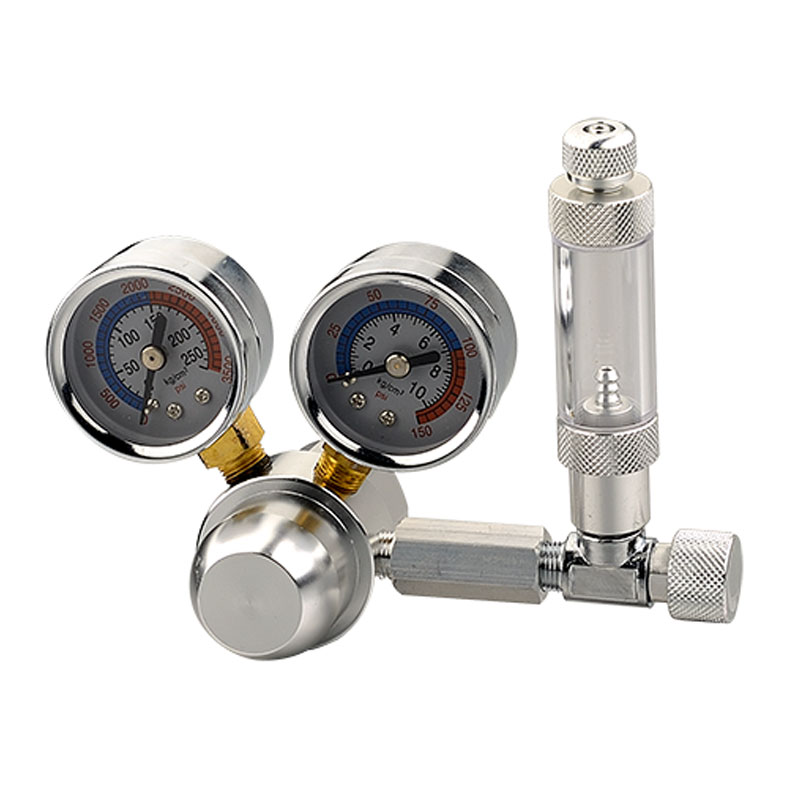
This compact CO2 regulator for aquarium plants is designed specifically for aquatic plant hobbyists ...
See Details -
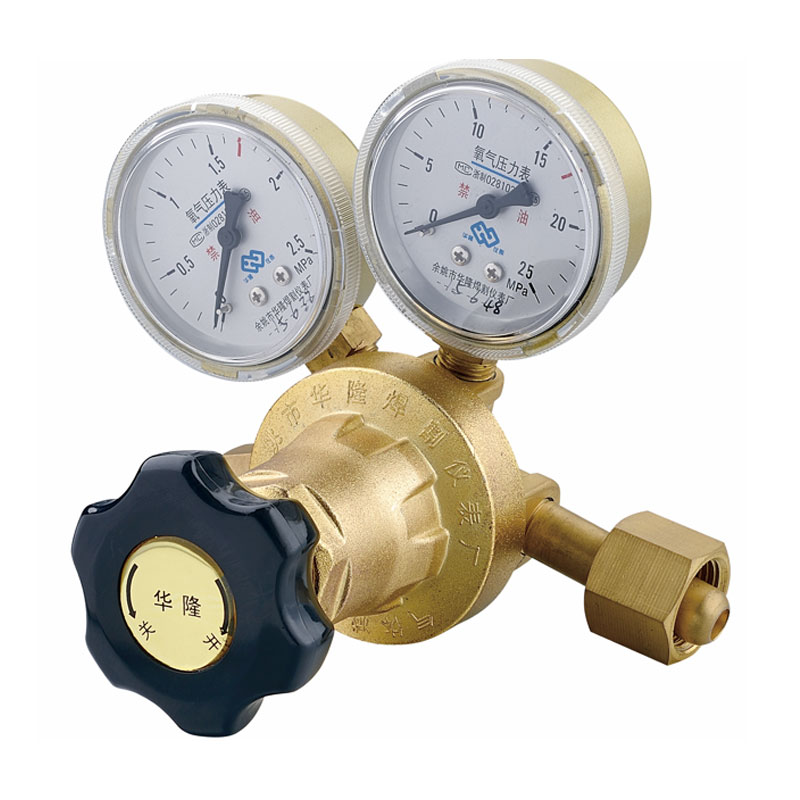
The OR-16 high-performance continuous supply oxygen pressure regulator is suitable for a variety of ...
See Details -
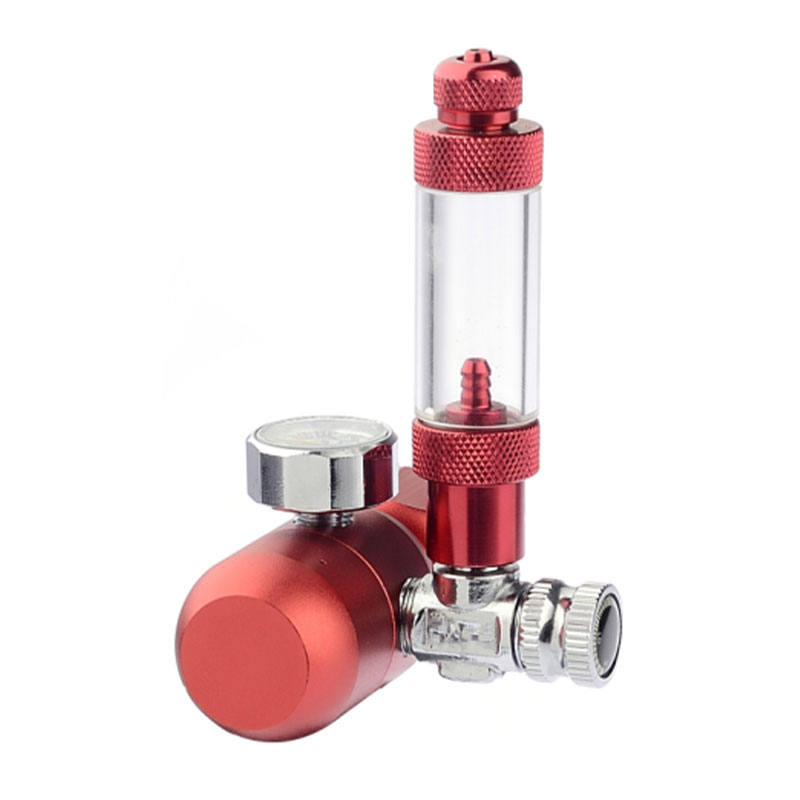
This aquarium plant CO2 pressure regulator is designed for aquatic plant landscaping and aquarium sy...
See Details -
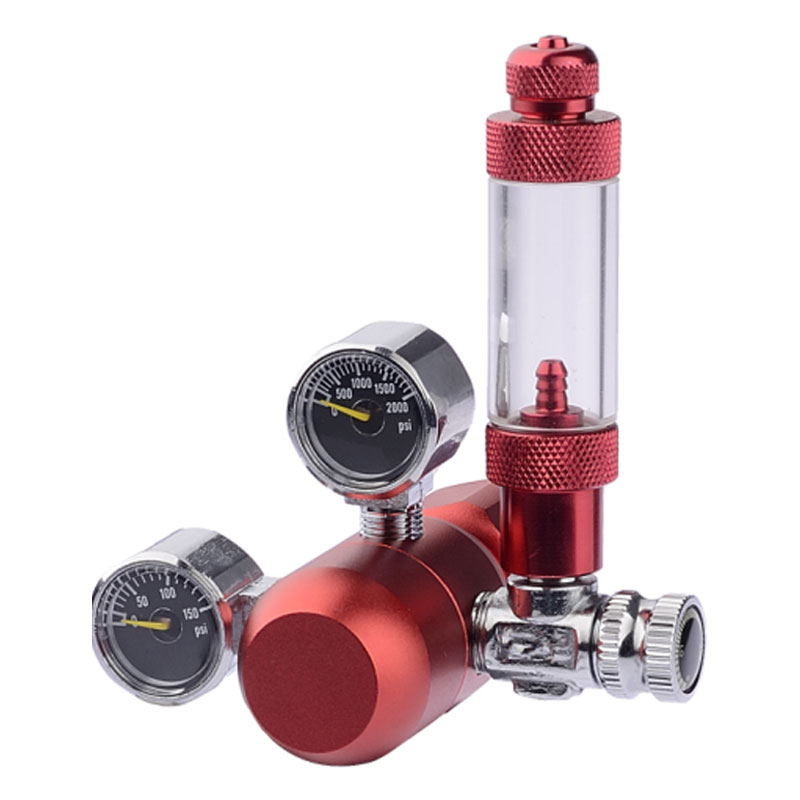
This digital CO2 regulator for aquarium systems provides stable gas support for aquatic plant landsc...
See Details -
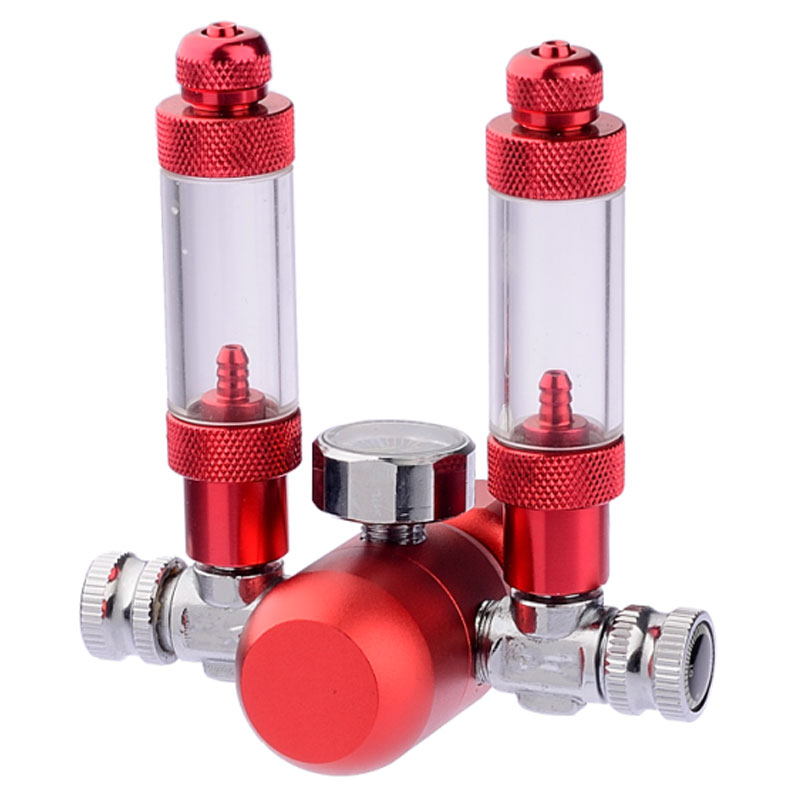
This environmentally friendly dual-gauge CO2 aquarium pressure regulator is designed for aquatic pla...
See Details -
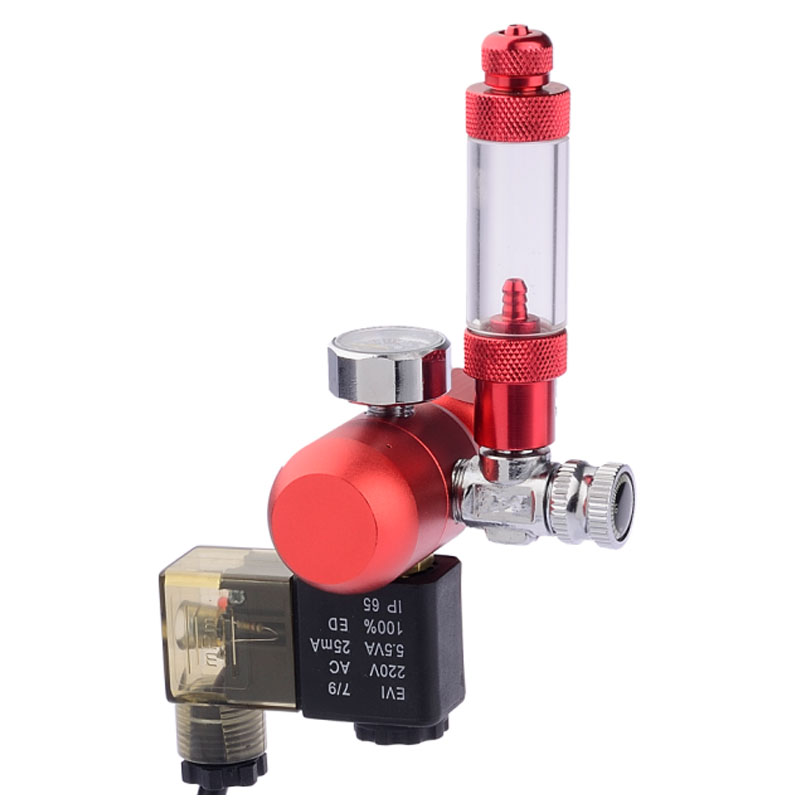
Aquarium CO2 Regulator's precision adjustment design provides accurate CO2 volume at LP 150 PSI / HP...
See Details -
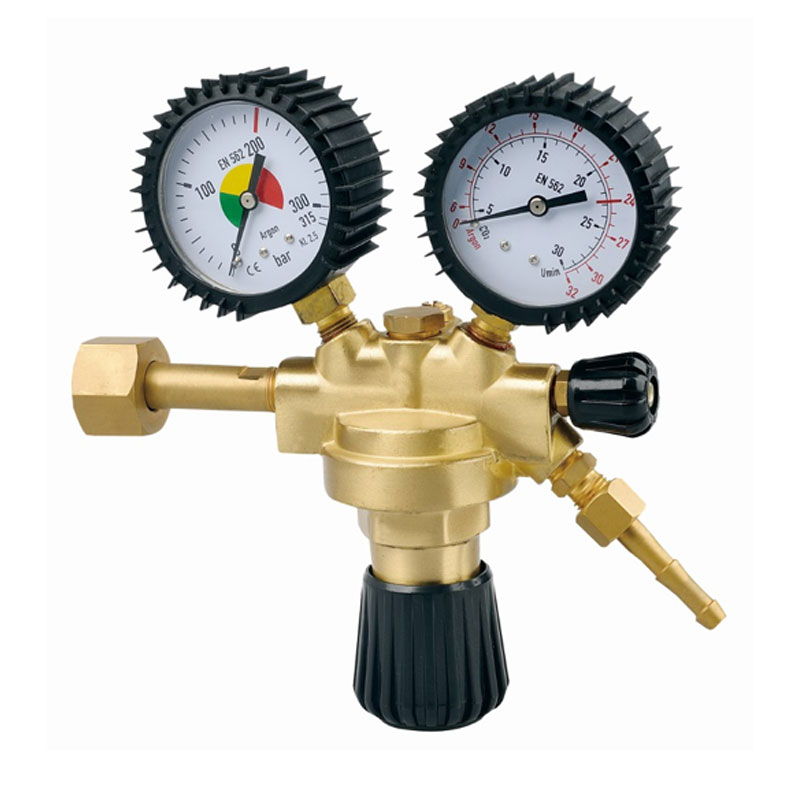
The TR-07 High-Performance Carbon Dioxide Regulator provides a reliable and steady gas pressure cont...
See Details

- PRODUCTS
- Pressure Regulator for Welding and Cutting
- Aquarium Pressure Regulator
- Beer and Beverage Pressure Regulator
- Pipeline Pressure Reducer
- CONTACT INFO
-
-
+86-180 6927 8236

-
[email protected]

-
No.1358,Tanjialing West Road, Lanjiang Street,Yuyao, 315400, Zhejiang

-
- MOBILE QR CODE

