

 English
  русский
  Español
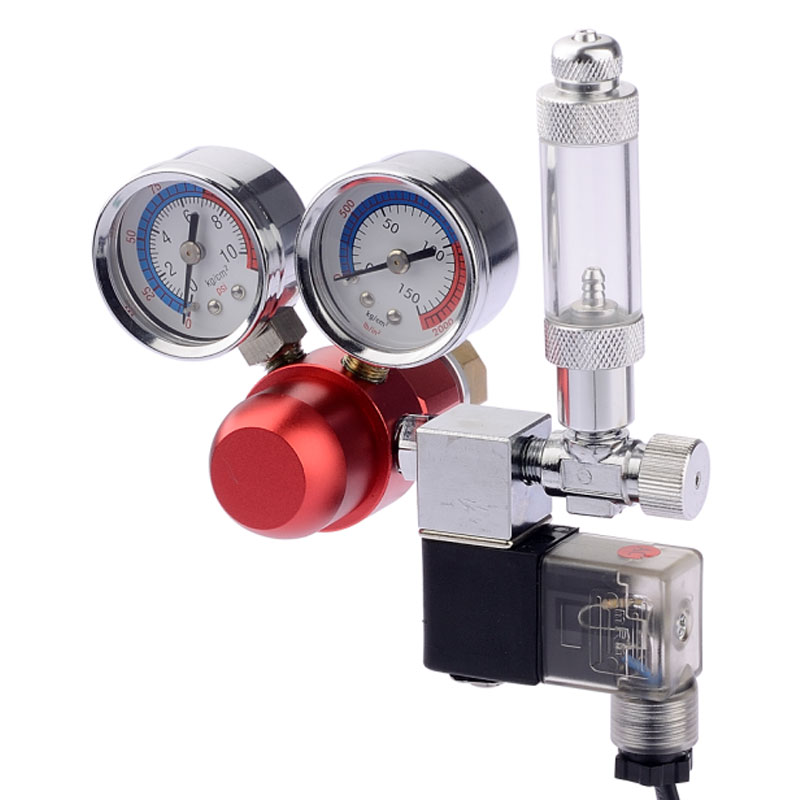
 This aquarium CO2 regulator with dual pressure gauges and single bubble counter is designed specific...
See DetailsHow Does an Aquarium Pressure Regulator Differ from Industrial Regulators?
Industry News-1. Purpose and Application Focus
Aquarium Pressure Regulators are specialized devices created for home and hobby environments where CO₂ must be delivered to a glass tank in an extremely gentle and predictable manner. The primary goal of a planted aquarium is to maintain a stable concentration of carbon dioxide so that aquatic vegetation can perform photosynthesis efficiently without placing livestock at risk. Therefore, the engineering philosophy behind an aquarium regulator centers on biological balance rather than mechanical output. Manufacturers design these regulators to cooperate with accessories such as bubble counters, diffusers, and miniature needle valves. Every component is intended to help the aquarist adjust the gas supply by bubbles per second, a unit that reflects how living systems respond.
Industrial regulators, on the other hand, are conceived for factories, workshops, and infrastructure projects. Their purpose is to feed machines that consume large volumes of gas—cutting torches, pneumatic cylinders, or chemical reactors. The application focus is process efficiency and worker safety. These regulators must handle many kinds of gases including oxygen, acetylene, nitrogen, argon, or mixed fuels. They are expected to work continuously for long shifts, sometimes 24 hours a day. An industrial regulator is judged by how well it supports productivity, resists contamination, and conforms to national codes.
Because of these different intentions, the user experience diverges greatly. The aquarium hobbyist needs a compact instrument that can sit quietly inside a wooden cabinet beneath the tank, operating only a few hours daily through a timer-controlled solenoid. The factory technician requires a robust tool that can survive being dropped onto concrete and still deliver ten cubic meters of gas per hour. In summary, while both types reduce cylinder pressure to usable levels, the aquarium device serves the health of fish and plants, whereas the industrial model serves the power of machines and large systems. This contrast in application focus influences all subsequent differences in flow, range, and structure.
2. Flow Rate and Sensitivity
The flow characteristics of an aquarium pressure regulator are among its most distinguishing traits. A planted tank typically consumes CO₂ in minute quantities; even a 5-kilogram cylinder may last several months. To accommodate this, aquarium regulators are built with diaphragons and springs that respond to very small adjustments. The presence of a needle valve with micro-threading allows the user to change the outlet flow from, for example, 1 bubble per second to 1.2 bubbles per second. Such sensitivity is essential because a sudden increase of only a few milliliters can raise the dissolved CO₂ level sharply, stressing sensitive species like shrimp.
Industrial regulators are tuned for a completely different scale. Welding or pneumatic equipment measures flow in liters or cubic meters per minute, not in bubbles. Sensitivity is sacrificed in favor of stability under high demand. The internal passages are wider, and the adjustment knob changes pressure in large increments. An operator does not care whether the torch receives 9.8 or 10.2 liters; what matters is that the flame remains consistent when the trigger is pressed repeatedly.
Another aspect is the downstream environment. Aquarium systems include soft silicone hoses and delicate glass diffusers; excessive flow would create noise and even blow components apart. Thus the regulator must provide low-flow assurance and often incorporates a fine filter sintered into the inlet stem. Industrial settings involve reinforced rubber hoses and metal piping that can accept aggressive flow and rapid start-stop cycles. Here, the regulator must prevent freeze-up, turbulence, and pressure drop across long lines.
Temperature also affects sensitivity. Aquarium regulators work indoors at room temperature with little variation, enabling designers to optimize for precision. Industrial regulators may experience winter cold or summer heat; therefore they are designed with compensation features rather than micro control. All these factors explain why aquarium pressure regulators behave like scientific instruments while industrial regulators behave like power control hardware.
3. Pressure Range
Aquarium Pressure Regulators usually display two gauges: one for cylinder pressure and one for working pressure. The working gauge is narrowly scaled around 1–3 bar (15–45 psi) because aquarium accessories function best within this modest range. Planted aquariums require only enough pressure to push gas through a porous ceramic disc into water. High pressure would not improve plant growth; instead it could produce dangerous CO₂ overdosing. For this reason, aquarium regulators emphasize a gentle reduction from roughly 50–60 bar cylinder pressure to a biologically suitable level.
Industrial regulators must accommodate diverse equipment needs. A pneumatic production line may require 6 bar, while a cutting process may need 10 bar or more. Consequently, the gauges are broadly scaled and the bodies rated for high inlet pressures up to 200 bar. These regulators are not concerned with bubbles but with mechanical energy transmission. The wide pressure range allows one regulator design to be reused across many industrial fields.
| Feature | Aquarium Pressure Regulator | Industrial Regulators |
|---|---|---|
| Typical Outlet | 1–3 bar | 5–10+ bar |
| Flow Unit | bubbles/sec | liters/min |
| Environment | home cabinet | workshops/outdoors |
| Main Gas | CO₂ | multi-gas |
4. Materials and Construction
The construction of an aquarium pressure regulator is compact and refined. Most hobby models use nickel-plated brass or anodized aluminum to achieve a clean appearance that matches wooden furniture. The diaphragms are thin elastomer sheets optimized for CO₂ compatibility, and the adjustment knob is small to permit delicate handling by non-professionals. Designers assume the regulator will be placed near wood cabinets and living rooms; therefore quietness and aesthetics matter. The inlet connector is often a CGA or DIN style suited for small cylinders sold to consumers.
Industrial regulators, in contrast, are built like mechanical tools. They employ forged brass or stainless steel, thick bodies, and protective cages. The diaphragms are reinforced to resist many gases and contaminants. The adjustment knob is large with rubber guards so that a gloved worker can turn it quickly. The construction must tolerate vibration from nearby machines, dust from metal grinding, and occasional impacts. Certification requirements oblige manufacturers to test every industrial regulator for material strength, leakage, and fire safety. Compatibility with reinforced rubber welding hoses—sometimes laid across rough floors—shapes the rugged design.
Aquarium regulators integrate several miniature parts externally: bubble counters, solenoids, check valves, all connected with soft silicone or PVC hoses that run along wooden cabinets beneath the tank. Industrial regulators integrate most functions internally and connect directly to heavy piping or reinforced rubber lines. The difference in material thickness and construction philosophy explains the size and weight contrast. Aquarium pressure regulators are light indoor scientific devices, while industrial regulators are heavy-duty hardware intended for demanding commercial life. The word “wood” often appears around aquarium installations because the regulator lives inside a wooden stand; industrial regulators rarely consider such surroundings.
Another structural distinction is stage design. Many aquarium systems prefer dual-stage bodies to eliminate end-of-tank dump, requiring precise machining of small passages. Industrial regulators may be single stage because high-flow equipment already absorbs fluctuations. Thus, materials and construction are not merely cosmetic; they reflect how each regulator cooperates with its downstream world—porous diffusers versus welding torches—and how safely it can be mounted near wood cabinets or industrial steel frames.
5. Safety Features
Safety in an aquarium CO₂ system revolves around the wellbeing of livestock. Aquarium Pressure Regulators often include a check valve to stop water from being siphoned back into the body when the cylinder empties. Many hobbyists mount a solenoid valve controlled by a timer so that CO₂ is injected only during daylight photosynthesis hours. The regulator’s adjustment mechanism is intentionally slow; turning the knob does not create instant surges. These features aim to prevent CO₂ poisoning of fish, especially in small glass tanks housed within wooden stands.
Industrial regulators address safety from a workplace perspective. Industrial Regulators must comply with CE, UL, and ISO standards and integrate over-pressure relief valves. They are designed to prevent fires, explosions, and hose rupture. The materials are chosen to be compatible with oxygen or fuel gases used in welding. Protective guards shield the gauges from impact, and the connectors prevent cross-connection between different gases. While aquarium devices protect a biological ecosystem, industrial regulators protect human operators and expensive machinery.
Another safety difference is failure consequence. If an aquarium regulator fails, the main risk is excessive bubbles in a glass tank; alarms are rare. If an industrial regulator fails, the risk could be a high-energy release capable of destroying reinforced rubber welding hoses or causing injury. Therefore industrial designs emphasize redundant seals, rigorous testing, and clear operating manuals. Aquarium Pressure Regulators may rely on hobby instructions, but industrial regulators rely on national codes and professional maintenance schedules.
6. Size and Aesthetics
Aquarium Pressure Regulators are intentionally miniature. A planted aquarium stand is usually made of laminated boards or solid wood cabinetry, leaving limited space beneath the glass tank. Hobby regulators therefore use small bodies, slim gauges, and polished surfaces that harmonize with home decoration. Many aquarists value visual cleanliness because the regulator may be seen when the wooden door is opened. Quiet solenoids and compact bubble counters contribute to a neat arrangement along soft silicone hoses. The size supports low weight so that the regulator does not strain the thin glass inlet of a consumer CO₂ cylinder.
Industrial regulators appear very different. Industrial Regulators are large with bold shapes; aesthetics yield to function. Gauges are protected by rubber or steel cages, and the knobs are oversized for quick handling. They are meant to be visible safety equipment in workshops, not hidden inside wood cabinets. The hoses connected downstream are often reinforced rubber welding hoses or metal pipes; these require sturdy connectors that increase overall bulk.
The aesthetic philosophy reflects the user identity. Aquarium regulators speak to the home hobbyist, promising gentle bubbles for a peaceful wooden living room installation. Industrial regulators speak to the professional technician, promising rugged performance even when mounted on a steel wall outdoors. Size also affects heat dissipation; aquarium units do not need thick bodies because indoor temperature near wood cabinets is stable. Industrial regulators need thick bodies to resist freezing and contamination.
Thus, when comparing visual appearance, aquarium pressure regulators are like elegant accessories living with wood stands and glass tanks, while industrial regulators are like mechanical tools living with concrete floors. Both control pressure, but only the aquarium device is judged by how well it fits aesthetically beneath a wooden aquarium cabinet and how quietly it releases bubbles.
7. Cost Structure
Cost is the final reflection of all previous differences. An aquarium pressure regulator is marketed to millions of hobbyists who need affordability. Typical prices range from $25–$80 because certification requirements are modest and materials thin. The regulator is expected to control only CO₂ at low flow through soft silicone hoses inside a wood cabinet; therefore manufacturing expense is limited. Many accessories like needle valves and solenoids are sold separately, allowing the base unit to remain inexpensive.
Industrial regulators involve far higher costs. Industrial Regulators require multi-gas compatibility, forged brass or stainless bodies, and compliance testing. Prices begin around $60 and may exceed several hundred dollars. The regulator must drive welding torches through reinforced rubber hoses or pneumatic lines in outdoor workshops; durability and liability raise the cost. Certification, relief valves, and protective cages all contribute.
Maintenance also shapes cost structure. Aquarium regulators seldom need professional service; replacement is common. Industrial regulators are maintained and recalibrated, adding lifecycle expense. Market volume is smaller and targeted to enterprises rather than individuals, preventing cheap pricing. Even the gauges for industrial regulators are more expensive due to higher pressure scales.
FAQ
Q1: Can I use an industrial regulator on my aquarium CO₂ cylinder?
A: Technically possible, but not recommended. Industrial Regulators usually lack the micro needle valve required by Aquarium Pressure Regulators, and their 5–10 bar outlet may force too much gas through silicone hoses and diffusers, risking CO₂ surges.
Q2: What is single-stage vs dual-stage in aquarium use?
A: Dual-stage aquarium pressure regulators add a second diaphragm to prevent end-of-tank dump. Industrial regulators often rely on equipment consumption instead of this feature.
Q3: Which materials are best for aquarium regulators?
A: Nickel-plated brass or anodized aluminum designed for CO₂ and indoor wood cabinet installation are ideal. Stainless steel industrial bodies are unnecessary for bubble dosing.
Q4: Do I need a solenoid valve?
A: Most Aquarium Pressure Regulators work better with a timer-controlled solenoid to match plant photosynthesis hours; industrial applications may not require this.
Related References and Literature
- Diana Walstad, Ecology of the Planted Aquarium, Echinodorus Publishing.
- Chris Andrews, Aquarium Equipment Engineering and Maintenance, Aquatic Books.
- ISO 2503 – Gas welding equipment – Pressure regulators and flow-metering devices.
- Clippard Instrument Laboratory, Low Flow CO₂ Control Guide for Aquaria.
- Journal of Aquatic Botany, “Effects of Stable CO₂ Bubble Delivery on Freshwater Plants.”
- CE Certification Guidelines for Industrial Regulators in Multi-Gas Scenarios.
Related products
-
-
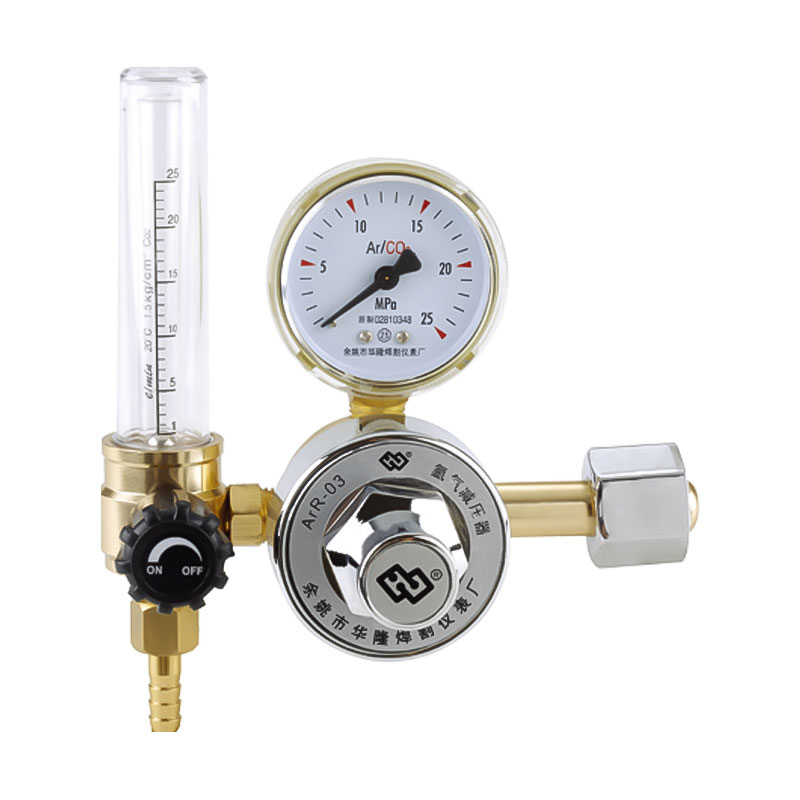
The ArR-02 Industrial Constant-Pressure Argon Regulator is a pressure management device designed for...
See Details -
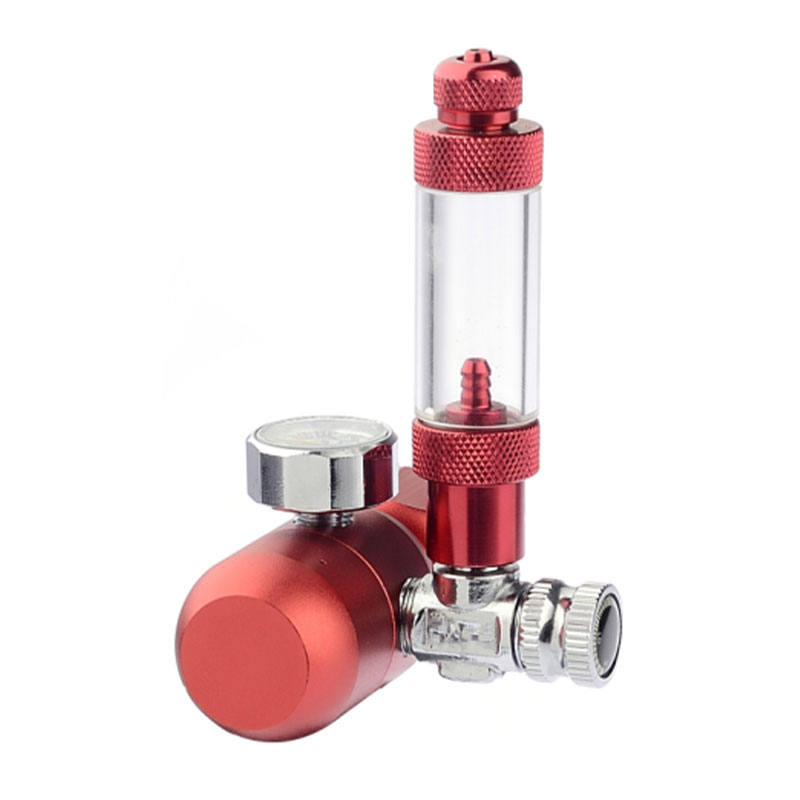
This aquarium plant CO2 pressure regulator is designed for aquatic plant landscaping and aquarium sy...
See Details -
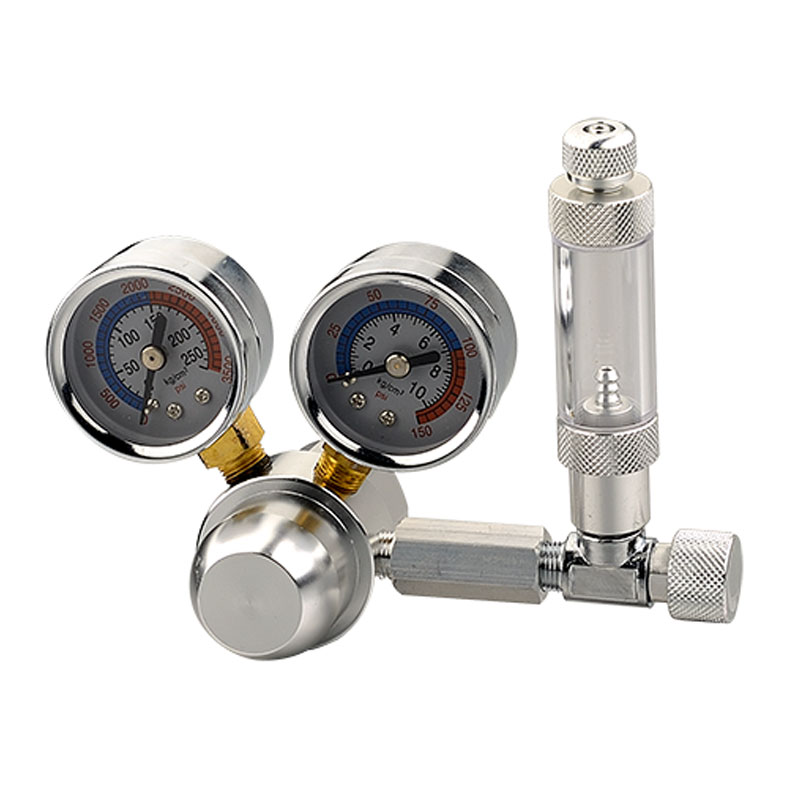
This compact CO2 regulator for aquarium plants is designed specifically for aquatic plant hobbyists ...
See Details -
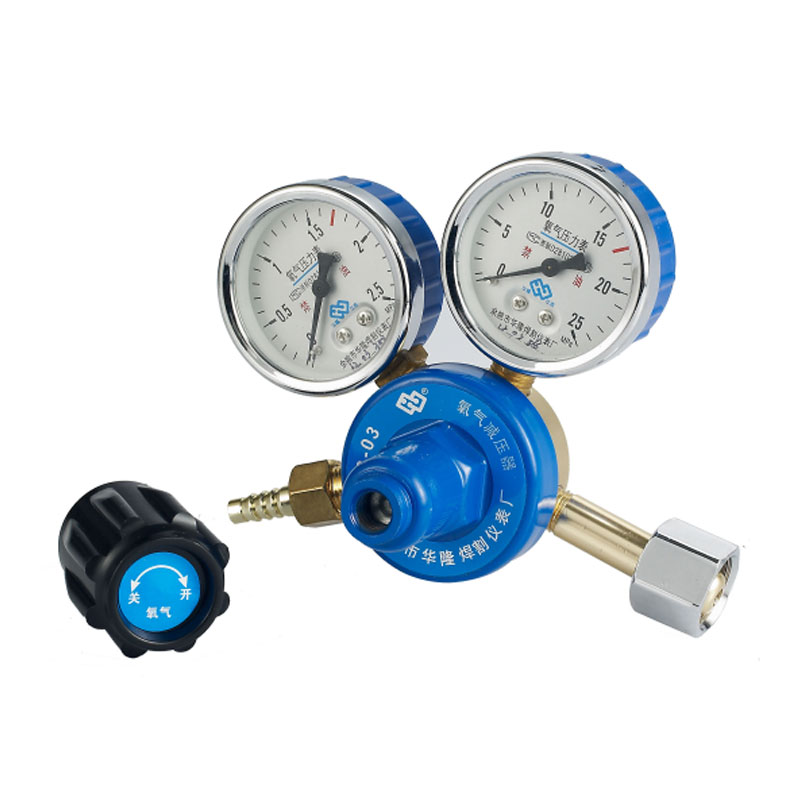
The OR-03 Precision Pressure Management Oxygen Regulator is a professional oxygen pressure reducing ...
See Details -
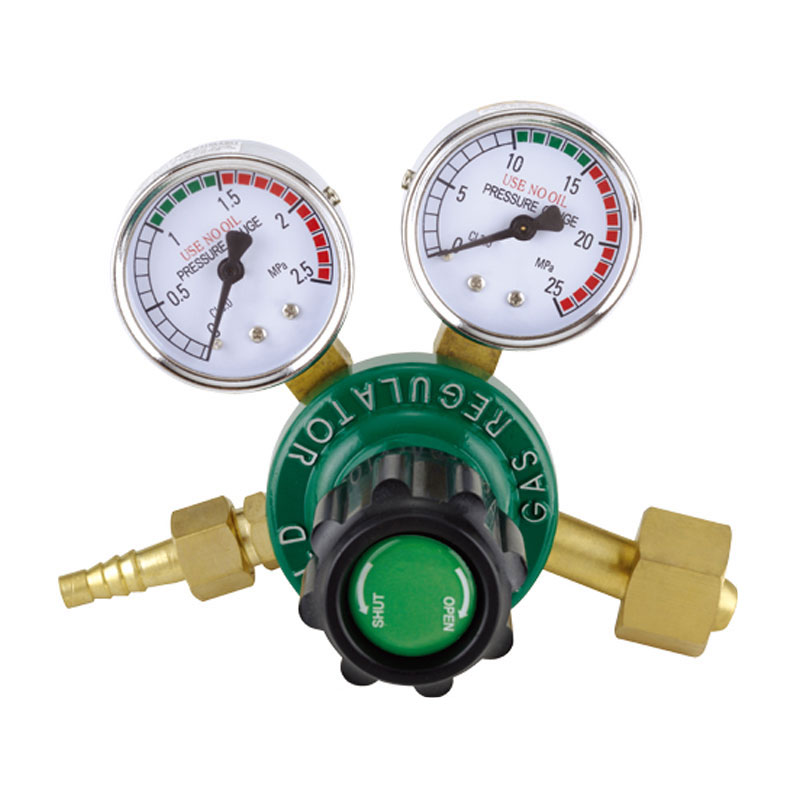
The OR-09 Customizable Pressure and Interface Oxygen Pressure Reducing Controller is designed for pr...
See Details -
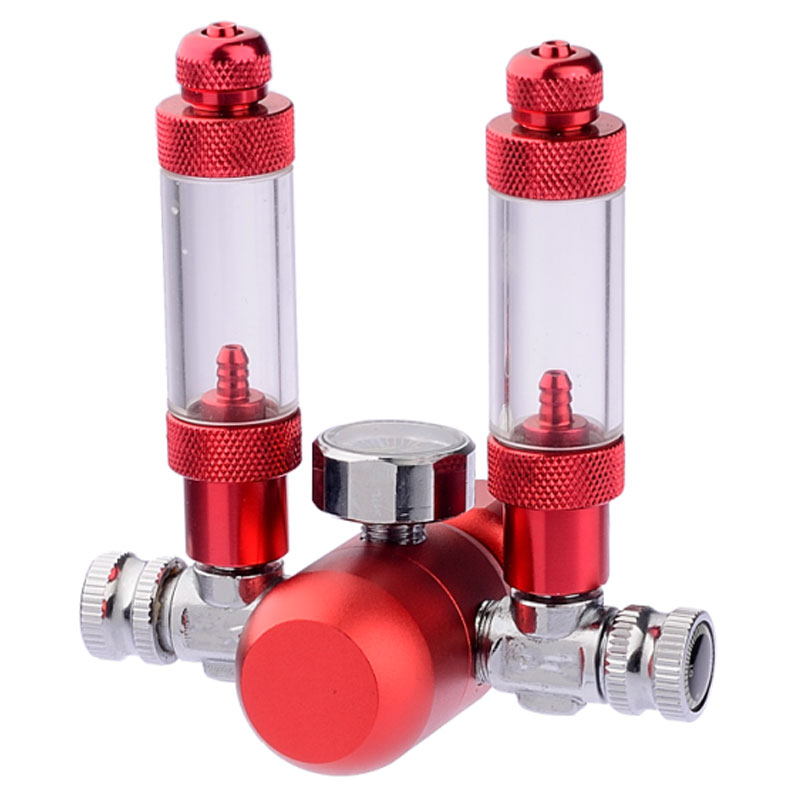
This environmentally friendly dual-gauge CO2 aquarium pressure regulator is designed for aquatic pla...
See Details -
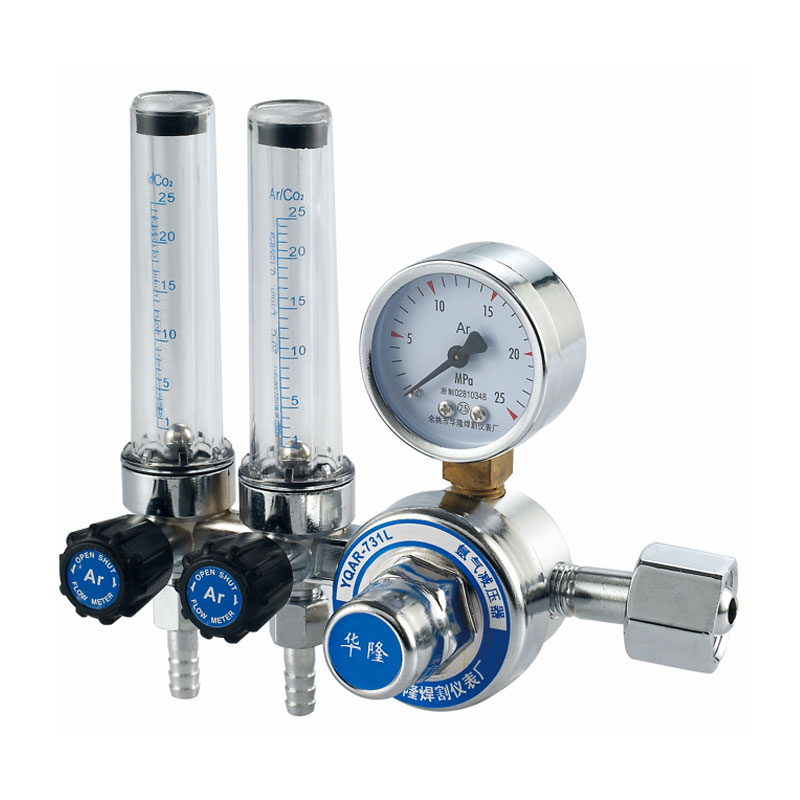
The ArR-01-2 High-Performance Argon Regulator is a pressure management device designed for precision...
See Details

- PRODUCTS
- Pressure Regulator for Welding and Cutting
- Aquarium Pressure Regulator
- Beer and Beverage Pressure Regulator
- Pipeline Pressure Reducer
- CONTACT INFO
-
-
+86-180 6927 8236

-
[email protected]

-
No.1358,Tanjialing West Road, Lanjiang Street,Yuyao, 315400, Zhejiang

-
- MOBILE QR CODE

