

 English
  русский
  Español
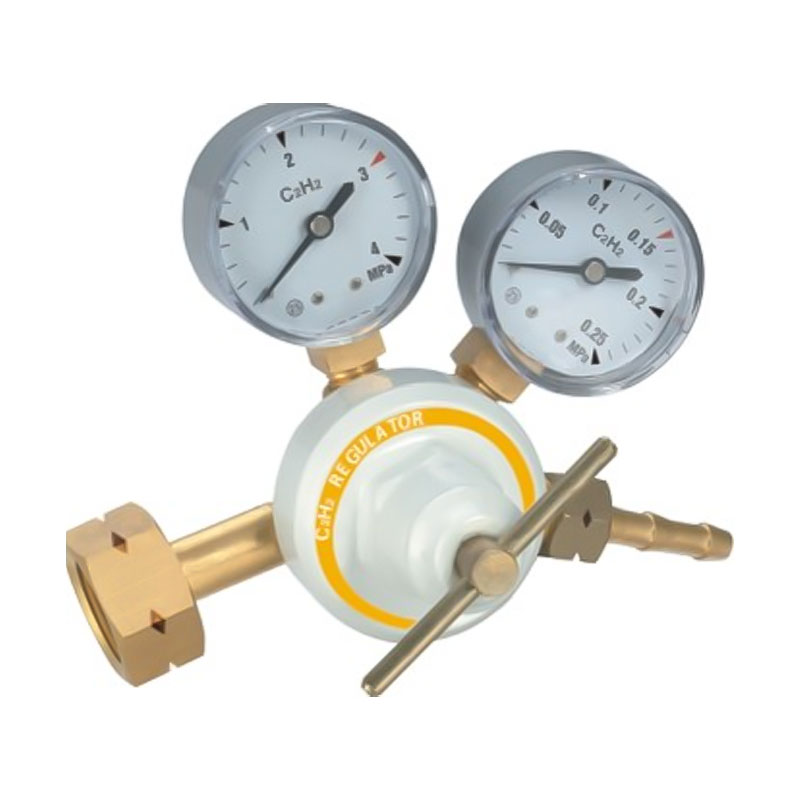
 The AR-56 High-Stability Welding and Cutting Acetylene Regulator is designed with a focus on pressur...
See DetailsWhat is an Acetylene Pressure Regulator and Why is it Important in Welding?
Industry News-An acetylene pressure regulator is a critical component used in welding to control the flow and pressure of acetylene gas. Acetylene gas is essential for the oxy-acetylene welding process, where it is combined with oxygen to create an extremely hot flame for welding, cutting, or brazing metal. The regulator ensures that the acetylene is delivered at a consistent, controlled pressure, allowing for safe and effective welding operations.
The primary function of the acetylene regulator is to reduce the high pressure of the gas from the acetylene cylinder, which is stored at about 2000 psi (pounds per square inch), down to a lower, more manageable pressure—usually around 5-15 psi. This regulated pressure allows the gas to flow consistently to the welding torch, where it will be mixed with oxygen to create the flame.
Key Functions of an Acetylene Pressure Regulator
-
Pressure Regulation: Acetylene gas is stored at high pressure, which can be hazardous if not properly controlled. The pressure regulator ensures that the gas flow is reduced to a safe level that can be used in the welding process. By regulating the flow, the regulator helps maintain the safety of the welding operation, preventing dangerous fluctuations in pressure.
-
Flow Control: The regulator is also responsible for controlling the rate at which acetylene gas is delivered to the torch. This is important because different welding tasks require different flame sizes and heat outputs. The welder can adjust the regulator to deliver the right amount of gas for specific jobs, ensuring that the welding process is as precise and efficient as possible.
-
Safety: Acetylene is highly flammable and poses several risks if not handled correctly. A malfunctioning regulator can lead to unsafe gas flow, resulting in flashbacks (when the flame travels back into the hose or regulator), leaks, or explosions. A properly working acetylene regulator helps to mitigate these risks by providing consistent gas flow and pressure control.
Comparison of Acetylene Regulator Features
Here’s a quick comparison of some common features to consider when choosing an acetylene pressure regulator:
| Feature | High-Quality Regulator | Low-Cost Regulator |
|---|---|---|
| Pressure Range | 0-15 psi (or customizable) | Fixed range (usually 0-10 psi) |
| Material Construction | High-grade brass or stainless steel | Basic metals prone to corrosion |
| Adjustability | Fine adjustments for precise flame control | Limited adjustability, may be imprecise |
| Safety Features | Built-in flashback arrestors, pressure relief valve | Basic safety, may lack advanced features |
| Durability | Long-lasting, resistant to wear | Prone to wear and tear, lower lifespan |
Choosing a high-quality acetylene pressure regulator ensures better performance, safety, and longevity, which are essential for professional welding applications.
Importance in Welding
-
Flame Control and Welding Precision: In oxy-acetylene welding, acetylene gas is combined with oxygen to produce a flame that can reach temperatures up to 6,000°F (3,300°C). This high temperature is necessary for melting metal and achieving strong welds. By regulating the pressure and flow of acetylene, the regulator ensures the correct flame type (neutral, carburizing, or oxidizing), which is essential for the precision and quality of the welding job. The regulator helps to avoid issues such as inconsistent heat output or excessive flame size that can lead to defects in the weld.
-
Safety: Acetylene is one of the most hazardous gases used in welding. If the pressure is not properly controlled, it can lead to dangerous accidents, such as flashbacks, which occur when the flame travels back into the hose or regulator. Flashbacks can cause explosions or fires, posing a severe safety risk. A well-maintained acetylene regulator helps prevent these risks by controlling the flow of gas and maintaining a steady pressure, ensuring that the gas does not flow too quickly or erratically.
-
Equipment Longevity: The proper functioning of an acetylene regulator is also crucial for the longevity of the welding equipment. Consistent gas pressure ensures that the welding torch, hoses, and other components do not wear out prematurely. If acetylene is delivered at irregular pressures, it can damage the equipment, leading to frequent repairs and replacements. Maintaining the regulator properly helps extend the life of the entire welding setup, reducing the need for costly repairs.
-
Cost Efficiency: Acetylene is an expensive gas, and using it inefficiently can significantly increase operational costs. A high-quality pressure regulator helps to optimize the flow of gas, ensuring that it is used in the most efficient manner possible. This reduces waste and helps keep operational costs down. Welders and businesses that rely on acetylene for large-scale welding operations can save money by minimizing gas consumption through better flow control.
Related products
-
-
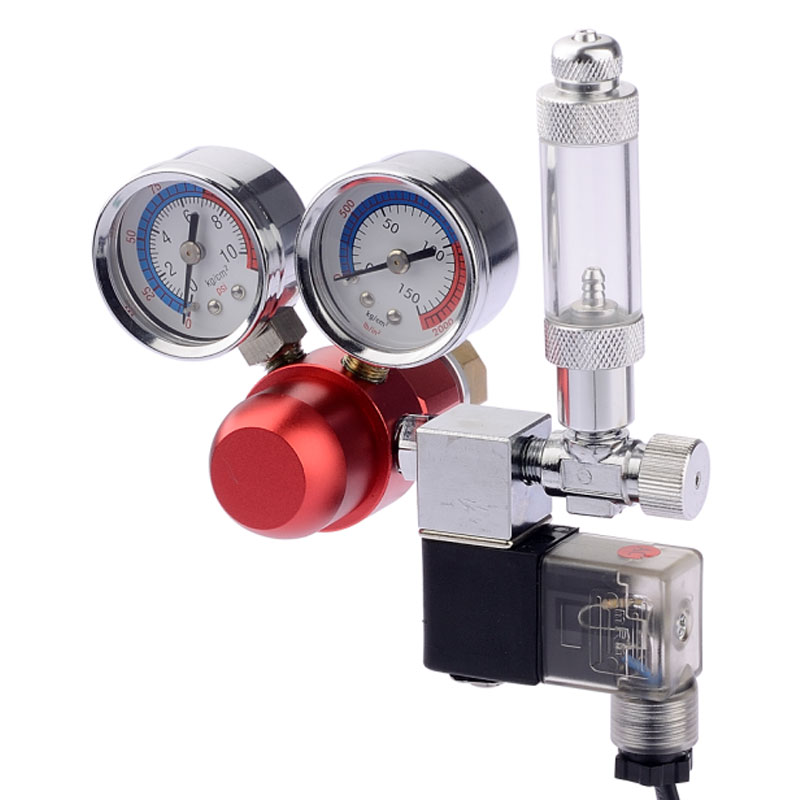
This aquarium CO2 regulator with dual pressure gauges and single bubble counter is designed specific...
See Details -
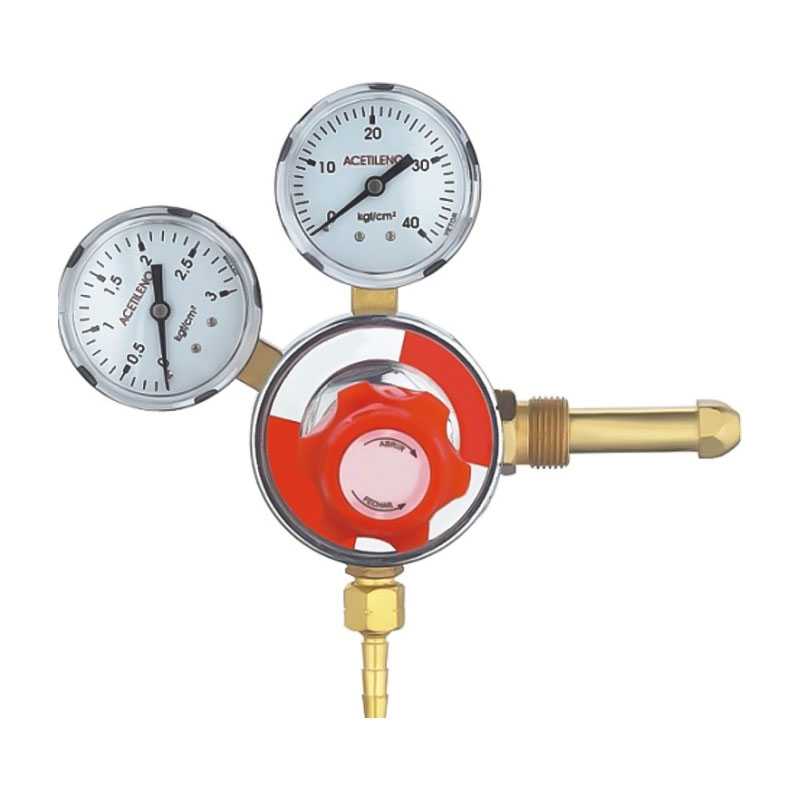
The AR-59 Precision Acetylene Pressure Regulator is a professional device designed for industrial we...
See Details -
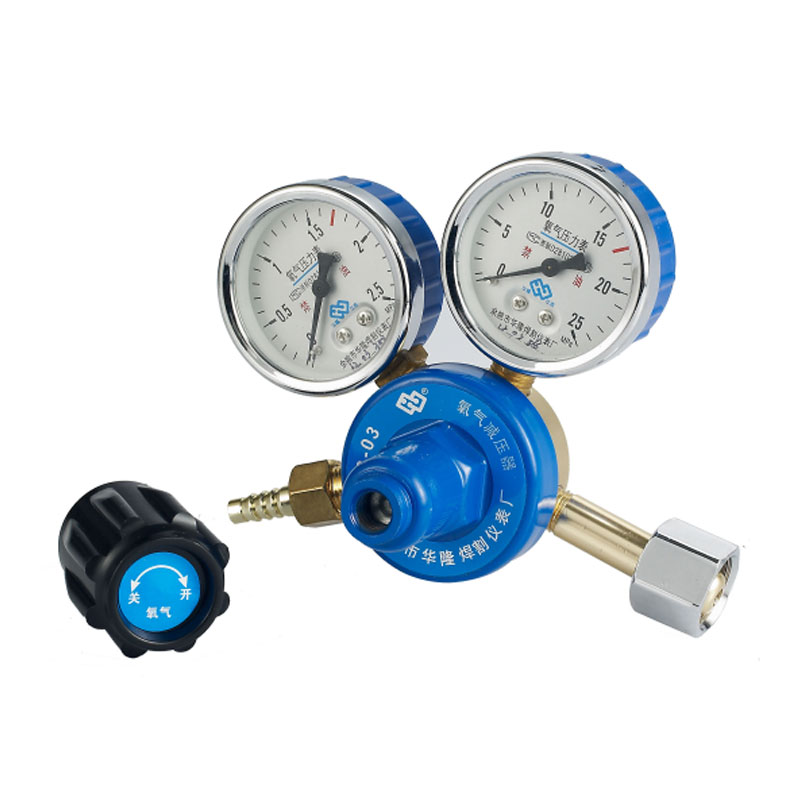
The OR-03 Precision Pressure Management Oxygen Regulator is a professional oxygen pressure reducing ...
See Details -
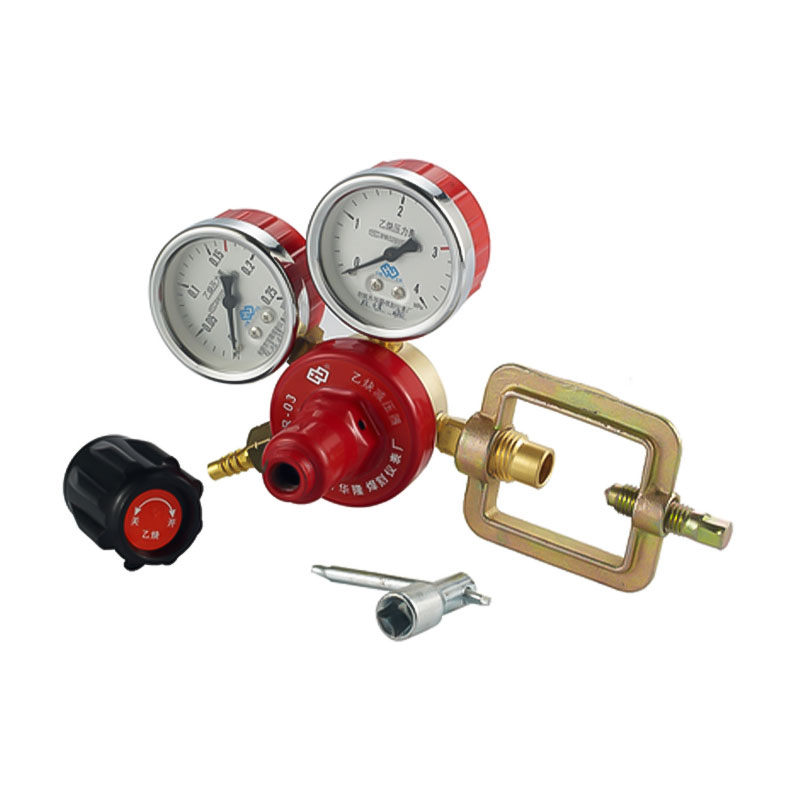
The AR-03 High Precision Acetylene Regulator is a device designed for regulating acetylene gas press...
See Details -
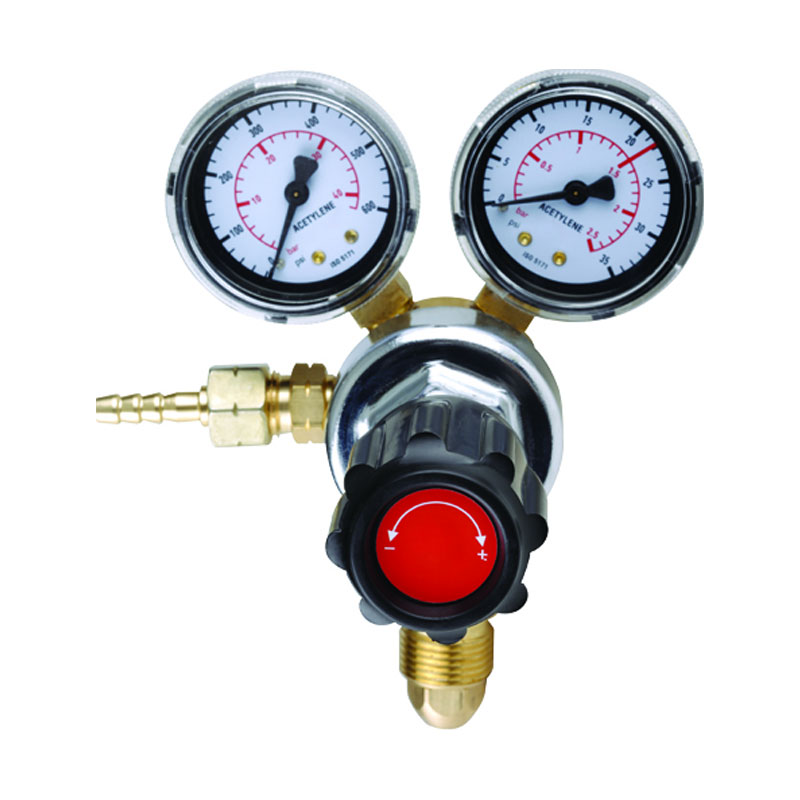
The AR-13 Precision Acetylene Output Regulator features a round-head G5/8" threaded inlet, ensuring ...
See Details -
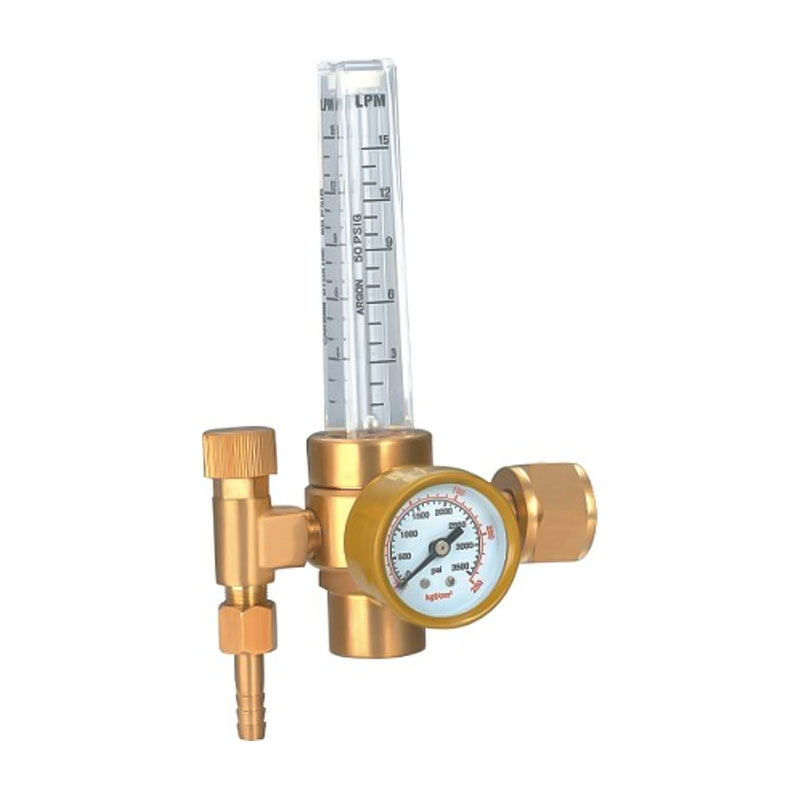
The AR-191T High-Pressure Precision Argon Regulator is a pressure regulation device specifically des...
See Details -
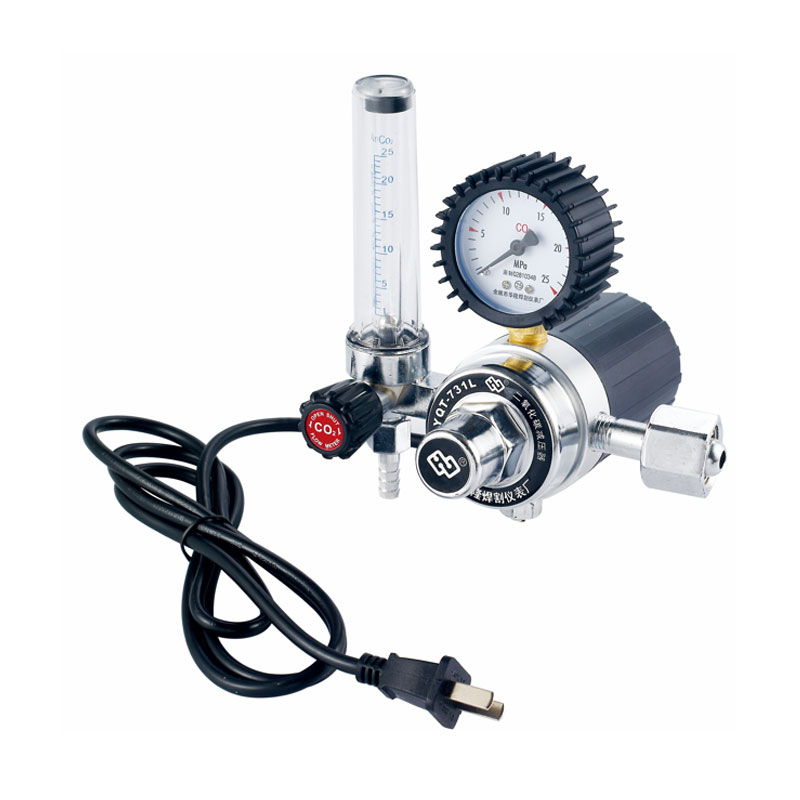
The JTR-01 High-Pressure Precision Carbon Dioxide Regulator is a device designed for applications th...
See Details

- PRODUCTS
- Pressure Regulator for Welding and Cutting
- Aquarium Pressure Regulator
- Beer and Beverage Pressure Regulator
- Pipeline Pressure Reducer
- CONTACT INFO
-
-
+86-180 6927 8236

-
[email protected]

-
No.1358,Tanjialing West Road, Lanjiang Street,Yuyao, 315400, Zhejiang

-
- MOBILE QR CODE

