

 English
  русский
  Español
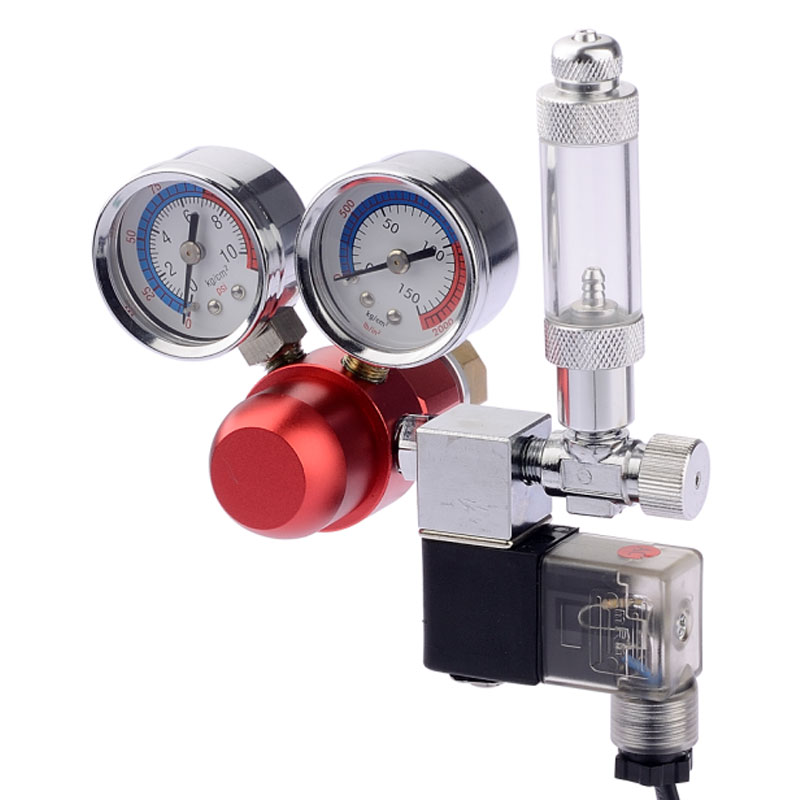
 This aquarium CO2 regulator with dual pressure gauges and single bubble counter is designed specific...
See DetailsHow to Choose the Right Beer and Beverage Pressure Regulator for Your Home Bar?
Industry News-Choosing the right beer and beverage pressure regulator for your home bar is essential for ensuring the best pouring experience, maintaining proper carbonation, and achieving the desired flavor profile in your drinks. A well-chosen regulator helps you maintain consistent pressure, preventing over-carbonation or flat pours, which can ruin the quality of your beverages.
1. Understand the Types of Regulators
The first step in choosing the right beer and beverage pressure regulator is to understand the different types available. Regulators come in a variety of configurations, and the type you choose will depend on your specific needs.
-
Single Gauge Regulators: These are the simplest and most cost-effective regulators. They feature one gauge that shows the CO2 pressure in the tank. They are ideal for home bar setups where only one beverage is being dispensed. Single-gauge regulators are often preferred for beginners as they are easy to use and understand.
-
Dual Gauge Regulators: These offer more flexibility and are especially useful if you are dispensing more than one beverage, such as multiple kegs of beer or beer and soda. A dual gauge regulator displays both the tank pressure and the output pressure, allowing you to monitor and adjust the flow accordingly. This type of regulator is ideal for users who require precise control over pressure settings.
-
Adjustable vs. Non-adjustable Regulators: Adjustable regulators allow you to change the output pressure, making them versatile for different beverages. For instance, beer may need a lower pressure, while soda might need a higher PSI. Non-adjustable regulators are fixed and generally cheaper but less flexible.
-
Nitrogen Regulators: If you plan to serve nitrogenated drinks like nitro stouts, you’ll need a nitrogen regulator. These are designed to handle higher pressures, typically around 30-50 PSI, and are equipped with specific features to manage the nitrogen gas efficiently.
2. Consider the Type of Beverage You’re Dispensing
The type of beverage you are dispensing plays a crucial role in determining the appropriate regulator for your setup. Different drinks require varying levels of pressure to achieve optimal carbonation and pour quality.
For Beer:
- Pressure Range: Most beers require a pressure range between 10-15 PSI. However, depending on the type of beer, you may need to adjust the pressure slightly. Lighter beers such as lagers tend to perform best with lower pressure, while stronger beers like stouts may require slightly higher pressure to maintain proper carbonation.
- Nitrogen Beers: For nitro beers (like stouts), you’ll need a nitrogen regulator that handles the higher pressure needed for nitrogen carbonation. These beverages are typically dispensed using a special gas blend (usually 70% nitrogen and 30% CO2), which creates a smooth, creamy mouthfeel.
For Soda and Other Carbonated Beverages:
- Pressure Range: Sodas and other carbonated drinks typically require a higher PSI compared to beer, usually in the range of 25-35 PSI. This ensures that the beverage retains its fizz and carbonation without being too flat or too foamy.
Multi-Use Systems:
- If you plan to serve a combination of beer, soda, and perhaps even wine or cocktails, you’ll want a regulator that can accommodate different pressures for each beverage. A dual-gauge adjustable regulator is the best choice here, allowing you to manage varying pressures for different beverages and maintain optimal pour quality.
| Beverage Type | Recommended Pressure (PSI) | Special Considerations |
|---|---|---|
| Beer (Light Lagers) | 10-12 PSI | Lighter beers perform better with lower pressure |
| Beer (Stouts) | 12-15 PSI | Higher pressure may be needed for darker, thicker beers |
| Soda | 25-35 PSI | Higher pressure needed for good carbonation |
| Nitrogen Beers | 30-50 PSI | Requires nitrogen regulator with special CO2-N2 mix |
3. Gauge Accuracy and Pressure Range
The accuracy of the regulator gauges and the pressure range are vital considerations for maintaining beverage quality.
-
Pressure Range: A good beer and beverage regulator should cover the full range of pressures required by your beverage types. For most beers, this range will typically be between 10-30 PSI. If you’re dispensing beverages that require higher pressures (like sodas or nitro beers), ensure that your regulator can handle those higher pressures comfortably.
-
Gauge Accuracy: The gauges on the regulator provide readings of both the CO2 tank pressure and the output pressure. A high-quality regulator will feature accurate gauges that provide precise readings, so you can adjust the pressure with confidence. Inaccurate gauges can lead to over-carbonation (too much pressure) or under-carbonation (too little pressure), affecting the quality of your pour.
4. Material and Build Quality
Regulators are exposed to high pressures and gases, so the material quality is essential for durability and safety. Most high-end regulators are made from brass or stainless steel, which resist corrosion, are more durable, and are less likely to wear down over time. Brass regulators are more common and affordable, while stainless steel models are usually more durable and can handle more intense usage, especially in commercial setups.
Be cautious of cheaper models with plastic components, as they may crack or degrade over time, leading to leaks or inaccurate pressure regulation. High-quality materials also help prevent gas leaks, ensuring your CO2 or nitrogen stays inside the tank until you’re ready to dispense.
5. Compatibility with CO2 or Nitrogen Tanks
Make sure that the regulator you choose is compatible with your CO2 or nitrogen tank. The most common connection for CO2 tanks is the CGA-320 thread. If you are using nitrogen, make sure that the regulator is designed to handle higher pressures, as nitrogen requires more pressure than CO2.
Also, consider the tank size you’ll be using. A standard 5-lb CO2 tank is sufficient for small home bar setups, but if you’re running multiple kegs, you may want a larger tank (like 10 lb or 20 lb). Make sure your regulator fits your tank’s size and threading.
6. Ease of Use and Adjustment
When choosing a regulator, consider how easy it is to adjust the pressure. Look for a model that features an easy-to-turn dial with a wide range of adjustment to fine-tune the pressure for different beverages.
-
Quick Disconnects: Some advanced regulators come with quick-disconnect fittings, making it easier to swap out CO2 tanks without hassle. This can be especially useful if you need to change tanks during a long evening of serving drinks.
-
Built-in Relief Valve: A built-in relief valve helps prevent over-pressurization, which can be dangerous and could damage your regulator or beer lines. This feature is particularly useful for new users who are still familiarizing themselves with how to handle gas systems.
FAQ
Q1: Can I use the same regulator for both beer and soda?
Yes, but you need a dual-gauge adjustable regulator that allows you to set different pressures for each beverage type.
Q2: What’s the ideal PSI for pouring beer?
Most beers should be poured at 10-15 PSI, though the exact pressure can vary depending on the beer style.
Q3: Do I need a nitrogen regulator for stouts?
Yes, stouts are typically nitrogenated, and a nitrogen regulator is required to handle the higher pressures necessary for proper carbonation.
Q4: How do I know if my regulator is broken or malfunctioning?
Common signs include inconsistent pressure readings, leaks, or difficulty adjusting the pressure. If you notice these issues, it may be time for a replacement.
Related products
-
-
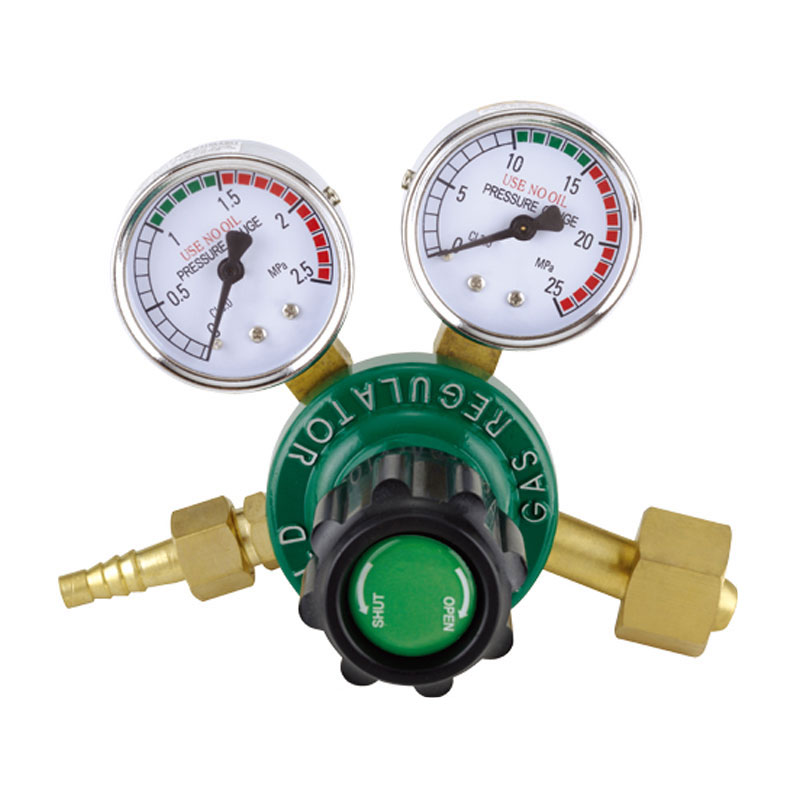
The OR-09 Customizable Pressure and Interface Oxygen Pressure Reducing Controller is designed for pr...
See Details -
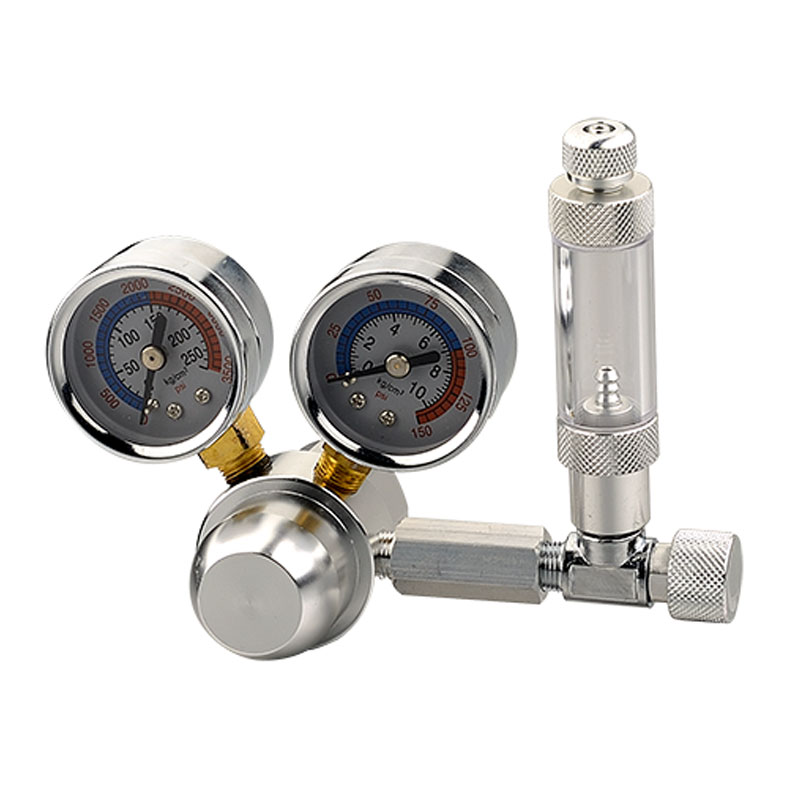
This compact CO2 regulator for aquarium plants is designed specifically for aquatic plant hobbyists ...
See Details -
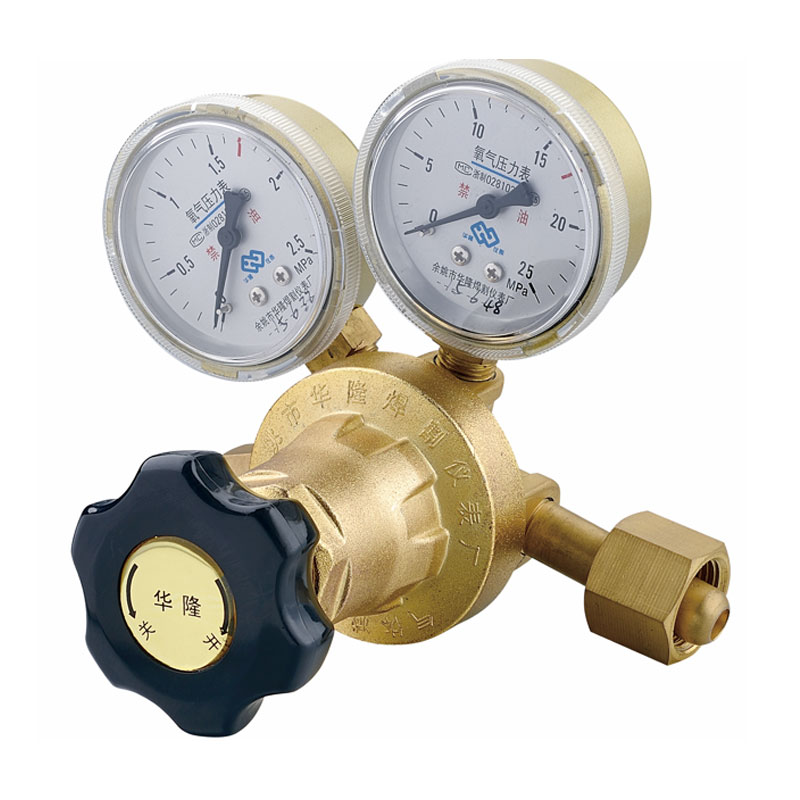
The OR-16 high-performance continuous supply oxygen pressure regulator is suitable for a variety of ...
See Details -
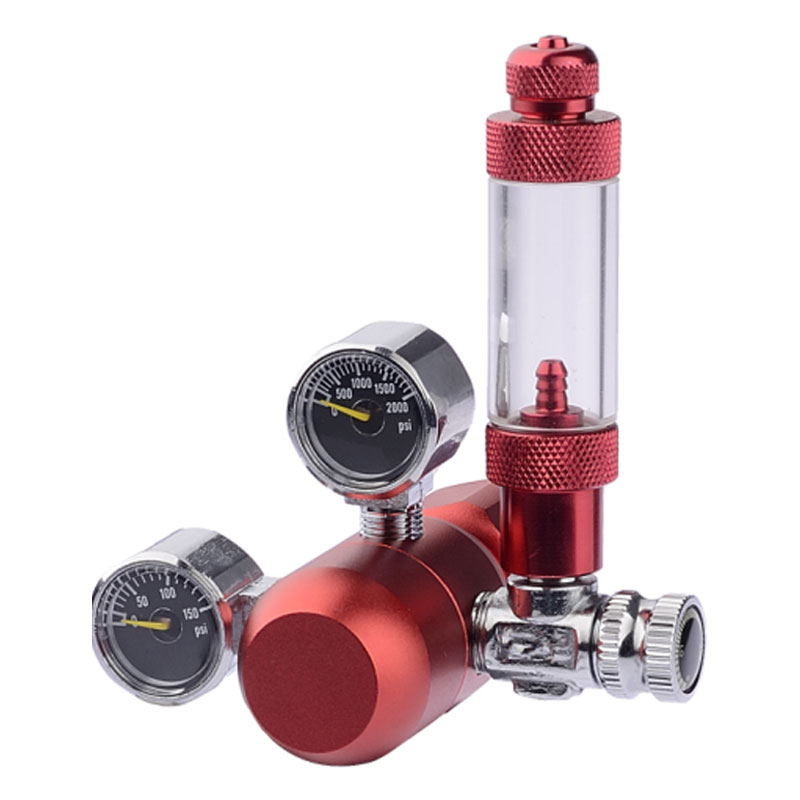
This digital CO2 regulator for aquarium systems provides stable gas support for aquatic plant landsc...
See Details -
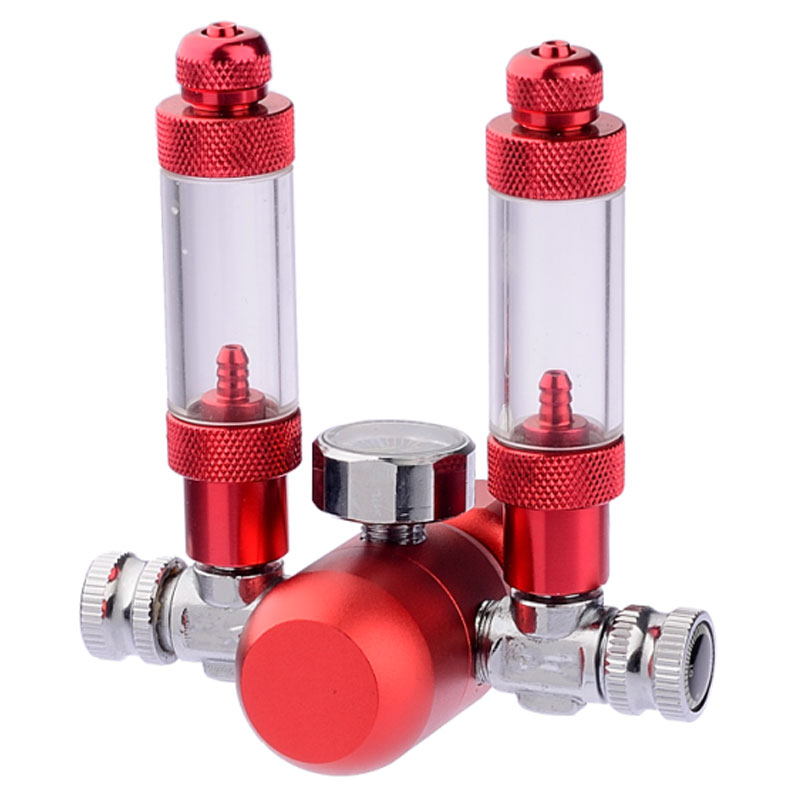
This environmentally friendly dual-gauge CO2 aquarium pressure regulator is designed for aquatic pla...
See Details -
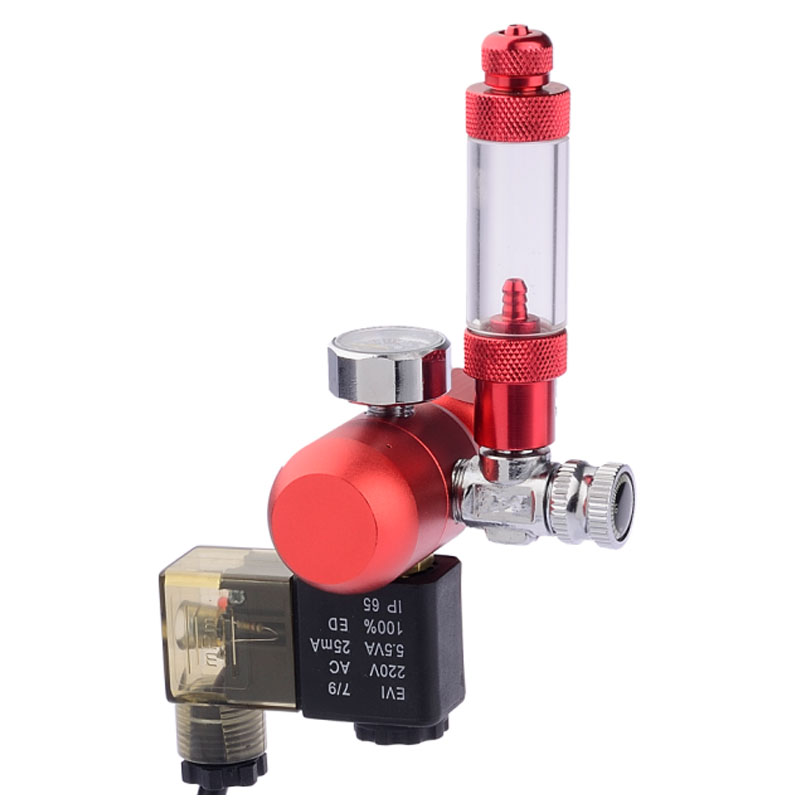
Aquarium CO2 Regulator's precision adjustment design provides accurate CO2 volume at LP 150 PSI / HP...
See Details -
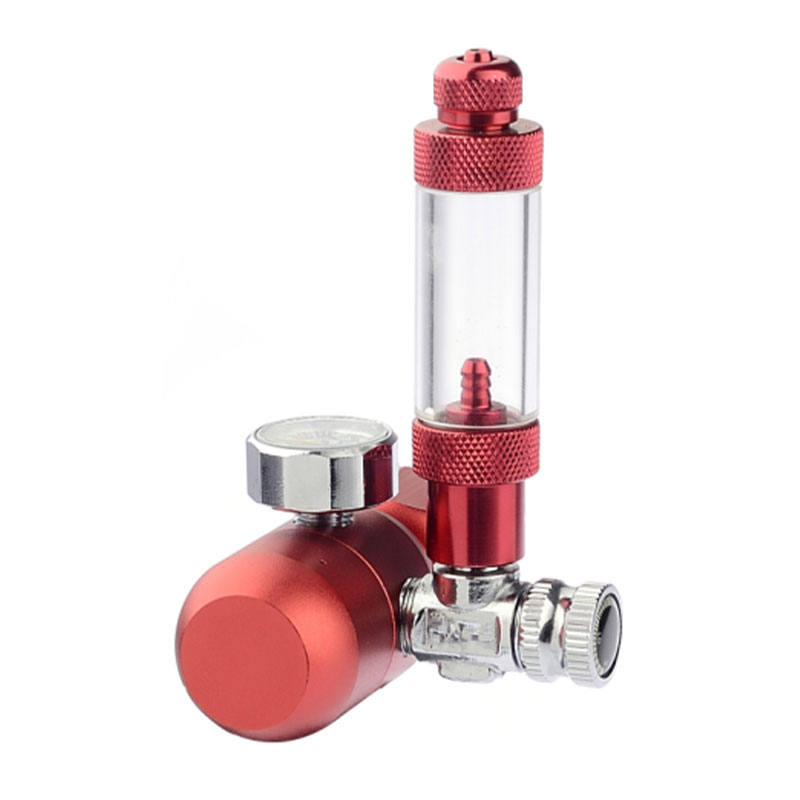
This aquarium plant CO2 pressure regulator is designed for aquatic plant landscaping and aquarium sy...
See Details

- PRODUCTS
- Pressure Regulator for Welding and Cutting
- Aquarium Pressure Regulator
- Beer and Beverage Pressure Regulator
- Pipeline Pressure Reducer
- CONTACT INFO
-
-
+86-180 6927 8236

-
[email protected]

-
No.1358,Tanjialing West Road, Lanjiang Street,Yuyao, 315400, Zhejiang

-
- MOBILE QR CODE

