

 English
  русский
  Español
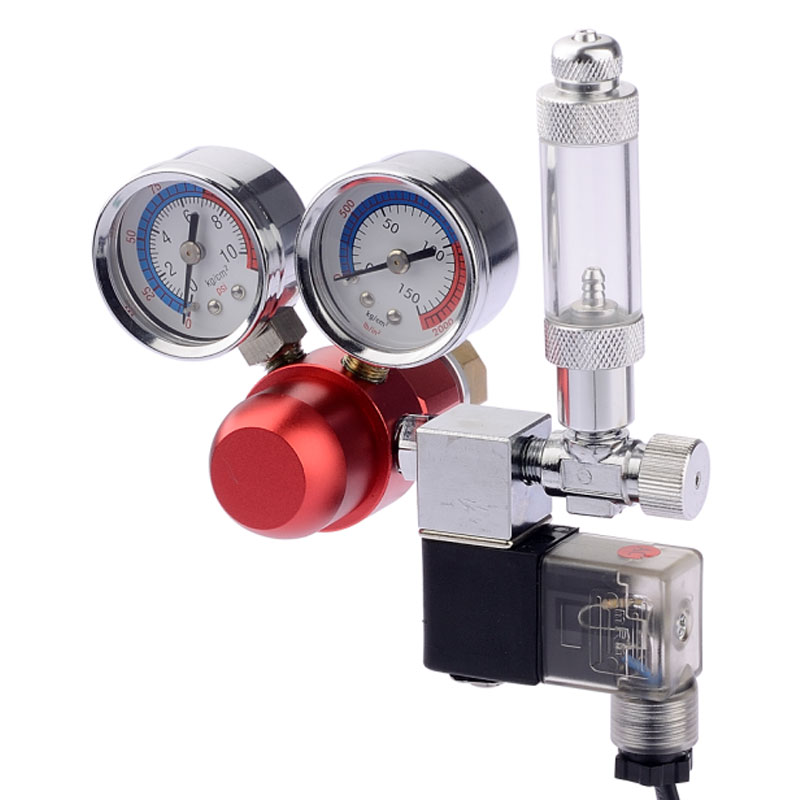
 This aquarium CO2 regulator with dual pressure gauges and single bubble counter is designed specific...
See DetailsWhat Are the Benefits of Using a Beer and Beverage Pressure Regulator in Your Bar?
Industry News-If you run a bar or restaurant that serves draft beer or other carbonated beverages, ensuring consistent quality and efficient operations is crucial to maintaining customer satisfaction and profitability. A beer and beverage pressure regulator is an essential piece of equipment that plays a central role in achieving these goals. It controls the pressure at which CO2 or other gases are delivered into kegs, ensuring that the beverage is dispensed at the correct carbonation level.
1. Consistent Carbonation and Quality Control
One of the most important roles of a beer and beverage pressure regulator is to ensure that your drinks are served at the correct carbonation level. Carbonation directly impacts the taste, texture, and overall drinking experience, particularly for beer and other carbonated beverages. When the CO2 pressure is too low, the beverage will taste flat and lifeless, which is undesirable for most beer drinkers. On the other hand, if the pressure is too high, it can lead to excessive foaming and waste, causing frustration for both bartenders and customers.
A pressure regulator helps maintain a consistent pressure, ensuring that the beverage is dispensed with the right amount of carbonation every time. This results in better pour quality and ensures that every glass of beer or soft drink has the same refreshing taste and proper mouthfeel. Whether you’re serving lagers, stouts, or soda, a properly adjusted pressure regulator keeps the carbonation levels stable, ensuring that your beverages are always of the highest quality.
In a busy bar setting, consistency is key, and having a regulator that maintains steady CO2 pressure is essential for providing a reliable and enjoyable experience for your customers. Regularly maintaining and calibrating your regulator will ensure that your drinks remain consistently high-quality.
2. Prevents Waste and Maximizes Beverage Yield
Without a pressure regulator, it can be difficult to control the flow of beverages from the keg. This can lead to a number of problems, such as excessive foaming or under-carbonation, both of which result in wasted product. Over-carbonation can cause a significant amount of foam, meaning customers are left with less liquid in their glass, leading to more frequent refills and increased operational costs.
A pressure regulator helps prevent these issues by maintaining a steady, controlled CO2 flow, allowing beer to be dispensed with minimal foam and maximum yield from each keg. By regulating the pressure, it ensures that the right amount of carbonation is added, leading to the ideal pour every time. This means less waste, fewer refills, and a more efficient system overall. In high-volume bars, this becomes particularly important, as even small improvements in pour efficiency can lead to substantial savings over time.
In addition, controlling the CO2 flow prevents over-carbonation, ensuring that your beverages retain the right level of fizziness without becoming excessively bubbly or undrinkable. This leads to better customer satisfaction and less product wastage.
| Benefit | Effect | Why It’s Important |
|---|---|---|
| Consistency in Carbonation | Maintains carbonation at the correct level | Ensures drinks are always served with the right flavor and texture. |
| Prevents Excessive Foam | Reduces foam production while pouring | Increases yield from each keg, reduces waste. |
| Maximizes Beverage Yield | Reduces wasted product from foamy or flat pours | Saves money by ensuring more efficient use of beverages. |
| Improves Pour Quality | Helps provide a smooth, steady pour with ideal carbonation | Enhances the overall drinking experience for customers. |
3. Enhances the Lifespan of Your Equipment
Properly controlling CO2 pressure doesn’t just ensure quality pours—it also helps protect your equipment. Kegs, lines, regulators, and faucets are all subject to wear and tear, and incorrect pressure levels can damage them over time. For instance, excessively high pressure can lead to damage or ruptures in kegs, while fluctuating pressure can cause leaks or malfunctions in other parts of your draft beer system.
Using a beer and beverage pressure regulator helps extend the lifespan of your equipment by ensuring that pressure is always at the correct, safe level. A regulator acts as a buffer between the high pressure in the CO2 tank and the dispensing system, preventing damage to delicate components. This reduces the need for frequent repairs and replacements, ultimately saving you money on maintenance and parts.
Additionally, over time, CO2 cylinders can become less efficient if not managed correctly. A well-calibrated regulator ensures that CO2 is used efficiently, preventing waste and reducing the frequency with which you need to replace cylinders. This, too, results in cost savings for your bar, allowing you to focus your budget on other important aspects of your business.
4. Improves Operational Efficiency and Staff Productivity
Bars are often fast-paced environments where staff must juggle multiple tasks while maintaining high service quality. A beer and beverage pressure regulator can greatly improve operational efficiency by minimizing issues related to inconsistent pours or over-carbonated beverages. With a pressure regulator in place, bartenders can pour drinks quickly and confidently, knowing that the beer will always come out with the right carbonation and minimal foam.
A consistent pour means that bartenders spend less time adjusting the tap, managing overflows, or dealing with customer complaints related to poor-quality drinks. This leads to faster service, which is essential during peak hours. Additionally, staff can focus on other tasks, such as taking orders and interacting with customers, instead of constantly troubleshooting pouring problems.
With a pressure regulator in place, you’ll find that your staff’s workflow becomes much smoother, which translates to fewer delays, more efficient service, and ultimately, a better customer experience. In a competitive market, improving your operational efficiency can make a significant difference in customer retention and satisfaction.
5. Cost-Effective and Energy Efficient
Investing in a beer and beverage pressure regulator is a cost-effective decision for any bar. By ensuring consistent CO2 pressure, it reduces the amount of CO2 gas consumed, leading to lower refilling costs for your CO2 tanks. CO2 refills can become a significant ongoing cost for bars, but with a pressure regulator in place, you can optimize the gas usage and extend the lifespan of each tank.
Additionally, minimizing beverage waste—whether from over-carbonation, foam spillage, or flat pours—leads to more efficient use of inventory and less lost product. This saves you money in the long run by making each keg and each bottle of CO2 last longer. While there is an initial investment in a pressure regulator, the savings over time due to reduced waste and lower CO2 costs more than make up for it.
A regulator can also help reduce energy consumption in some systems by ensuring that CO2 is delivered precisely when needed, rather than constantly releasing excess gas. This means less strain on your equipment, reducing the need for repairs and lowering operating costs.
FAQ
Q1: How do I know if my beer pressure regulator is working properly?
If your beer pressure regulator is working correctly, you should notice that your pours are consistent, with the right amount of carbonation and minimal foam. If you experience flat beer or excessive foam, the regulator may need adjustment or replacement.
Q2: Can a beer and beverage pressure regulator be used for both beer and soft drinks?
Yes, a beer and beverage pressure regulator can be used for both beer and carbonated soft drinks, as long as you adjust the pressure according to the beverage type. Different drinks require different pressure settings to ensure optimal carbonation.
Q3: How often should I check or calibrate my beer pressure regulator?
It’s a good idea to check your beer pressure regulator regularly, particularly if you notice inconsistent pours or other issues. Calibration may be required every few months or as needed to maintain optimal performance.
Q4: Can a regulator help if my beer is too foamy?
Yes, a regulator can help reduce foam by controlling the CO2 pressure. If the beer is too foamy, adjusting the pressure to the correct level will help ensure a smooth pour with less foam.
Q5: How does a pressure regulator save me money?
A pressure regulator saves money by reducing waste from excessive foam, optimizing CO2 usage, and extending the lifespan of both CO2 tanks and dispensing equipment. This results in lower operational costs over time.
References
- “How to Optimize Your Beer Dispensing System,” Beverage and Bar Management Journal, 2022.
- “The Importance of Pressure Regulators in Draft Beer Systems,” Draft Beer Systems Guide, 2023.
- “Maximizing Beverage Efficiency in Bars and Restaurants,” Bar & Beverage Operations Magazine, 2021.
Related products
-
-
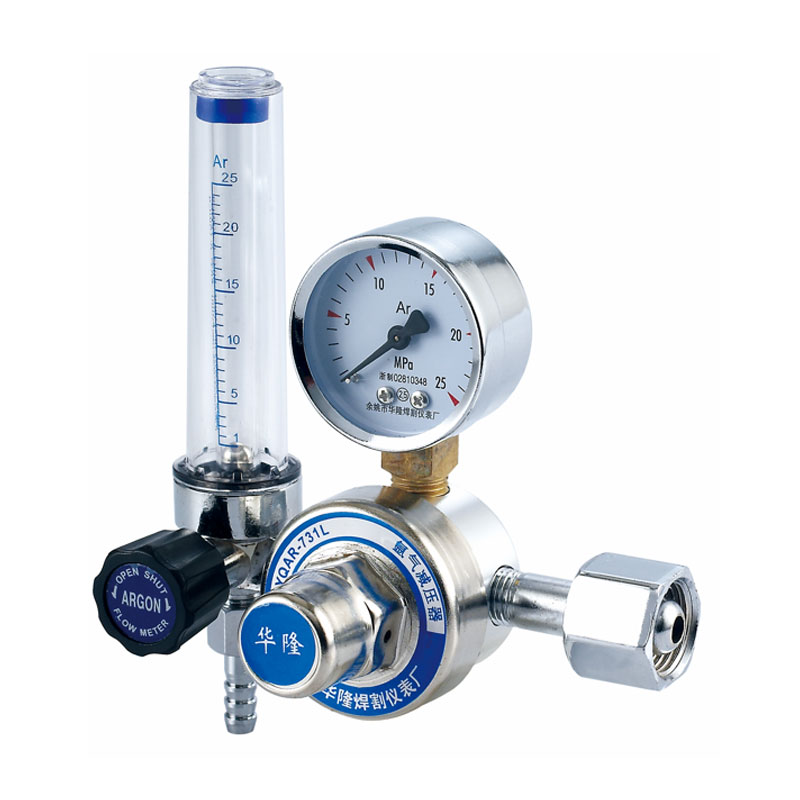
The ArR-01 High-Pressure Argon Cylinder Regulator is a pressure regulation device designed for appli...
See Details -
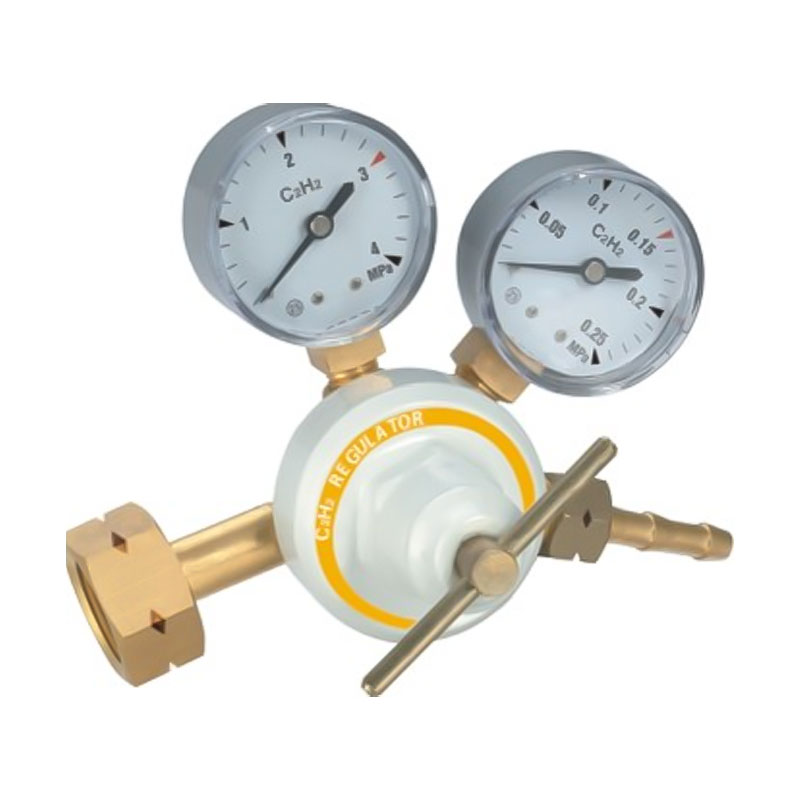
The AR-56 High-Stability Welding and Cutting Acetylene Regulator is designed with a focus on pressur...
See Details -
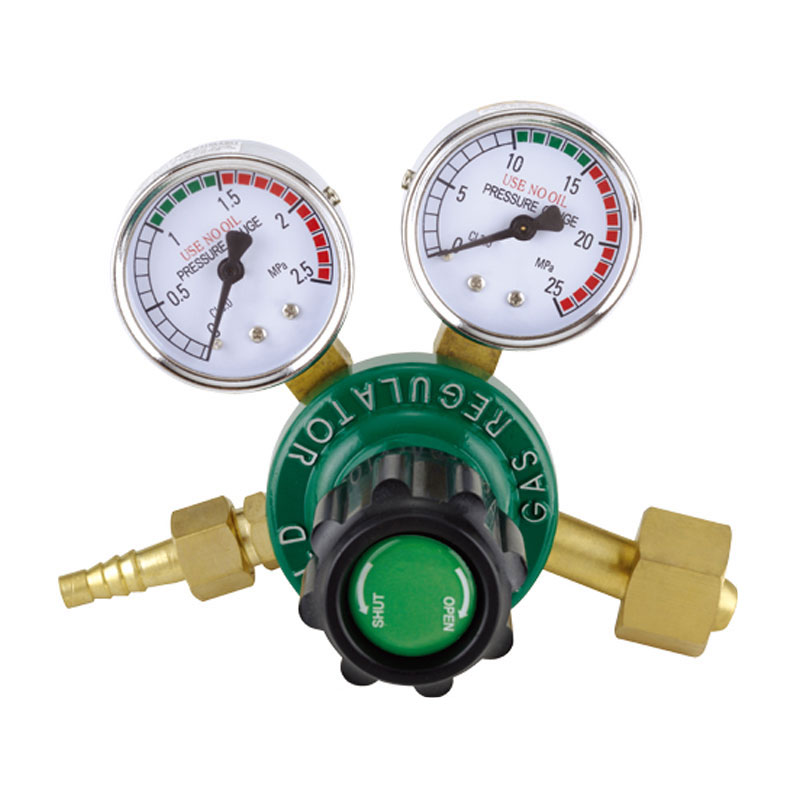
The OR-09 Customizable Pressure and Interface Oxygen Pressure Reducing Controller is designed for pr...
See Details -
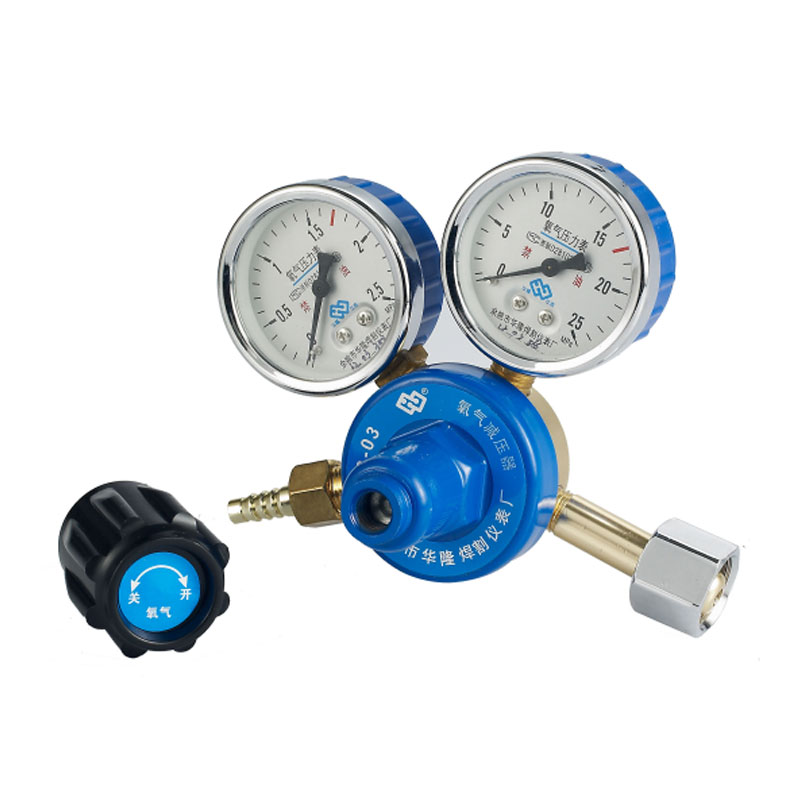
The OR-03 Precision Pressure Management Oxygen Regulator is a professional oxygen pressure reducing ...
See Details -
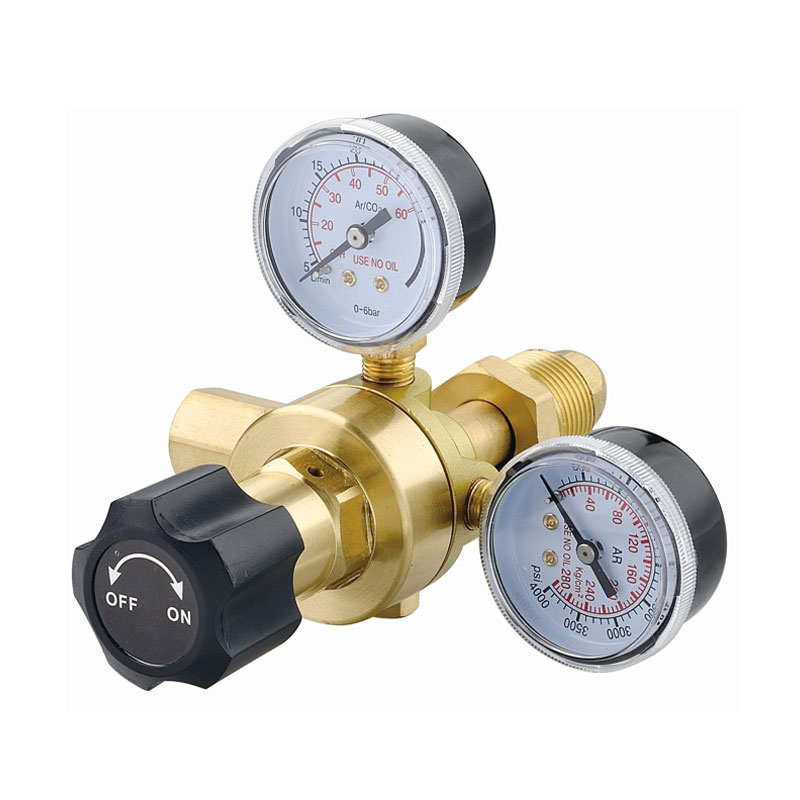
The ArR-192 Industrial Welding Argon Regulator is a pressure regulation device specifically designed...
See Details -
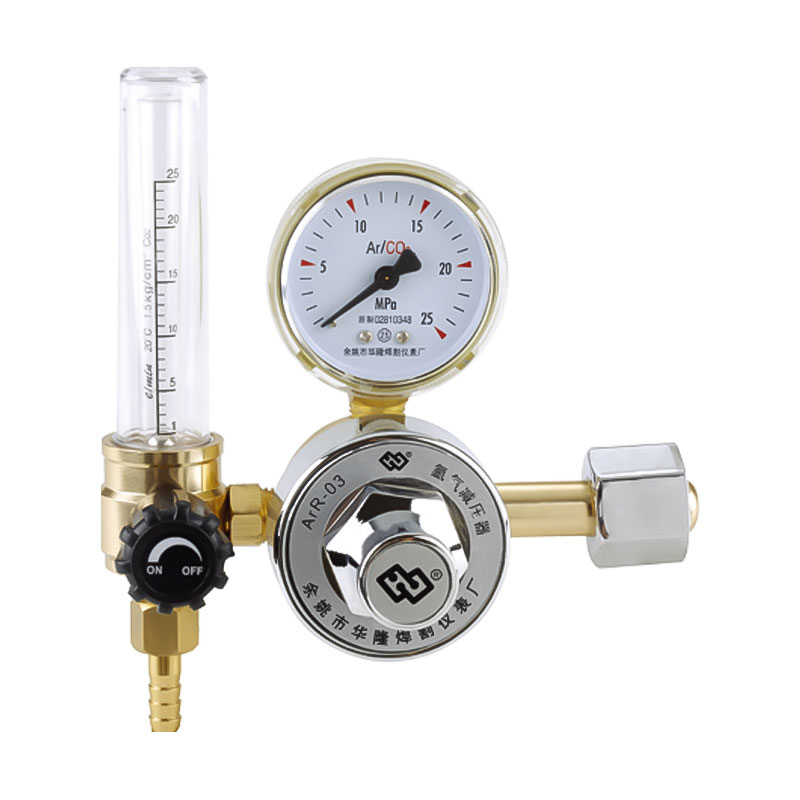
The ArR-02 Industrial Constant-Pressure Argon Regulator is a pressure management device designed for...
See Details -
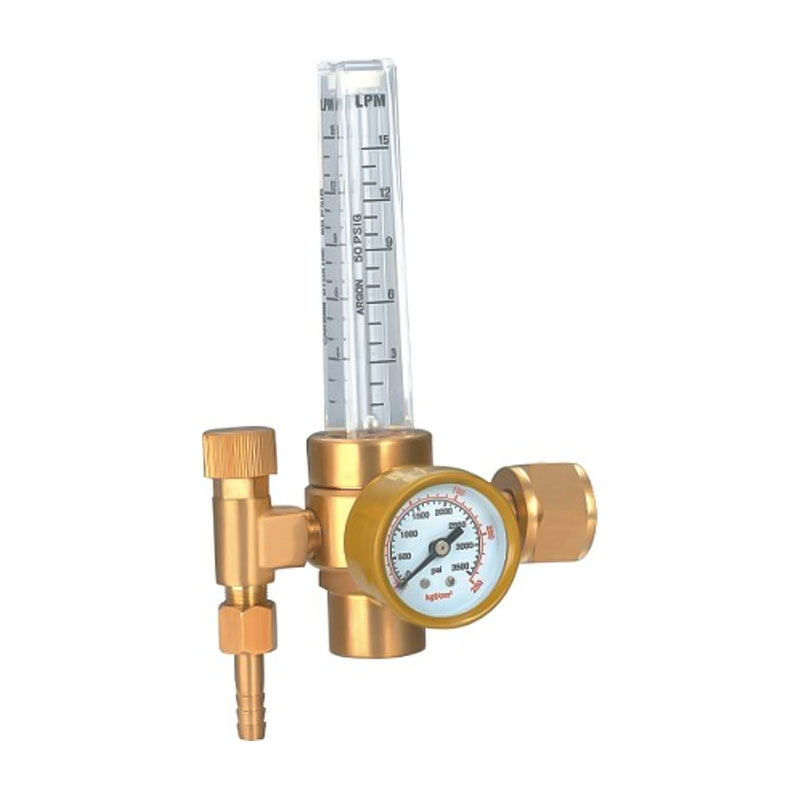
The AR-191T High-Pressure Precision Argon Regulator is a pressure regulation device specifically des...
See Details

- PRODUCTS
- Pressure Regulator for Welding and Cutting
- Aquarium Pressure Regulator
- Beer and Beverage Pressure Regulator
- Pipeline Pressure Reducer
- CONTACT INFO
-
-
+86-180 6927 8236

-
[email protected]

-
No.1358,Tanjialing West Road, Lanjiang Street,Yuyao, 315400, Zhejiang

-
- MOBILE QR CODE

