

 English
  русский
  Español
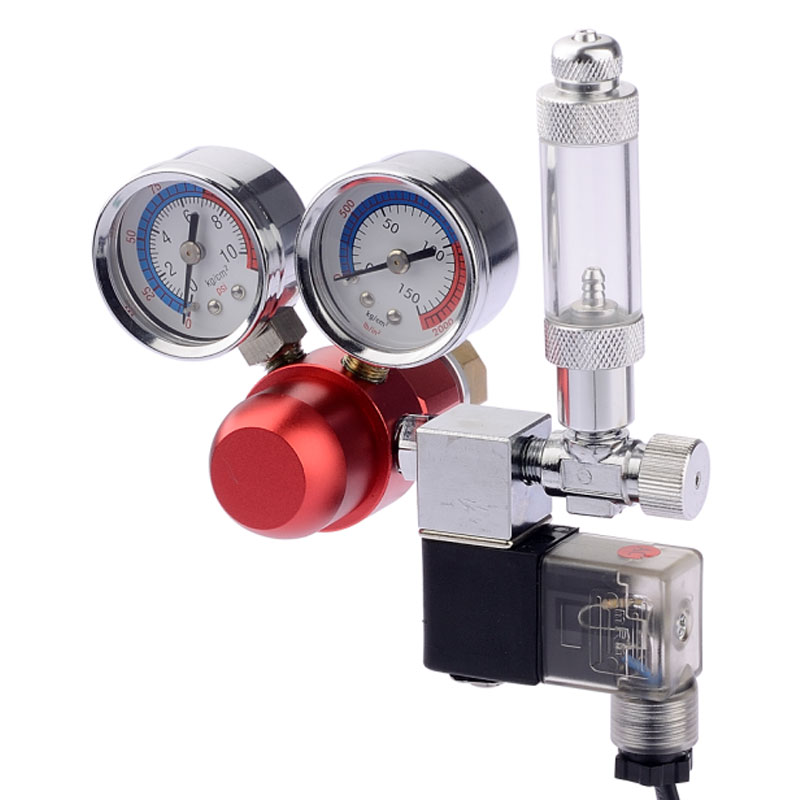
 This aquarium CO2 regulator with dual pressure gauges and single bubble counter is designed specific...
See DetailsWhy Should You Use an Aquarium Pressure Regulator in Your Fish Tank?
Industry News-When setting up and maintaining a healthy aquarium, especially for planted tanks, the right CO2 levels are critical to ensure your plants thrive and your fish remain healthy. To control these levels accurately, an aquarium pressure regulator is an indispensable tool. It not only manages the flow of CO2 but also maintains a stable and safe environment for all aquarium inhabitants.
1. Stable CO2 Delivery for Plant Growth
CO2 is essential for the photosynthesis process in aquarium plants, promoting healthy growth and preventing nutrient deficiencies. However, plants require a stable and constant supply of CO2 to perform photosynthesis effectively. This is where an aquarium pressure regulator comes into play.
Without a pressure regulator, the flow of CO2 from the tank’s CO2 cylinder could be erratic, either too high or too low, leading to unstable CO2 levels in the aquarium. If CO2 is released too quickly, it can raise the acidity levels (lower pH) in the water, which may harm the fish and other aquatic life. Conversely, insufficient CO2 will hinder the plants’ growth, causing them to become weak and undernourished. The pressure regulator helps to release CO2 in a controlled and consistent manner, ensuring that plants receive the optimal amount of CO2 needed for healthy growth while maintaining a safe environment for your fish.
In a healthy aquarium, maintaining this balance is crucial. Plants not only enhance the aesthetic appeal of the tank but also help in absorbing excess nutrients, thereby promoting a cleaner and healthier environment for the fish.
2. Prevents CO2 Waste and Improves Efficiency
One of the most important benefits of an aquarium pressure regulator is its ability to improve the efficiency of CO2 usage. CO2 can be expensive to purchase, and wasting it can add unnecessary costs to the aquarium setup. Without a pressure regulator, CO2 is often released too quickly or at an inconsistent rate, leading to excess CO2 waste and higher-than-necessary consumption.
By using a pressure regulator, you can adjust the CO2 flow rate to ensure that only the required amount of CO2 is being delivered into the tank, avoiding waste. This efficient use of CO2 allows for longer periods between cylinder refills, which not only saves money but also reduces the overall carbon footprint of your aquarium setup. Whether you’re running a small or large tank, a regulator helps to make the CO2 supply more predictable and manageable, making it both cost-effective and eco-friendly.
For aquarists who rely on CO2 supplementation for their plants, the pressure regulator provides long-term savings by preventing excessive CO2 loss and optimizing the use of each gas cylinder.
3. Protects Aquarium Equipment and Fish
Another key reason to use a pressure regulator is to protect both your aquarium equipment and fish from the dangers of excessive CO2 pressure. CO2 cylinders store gas at very high pressure, often over 800 psi (pounds per square inch). Without a regulator, the high pressure could damage delicate equipment like CO2 diffusers, tubing, or even the aquarium’s filtration system.
Furthermore, without proper regulation, CO2 could be released too quickly into the tank, resulting in a dangerous CO2 surge. This surge could cause rapid fluctuations in the water’s pH level, leading to potential harm to your fish, which may struggle to breathe in high CO2 concentrations. A pressure regulator helps to safely reduce the high pressure from the CO2 cylinder to a manageable level for the aquarium system, protecting both your equipment and the health of your fish.
The regulated pressure ensures that the CO2 diffuser distributes gas uniformly, preventing gas pockets from forming in the tank, which could harm sensitive fish species.
| Component | Purpose | Risk Without Regulator |
|---|---|---|
| CO2 Cylinder | Stores CO2 at high pressure | Potential for high pressure release, damaging equipment |
| CO2 Diffuser | Distributes CO2 evenly into the water | Uneven CO2 distribution leading to stress on fish |
| Tubing | Carries CO2 to the tank | Leaks or bursts due to pressure overload |
| Fish Health | Safe CO2 levels for breathing and balance | Fish suffocation or pH imbalance |
4. Customization and Flexibility
Aquarium pressure regulators come in a variety of configurations, many of which offer adjustable flow rates, allowing you to customize CO2 delivery to your specific needs. Different aquarium setups have varying requirements when it comes to CO2. Small tanks with low plant density might need only a small flow of CO2, while larger tanks or densely planted aquariums will require a higher output.
With a customizable regulator, you can adjust the CO2 flow based on the size of your tank, the number of plants, and the light intensity used. Some models even offer dual-stage regulation, which provides additional control over CO2 release. In a dual-stage regulator, CO2 pressure is regulated in two phases: first from the tank’s internal pressure, and then from the regulator output, ensuring stable CO2 levels for longer periods without significant fluctuation.
A good regulator will allow you to fine-tune the CO2 output throughout the day, ensuring that your plants get the right amount of CO2 without compromising the health of your aquarium’s inhabitants.
5. Prevents pH Fluctuations
Maintaining a stable pH is essential for the health of your aquarium’s fish and plants. CO2 is directly linked to the pH of your aquarium water. When CO2 dissolves into water, it forms carbonic acid, which lowers the pH, making the water more acidic. However, fluctuations in CO2 levels can lead to sudden pH changes, which can be stressful or harmful to your fish.
An aquarium pressure regulator ensures that CO2 is added in a controlled, steady manner, reducing sudden pH swings. By stabilizing CO2 levels, the regulator helps maintain consistent water conditions, which is crucial for both fish health and plant growth. As CO2 is consumed by plants, the acidity level remains stable, allowing fish to thrive without sudden drops in oxygen or excessive acidity.
FAQ
Q1: Can I run multiple aquariums on one pressure regulator?
While it’s technically possible, it’s recommended to use a separate pressure regulator for each tank to ensure accurate control of CO2 levels for each individual setup.
Q2: How often should I replace the CO2 cylinder when using a pressure regulator?
The frequency of CO2 cylinder replacement depends on your tank’s size and CO2 usage. A well-regulated system minimizes CO2 wastage, allowing for longer intervals between cylinder refills.
Q3: Will a pressure regulator lower the pH of my aquarium too much?
A pressure regulator controls the rate at which CO2 is introduced into the tank, allowing for a steady pH reduction that is generally safe for your fish and plants, as long as it’s managed correctly.
Q4: How do I know if my pressure regulator is working correctly?
Check for stable CO2 flow and consistent pressure. If the regulator is not functioning properly, you may notice fluctuating CO2 levels, erratic flow, or inconsistent pressure readings.
Q5: What is the difference between single-stage and dual-stage pressure regulators?
A dual-stage regulator offers more precise control over CO2 flow by reducing pressure in two stages, which helps maintain stable CO2 levels for longer, especially in large or densely planted tanks.
References
- “CO2 in Aquarium Plants: Why It’s Important and How to Regulate It,” Aquarium Care & Maintenance Guide, 2023.
- “Aquarium CO2 Systems: How Pressure Regulators Benefit Planted Tanks,” Aquatic Systems Journal, 2022.
- “The Role of CO2 Regulators in Aquarium Health,” Aquarium Hobbyist Magazine, 2021.
Related products
-
-
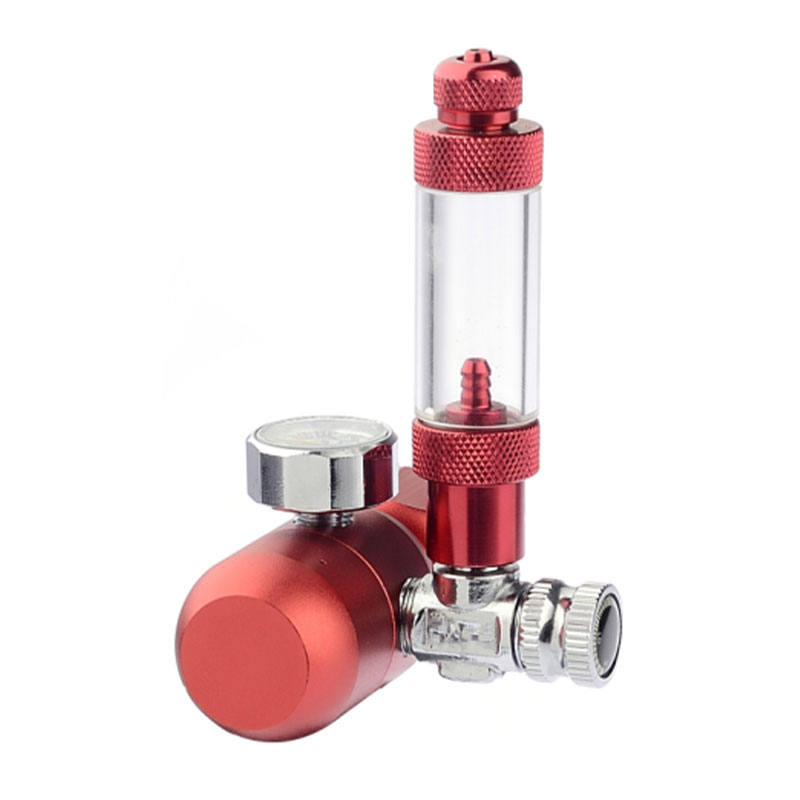
This aquarium plant CO2 pressure regulator is designed for aquatic plant landscaping and aquarium sy...
See Details -
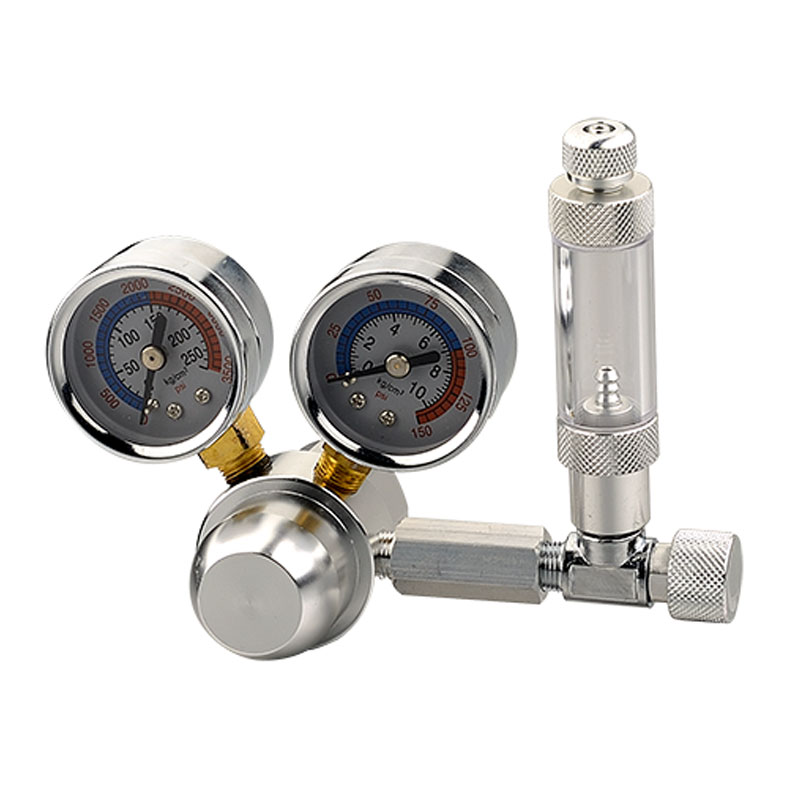
This compact CO2 regulator for aquarium plants is designed specifically for aquatic plant hobbyists ...
See Details -
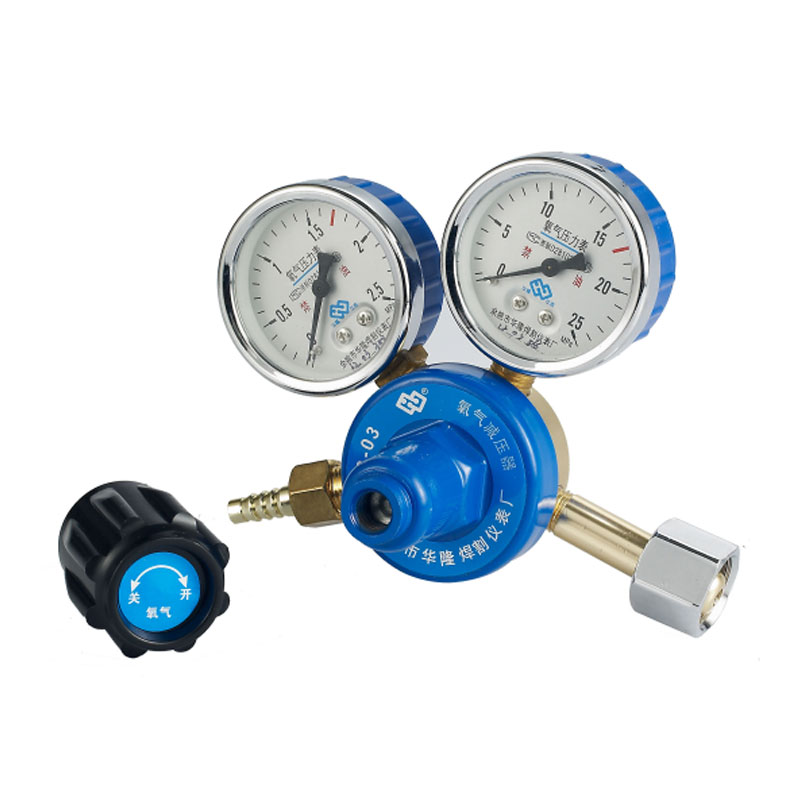
The OR-03 Precision Pressure Management Oxygen Regulator is a professional oxygen pressure reducing ...
See Details -
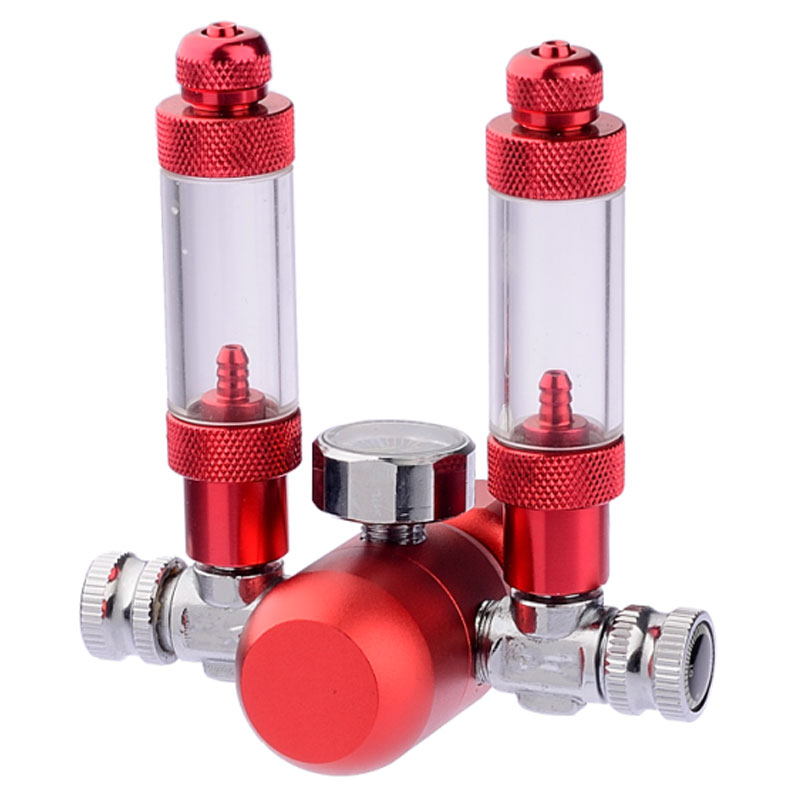
This environmentally friendly dual-gauge CO2 aquarium pressure regulator is designed for aquatic pla...
See Details -
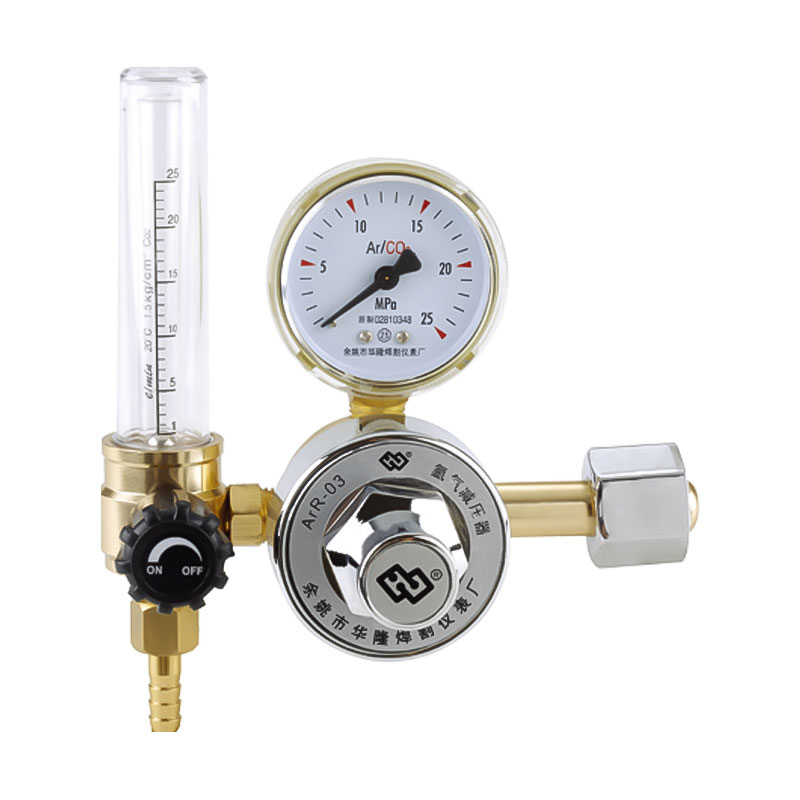
The ArR-02 Industrial Constant-Pressure Argon Regulator is a pressure management device designed for...
See Details -
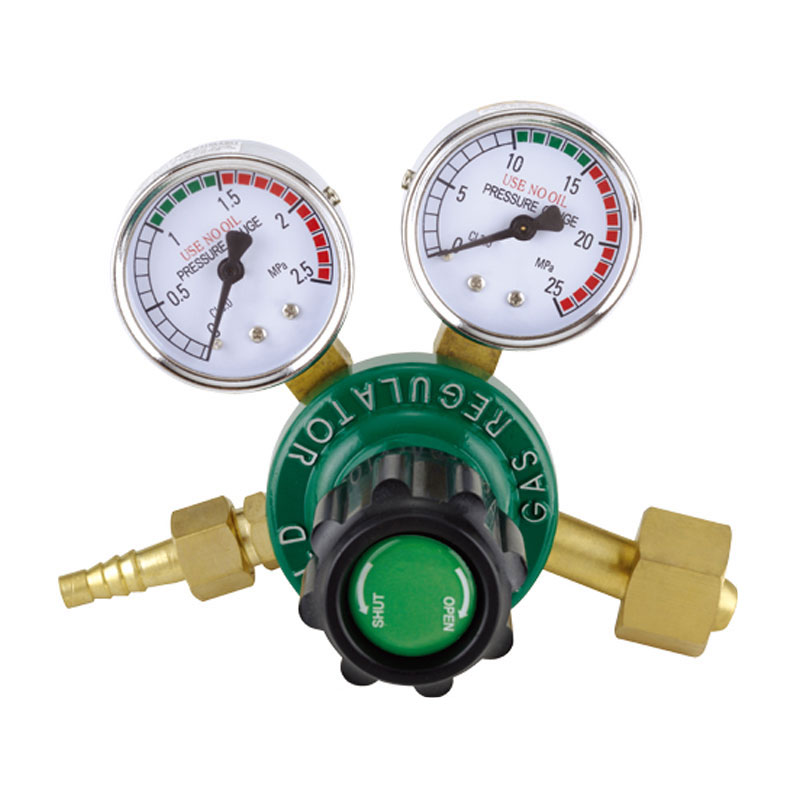
The OR-09 Customizable Pressure and Interface Oxygen Pressure Reducing Controller is designed for pr...
See Details -
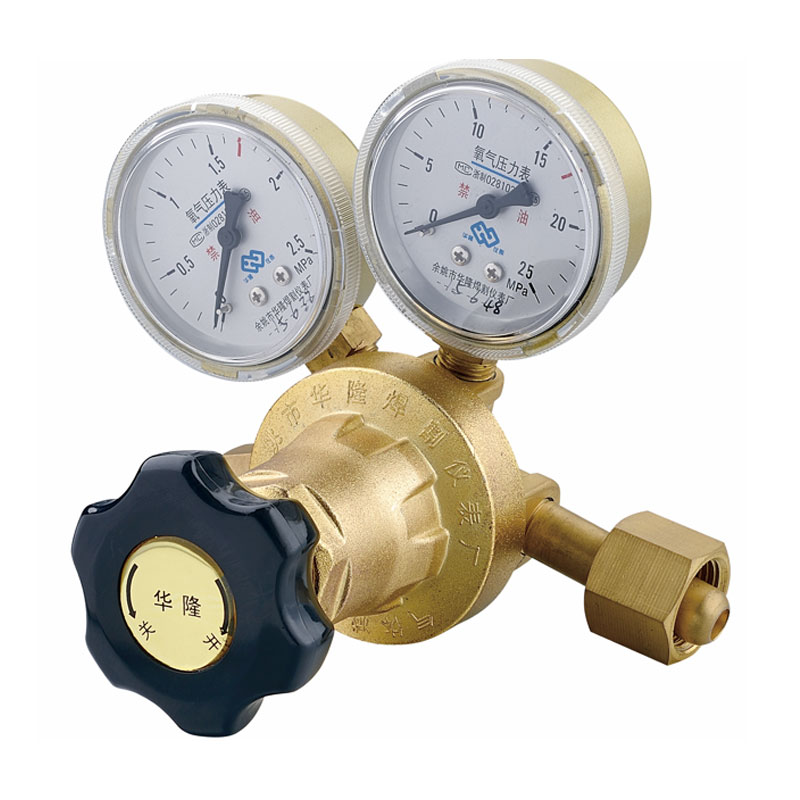
The OR-16 high-performance continuous supply oxygen pressure regulator is suitable for a variety of ...
See Details

- PRODUCTS
- Pressure Regulator for Welding and Cutting
- Aquarium Pressure Regulator
- Beer and Beverage Pressure Regulator
- Pipeline Pressure Reducer
- CONTACT INFO
-
-
+86-180 6927 8236

-
[email protected]

-
No.1358,Tanjialing West Road, Lanjiang Street,Yuyao, 315400, Zhejiang

-
- MOBILE QR CODE

