

 English
  русский
  Español
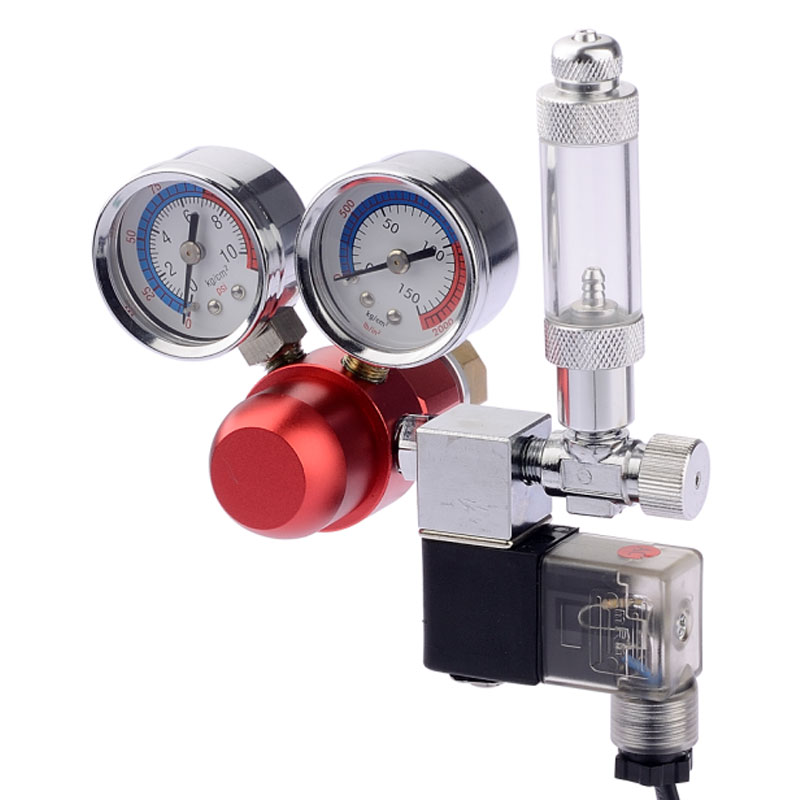
 This aquarium CO2 regulator with dual pressure gauges and single bubble counter is designed specific...
See DetailsWhat Are the Common Problems with Aquarium Pressure Regulators and How to Fix Them?
Industry News-1. Introduction: Understanding Aquarium Pressure Regulators
Aquarium pressure regulators are essential devices used to control the flow of gases such as CO2 or oxygen into fish tanks. These regulators reduce the high pressure from gas cylinders to a safe, consistent level that ensures aquatic life thrives without risk of harm. Improper gas flow can cause major problems: too much CO2 may lower water pH dangerously, stressing or even killing fish and plants, while too little gas can lead to poor plant growth or insufficient oxygenation.
Pressure regulators are designed to maintain stable gas delivery, but like any mechanical device, they are prone to wear, environmental damage, or improper handling. Identifying and addressing these issues early is critical for maintaining a healthy aquarium ecosystem. Aquarium enthusiasts often underestimate the importance of regulator maintenance, yet it plays a vital role in ensuring both fish and plants flourish.
Modern aquarium systems often include complex CO2 injection setups for planted tanks or oxygenation systems for fish-only tanks. A malfunctioning regulator in these setups can disrupt delicate balances, negatively affecting water chemistry, plant photosynthesis, and fish health. By understanding common regulator problems, aquarists can prevent damage, save costs on replacement equipment, and ensure a stable, healthy aquarium environment.
2. Common Problems with Aquarium Pressure Regulators
1. Pressure Fluctuations: One of the most frequently reported issues is inconsistent pressure output. A worn diaphragm, a misaligned valve, or loose connections can cause pressure to rise and fall unexpectedly. Fluctuating pressure can lead to inconsistent CO2 delivery, which affects plant growth and may stress or harm fish due to rapid pH swings.
2. Gas Leaks: Leaks often occur at connection points, seals, or O-rings. Gas leaks not only waste CO2 or oxygen but can also pose safety hazards, especially in enclosed spaces. Even small leaks reduce efficiency, potentially compromising aquarium conditions if gas delivery drops below required levels.
3. Blockages or Clogs: Mineral deposits, dust, or debris from gas cylinders can accumulate in valves or passages inside the regulator. This can restrict gas flow, causing insufficient diffusion in the tank and resulting in uneven gas distribution, which may harm plants or fish.
4. Inaccurate Gauges: Pressure gauges may lose calibration or become mechanically faulty over time. An inaccurate gauge can mislead aquarists, causing them to incorrectly adjust gas flow and unintentionally stress aquatic life.
5. Corrosion and Rust: Exposure to high humidity or water splashes can lead to corrosion, especially in metal regulators. Rusted components can seize, leak, or fail entirely, compromising the entire aquarium gas system.
3. Solutions to Common Problems
Each issue has specific remedies to restore regulator performance. For pressure fluctuations, checking and replacing worn diaphragms, tightening all fittings, and adjusting knobs carefully often resolves the problem. Gas leaks can usually be fixed by replacing O-rings, sealing connections with a gas-safe thread sealant, or tightening loose fittings.
Blockages should be removed by carefully disassembling the regulator and cleaning valves with manufacturer-approved solutions. Regular cleaning prevents mineral buildup and debris accumulation. Inaccurate gauges often require recalibration or replacement to ensure precise pressure monitoring. Corrosion can be minimized by keeping the regulator dry, applying anti-corrosion treatments, and promptly replacing affected parts.
| Problem | Cause | Solution |
|---|---|---|
| Pressure Fluctuations | Worn diaphragm, misaligned valve, loose connections | Replace diaphragm, tighten fittings, adjust knob carefully |
| Gas Leaks | Loose fittings, worn O-rings, damaged seals | Replace O-rings, seal fittings, tighten connections |
| Blockages or Clogs | Mineral deposits, dust, debris | Disassemble regulator and clean internal valves |
| Inaccurate Gauges | Mechanical wear or calibration drift | Recalibrate or replace gauge |
| Corrosion and Rust | Humidity or water exposure | Apply anti-corrosion coatings, replace damaged parts |
4. Maintenance Tips to Prevent Regulator Problems
Preventive maintenance is essential for prolonging regulator life. Regular inspection of all fittings, O-rings, and valves is recommended at least monthly, especially in high-use or high-humidity environments. Cleaning the regulator regularly removes dust, mineral deposits, and potential blockages before they become serious problems.
Proper storage is equally important. Regulators should be kept dry and away from water splashes when not in use, and protective covers or desiccants can further reduce moisture exposure. Monitoring gas flow rates and gauge readings allows early detection of anomalies, helping to prevent disruptions in aquarium gas delivery. Following manufacturer guidelines for handling, disassembly, and cleaning ensures safe, long-lasting operation. Routine maintenance not only prevents failure but also ensures the aquarium’s delicate ecosystem remains stable.
By investing time in proper care and timely repairs, aquarists can maintain consistent CO2 or oxygen delivery, protect aquatic life, and extend the lifespan of their equipment. Regular attention to regulator condition not only safeguards fish and plants but also enhances the overall efficiency and reliability of aquarium systems.
FAQ
Q1: How often should I inspect my aquarium pressure regulator?
A1: At least once a month, and more frequently in humid environments or large aquariums with complex gas systems.
Q2: Can I fix a regulator leak myself?
A2: Minor leaks at fittings or O-rings can usually be fixed at home, but internal mechanical issues may require professional servicing or replacement.
Q3: How can I tell if my gauge is inaccurate?
A3: Compare readings with a secondary, accurate gauge, or monitor gas delivery rates for inconsistencies.
Q4: What is the best way to prevent corrosion?
A4: Keep the regulator dry when not in use, avoid direct water contact, and apply anti-corrosion treatments if recommended by the manufacturer.
References
- American Aquarium Association. Aquarium Gas Regulation Handbook, 2022.
- Campbell, John. Aquarium Maintenance and Equipment Guide, 2020.
- Smith, Robert. CO2 Systems for Aquatic Plants, 2019.
- International Standards on Aquarium Equipment Safety, IEC, 2021.
Related products
-
-
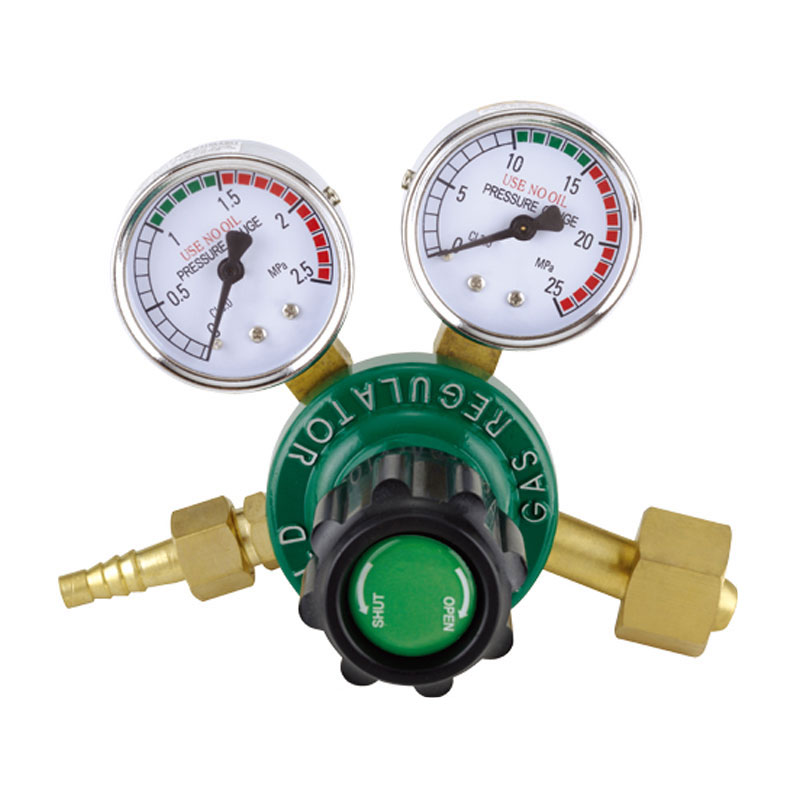
The OR-09 Customizable Pressure and Interface Oxygen Pressure Reducing Controller is designed for pr...
See Details -
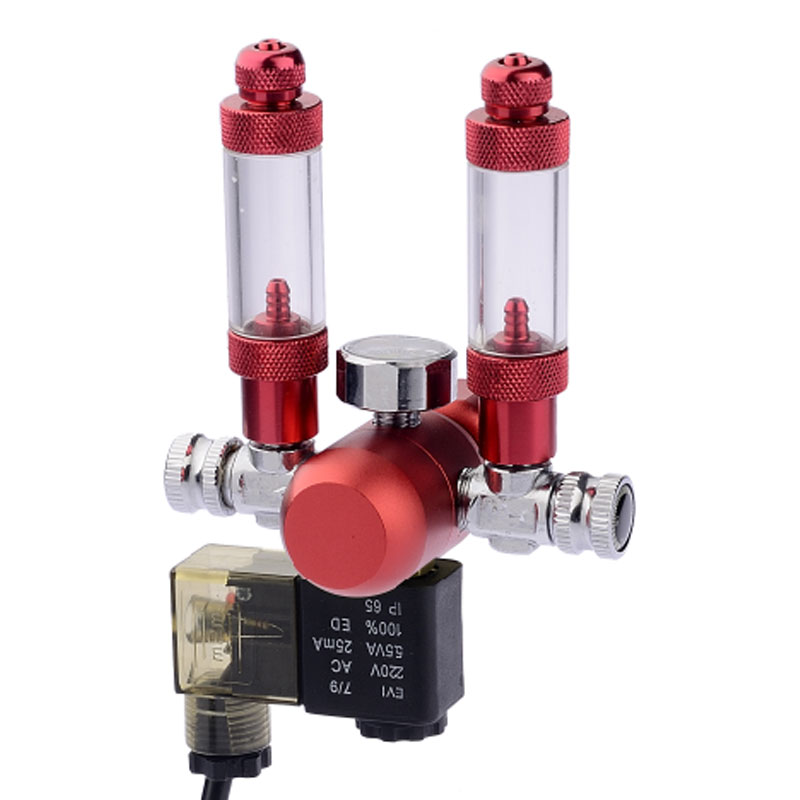
This aquarium CO2 regulator with dual bubble counters is designed for aquascaping and aquatic plant ...
See Details -
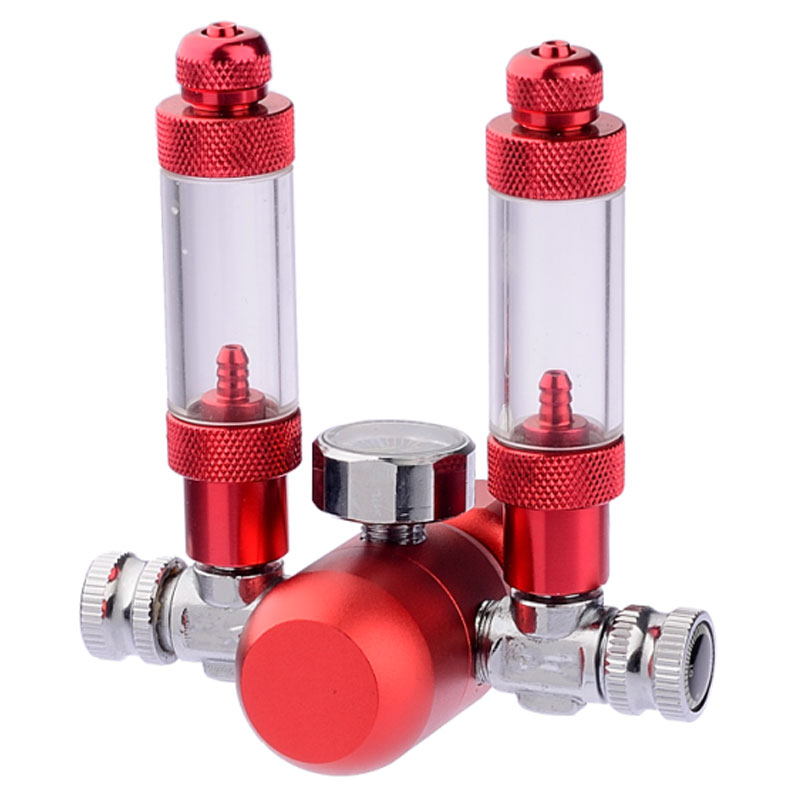
This environmentally friendly dual-gauge CO2 aquarium pressure regulator is designed for aquatic pla...
See Details -
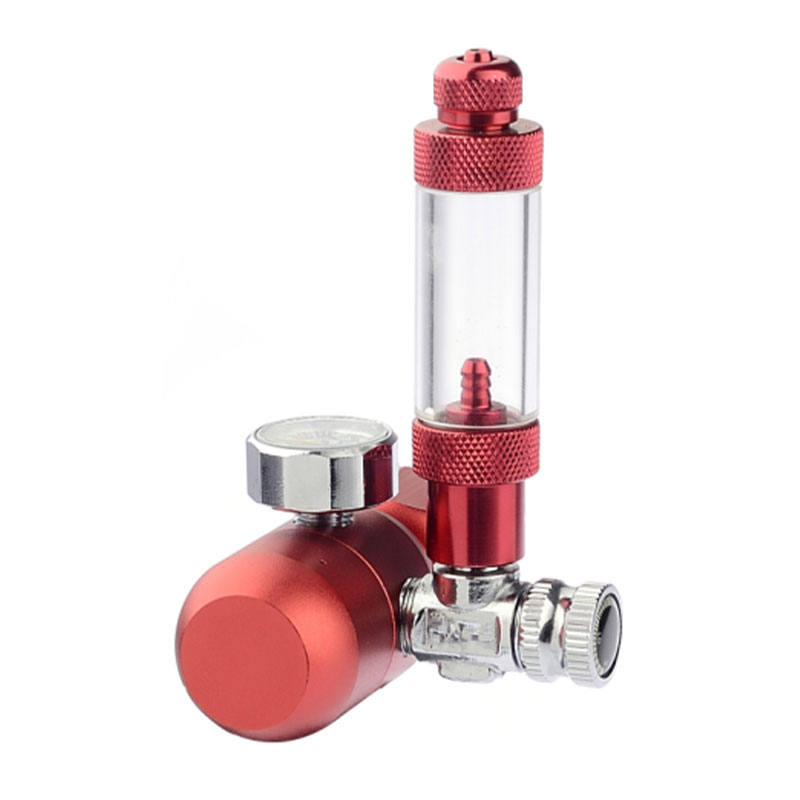
This aquarium plant CO2 pressure regulator is designed for aquatic plant landscaping and aquarium sy...
See Details -
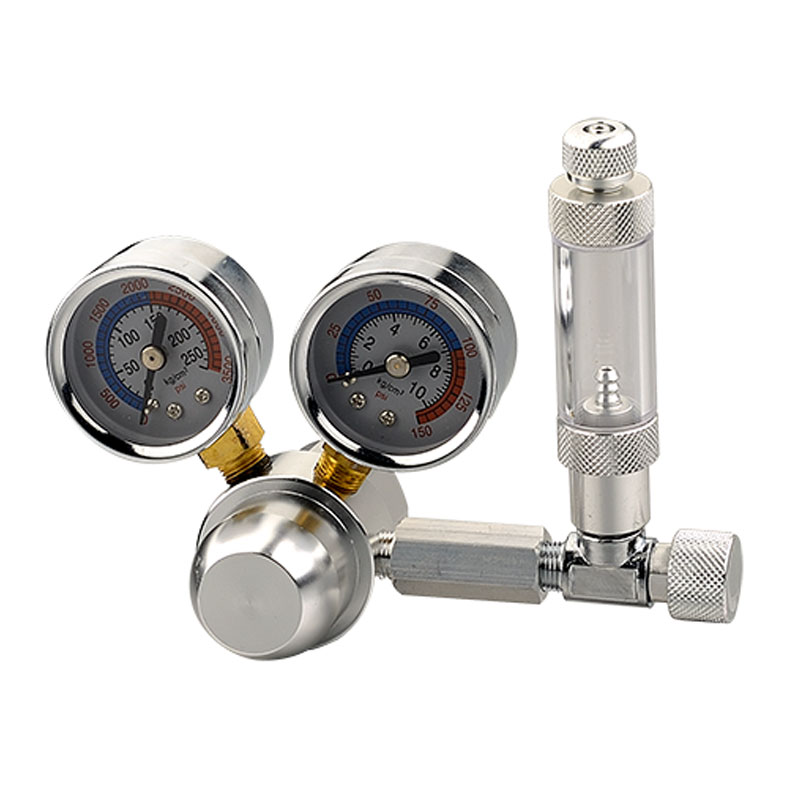
This compact CO2 regulator for aquarium plants is designed specifically for aquatic plant hobbyists ...
See Details -
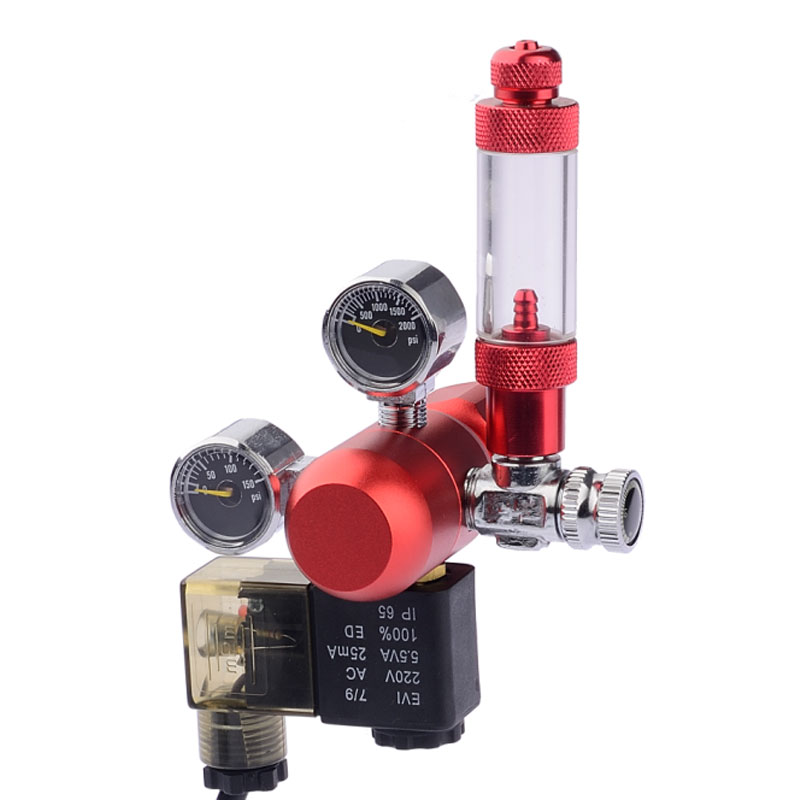
This aquarium CO2 regulator with solenoid valve and dual bubble counter is designed to provide a mor...
See Details -
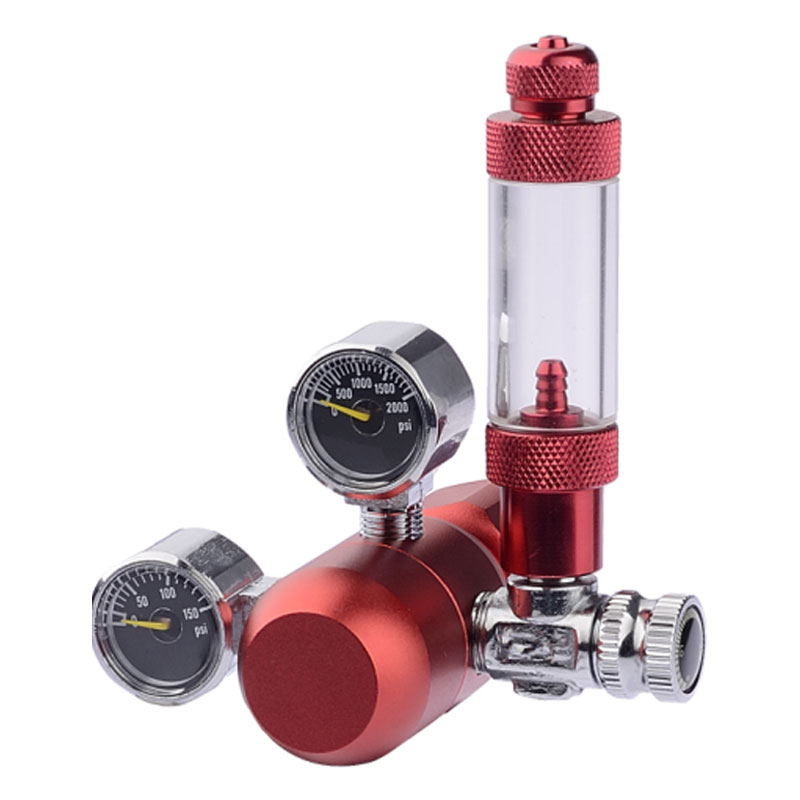
This digital CO2 regulator for aquarium systems provides stable gas support for aquatic plant landsc...
See Details

- PRODUCTS
- Pressure Regulator for Welding and Cutting
- Aquarium Pressure Regulator
- Beer and Beverage Pressure Regulator
- Pipeline Pressure Reducer
- CONTACT INFO
-
-
+86-180 6927 8236

-
[email protected]

-
No.1358,Tanjialing West Road, Lanjiang Street,Yuyao, 315400, Zhejiang

-
- MOBILE QR CODE

