

 English
  русский
  Español
 This aquarium CO2 regulator with dual pressure gauges and single bubble counter is designed specific...
See DetailsHow Does an Aquarium Pressure Regulator Work in Your Tank System?
Industry News-1. What Is an Aquarium Pressure Regulator and Why Do You Need One?
An aquarium pressure regulator is a device used to control and stabilize the flow of gas—usually CO₂ or air—into your aquarium. For planted tanks, CO₂ is essential for photosynthesis, which helps plants grow healthy and vibrant. For certain filtration systems, stable airflow ensures proper operation. Without a regulator, the gas from a pressurized cylinder could enter the tank at dangerously high pressure, potentially harming both plants and fish.
The main function of the regulator is to reduce high cylinder pressure to a safe and consistent output. For example, a typical CO₂ cylinder might have a pressure of 800–1000 psi, but the aquarium system only needs 20–40 psi. The regulator ensures that this transition happens smoothly, preventing sudden bursts of gas that could disturb the aquarium’s delicate ecosystem.
Additionally, a regulator allows precise flow control through a built-in needle valve. This is critical because too much CO₂ can suffocate fish, while too little can limit plant growth. Most regulators also come with pressure gauges that let you monitor both cylinder pressure and output pressure, giving you real-time information about the system.
| Feature | Purpose | Typical Value |
|---|---|---|
| Cylinder Pressure Gauge | Shows how full the gas cylinder is | 0–1000 psi |
| Output Pressure Gauge | Ensures safe delivery to aquarium | 20–40 psi |
| Needle Valve | Adjusts precise gas flow | 0–5 bubbles per second (for CO₂) |
| Check Valve | Prevents backflow | Standard in high-quality regulators |
An aquarium pressure regulator is essential for maintaining a balanced aquarium environment, protecting both equipment and aquatic life while enabling optimal plant growth. Without it, managing CO₂ or air flow in the tank would be unpredictable and risky.
2. How Does an Aquarium Pressure Regulator Work in Your Tank System?
An aquarium pressure regulator functions as the bridge between a high-pressure gas source and your aquarium system, ensuring the gas enters at a safe and stable pressure. The regulator is typically connected to a CO₂ cylinder for planted tanks or an air cylinder for certain filtration systems. The gas in these cylinders is stored at very high pressure—often hundreds of times higher than what the aquarium system can safely handle.
The regulator reduces this high pressure to a safe, usable level. For instance, while a CO₂ cylinder may be at 800 psi, your aquarium system only requires about 20–40 psi. By stepping down the pressure, the regulator prevents sudden bursts that could damage equipment, stress fish, or harm plants.
Beyond pressure reduction, a good regulator ensures stable output over time. As gas is used, cylinder pressure naturally drops, but the regulator compensates for this change to maintain a consistent flow rate. Many regulators include a needle valve to fine-tune gas delivery. This allows aquarists to control the exact number of CO₂ bubbles per second entering the aquarium, which is crucial for balancing plant photosynthesis with fish safety.
| Component | Function | Benefit |
|---|---|---|
| High-Pressure Gauge | Monitors cylinder pressure | Indicates when refill is needed |
| Low-Pressure Gauge | Shows output pressure to aquarium | Ensures safe delivery |
| Needle Valve | Adjusts precise flow | Prevents overdosing or underdosing CO₂ |
| Check Valve | Prevents backflow from tank | Protects equipment from water damage |
Related products
-
-
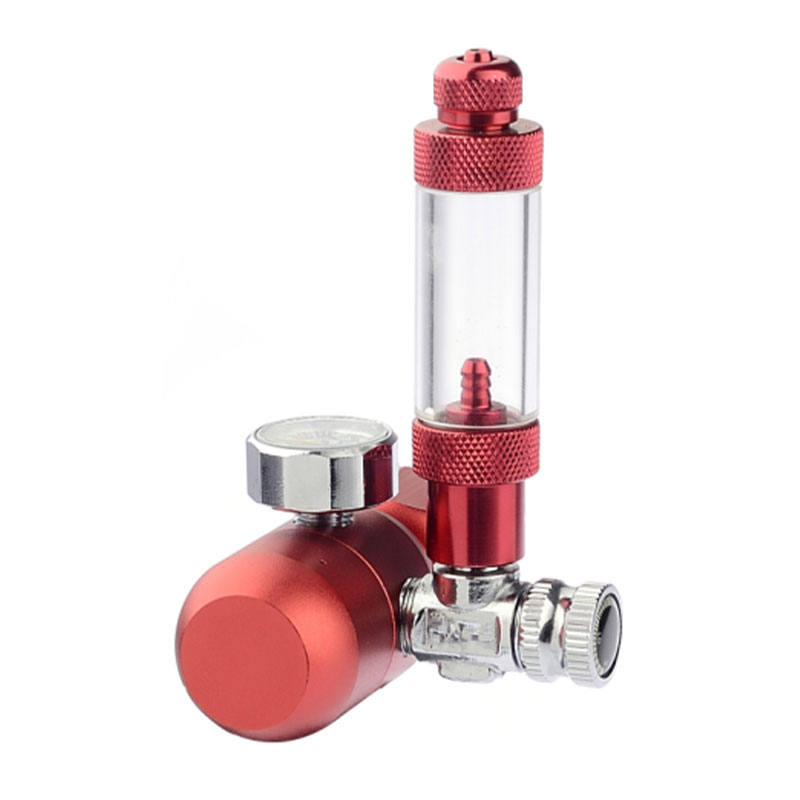
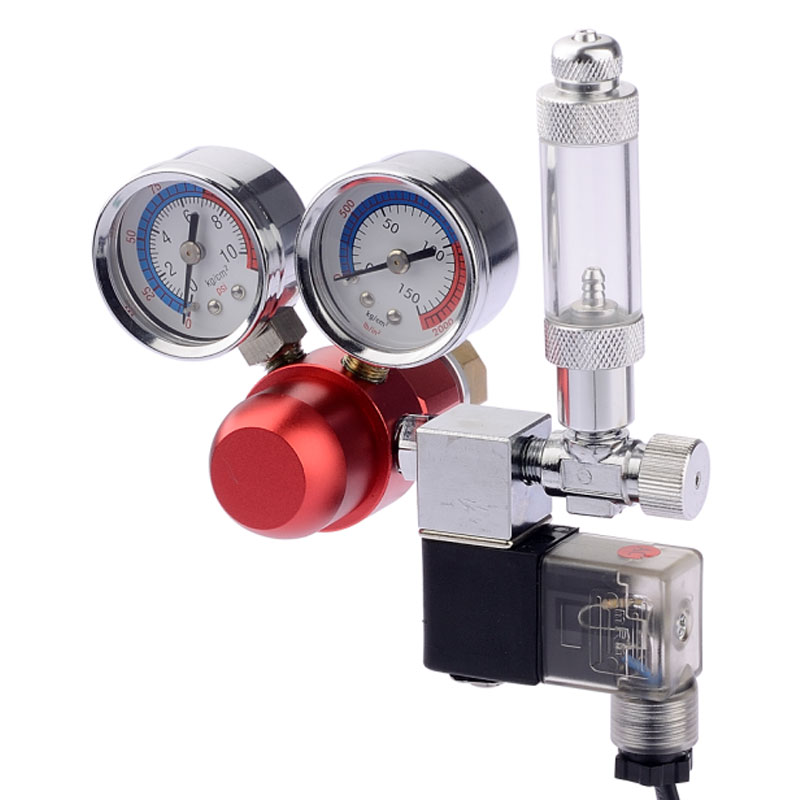
This aquarium plant CO2 pressure regulator is designed for aquatic plant landscaping and aquarium sy...
See Details -
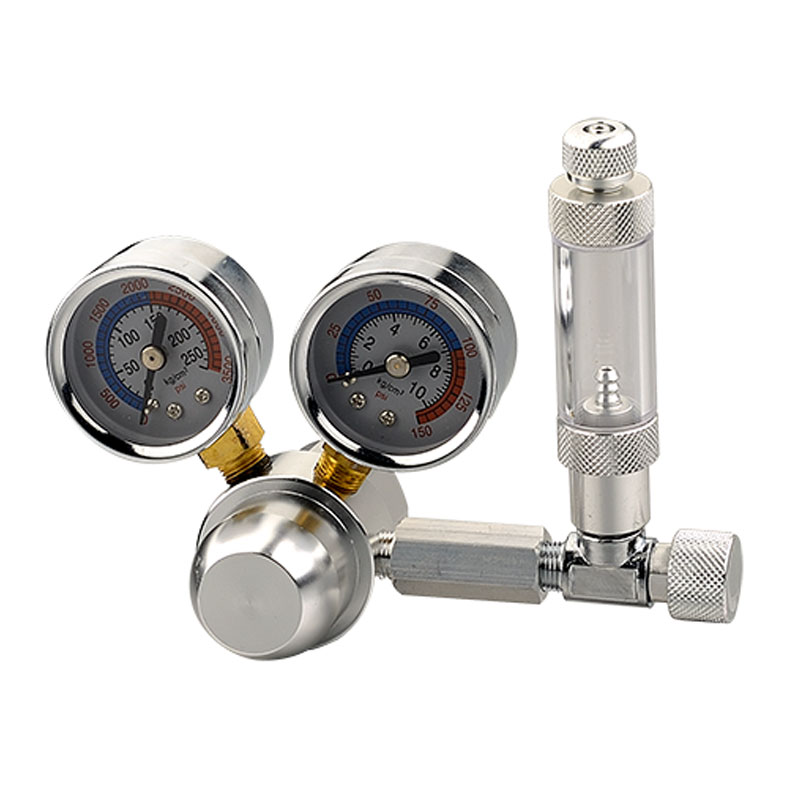
This compact CO2 regulator for aquarium plants is designed specifically for aquatic plant hobbyists ...
See Details -
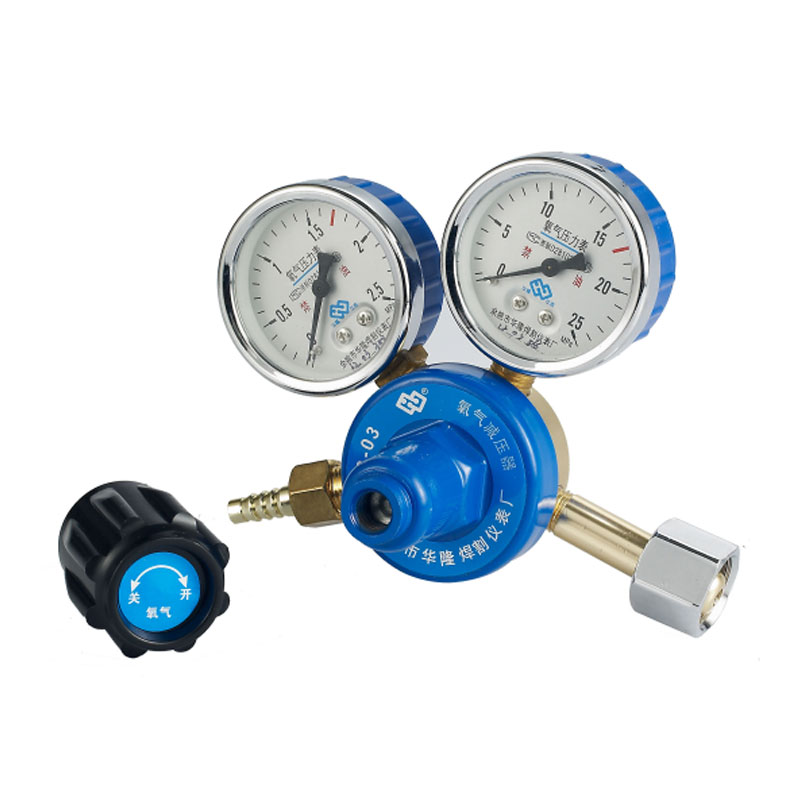
The OR-03 Precision Pressure Management Oxygen Regulator is a professional oxygen pressure reducing ...
See Details -
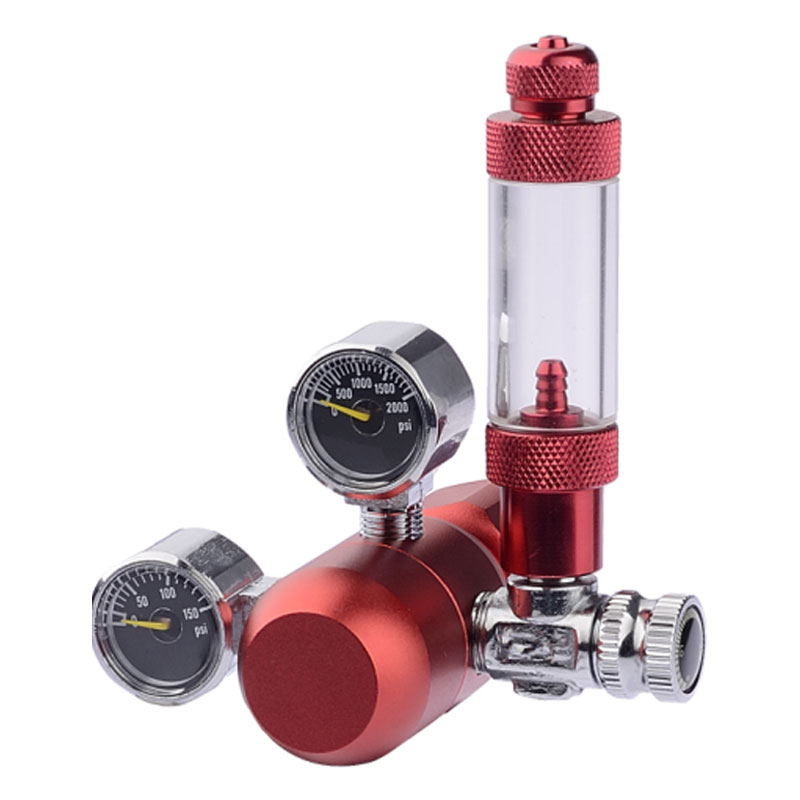
This digital CO2 regulator for aquarium systems provides stable gas support for aquatic plant landsc...
See Details -
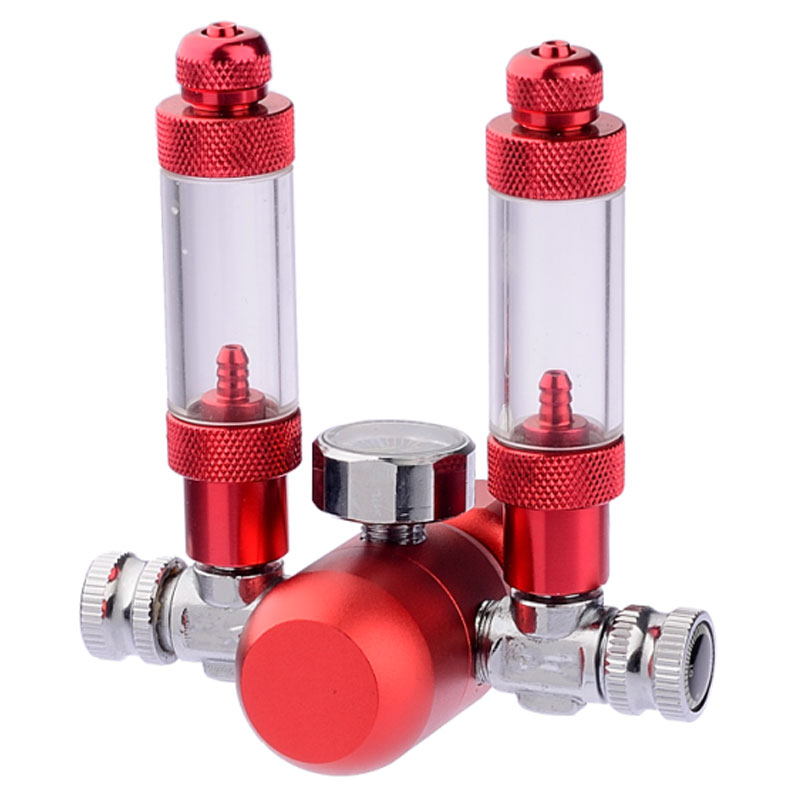
This environmentally friendly dual-gauge CO2 aquarium pressure regulator is designed for aquatic pla...
See Details -
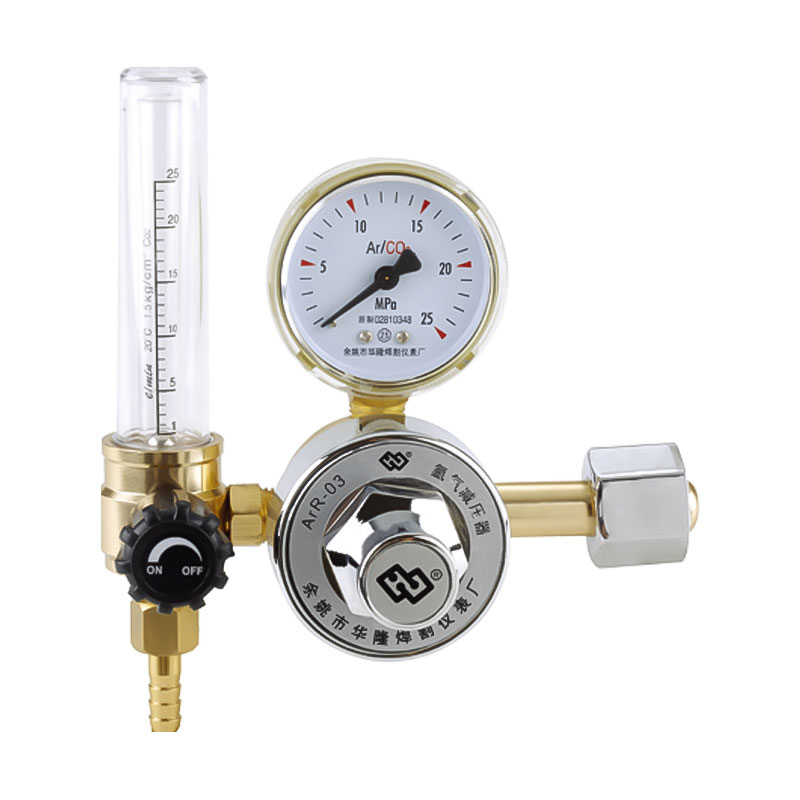
The ArR-02 Industrial Constant-Pressure Argon Regulator is a pressure management device designed for...
See Details -
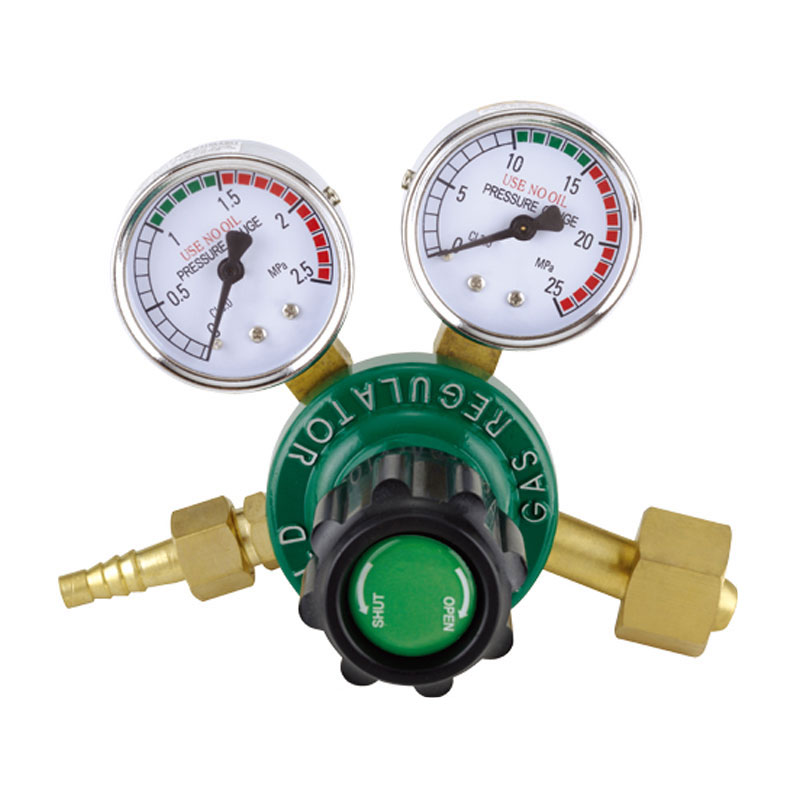
The OR-09 Customizable Pressure and Interface Oxygen Pressure Reducing Controller is designed for pr...
See Details

- PRODUCTS
- Pressure Regulator for Welding and Cutting
- Aquarium Pressure Regulator
- Beer and Beverage Pressure Regulator
- Pipeline Pressure Reducer
- CONTACT INFO
-
-
+86-180 6927 8236

-
[email protected]

-
No.1358,Tanjialing West Road, Lanjiang Street,Yuyao, 315400, Zhejiang

-
- MOBILE QR CODE

