

 English
  русский
  Español
 The LR-102 pipeline natural gas pressure reducer is designed specifically for industrial pipeline na...
See DetailsWhat are the Most Common Causes of Pipeline Pressure Reducer Failure?
Industry News-A pipeline pressure reducer (also known as a Pressure Reducing Valve or PRV) is a precision-engineered instrument designed to maintain a stable downstream pressure regardless of fluctuations in the inlet pressure or flow rate. In industrial B2B environments—ranging from municipal water systems to steam-fed manufacturing plants—the failure of this component is rarely a singular event but rather a symptom of systemic issues. When a PRV fails, it can lead to “water hammer,” equipment damage, or significant energy loss.
Debris Ingress and Internal Contamination
The Mechanics of Sediment Accumulation
The single most frequent cause of pressure reducer failure is the presence of foreign matter within the pipeline. In many industrial settings, upstream piping may be composed of aging carbon steel or cast iron, which naturally sheds rust, scale, and calcium deposits over time. During periods of high flow or after system maintenance, these particles become airborne within the fluid stream and migrate toward the narrow orifices of the pressure reducer.
When these particles enter the valve body, they tend to settle in the “dead zones” or near the valve seat. Because the gap between the valve plug and the seat is often measured in millimeters to maintain precise regulation, even a small grain of sand can prevent the valve from closing fully. This leads to a phenomenon known as “pressure creep,” where the downstream pressure slowly rises to match the inlet pressure during no-flow periods, potentially bursting downstream seals or gaskets.
Erosion and Scoring of Internal Surfaces
Beyond simple blockages, debris acts as an abrasive agent. When high-pressure fluid forces hard particles through the constricted space of a partially open valve, it creates a “sandblasting” effect. This process, often called wire-drawing, carves microscopic grooves or “scores” into the polished surfaces of the valve seat and plug.
Once the integrity of these sealing surfaces is compromised, a metal-to-metal or soft-seat seal becomes physically impossible. Even if the debris is eventually flushed out, the permanent damage remains, leading to a constant leak. In chemical processing or high-pressure steam applications, this erosion is accelerated by the velocity of the media, making the selection of hardened trim materials (such as Stellite or 316 Stainless Steel) essential for longevity.
Component Fatigue: Diaphragms and Springs
Diaphragm Degradation and Rupture
The diaphragm serves as the sensory interface of the pressure reducer, reacting to downstream pressure changes to modulate the valve position. Most industrial PRVs utilize elastomers like EPDM, Nitrile (Buna-N), or Viton. These materials, while resilient, are subject to chemical and thermal fatigue.
Over thousands of cycles, the material loses its elasticity—a process known as “compression set.” If the fluid contains traces of oils or chemicals incompatible with the elastomer, the diaphragm may swell, stiffen, or develop micro-cracks. A ruptured diaphragm is a critical failure; it allows fluid to bypass the sensing chamber and enter the spring housing. This usually results in fluid leaking from the atmospheric vent or the “bonnet,” rendering the valve incapable of holding its set point. In steam systems, “cooking” the diaphragm due to a failed cooling water seal or lack of a syphon loop is a leading cause of premature failure.
Spring Fatigue and Calibration Drift
The adjustment spring provides the mechanical counterforce to the downstream pressure. While springs are designed for high cycles, they are not immune to environmental stress. In corrosive environments (such as coastal areas or chemical plants), the spring can suffer from stress corrosion cracking.
Furthermore, if a valve is operated at the extreme upper or lower limit of its rated spring range, it can suffer from “creep.” This is a slow deformation where the spring no longer returns to its original height, causing the valve to “drift” from its calibrated set point. Frequent manual adjustments to the pilot or the main spring are often early warning signs that the mechanical components are losing their structural integrity.
Incorrect Sizing and the Destructive Effects of Cavitation
The Risks of Oversizing in B2B Procurement
A pervasive myth in pipeline engineering is that the pressure reducer should match the diameter of the existing pipe. In reality, a PRV sized for a 4-inch pipe that only handles the flow requirement of a 2-inch pipe will fail prematurely. This is because the valve must operate in a “near-closed” position to achieve the necessary pressure drop.
This “throttling” near the seat causes high-velocity turbulence and a phenomenon known as “chatter.” Chatter is the rapid, violent oscillation of the valve plug against the seat. This mechanical vibration can shake the valve’s internal stem, loosen fasteners, and cause fatigue failure in the diaphragm. For systems with wide variations between minimum and maximum flow (such as a hotel or a multi-shift factory), a “staged” installation—using two smaller valves in parallel—is the only way to prevent oversizing-related failure.
Cavitation and Material Erosion
In liquid systems, cavitation occurs when the local pressure drops below the vapor pressure of the liquid, forming bubbles that then collapse violently as the pressure recovers. This collapse generates localized shockwaves with pressures exceeding 100,000 psi.
The sound of cavitation is often described as “rocks or gravel moving through the pipe.” This force literally pits and eats away at the valve body and internal trim, often leaving the metal looking like a sponge. Cavitation is most common when there is a very high pressure-reduction ratio (e.g., reducing 150 psi to 30 psi in a single stage). To prevent this, engineers must calculate the Cavitation Index and, if necessary, install two valves in series to share the pressure drop.
Technical Specifications and Failure Indicator Table
To help maintenance teams identify root causes quickly, refer to the following diagnostic table:
| Failure Symptom | Physical Observation | Likely Root Cause |
|---|---|---|
| Pressure Creep | Downstream pressure matches upstream at zero flow | Debris on seat or scored sealing surfaces |
| Hunting/Cycling | Constant movement of the valve stem or gauge | Valve is oversized or pilot sensitivity is too high |
| External Leakage | Fluid escaping from the bonnet vent hole | Diaphragm rupture or O-ring failure |
| Loud Vibrations | High-pitched whistle or “gravel” sound | Cavitation or excessive flow velocity |
| Inconsistent Setting | Pressure fluctuates despite manual adjustment | Spring fatigue or internal friction (binding) |
FAQ
How often should a pipeline pressure reducer be serviced?
For standard water applications, a yearly visual inspection and a 3-year internal rebuild are recommended. For high-purity or steam systems, inspections should occur every 6 months due to the higher risk of thermal fatigue.
Can I install a pressure reducer in any orientation?
Most diaphragm-operated PRVs should be installed in a horizontal pipe with the spring bonnet facing upward. Installing a valve upside down or vertically can lead to air pockets in the sensing chamber and uneven wear on the stem guides, leading to premature failure.
Does a strainer really prevent 70% of failures?
Yes. In the manufacturing sector, statistics show that over two-thirds of PRV failures are directly caused by debris. A Y-strainer with a 20-mesh or 40-mesh screen installed upstream is the most cost-effective insurance for your pipeline system.
References
- ANSI/ISA-75.01.01: Flow Equations for Sizing Control Valves, International Society of Automation.
- ASME B16.34: Valves Flanged, Threaded, and Welding End, American Society of Mechanical Engineers.
- FCI 70-2: Control Valve Seat Leakage, Fluid Controls Institute.
- ISO 9001:2015: Quality Management Systems for Industrial Valve Manufacturing and Maintenance.
Related products
-
-
The LR-100 pipeline LPG pressure reducer is designed specifically for industrial liquefied petroleum...
See Details -
The OR-63-1 (Model 155) industrial pipeline oxygen pressure regulator is a pressure regulating devic...
See Details -
The OR-63 (Model 155) durable pipeline oxygen pressure reducer is designed specifically for industri...
See Details -
.jpg "OR-62(YQY-754)Pipeline Oxygen Pressure Reducer")
The OR-62 (YQY-754) pipeline oxygen pressure reducer is designed specifically for industrial pipelin...
See Details -
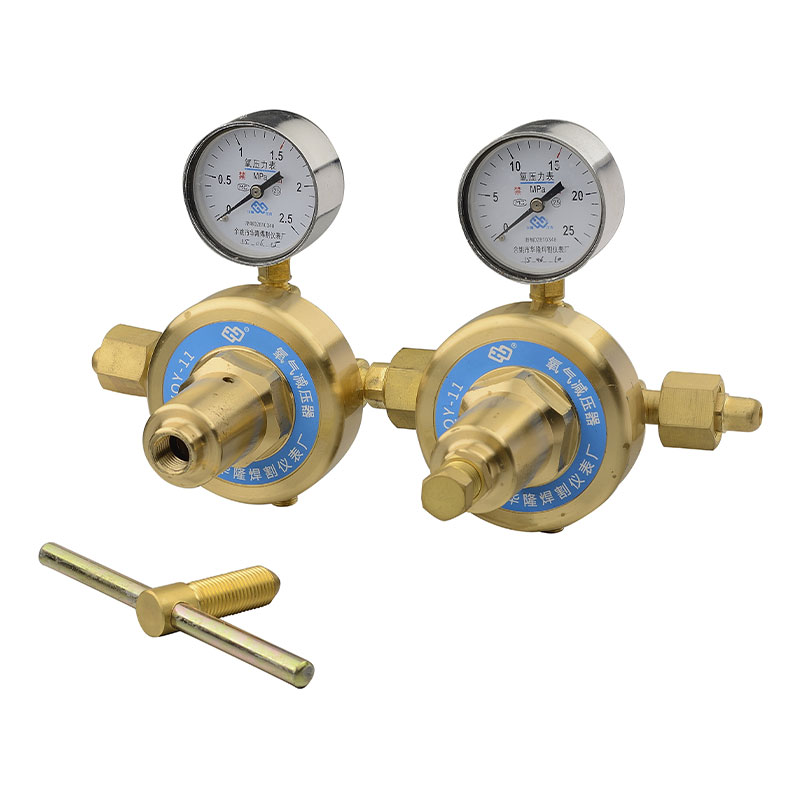
The OR-60 (YQY-11) large-scale pipeline oxygen pressure reducer is specifically designed for industr...
See Details -
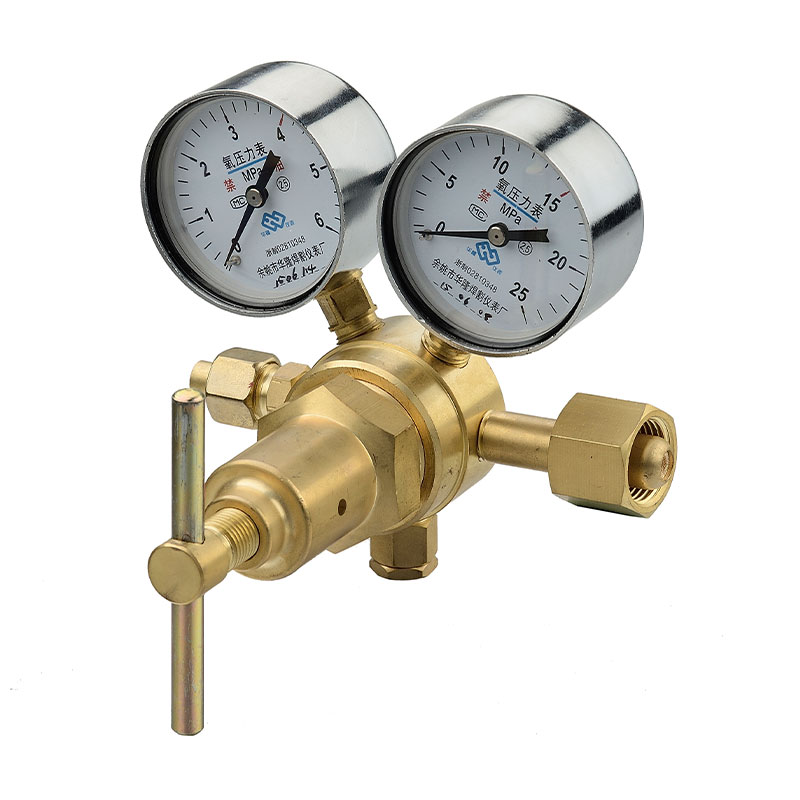
The OR-59-1 (YQY-370-1) industrial oxygen pipeline pressure reducer is designed specifically for ind...
See Details -
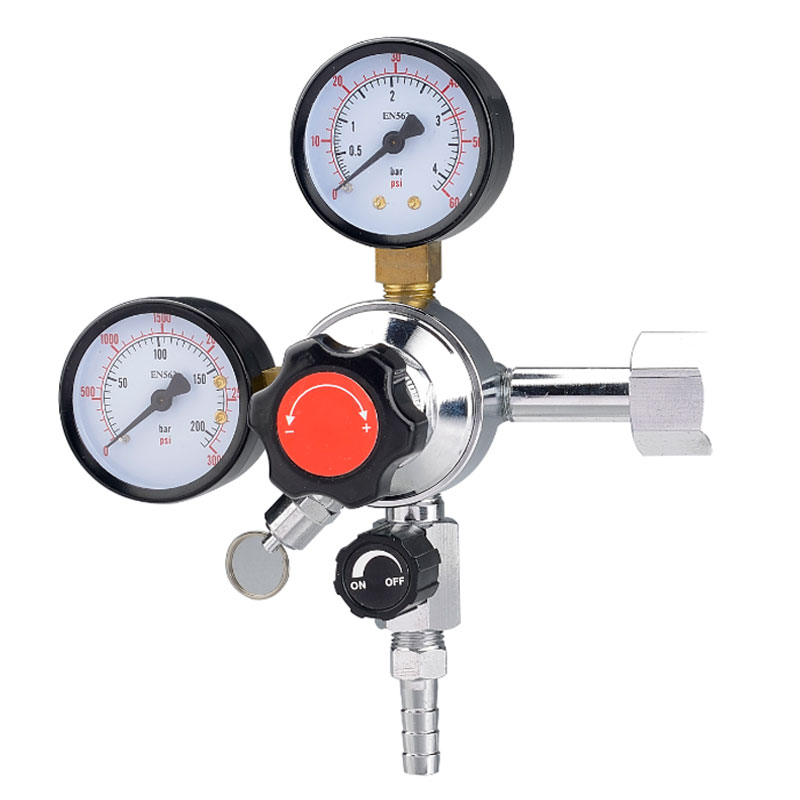
The multifunctional CO2 pressure reducer with ball valve interface is a gas control device designed ...
See Details

- PRODUCTS
- Pressure Regulator for Welding and Cutting
- Aquarium Pressure Regulator
- Beer and Beverage Pressure Regulator
- Pipeline Pressure Reducer
- CONTACT INFO
-
-
+86-180 6927 8236

-
[email protected]

-
No.1358,Tanjialing West Road, Lanjiang Street,Yuyao, 315400, Zhejiang

-
- MOBILE QR CODE

