

 English
  русский
  Español
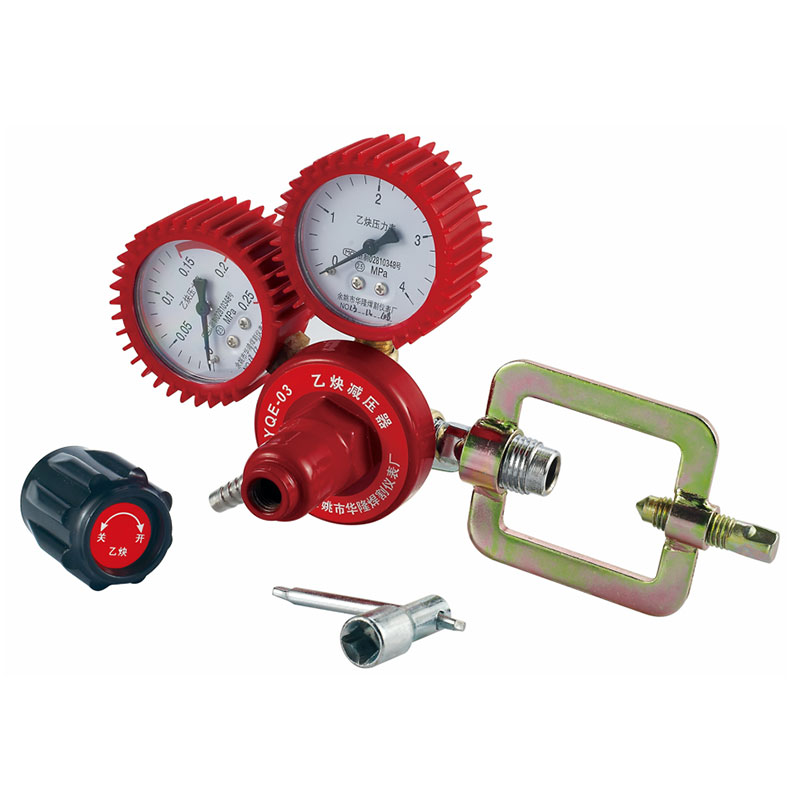
 The AR-02 Acetylene Gas Regulator is a pressure control device designed for use with acetylene gas, ...
See DetailsWhy Does Your Beverage Regulator Keep Freezing Up During Service?
Industry News-Why Does Your Beverage Regulator Keep Freezing Up During Service?
The sight of a frost-covered regulator in the middle of a busy shift is a common nightmare for bar managers and beverage technicians. While it might look like a minor aesthetic issue, a freezing Beer and Beverage Pressure Regulator is a physical manifestation of a system pushed beyond its limits. When ice builds up, internal components like the diaphragm and the valve seat can become brittle or stuck, leading to inaccurate pressure readings, inconsistent carbonation, and eventually, a total failure of the gas delivery system. Understanding the science and the mechanical triggers behind this phenomenon is the first step toward maintaining a reliable draft system.
The Physics of the Freeze: The Joule-Thomson Effect
To solve the freezing problem, one must first understand the Joule-Thomson Effect. Inside a CO2 or Nitrogen cylinder, the gas is stored under immense pressure—often exceeding 800 PSI (pounds per square inch). As this gas passes through the tiny orifice of the regulator to be stepped down to a working pressure (typically 10–15 PSI for beer), it undergoes rapid expansion.
Thermodynamic Cooling
Physics dictates that when a gas expands rapidly without an external heat source, its temperature drops significantly. This is because the gas molecules use their internal kinetic energy to overcome intermolecular forces during expansion. In high-volume environments, this temperature drop is so drastic that the metal body of the regulator falls below the freezing point of water.
Condensation and Accretion
Once the regulator body reaches sub-zero temperatures, it begins to act as a heat sink, drawing moisture from the surrounding air. In humid environments or cold walk-in coolers, this moisture instantly crystallizes into frost. If the gas flow remains constant, the frost layer thickens into solid ice, which can insulate the “cold,” making it even harder for the regulator to return to ambient temperature.
Common Operational Triggers
While the physics remains constant, certain operational factors exacerbate the freezing. The most frequent culprit is high flow demand. If a bar is running a “pitcher special” or serving back-to-back drinks across multiple taps, the regulator is forced to process a continuous stream of expanding gas. Without a “rest period” to absorb heat from the environment, the cooling effect becomes cumulative.
Another major factor is the storage environment. Many establishments keep their gas tanks inside the walk-in cooler to save space. Since the ambient temperature in a cooler is already near 38°F (3°C), the regulator has very little thermal “buffer” before it hits the freezing mark. Placing a regulator in a cold room significantly increases the likelihood of internal ice formation, which is far more dangerous than external frost as it can cause the regulator to “creep” or fail to shut off the gas flow.
Identifying and Troubleshooting the Culprits
Identifying why your regulator is freezing requires a systematic approach to the entire gas chain. It is rarely a “broken” regulator in the traditional sense; rather, it is usually a mismatch between the equipment’s capacity and the system’s demand. By examining the hardware and the gas quality, you can pinpoint the specific bottleneck.
Hardware Mismatches and Sizing Issues
A frequent mistake in draft system design is using a single-body regulator for a multi-tap system. If one regulator is responsible for feeding eight or more kegs, the volume of gas passing through that single orifice is enormous. This “bottlenecking” accelerates the Joule-Thomson effect.
The Importance of Surface Area
Higher-quality, commercial-grade regulators are often built with larger brass bodies. Brass is an excellent thermal conductor. A larger body provides more surface area to absorb heat from the surrounding air, which helps counteract the cooling effect of the expanding gas. If you are using a compact “home-brew” style regulator in a high-volume commercial setting, it simply lacks the thermal mass to stay warm.
Gas Quality and Contaminants
The quality of the CO2 or Nitrogen itself plays a role. If there is even a trace amount of moisture inside the gas cylinder—often due to improper tank refilling or a lack of residual pressure valves—that moisture will freeze inside the regulator’s high-pressure seat. This creates a “stuck” valve situation where the pressure may suddenly spike or drop to zero.
| Problem Factor | Immediate Impact | Long-term Consequence |
|---|---|---|
| High Ambient Humidity | Rapid external ice buildup on gauges. | Corrosion of the regulator body and springs. |
| Undersized Regulator | Frequent freezing during peak hours. | Diaphragm fatigue and inaccurate PSI delivery. |
| Internal Moisture | Valve seat “sticking” and pressure spikes. | Complete regulator failure and potential keg over-pressurization. |
| Liquid Carryover | Instant “deep freeze” of the entire unit. | Permanent damage to internal seals and gauges. |
The Danger of Liquid CO2 Carryover
Perhaps the most severe cause of freezing is the introduction of liquid CO2 into the regulator. CO2 is stored in the tank as a liquid with a gas pocket at the top. If a tank is knocked over or used while laying on its side, the liquid phase enters the regulator. Liquid CO2 is incredibly cold and expands at a ratio of hundreds-to-one. This will not only freeze the regulator instantly but can also shatter the internal diaphragm or blow out the safety relief valve (PRV). Always ensure tanks are secured upright with safety chains or brackets.
Professional Solutions and Prevention Strategies
Preventing a frozen regulator is essential for maintaining pour quality and reducing waste. Once you have identified the cause—be it volume, environment, or hardware—you can implement professional-grade solutions ranging from simple environmental shifts to advanced hardware upgrades.
Environmental and Layout Adjustments
The simplest fix is often a change in location. If your gas tanks are currently inside the refrigerated keg room, consider moving them to a “house-temp” area and running a high-pressure hose through the wall into the cooler. By keeping the primary regulator in a 70°F (21°C) environment, you provide it with a massive thermal reservoir to draw from, virtually eliminating external frost issues.
Utilizing Secondary Regulators
A “Primary-Secondary” setup is the industry standard for high-volume bars. In this configuration, the primary regulator at the tank drops the pressure from 800 PSI to a manageable 50–60 PSI. This gas then travels to a Secondary Regulator Panel inside the cooler, which drops the pressure further to the 12 PSI needed for the kegs. By splitting the pressure drop into two stages, the temperature drop is also divided, preventing any single component from reaching the freezing point.
Advanced Hardware Upgrades
For systems that simply cannot be moved or that handle extreme volumes (such as stadium pour systems), specialized hardware is required.
- Regulator Heaters: These are electric heating elements that wrap around the regulator body. They provide a constant source of thermal energy to counteract the Joule-Thomson effect, ensuring the metal stays warm regardless of gas flow.
- High-Flow Carbonators: In some soda and beverage applications, a heated high-flow carbonator is used to pre-warm the gas or manage the expansion in a controlled chamber.
- Fin-Style Regulators: Some industrial-grade regulators feature “fins” (similar to a radiator) to maximize heat exchange with the air.
Maintenance and Best Practices
Regular maintenance is the final piece of the puzzle. Over time, the internal spring and diaphragm of a Beer and Beverage Pressure Regulator can lose their elasticity, especially if they are frequently subjected to freeze-thaw cycles.
- Inspect Seals Regularly: Cold temperatures cause rubber O-rings to shrink and harden. Check for tiny leaks around the tank connection using a soapy water solution.
- Purge New Tanks: Before connecting a fresh CO2 tank, “crack” the valve for a split second to blow out any dust or moisture that might have collected in the valve opening.
- Monitor the PRV: Ensure the Pressure Relief Valve is not frozen shut. A frozen PRV is a major safety hazard, as it cannot vent excess pressure if the regulator fails.
Frequently Asked Questions (FAQ)
Q: Is it safe to use a hair dryer or torch to thaw a frozen regulator?
A: Never use a torch or open flame. The rapid, uneven heating can damage the internal diaphragm or cause the metal body to crack. A hair dryer on a low, warm setting is generally safe, but the best method is to simply stop the gas flow and let it thaw naturally or move it to a warmer room.
Q: Why is my regulator freezing even when I’m not pouring many drinks?
A: This usually indicates a leak downstream in the system. If a beer line or coupler is leaking, the gas is flowing constantly to maintain pressure, causing the regulator to freeze even during “idle” times.
Q: Can I use a Nitrogen regulator on a CO2 tank to prevent freezing?
A: No. Nitrogen and CO2 regulators have different thread patterns (CGA-580 vs. CGA-320) and are calibrated for different pressures. Using adapters can be dangerous. Instead, ensure you have the correct high-flow model for your specific gas type.
Q: Will a frozen regulator affect the taste of my beer?
A: Indirectly, yes. A frozen regulator often fails to maintain consistent PSI, leading to “break-out” (CO2 coming out of solution in the lines), which results in a glass of foam and flat-tasting beer.
References
- The Master Brewers Association of the Americas (MBAA): Beer Steward Handbook, Second Edition.
- Draught Beer Quality Manual (DBQM) by the Brewers Association.
- Journal of Food Engineering: Thermodynamic Properties of CO2 in Beverage Carbonation Systems.
- National Safety Council: Safe Handling of Compressed Gases in the Hospitality Industry.
Related products
-
-
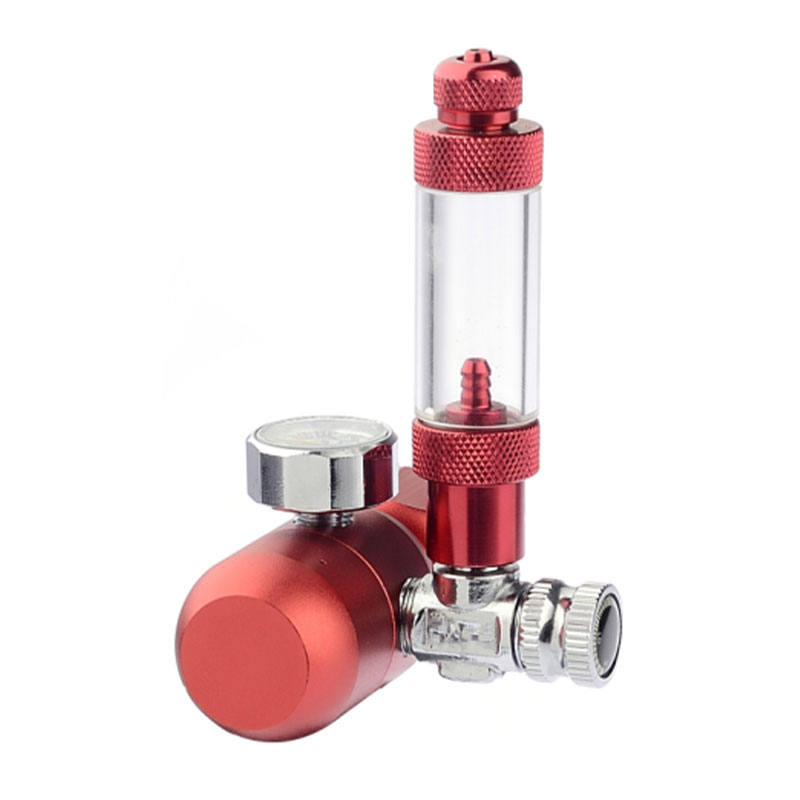
This aquarium plant CO2 pressure regulator is designed for aquatic plant landscaping and aquarium sy...
See Details -
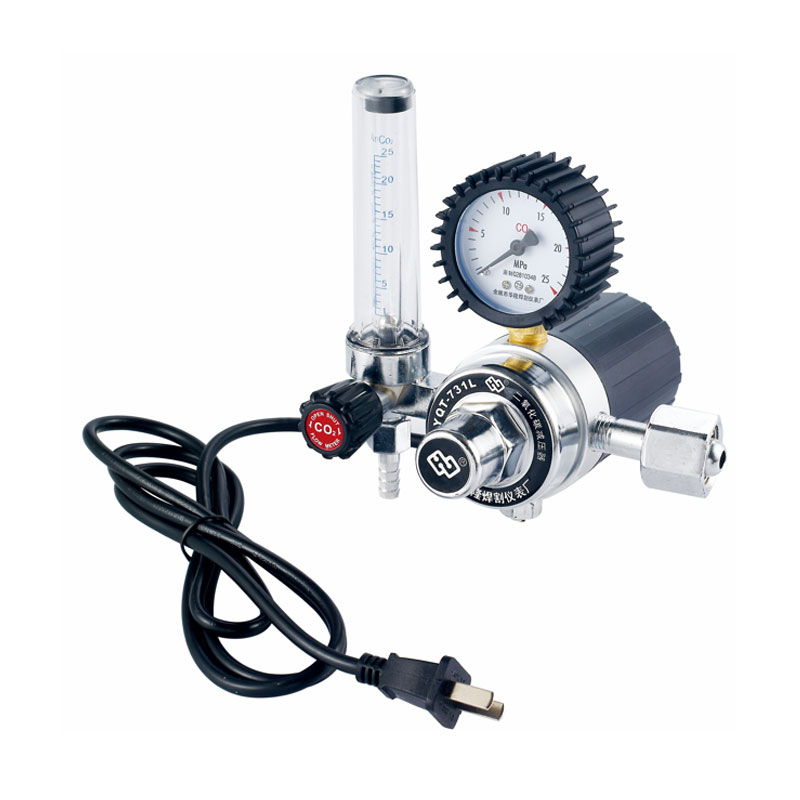
The JTR-01 High-Pressure Precision Carbon Dioxide Regulator is a device designed for applications th...
See Details -
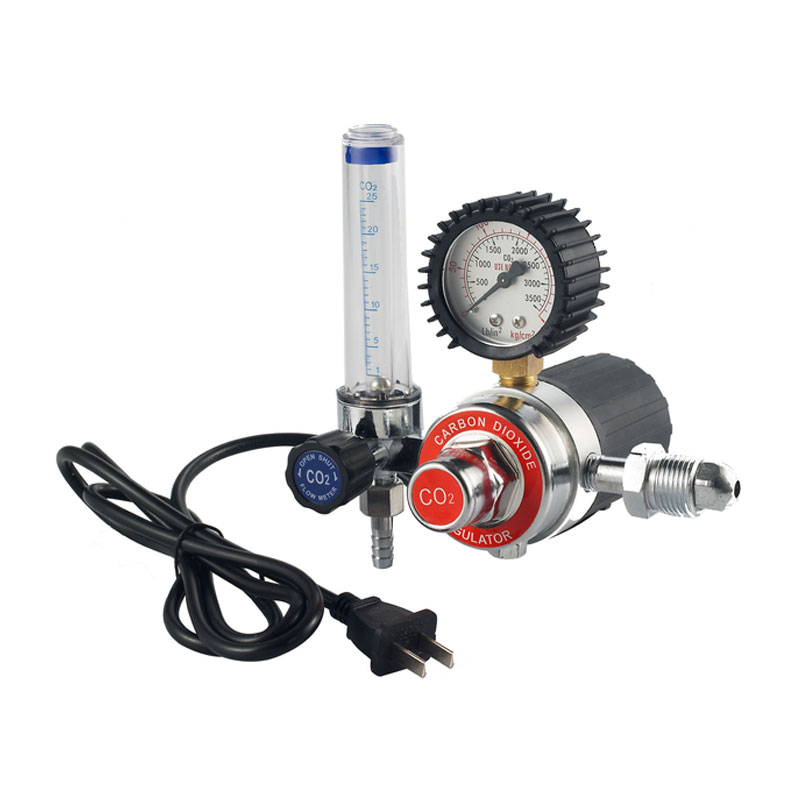
The JTR-01A High-Precision Carbon Dioxide Gas Regulator is designed for professional applications re...
See Details -
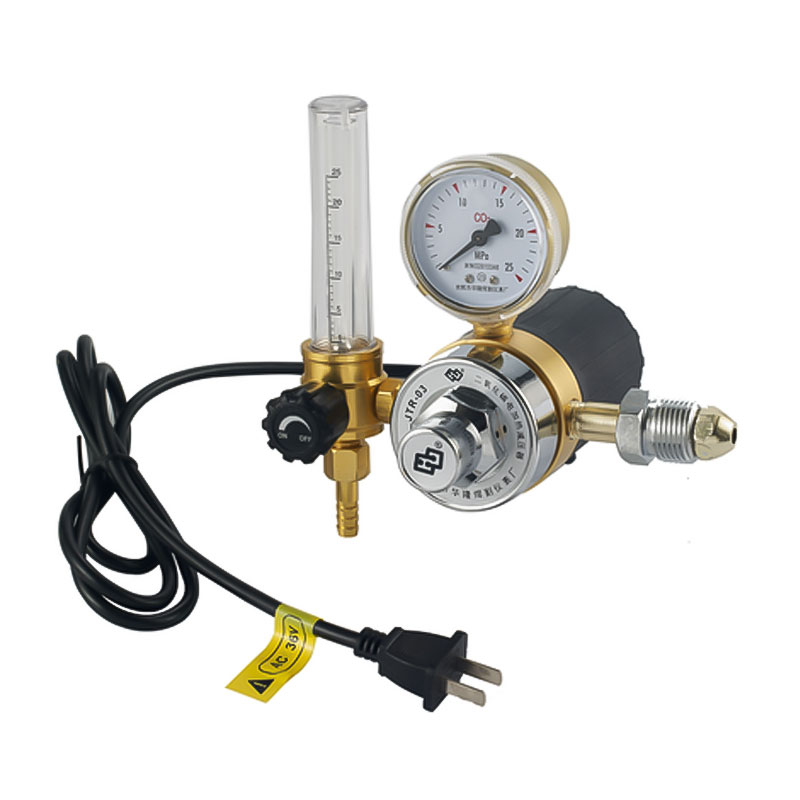
The JTR-02A Welding Carbon Dioxide Flow Controller is specifically designed for welding operations. ...
See Details -
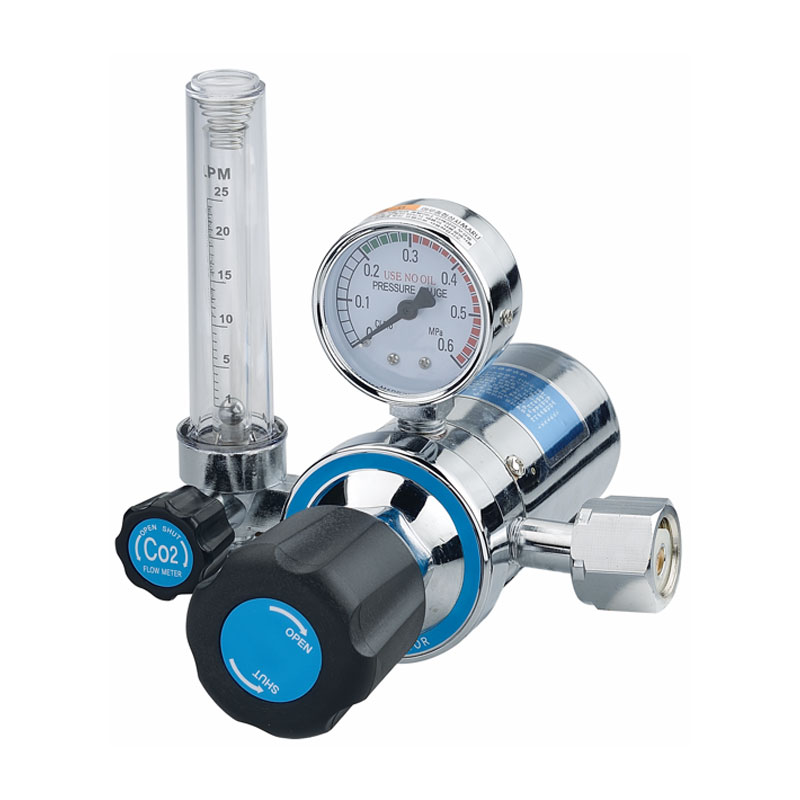
The JTR-03 General-Purpose Carbon Dioxide Regulator is a pressure regulation device designed for a w...
See Details -
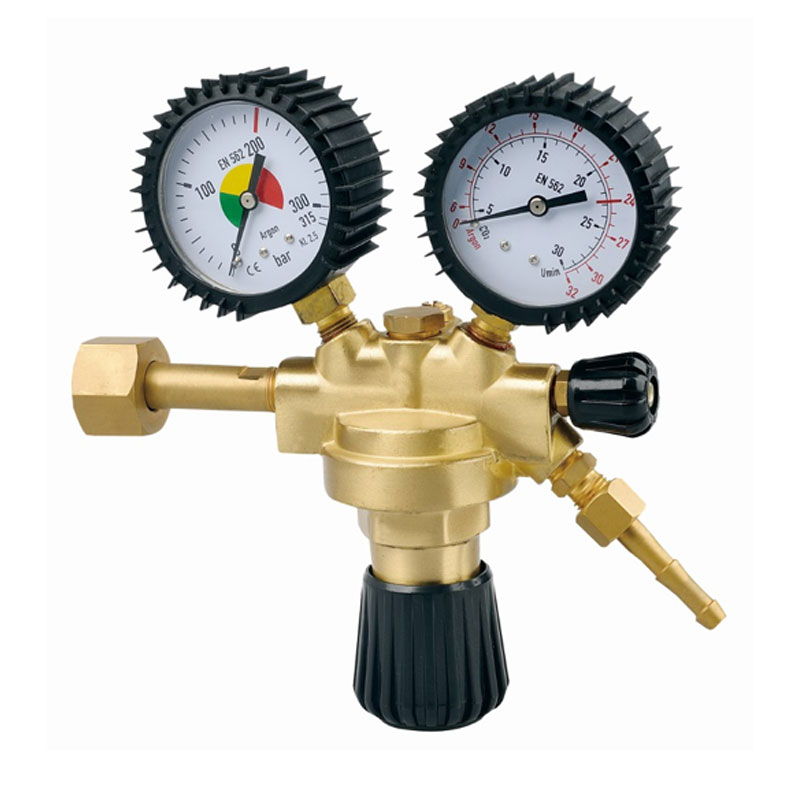
The TR-07 High-Performance Carbon Dioxide Regulator provides a reliable and steady gas pressure cont...
See Details -
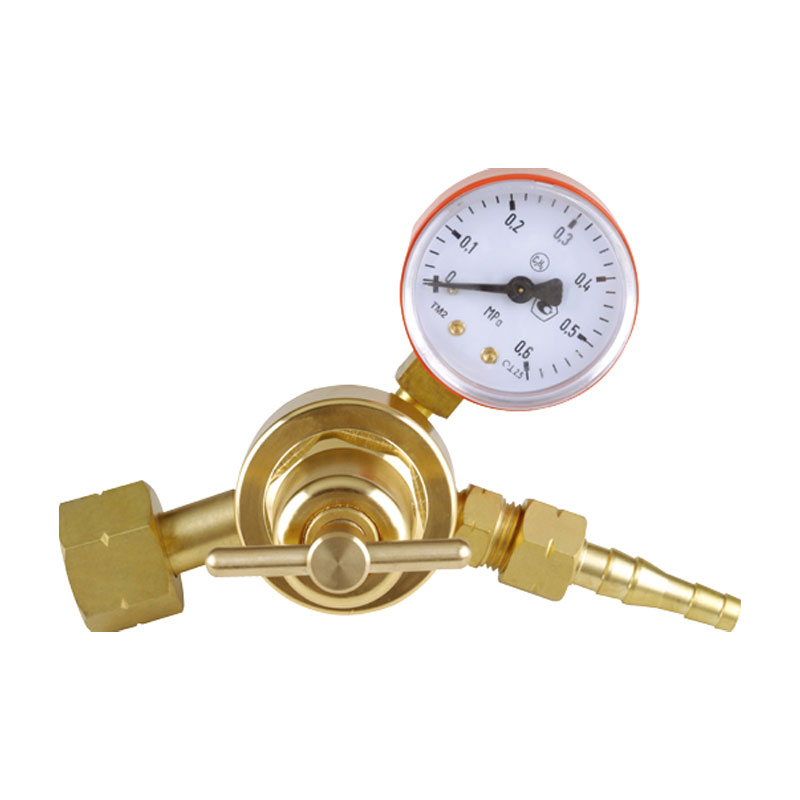
The LR-57 Industrial-Grade LPG Regulator is a gas pressure regulation device designed for industrial...
See Details

- PRODUCTS
- Pressure Regulator for Welding and Cutting
- Aquarium Pressure Regulator
- Beer and Beverage Pressure Regulator
- Pipeline Pressure Reducer
- CONTACT INFO
-
-
+86-180 6927 8236

-
[email protected]

-
No.1358,Tanjialing West Road, Lanjiang Street,Yuyao, 315400, Zhejiang

-
- MOBILE QR CODE

