

 English
  русский
  Español
 The LR-102 pipeline natural gas pressure reducer is designed specifically for industrial pipeline na...
See DetailsWhat Are the Most Common Causes of Pipeline Pressure Reducer Failure?
Industry News-The most common causes of pipeline pressure reducer failure are diaphragm damage, spring fatigue, seat and valve erosion, contamination from debris or sediment, improper installation, and operating outside the rated pressure or temperature range. Understanding each failure mode — and what drives it — is the most practical way to extend service life, avoid unplanned downtime, and prevent the safety risks that accompany uncontrolled pipeline pressure.
Diaphragm Damage: The Most Frequent Single Point of Failure
In most pipeline pressure reducers, the diaphragm is the primary sensing element — it detects downstream pressure changes and signals the valve to open or close accordingly. Because it flexes continuously during operation, the diaphragm is statistically the component most likely to fail first.
Common causes of diaphragm failure include:
- Fatigue cracking: Repeated flexing over millions of pressure cycles causes micro-cracks that eventually propagate into full tears — a standard rubber diaphragm in a high-cycle industrial system may reach end-of-life in 3 to 5 years without scheduled replacement
- Chemical incompatibility: Using a diaphragm material not rated for the pipeline fluid causes swelling, softening, or dissolution — for example, a standard NBR (nitrile) diaphragm will degrade rapidly in contact with aromatic hydrocarbons or concentrated acids
- Pressure spikes and water hammer: Sudden pressure surges far above the rated inlet pressure can rupture the diaphragm in a single event
- Temperature extremes: Operating above the diaphragm's rated temperature range causes permanent deformation; operating below it causes brittleness and cracking
A failed diaphragm typically causes the pressure reducer to either lock fully open (passing full upstream pressure downstream) or lock fully closed (blocking flow entirely) — both outcomes are immediately disruptive and potentially dangerous.
Spring Fatigue and Loss of Set-Point Accuracy
The adjustment spring in a pressure reducer determines the downstream set-point pressure by applying a pre-load force against the diaphragm. Over time, metal springs lose their elastic properties through a process called stress relaxation — even when operating within their rated load range.
Spring-related failure manifests in two ways:
- Gradual set-point drift: The spring loses tension over time, causing downstream pressure to creep downward without any adjustment being made — in precision systems, this drift can exceed 5 to 10% of the original set point within a few years
- Spring fracture: Corrosion, overtorquing during adjustment, or operating at extreme temperatures can cause the spring to crack or break entirely, resulting in complete loss of pressure control
Stainless steel springs offer significantly better fatigue resistance than standard carbon steel in corrosive or high-humidity environments and are recommended for any system handling aggressive media or operating outdoors.
Seat and Valve Erosion: Silent Degradation Over Time
The valve seat and plug are the sealing surfaces that control flow through the pressure reducer. In most designs, these components are in constant mechanical contact and subject to erosive wear from fluid velocity, particulate matter, and cavitation.
Erosion from High Velocity Flow
When pressure differential across the reducer is very high, fluid accelerates to extreme velocities through the narrow valve opening. This creates erosive wear on both the seat and plug — particularly in gas and steam systems where flow velocities can exceed 50 to 100 m/s through a partially open valve. Over time, erosion creates leak paths that prevent the valve from fully closing, causing continuous downstream pressure creep even when the system is shut down.
Cavitation Damage
In liquid systems, when local pressure drops below the fluid's vapor pressure at the valve orifice, vapor bubbles form and then collapse violently as pressure recovers downstream. This cavitation process generates localized impact pressures of up to 1,000 bar on metal surfaces, pitting and cratering the seat and plug within months in severe cases. Cavitation is most common in reducers that are significantly oversized for their application or operating with inlet pressures far above the recommended range.
Contamination and Debris: A Leading Cause of Premature Failure
Pipeline pressure reducers are precision devices with tight internal tolerances — typically clearances of 0.05 to 0.2 mm between moving components. Even small particles of debris can cause disproportionate damage.
Common contamination sources and their effects include:
- Pipeline scale and rust particles: Iron oxide flakes from corroding upstream pipe sections lodge between the seat and plug, preventing full closure and causing permanent leakage — this is especially common in older steel pipeline systems
- Thread sealant and installation debris: PTFE tape fragments, pipe dope residue, and weld slag introduced during installation collect at the valve seat and cause immediate malfunction
- Sand and sediment in water systems: Municipal water supplies and borehole water systems frequently carry fine particulate matter that abrades internal surfaces over time
- Process fluid solids: In industrial applications involving slurries, pulp, or viscous fluids, solid particles accumulate in the valve body and impair diaphragm movement
Installing a Y-strainer or inline filter with a 100-mesh screen immediately upstream of the pressure reducer is the single most effective preventive measure against contamination-related failure — and one of the most commonly overlooked steps during initial system installation.
Improper Installation: Failure Built In from Day One
A significant proportion of pressure reducer failures are traceable directly to installation errors — problems that create stress or malfunction from the moment the system is commissioned. The most damaging installation mistakes include:
- Reversed flow direction: Most pressure reducers are directional — installing them backwards against the flow arrow causes immediate failure or severely degraded performance
- Incorrect orientation: Many diaphragm-type reducers must be installed with the spring chamber pointing upward — horizontal or inverted installation allows condensate or debris to accumulate in the spring chamber, causing corrosion and diaphragm damage
- Insufficient straight pipe runs: Turbulent flow entering the reducer from an elbow or valve positioned too close upstream distorts pressure sensing — most manufacturers require a minimum of 5 pipe diameters of straight pipe upstream and 3 downstream
- Excessive pipe stress on the body: Forcing misaligned pipes to connect to the reducer body introduces bending stress that distorts the valve seat geometry and causes leakage
- No bypass or isolation valves: Without a bypass arrangement, maintenance requires a full system shutdown — encouraging operators to defer servicing until complete failure occurs
Operating Outside Rated Pressure and Temperature Limits
Every pipeline pressure reducer carries a rated maximum inlet pressure, outlet pressure range, and operating temperature range. Chronic or acute operation outside these parameters is a reliable path to premature failure.
| Out-of-Range Condition | Component Affected | Resulting Failure Mode |
|---|---|---|
| Inlet pressure exceeds rated maximum | Diaphragm, body seals | Rupture, external leakage |
| Outlet pressure set above rated range | Spring, seat | Spring overload, seat damage |
| Temperature above rated maximum | Diaphragm, O-rings, seals | Permanent deformation, seal failure |
| Temperature below rated minimum | Diaphragm, O-rings | Brittleness, cracking, leakage |
| Pressure spikes / water hammer | Diaphragm, valve plug | Sudden rupture, seat deformation |
| Continuous low-flow or no-flow | Seat, downstream pressure sensing | Pressure creep, set-point instability |
Corrosion: Long-Term Material Degradation
Corrosion attacks both the internal flow path and the external body of a pressure reducer, and it progresses silently until a component fails. The two most damaging forms in pressure reducer applications are:
- Internal corrosion: Aggressive media — acidic fluids, chlorinated water, wet steam — attack brass, carbon steel, or cast iron bodies and internal parts. Corrosion products shed as particles that then contaminate the seat and diaphragm chamber
- External corrosion: In outdoor installations or wet plant environments, the spring chamber and adjustment mechanism corrode, causing the adjustment screw to seize and making set-point changes impossible without damaging the reducer
Specifying a stainless steel body (316L) or engineering polymer housing for corrosive environments adds 15 to 40% to the unit cost but can increase service life by a factor of three or more compared to standard brass or cast iron bodies in the same application.
Lack of Maintenance: Turning Manageable Wear into Catastrophic Failure
Most pipeline pressure reducer failures are not sudden events — they are the end result of gradual wear that was never addressed. A disciplined maintenance schedule converts predictable wear into planned replacement, eliminating the unplanned downtime and safety risks of run-to-failure operation.
A practical maintenance schedule for a standard industrial pressure reducer includes:
- Every 3 months: Inspect the upstream strainer and clean or replace the filter screen; check for external leaks at body joints and connections; verify downstream pressure against the set point using a calibrated gauge
- Every 12 months: Disassemble and inspect the diaphragm, O-rings, and seat for wear or damage; replace soft parts using an OEM repair kit; check spring condition and free length against specification
- Every 3 to 5 years: Full replacement of the reducer in high-cycle or aggressive-media applications regardless of visible condition — proactive replacement is almost always less costly than an emergency failure event
Failure Cause Summary and Prevention at a Glance
| Failure Cause | Warning Sign | Prevention Measure |
|---|---|---|
| Diaphragm damage | Uncontrolled downstream pressure | Scheduled diaphragm replacement; correct material selection |
| Spring fatigue | Gradual set-point drift | Annual spring inspection; stainless steel springs in harsh environments |
| Seat and valve erosion | Continuous downstream pressure creep | Correct sizing; hardened seat materials for high-velocity flow |
| Contamination | Erratic pressure, valve stuck open | Install upstream Y-strainer; flush pipeline before commissioning |
| Improper installation | Immediate malfunction at startup | Follow manufacturer installation drawing; verify flow direction |
| Out-of-range operation | External leaks, sudden failure | Size correctly; install surge arrestors for water hammer protection |
| Corrosion | External rust, internal pitting | Specify correct body material for the fluid and environment |
| Lack of maintenance | Progressive performance degradation | Implement scheduled inspection and soft-parts replacement program |
Pipeline pressure reducer failure is rarely random — it is almost always the result of predictable wear, avoidable installation errors, or operating conditions that exceed the equipment's design limits. Diaphragm damage, spring fatigue, seat erosion, and contamination account for the majority of real-world failures, and all of them respond to proactive management. Selecting the right reducer for the application, installing it correctly, protecting it with an upstream strainer, and following a disciplined maintenance schedule will eliminate most failure modes before they occur — and turn a critical pipeline component into one of the most reliable parts of your system.
Related products
-
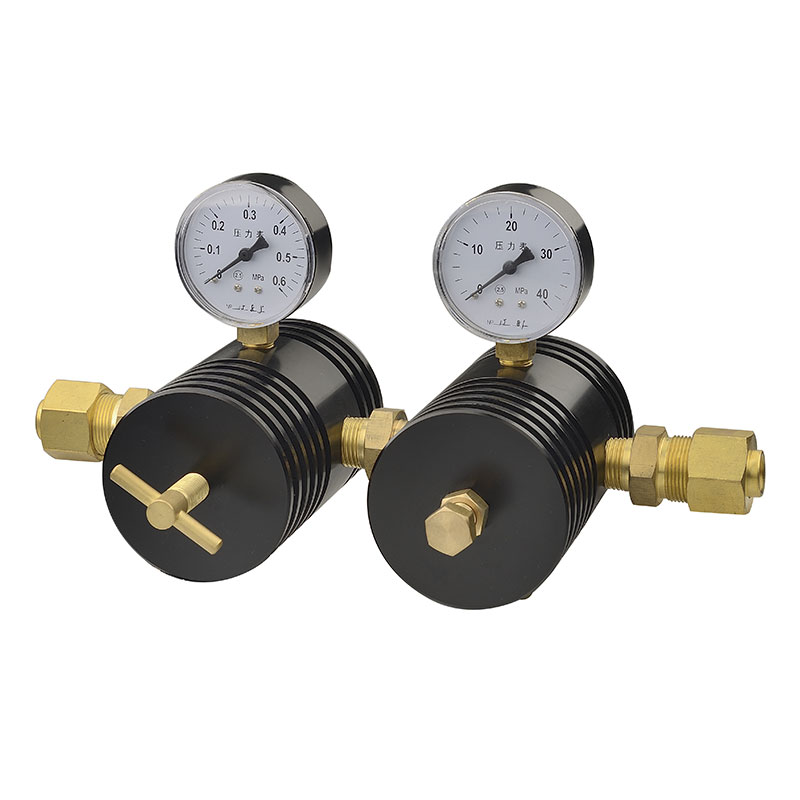
-
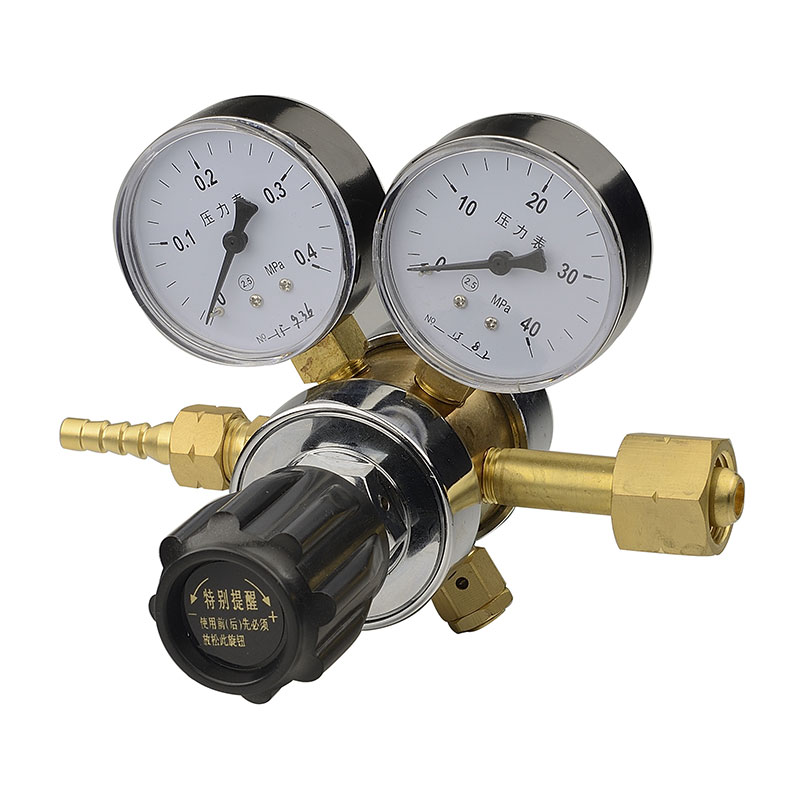
The LR-100 pipeline LPG pressure reducer is designed specifically for industrial liquefied petroleum...
See Details -
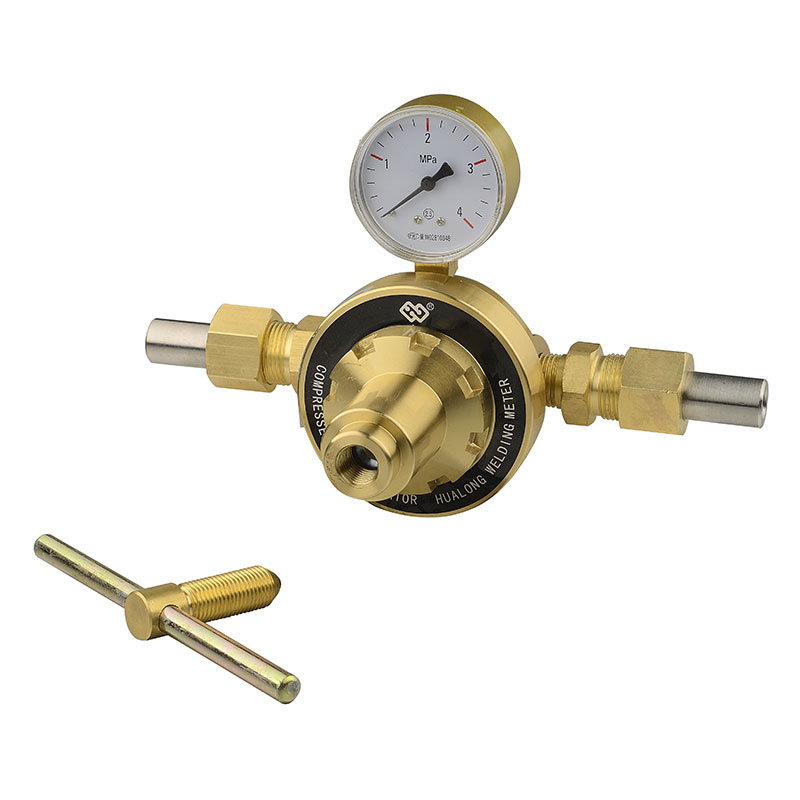
The OR-63-1 (Model 155) industrial pipeline oxygen pressure regulator is a pressure regulating devic...
See Details -
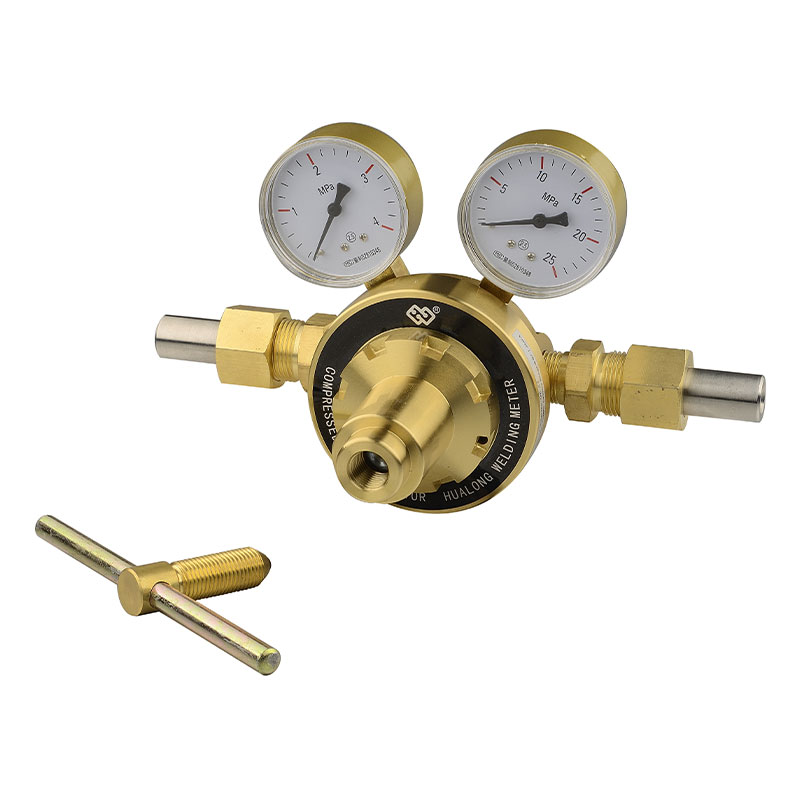
The OR-63 (Model 155) durable pipeline oxygen pressure reducer is designed specifically for industri...
See Details -
.jpg "OR-62(YQY-754)Pipeline Oxygen Pressure Reducer")
The OR-62 (YQY-754) pipeline oxygen pressure reducer is designed specifically for industrial pipelin...
See Details -
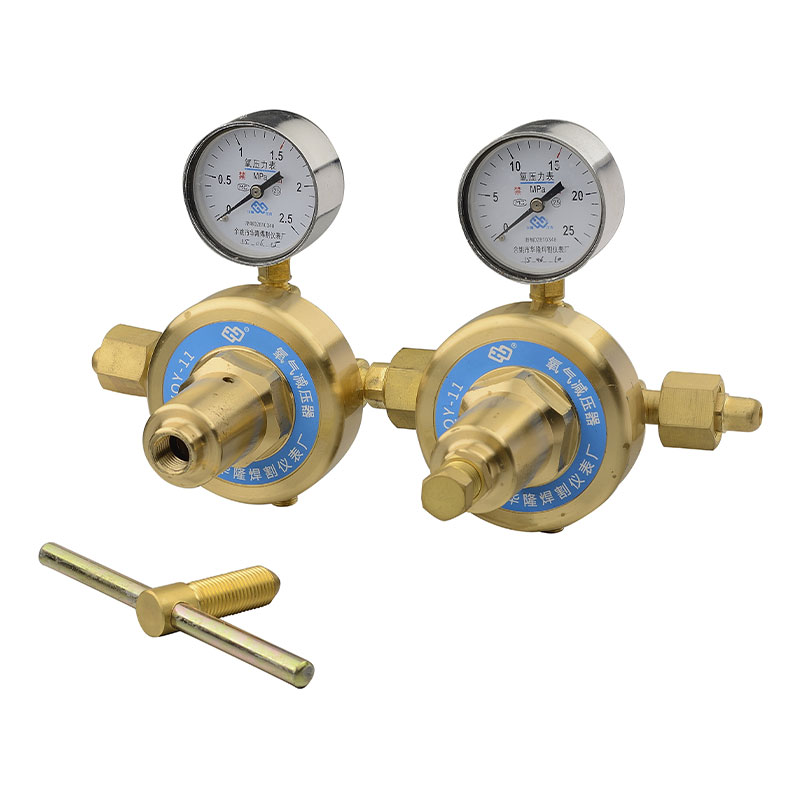
The OR-60 (YQY-11) large-scale pipeline oxygen pressure reducer is specifically designed for industr...
See Details -
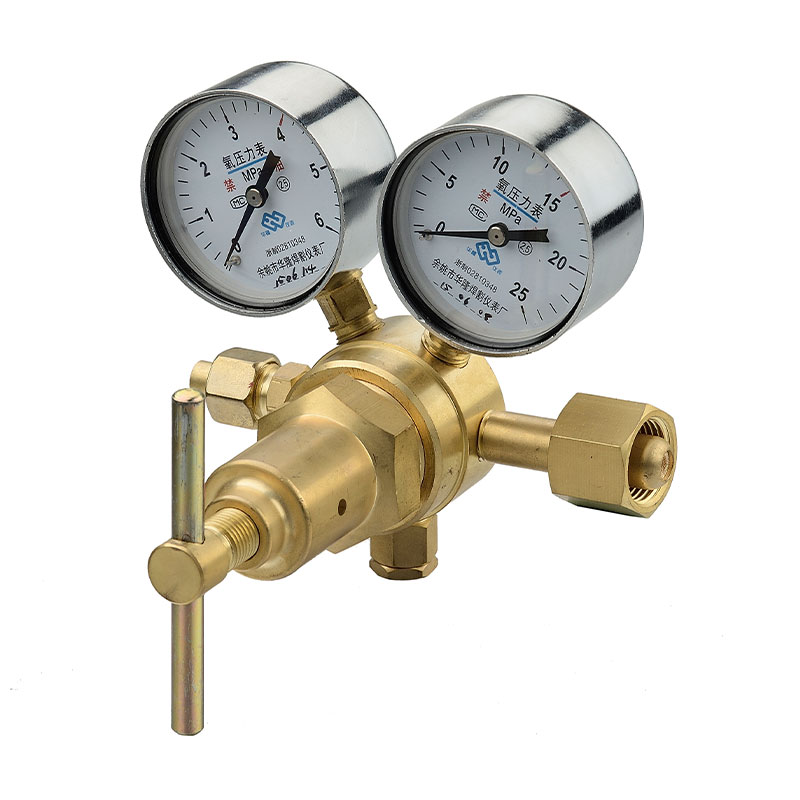
The OR-59-1 (YQY-370-1) industrial oxygen pipeline pressure reducer is designed specifically for ind...
See Details -
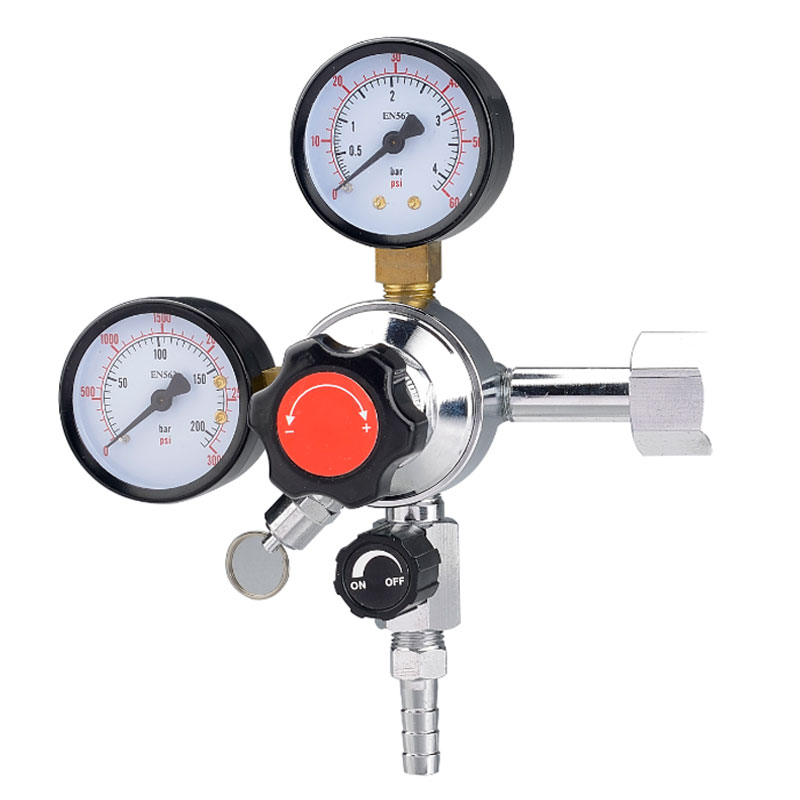
The multifunctional CO2 pressure reducer with ball valve interface is a gas control device designed ...
See Details

- PRODUCTS
- Pressure Regulator for Welding and Cutting
- Aquarium Pressure Regulator
- Beer and Beverage Pressure Regulator
- Pipeline Pressure Reducer
- CONTACT INFO
-
-
+86-180 6927 8236

-
[email protected]

-
No.1358,Tanjialing West Road, Lanjiang Street,Yuyao, 315400, Zhejiang

-
- MOBILE QR CODE

