

 English
  русский
  Español
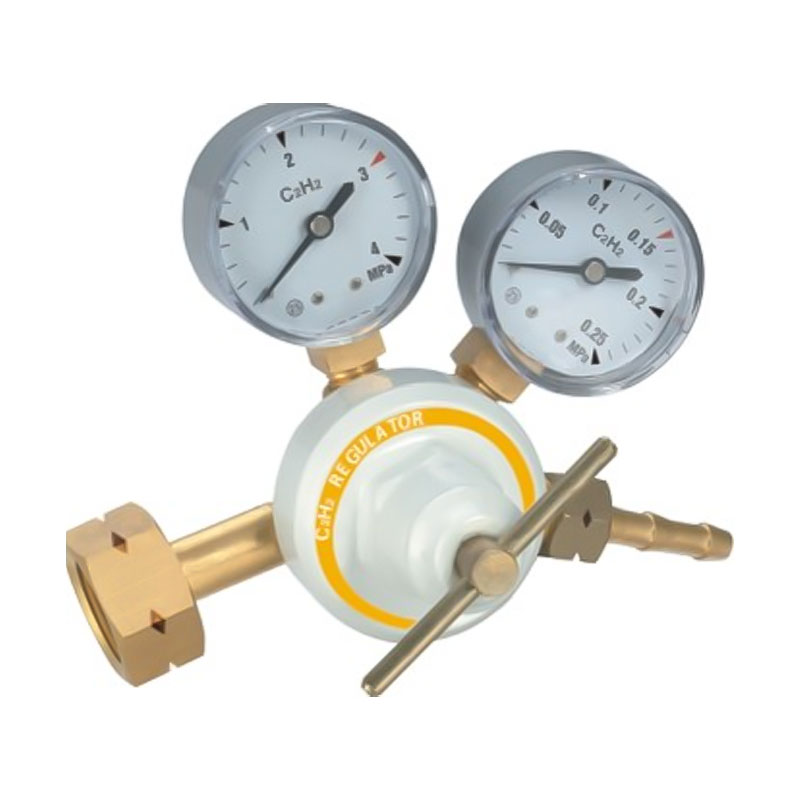
 The AR-56 High-Stability Welding and Cutting Acetylene Regulator is designed with a focus on pressur...
See DetailsWelding Pressure Regulator: A Complete Guide to Types, Functions, and Selection
Industry News-A welding pressure regulator is a mechanical device that reduces high-pressure gas from a cylinder (such as oxygen, acetylene, argon, or CO2) down to a safe, stable working pressure for welding or cutting. The right regulator depends on three factors: the gas type (single-stage regulators work best for pure gases like argon or CO2, while acetylene and oxygen regulators must never be interchanged), the flow rate your process requires (typically 15-30 CFH for MIG welding, 10-20 CFH for TIG), and the inlet pressure range of your cylinder (up to 3,000 PSI for standard gas cylinders). Choosing an incompatible or poorly rated regulator is one of the leading causes of gas leaks, inconsistent welds, and shop safety incidents.
What Is a Welding Pressure Regulator and How Does It Work
A welding pressure regulator sits between the gas cylinder and the torch or hose. Its core job is to convert an unstable, high-pressure gas supply into a constant, low-pressure output that matches the demands of the welding process. Without a regulator, gas would rush out of the cylinder uncontrolled, making a stable arc or flame impossible and creating a serious safety hazard.
Mechanically, the regulator uses a diaphragm and spring-loaded valve system. As gas enters the high-pressure chamber, it pushes against a diaphragm connected to an adjustment screw. Turning the screw changes the spring tension, which opens or closes the valve seat, allowing the operator to dial in the exact delivery pressure. Most industrial regulators can reduce cylinder pressures from 2,000-3,000 PSI down to a working range of 0-125 PSI, depending on the model and gas service.
Types of Welding Pressure Regulators
Regulators are generally classified by their internal design and by the gas service they support. Understanding these categories is the first step toward selecting a compatible unit.
By Design: Single-Stage vs. Two-Stage
Single-stage regulators reduce pressure in one step. They are lightweight and cost-effective, but the delivery pressure will drift slightly as the cylinder empties. Two-stage regulators reduce pressure in two internal steps, resulting in a much more consistent output pressure regardless of how full the cylinder is. Two-stage regulators typically hold output pressure fluctuation within 1-2 PSI, compared to 5-10 PSI drift commonly seen on single-stage units as cylinder pressure drops below 500 PSI.
By Gas Service
Regulators are built for specific gases and are not interchangeable due to differing thread standards (CGA fittings), internal materials, and pressure ratings.
| Regulator Type | Typical Inlet Pressure | Typical Outlet Range | Common Fitting |
|---|---|---|---|
| Oxygen Regulator | 0-3,000 PSI | 0-125 PSI | CGA 540 |
| Acetylene Regulator | 0-400 PSI | 0-15 PSI | CGA 510 (left-hand thread) |
| Argon / Argon-CO2 Regulator | 0-3,000 PSI | 0-50 CFH (flow gauge) | CGA 580 |
| CO2 Regulator | 0-2,000 PSI | 0-30 CFH (flow gauge) | CGA 320 |
Note that acetylene fittings use a left-hand (reverse) thread, a deliberate design choice that prevents accidental cross-connection with oxygen equipment, which uses standard right-hand threads.
Key Components and Their Functions
Every welding pressure regulator, regardless of type, shares a common set of components that work together to deliver safe and stable gas flow.
- High-pressure gauge: Displays the remaining pressure inside the cylinder, giving an estimate of how much gas is left.
- Low-pressure (working) gauge: Shows the delivery pressure or flow rate being sent to the torch.
- Adjustment screw or knob: Allows the operator to set the desired output pressure or flow rate.
- Diaphragm: A flexible membrane that senses downstream pressure and regulates the valve accordingly.
- Safety relief valve: Automatically vents excess gas if internal pressure exceeds a safe threshold, preventing rupture.
- Inlet and outlet connections: CGA-standardized fittings that ensure the regulator connects only to the correct, compatible gas source.
How to Select the Right Welding Pressure Regulator
Selecting a regulator is not just about matching the gas type. The following criteria should guide your decision.
1. Match the Gas and Fitting Standard
Confirm the CGA fitting number matches your cylinder valve exactly. Using an adapter to force an incompatible fitting is a common but dangerous shortcut that voids most safety certifications.
2. Confirm the Flow Rate Requirement
Different welding processes demand different flow rates. MIG welding typically requires 15-30 CFH, TIG welding requires 10-20 CFH, and plasma cutting can require 40-90 CFH depending on material thickness. Choose a regulator whose flow gauge range comfortably covers your process's requirement, ideally with the working point in the middle third of the gauge for accuracy.
3. Choose Single-Stage or Two-Stage Based on Use Case
For occasional or hobbyist welding, a single-stage regulator is usually sufficient and more economical. For production environments where consistent weld quality matters, a two-stage regulator reduces pressure drift by roughly 70-80% compared to single-stage models, translating into fewer porosity defects and more uniform bead appearance.
4. Check Body Material and Certification
Brass bodies with chrome-plated finishes resist corrosion well in most shop environments. Look for regulators certified to CGA E-4 or ISO 2503 standards, which confirm the unit has passed pressure and leak testing.
5. Consider Gauge Size and Readability
Larger 2-inch or 2.5-inch gauges are easier to read at a glance and hold up better to shop vibration over time compared to smaller 1.5-inch gauges.
Installation and Safety Guidelines
Proper installation prevents the vast majority of regulator-related incidents. Follow these steps every time a regulator is connected to a new cylinder.
- Inspect the cylinder valve and regulator fitting for damage, oil, or debris before connecting.
- "Crack" the cylinder valve briefly (open and quickly close) to blow out any dust in the valve outlet, standing to the side, not in front of the outlet.
- Attach the regulator and tighten the connection nut securely using a wrench, but avoid overtightening, which can damage the seat.
- Back out the adjustment screw fully before opening the cylinder valve, then open the valve slowly.
- Check for leaks using an approved leak-detection solution; never use a flame to test for gas leaks.
- Set the working pressure gradually by turning the adjustment screw while gas is flowing through the torch.
Oxygen regulators must be kept completely free of oil and grease, since oxygen combined with hydrocarbons under pressure can ignite spontaneously. This is one of the most overlooked safety hazards in small fabrication shops.
Maintenance Best Practices
Routine maintenance extends regulator lifespan and keeps pressure readings accurate. Most manufacturers recommend a full inspection and recalibration every 12 months, or sooner in high-use industrial settings.
- Store regulators in a clean, dry area away from dust and moisture when not in use.
- Back off the adjustment screw and close the cylinder valve fully at the end of each shift.
- Inspect the diaphragm and seat annually for wear, cracking, or hardening.
- Replace gauges that show a "creeping" needle, which indicates a failing seat or internal leak.
- Never lubricate a regulator with standard oil-based products; use only approved oxygen-safe lubricants where lubrication is required.
Common Mistakes to Avoid
Even experienced welders occasionally make errors that shorten regulator life or create safety risks.
- Opening the cylinder valve too quickly, which can cause a pressure spike ("gauge slam") that damages the gauge or diaphragm.
- Using adapters to fit an incompatible gas service, bypassing the safety design of CGA fittings.
- Leaving the adjustment screw tightened when the cylinder is closed, keeping the diaphragm under constant stress.
- Skipping leak checks after transporting or reinstalling a regulator.
- Ignoring a fluttering or fluctuating gauge needle, which often signals internal contamination or a worn seat.
A welding pressure regulator may look like a simple accessory, but it directly affects weld quality, gas efficiency, and operator safety. The right choice comes down to matching the gas type and CGA fitting, sizing the flow rate to your process, and selecting single-stage or two-stage design based on how demanding your work is. Pairing the correct regulator with routine inspection and proper handling will minimize downtime, reduce gas waste, and keep your welding operation running safely for years.
Related products
-
-
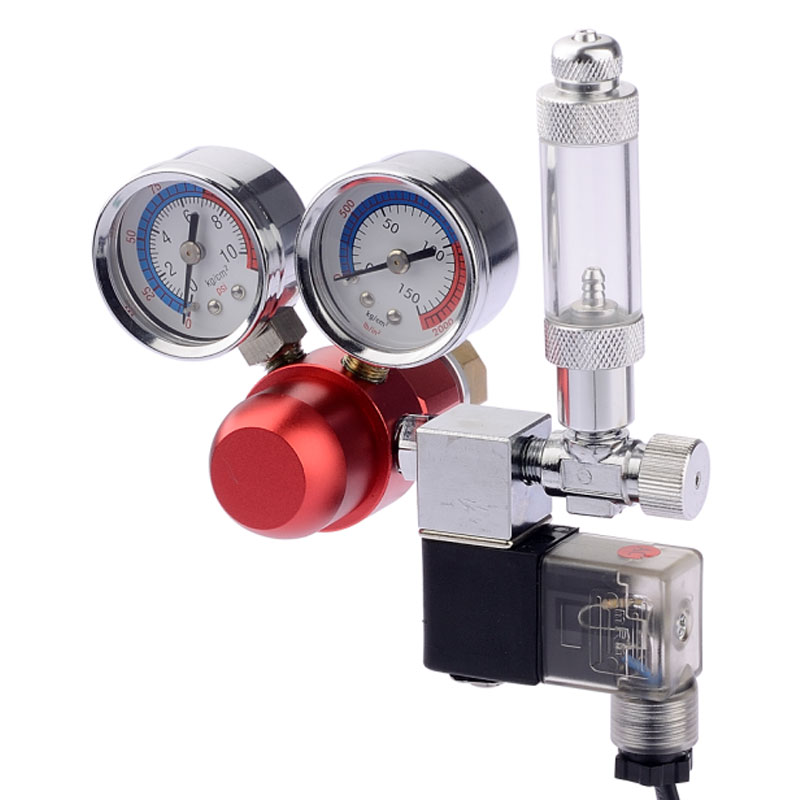
This aquarium CO2 regulator with dual pressure gauges and single bubble counter is designed specific...
See Details -
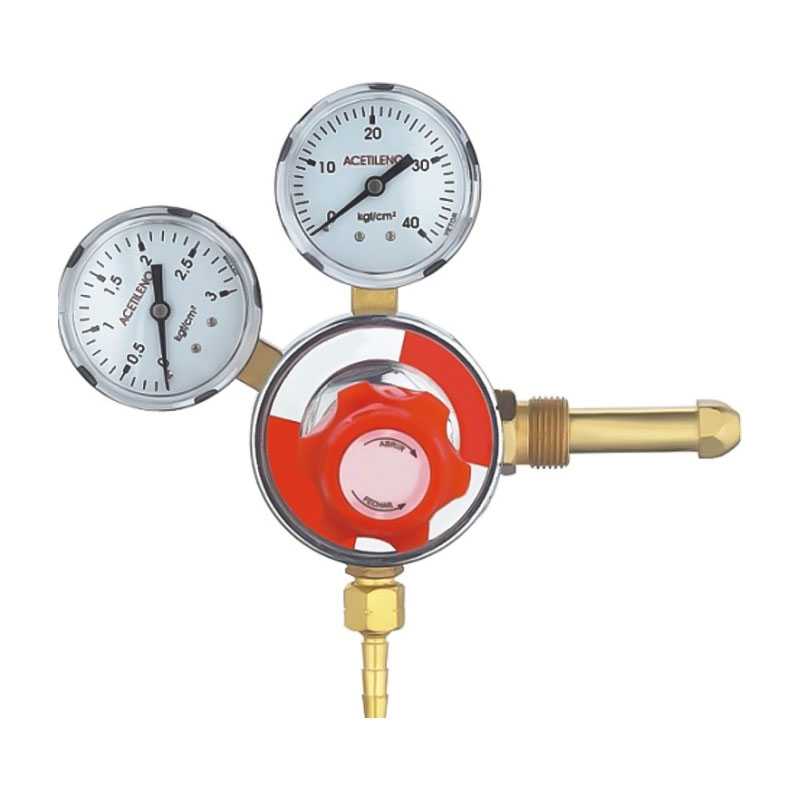
The AR-59 Precision Acetylene Pressure Regulator is a professional device designed for industrial we...
See Details -
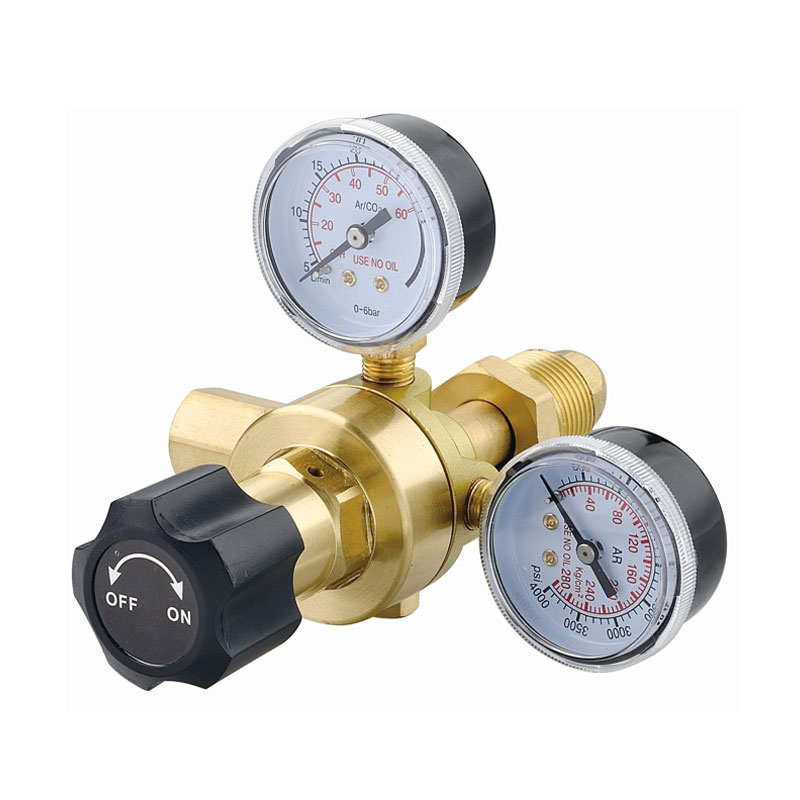
The ArR-192 Industrial Welding Argon Regulator is a pressure regulation device specifically designed...
See Details -
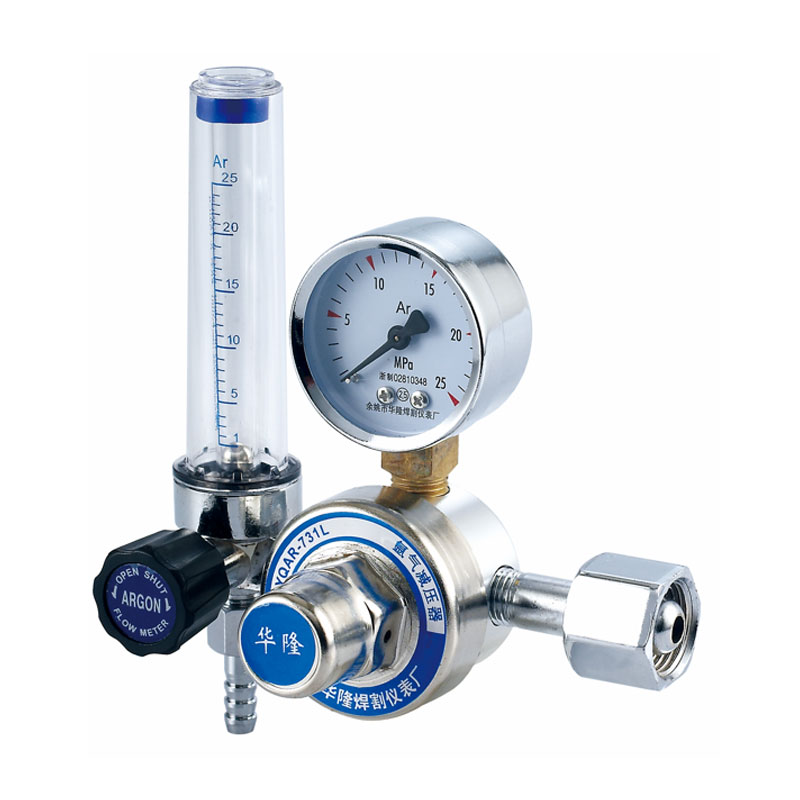
The ArR-01 High-Pressure Argon Cylinder Regulator is a pressure regulation device designed for appli...
See Details -
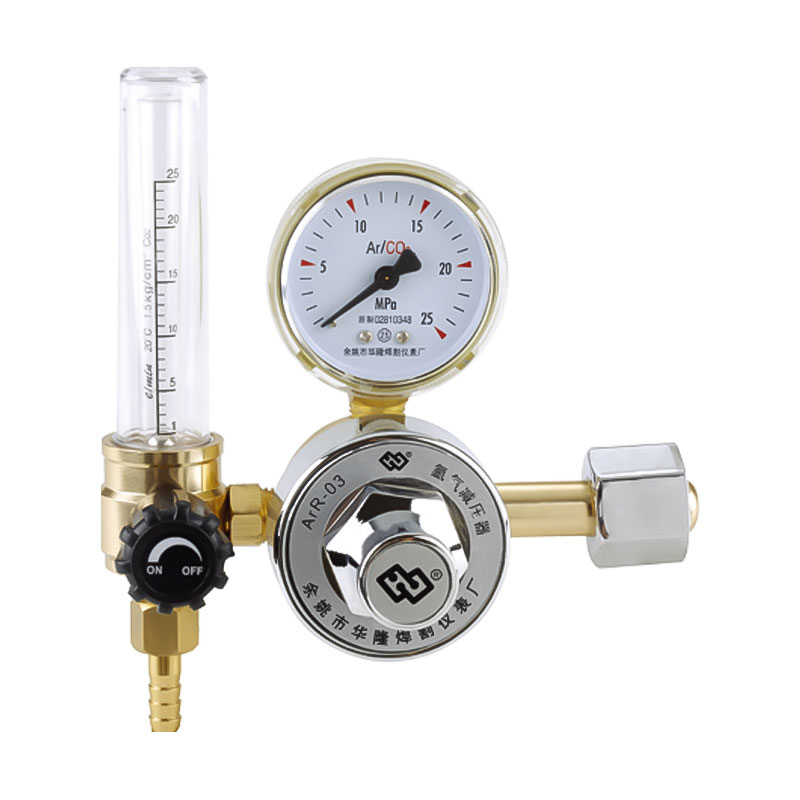
The ArR-02 Industrial Constant-Pressure Argon Regulator is a pressure management device designed for...
See Details -
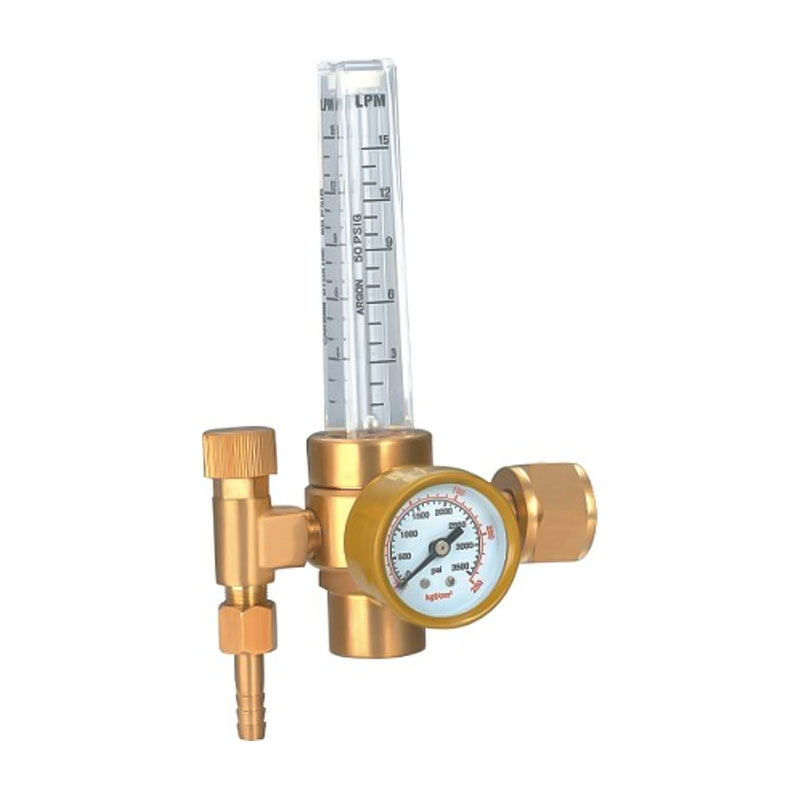
The AR-191T High-Pressure Precision Argon Regulator is a pressure regulation device specifically des...
See Details -
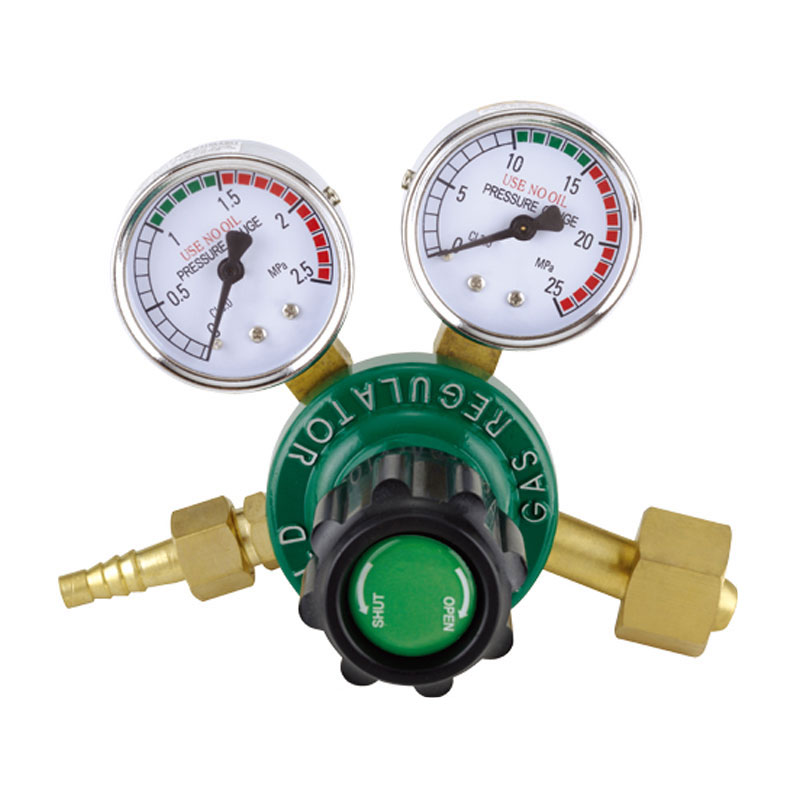
The OR-09 Customizable Pressure and Interface Oxygen Pressure Reducing Controller is designed for pr...
See Details

- PRODUCTS
- Pressure Regulator for Welding and Cutting
- Aquarium Pressure Regulator
- Beer and Beverage Pressure Regulator
- Pipeline Pressure Reducer
- CONTACT INFO
-
-
+86-180 6927 8236

-
[email protected]

-
No.1358,Tanjialing West Road, Lanjiang Street,Yuyao, 315400, Zhejiang

-
- MOBILE QR CODE

