

 English
  русский
  Español
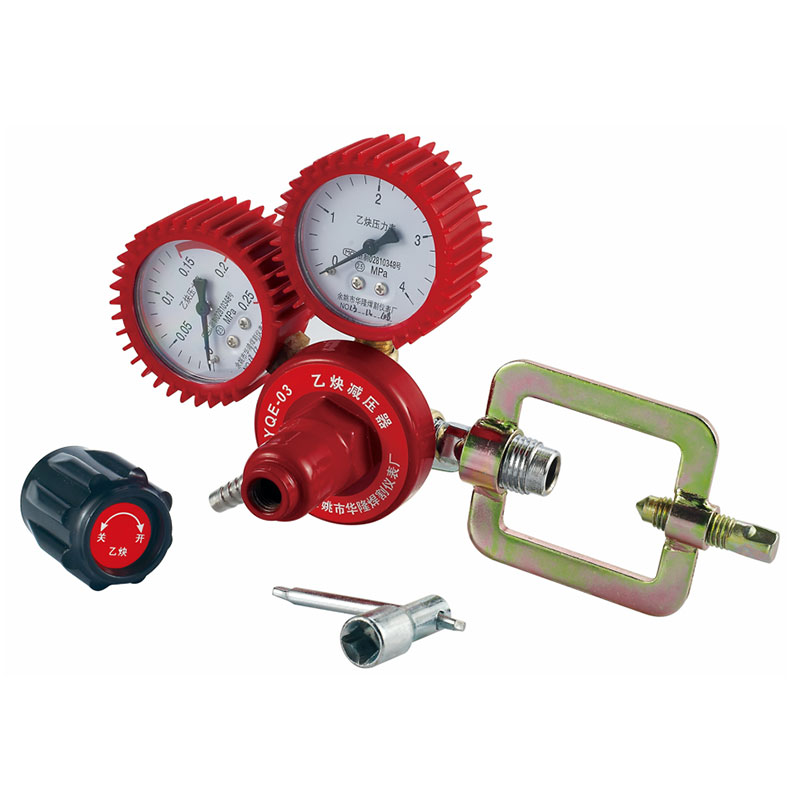
 The AR-02 Acetylene Gas Regulator is a pressure control device designed for use with acetylene gas, ...
See DetailsBeer Gas Regulator vs. CO2 Regulator: What's the Difference?
Industry News-Direct Answer: What's the Core Difference?
A CO2 regulator dispenses pure carbon dioxide and is used for most standard draft beers, while a beer gas regulator (also called a nitro or blended gas regulator) dispenses a mix of nitrogen and CO2 — commonly 75% nitrogen/25% CO2 — and is required for nitro beers like stouts and certain craft ales that need a creamy, tight-bubble pour. The two regulators are not interchangeable: using a CO2 regulator on a nitro line won't generate enough pressure to push the gas blend properly, and using a beer gas regulator on a standard CO2 line will under-carbonate the beer.
The simplest rule: if you're serving Guinness, nitro cold brew coffee, or any beer specifically labeled "nitro," you need a beer gas regulator connected to a pre-blended nitrogen/CO2 tank. For virtually every other draft beer, a standard CO2 regulator is the correct and more common choice.
Gas Composition: What's Actually Inside the Tank
The regulator itself doesn't create the gas mixture — that comes from the tank — but each regulator type is engineered to work with a specific gas composition and pressure range.
CO2 Regulators
CO2 regulators are designed for 100% pure carbon dioxide, which both carbonates the beer and provides the pressure needed to push it through the lines. This is the standard setup for the vast majority of draft beer styles, from lagers to pale ales.
Beer Gas (Nitro) Regulators
Beer gas regulators work with tanks pre-filled with a nitrogen/CO2 blend, most commonly 75/25, though 70/30 blends are also used for certain nitro cold brew applications. Because nitrogen doesn't dissolve into liquid as readily as CO2, this blend creates the dense, cascading bubble effect associated with nitro stouts.
Side-by-Side Comparison
The table below summarizes the key technical differences between the two regulator types.
| Feature | CO2 Regulator | Beer Gas (Nitro) Regulator |
|---|---|---|
| Gas type | 100% CO2 | Nitrogen/CO2 blend (commonly 75/25) |
| Typical serving pressure | 10-14 PSI | 28-35 PSI |
| Best for | Lagers, ales, most draft beer | Stouts, nitro beers, cold brew coffee |
| Faucet requirement | Standard faucet | Restrictor plate/nitro faucet |
| Gauge markings | 0-60 PSI (single or dual gauge) | 0-60 PSI, often labeled for nitro blends |
The most notable difference in daily operation is serving pressure — beer gas regulators typically run at roughly double or more the pressure of a standard CO2 setup, which is necessary to compensate for nitrogen's lower solubility in liquid.
Why the Faucet Matters Just as Much as the Regulator
Choosing the correct regulator is only half of a proper nitro setup — the faucet plays an equally critical role in creating the signature nitro pour.
Standard CO2-served beers use a conventional faucet, while nitro beers require a restrictor plate faucet, which forces the beer through small holes to agitate the nitrogen and create the dense, cascading foam. Using a nitro gas blend with a standard faucet won't produce the characteristic nitro texture, even if the gas pressure and blend are correct, since the restrictor plate is what physically creates the small-bubble effect during the pour.
Common Mistakes When Mixing Up the Two Systems
Because the regulators look visually similar, mix-ups are a common source of dispensing problems in both home and commercial setups.
- Connecting a CO2 regulator to a nitro blend tank results in inconsistent, foamy, or flat pours due to mismatched pressure calibration
- Running a standard beer through a nitro line and restrictor faucet at nitro pressure levels will typically over-carbonate and gush
- Using the wrong regulator can also introduce inaccurate pressure readings, since gauges are calibrated with a specific gas density in mind
- Some multi-gas or dual-body regulators exist specifically to reduce this risk by supporting both gas types with separate, clearly labeled controls
Labeling tanks and regulators clearly is one of the simplest ways to prevent mix-ups, particularly in bars or breweries running multiple gas lines simultaneously, where a mislabeled tank can lead to hours of troubleshooting a pour that "just doesn't taste right."
Cost and Availability
Pricing and gas availability differ slightly between the two systems, which can factor into setup decisions for home or small commercial use.
- CO2 regulators typically range from $25-$80 for home use and $80-$200+ for commercial-grade dual-gauge units.
- Beer gas (nitro) regulators are generally priced similarly, often $40-$150, though they're less commonly stocked in general hardware stores.
- Pre-blended nitrogen/CO2 tanks can be harder to source locally than pure CO2 tanks and may require ordering through a specialty beverage gas supplier.
- Some setups use a nitrogen generator combined with a blending regulator instead of pre-mixed tanks, which reduces long-term gas costs but adds upfront equipment expense.
For home users pouring nitro beer occasionally, pre-blended tanks are usually the more practical and cost-effective choice compared to investing in a nitrogen generator system, which tends to make more sense for higher-volume commercial operations.
Which One Do You Need?
Use this quick checklist to confirm which regulator fits your setup:
- Serving lagers, ales, pilsners, or most standard draft beer? → Use a CO2 regulator
- Serving Guinness, nitro stout, or nitro cold brew? → Use a beer gas regulator with a matching nitro tank
- Do you have a restrictor plate faucet installed? → That line should be running beer gas, not pure CO2
- Running multiple beer styles on separate lines? → You likely need both regulator types, clearly labeled
Getting the regulator, gas blend, and faucet type aligned correctly is what separates a properly poured nitro stout from a flat, foamy, or inconsistent pour — each component in the system depends on the others being matched correctly, so it's worth double-checking all three before your first pour.
Related products
-
-
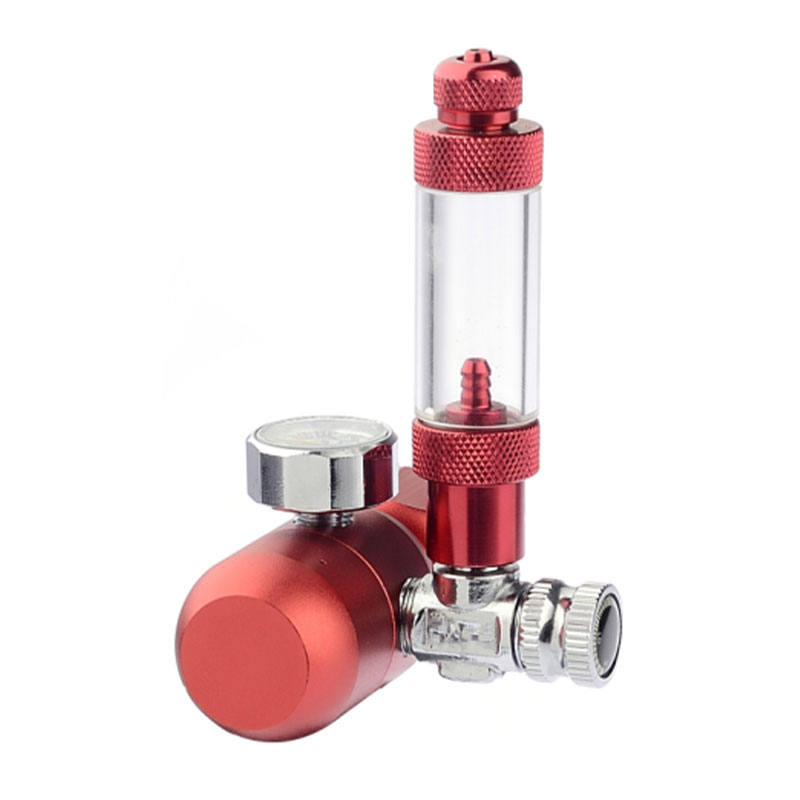
This aquarium plant CO2 pressure regulator is designed for aquatic plant landscaping and aquarium sy...
See Details -
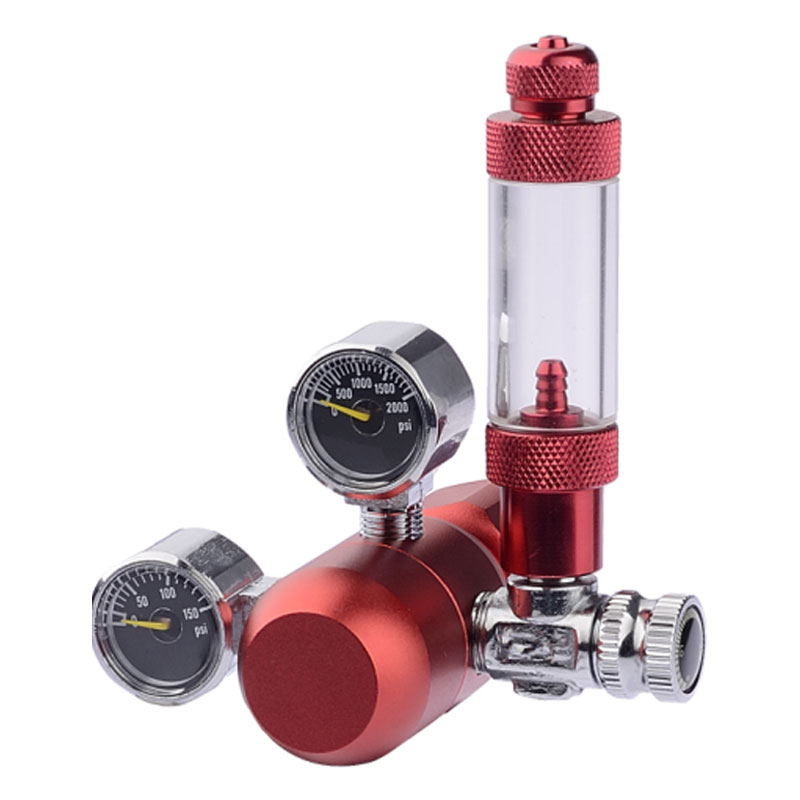
This digital CO2 regulator for aquarium systems provides stable gas support for aquatic plant landsc...
See Details -
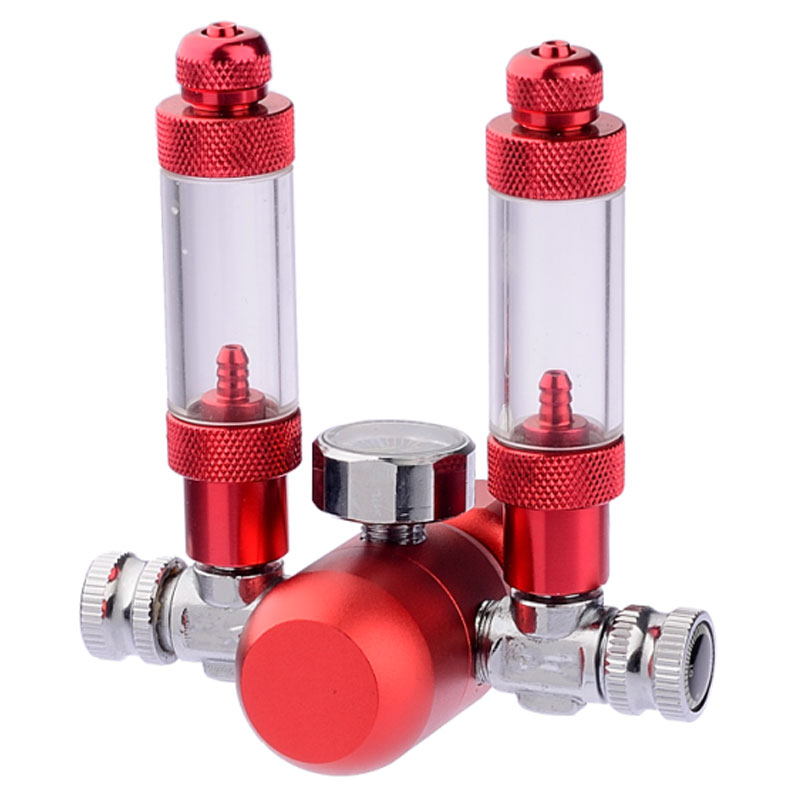
This environmentally friendly dual-gauge CO2 aquarium pressure regulator is designed for aquatic pla...
See Details -
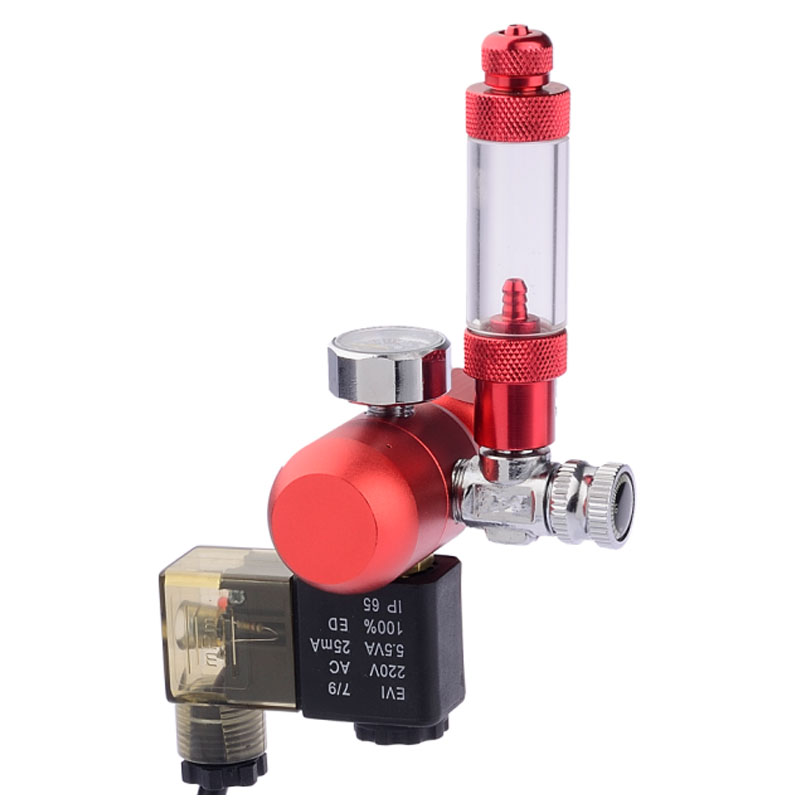
Aquarium CO2 Regulator's precision adjustment design provides accurate CO2 volume at LP 150 PSI / HP...
See Details -
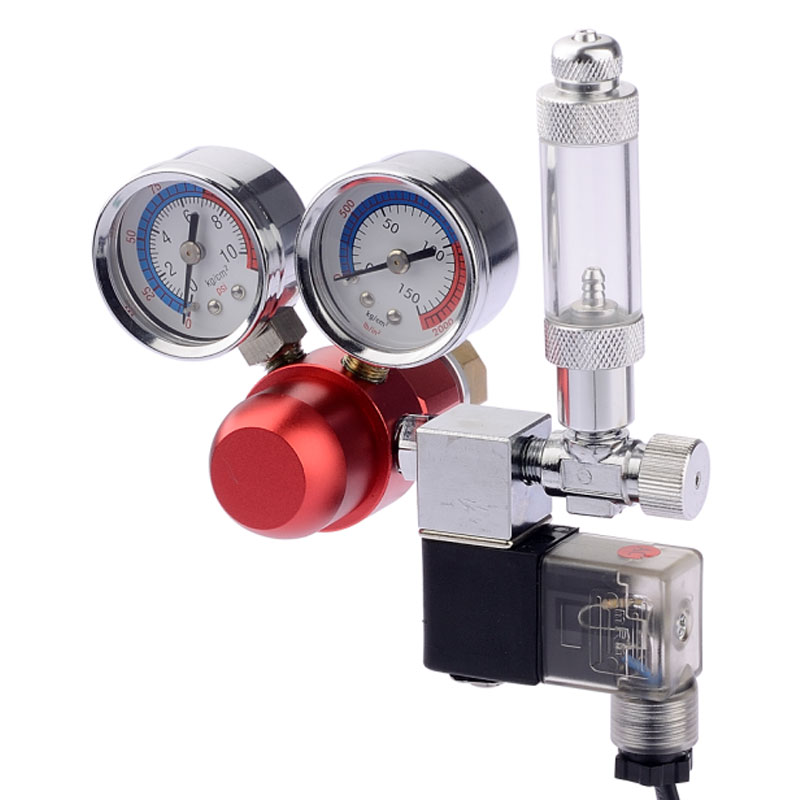
This aquarium CO2 regulator with dual pressure gauges and single bubble counter is designed specific...
See Details -
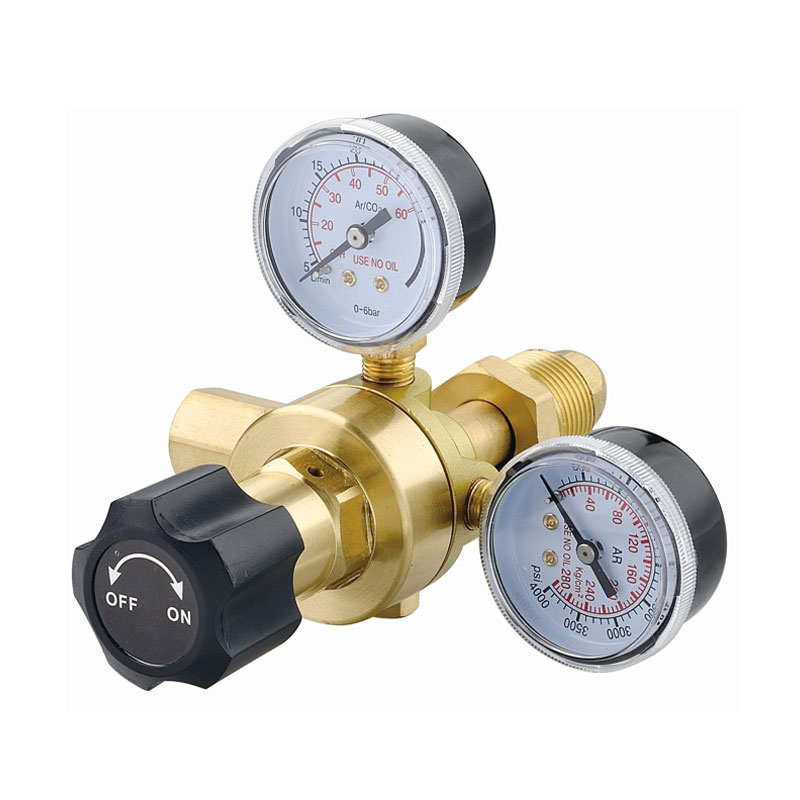
The ArR-192 Industrial Welding Argon Regulator is a pressure regulation device specifically designed...
See Details -
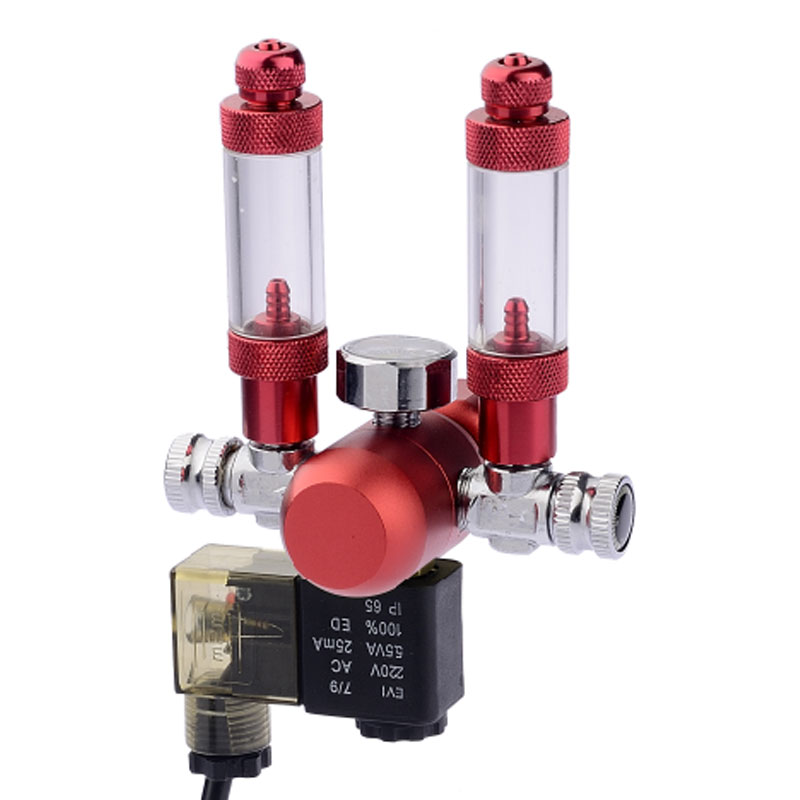
This aquarium CO2 regulator with dual bubble counters is designed for aquascaping and aquatic plant ...
See Details

- PRODUCTS
- Pressure Regulator for Welding and Cutting
- Aquarium Pressure Regulator
- Beer and Beverage Pressure Regulator
- Pipeline Pressure Reducer
- CONTACT INFO
-
-
+86-180 6927 8236

-
[email protected]

-
No.1358,Tanjialing West Road, Lanjiang Street,Yuyao, 315400, Zhejiang

-
- MOBILE QR CODE

