

 English
  русский
  Español
 The high-pressure CO2 pressure reducing valve for beer and beverages is a gas control device specifi...
See DetailsBeer and Beverage Pressure Regulators Explained: How They Work and Why They Matter
Industry News-A beer and beverage pressure regulator is a mechanical device that controls the flow of CO2 or nitrogen gas from a high-pressure tank into a kegging or draft system, reducing tank pressure (often 800–2,500 PSI) down to a safe, usable working pressure (typically 8–14 PSI for most draft beer systems). It ensures consistent carbonation, prevents over-foaming, and protects both the keg and dispensing lines from pressure damage. Without one, gas would flow uncontrolled directly from the tank, making draft dispensing impossible and dangerous.
What a Beer and Beverage Pressure Regulator Actually Does
At its core, a regulator's job is pressure reduction and stabilization. CO2 tanks store gas at extremely high pressure — a full 20 lb tank can hold up to 2,000 PSI at room temperature. Draft beer, however, typically needs only 10–12 PSI to stay properly carbonated and pour smoothly. The regulator bridges this massive gap safely.
Inside the regulator, a diaphragm and spring mechanism work together to restrict gas flow. As tank pressure enters the high-pressure chamber, the diaphragm flexes against the spring tension (set by the adjustment knob), releasing gas into the low-pressure output line only when it drops below the target setting. This creates a self-regulating loop that keeps output pressure stable even as tank pressure gradually drops from full to empty.
Key Components and How They Work Together
High-Pressure Gauge
This gauge reads the remaining pressure in the CO2 tank, giving an estimate of how much gas is left. Since CO2 is stored as a liquid-gas mixture, this gauge stays relatively constant until the tank is nearly empty, then drops sharply — a useful early-warning limitation to know about.
Low-Pressure Gauge
This shows the actual working pressure being delivered to the keg or dispensing line, which is the number that directly affects pour quality and carbonation level.
Adjustment Screw and Spring
Turning the screw compresses or releases the internal spring, raising or lowering the target output pressure. This is the primary control point users interact with.
Safety Relief Valve
If output pressure spikes beyond a safe threshold (often 50–60 PSI for single-gauge units), this valve releases gas automatically to prevent line rupture or keg damage.
Single-Gauge vs. Dual-Gauge Regulators
Choosing between a single-gauge and dual-gauge regulator depends on how much control and monitoring you need.
| Feature | Single-Gauge | Dual-Gauge |
|---|---|---|
| Tank pressure display | No | Yes |
| Working pressure display | Yes | Yes |
| Typical cost range | $15–$30 | $25–$60 |
| Best for | Budget setups, single keg | Multi-keg systems, commercial use |
For home draft setups with one or two kegs, a single-gauge regulator is often sufficient. Commercial bars or multi-tap kegerators benefit from dual-gauge or multi-body regulators that allow independent pressure control for each line.
CO2 vs. Nitrogen and Beer Gas Blends
Not all draft beverages use pure CO2. The gas type affects which regulator you need:
- Pure CO2: Standard for most carbonated beers, sodas, and kegged wine, typically dispensed at 10–14 PSI.
- Nitrogen (N2): Used for nitro stouts like Guinness, requiring specialized regulators rated for higher pressures (often 30–35 PSI) due to nitrogen's lower solubility.
- Beer gas blends (70/30 or 75/25 nitrogen/CO2): Common in commercial settings for long-draw systems, requiring a dedicated blended-gas regulator that differs mechanically from standard CO2 units.
Using the wrong regulator type for the gas can cause under-carbonation, excessive foaming, or inconsistent pours, so matching regulator to gas type is a critical first step.
How to Select the Right Regulator for Your System
Selecting a regulator involves matching it to your tank, gas type, and number of dispensing lines.
- Confirm your tank's fitting type — most U.S. CO2 tanks use a CGA-320 connection, while nitrogen tanks typically use CGA-580.
- Determine how many kegs or lines you need to control simultaneously — this dictates single-body vs. multi-body regulators.
- Check the maximum working pressure rating; most beer regulators are rated to 60 PSI, sufficient for nearly all draft applications.
- Verify outlet thread size (commonly 5/16" barb for U.S. kegerators) matches your existing gas lines.
Common Problems and Troubleshooting
| Symptom | Likely Cause |
|---|---|
| Excessive foam | Pressure set too high, or line length too short |
| Flat beer | Pressure set too low, or leak in gas line |
| Gauge stuck at zero | Frozen or malfunctioning diaphragm |
| Hissing sound from relief valve | Output pressure exceeding safety threshold |
Most foaming and flatness issues trace back to incorrect pressure settings rather than equipment failure, so checking the low-pressure gauge against manufacturer recommendations is usually the fastest fix.
Maintenance Tips for Long-Term Reliability
Regulators are low-maintenance but not maintenance-free. Following a few basic practices extends their lifespan significantly.
- Inspect gaskets and O-rings every 6 months for cracking or wear.
- Apply a soapy water test to all connections to check for leaks — bubbling indicates a leak point.
- Store regulators disconnected from tanks when not in use to reduce spring fatigue.
- Avoid over-tightening the adjustment screw, which can damage the internal diaphragm over time.
A well-maintained regulator can last 10 years or more, while neglected units often develop leaks or inaccurate readings within just a few years of regular use.
Related products
-
-
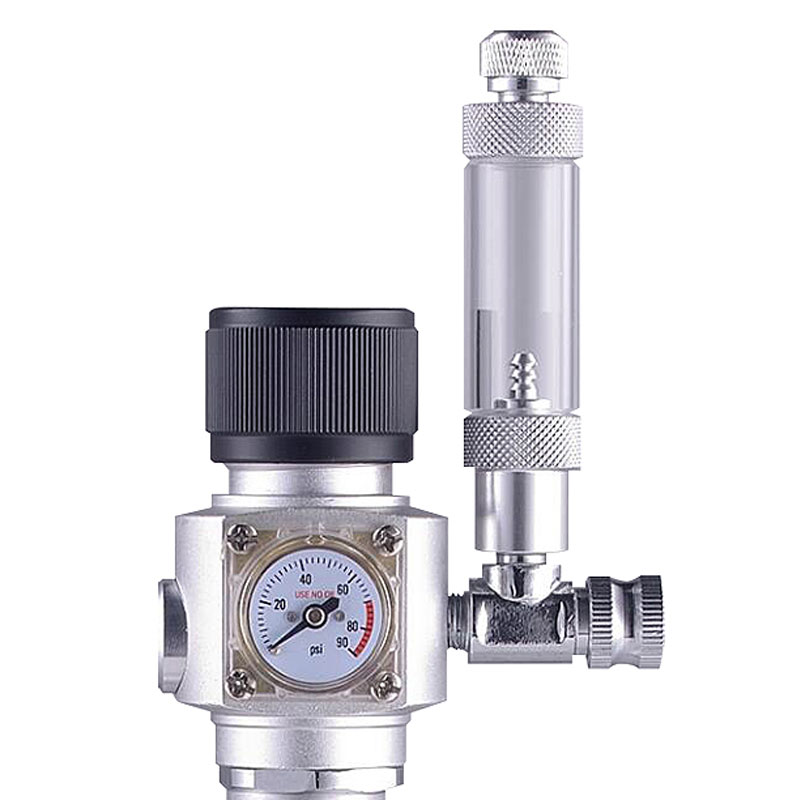
This integrated CO2 regulator with pressure gauge and counter combines pressure monitoring and gas f...
See Details -
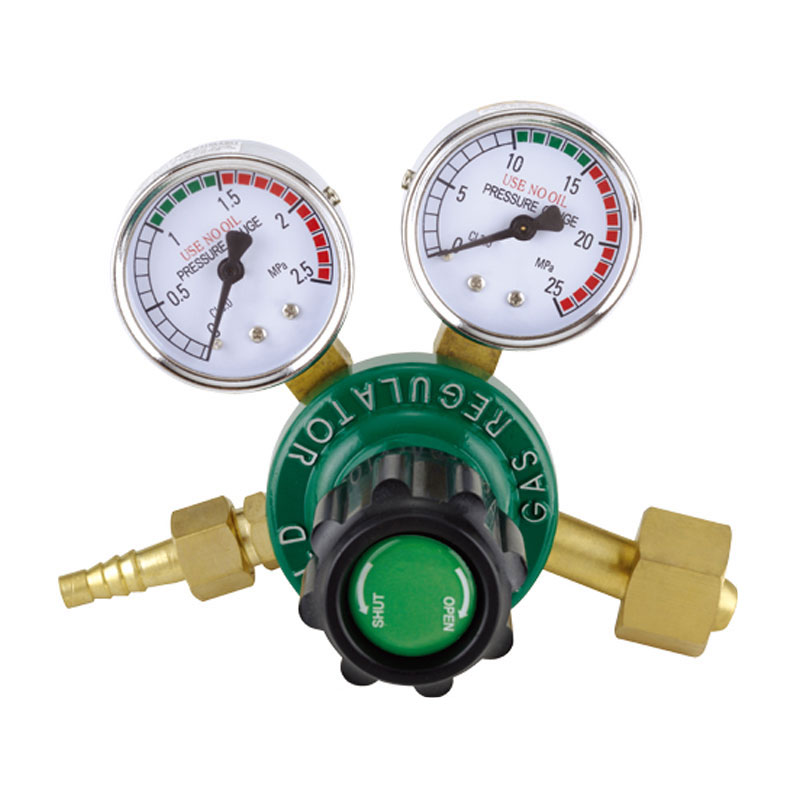
The OR-09 Customizable Pressure and Interface Oxygen Pressure Reducing Controller is designed for pr...
See Details -
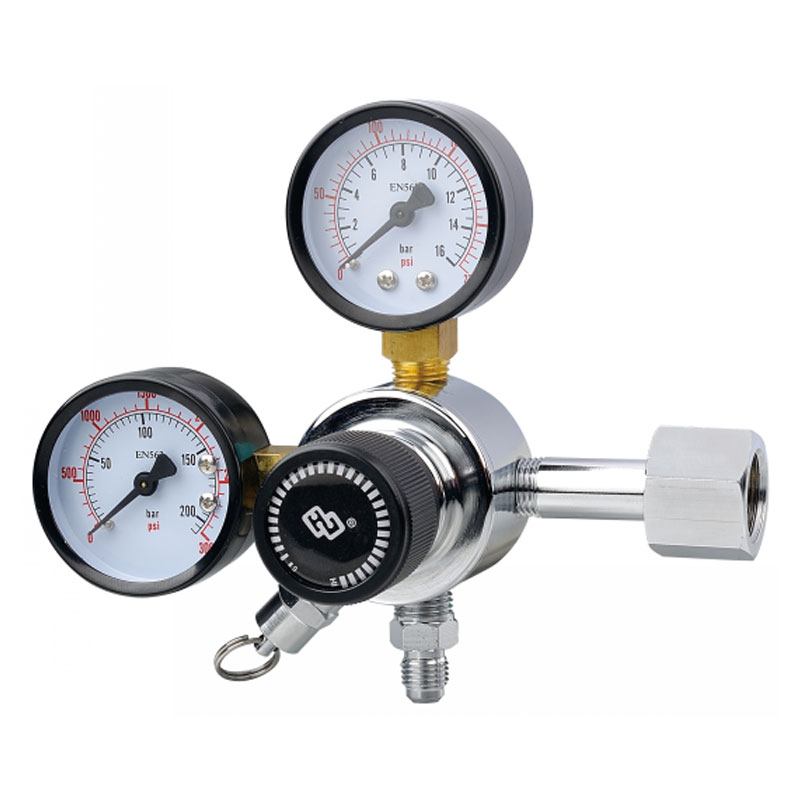
The adjustable CO2 pressure regulator for beer and beverages is constructed of chrome-plated brass, ...
See Details -
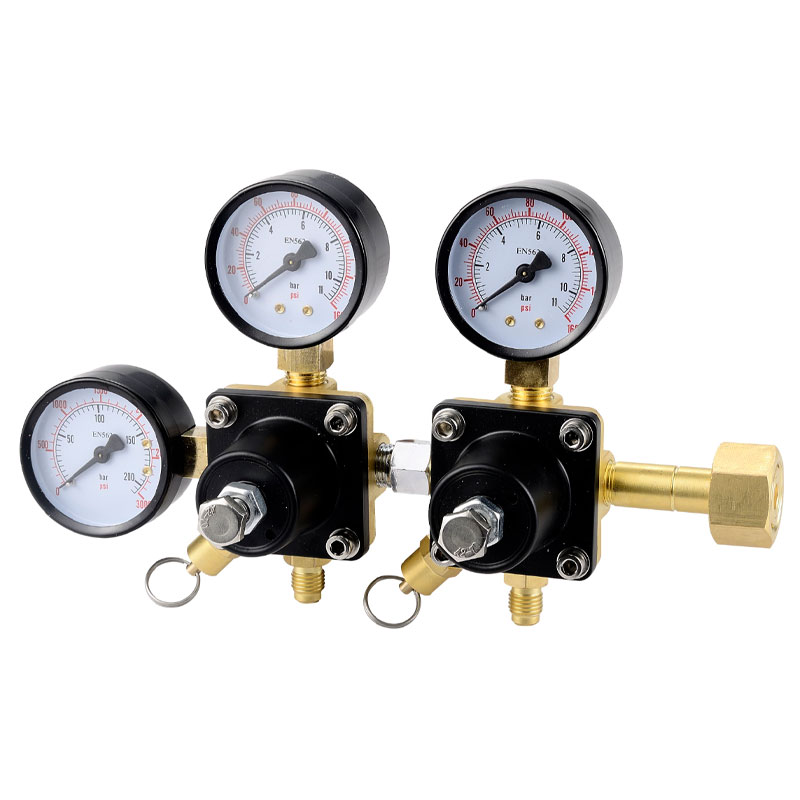
The multi-position pressure-regulating CO2 controller for beer beverages is a CO2 pressure control d...
See Details -
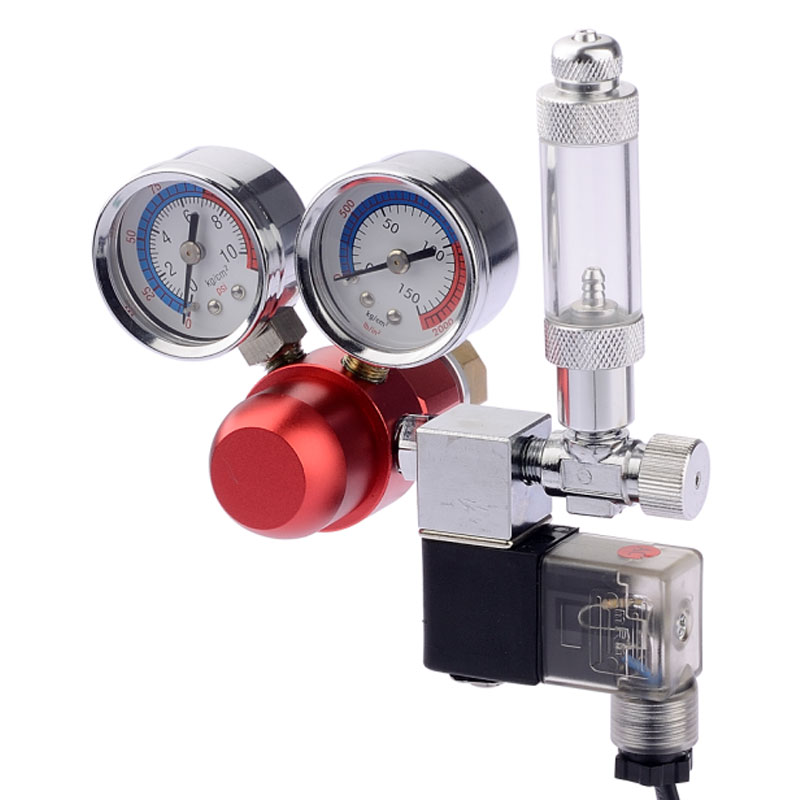
This aquarium CO2 regulator with dual pressure gauges and single bubble counter is designed specific...
See Details -
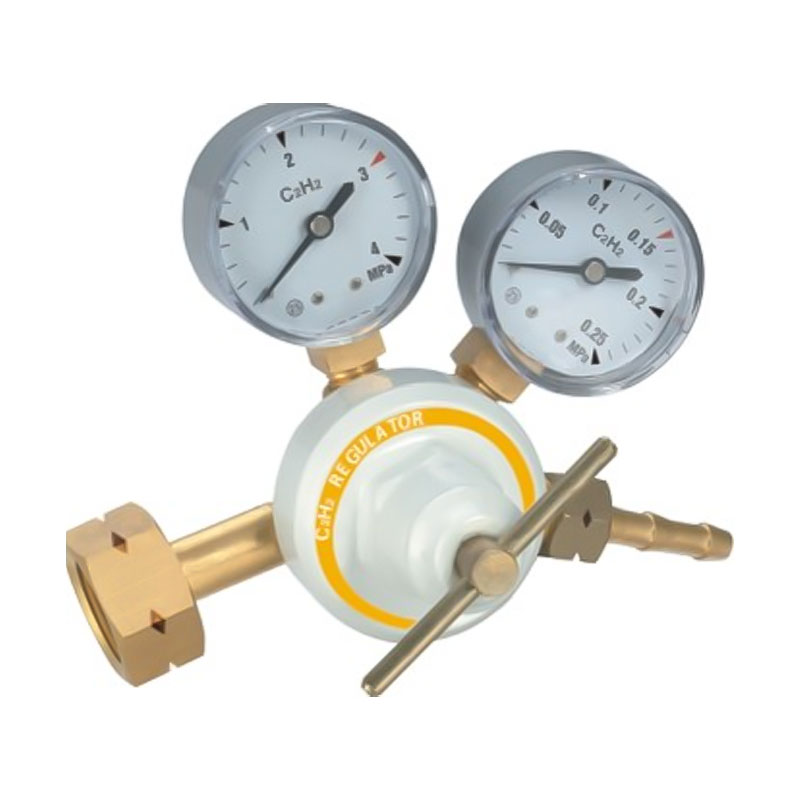
The AR-56 High-Stability Welding and Cutting Acetylene Regulator is designed with a focus on pressur...
See Details -
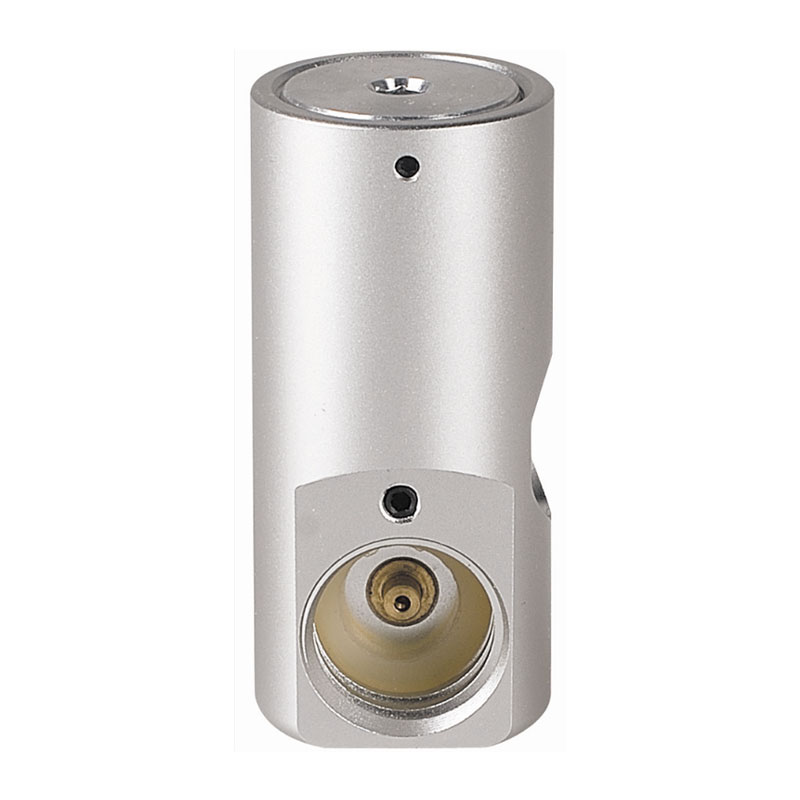
The CO2 stabilization pressure reducer for soda beverages features a fixed pressure output and no pr...
See Details

- PRODUCTS
- Pressure Regulator for Welding and Cutting
- Aquarium Pressure Regulator
- Beer and Beverage Pressure Regulator
- Pipeline Pressure Reducer
- CONTACT INFO
-
-
+86-180 6927 8236

-
[email protected]

-
No.1358,Tanjialing West Road, Lanjiang Street,Yuyao, 315400, Zhejiang

-
- MOBILE QR CODE

