

 English
  русский
  Español
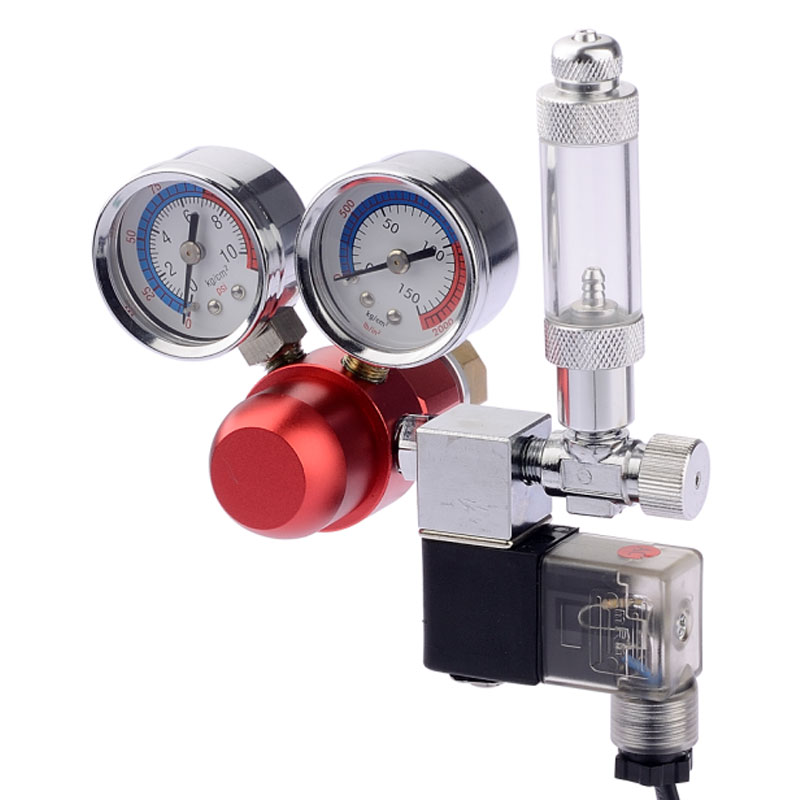
 This aquarium CO2 regulator with dual pressure gauges and single bubble counter is designed specific...
See DetailsSingle-Gauge vs. Dual-Gauge Beer Regulators: Which One Do You Need?
Industry News-A single-gauge beer regulator only shows output (working) pressure and is sufficient for most home kegerator setups running a single CO2 tank, while a dual-gauge regulator shows both tank pressure and output pressure, making it the better choice for anyone who wants to monitor remaining CO2 without disconnecting the tank, or who runs a commercial system where tank downtime is costly. The extra gauge doesn't change how the regulator controls pressure to your keg—it simply adds visibility into how much gas is left, which matters more as your setup scales in usage or complexity.
What Each Gauge Actually Measures
Understanding what each gauge shows is the key to knowing which setup you actually need.
Output (Working) Pressure Gauge
This gauge shows the regulated pressure being delivered to your keg—typically set between 8 and 14 psi for most draft beer styles—and is the gauge you actively monitor and adjust day to day. Both single- and dual-gauge regulators include this gauge, since it's essential to dialing in proper carbonation and pour quality.
Tank (Inlet) Pressure Gauge
Only present on dual-gauge regulators, this second gauge shows the pressure remaining inside the CO2 tank itself—useful for tracking how much gas is left without needing to disconnect and weigh the tank.
Single-Gauge Regulators: Best for Simplicity
Single-gauge regulators are more affordable and mechanically simpler, with one less component that can potentially fail over time. They're the standard choice for home kegerators and small setups where CO2 tank swaps are infrequent and easy to plan around.
When It Makes Sense
- You run a single home kegerator with one or two taps
- You don't mind checking tank weight periodically as a low-tech way to estimate remaining gas
- You want the most budget-friendly option with fewer parts to maintain
- Running out of CO2 mid-use is a minor inconvenience, not a business-critical problem
Dual-Gauge Regulators: Best for Monitoring and Commercial Use
Dual-gauge regulators let you see tank pressure at a glance, which is especially valuable because CO2 tank pressure stays relatively constant until the tank is nearly empty—meaning a sudden pressure drop gives you advance warning to swap tanks before you run out completely.
When It Makes Sense
- You run a commercial bar, restaurant, or multi-tap draft system where running out of gas disrupts service
- You want an early warning before the tank runs completely empty
- You manage multiple kegs or a soda fountain system and need reliable gas monitoring
- You prefer having complete visibility into your system's status without extra steps
Side-by-Side Comparison
| Factor | Single-Gauge | Dual-Gauge |
|---|---|---|
| Tank Pressure Visibility | No | Yes |
| Typical Cost | Lower | Higher |
| Best For | Home kegerators | Commercial/multi-tap systems |
| Maintenance Complexity | Lower | Slightly higher |
Quick Decision Checklist
- Is this for home use with one or two taps? A single-gauge regulator is likely all you need.
- Would running out of CO2 disrupt service or business operations? Choose dual-gauge for advance warning.
- Do you manage multiple kegs or taps? Dual-gauge visibility becomes more valuable as complexity increases.
- Is budget the primary concern? Single-gauge regulators offer reliable core function at a lower price point.
Related products
-
-
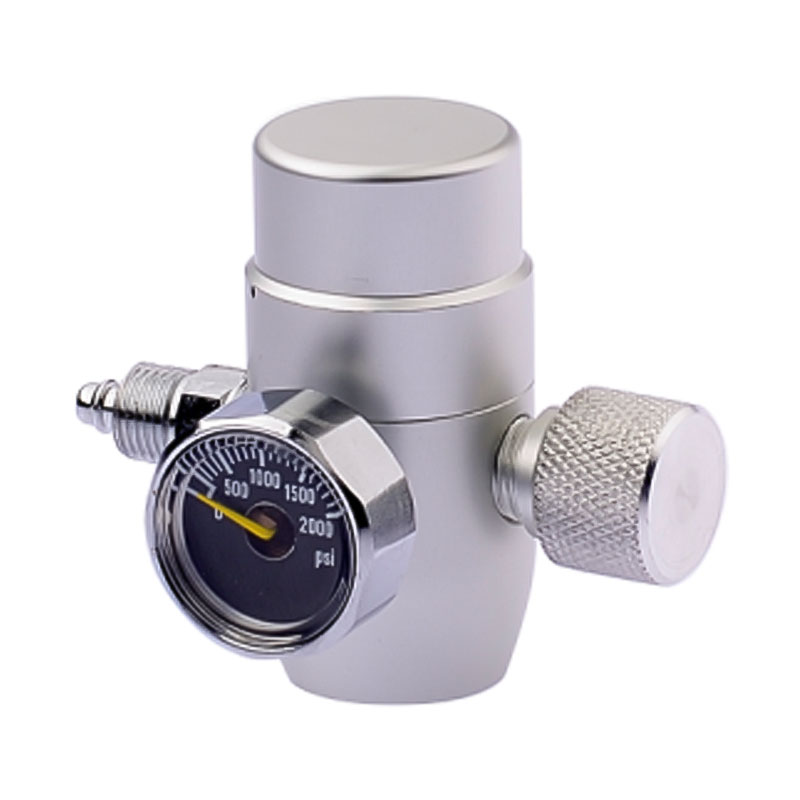
This mini single pressure gauge aquarium CO2 regulator is designed to provide a stable CO2 supply fo...
See Details -
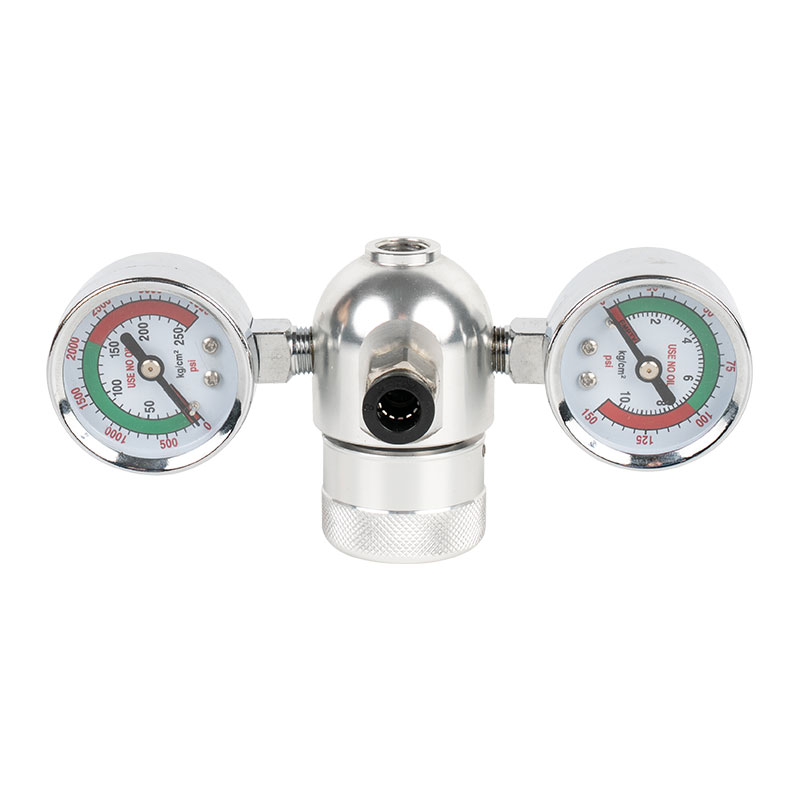
Broad CompatibilityFitted with standard M22×2 and M11×1 connectors, it works with common 8g and 580g...
See Details -
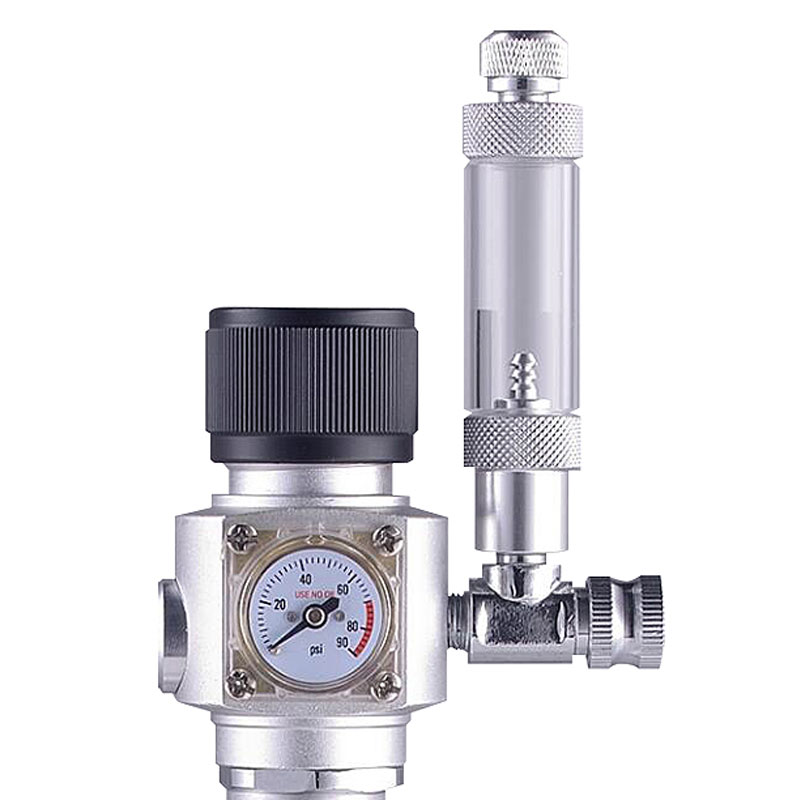
This integrated CO2 regulator with pressure gauge and counter combines pressure monitoring and gas f...
See Details -
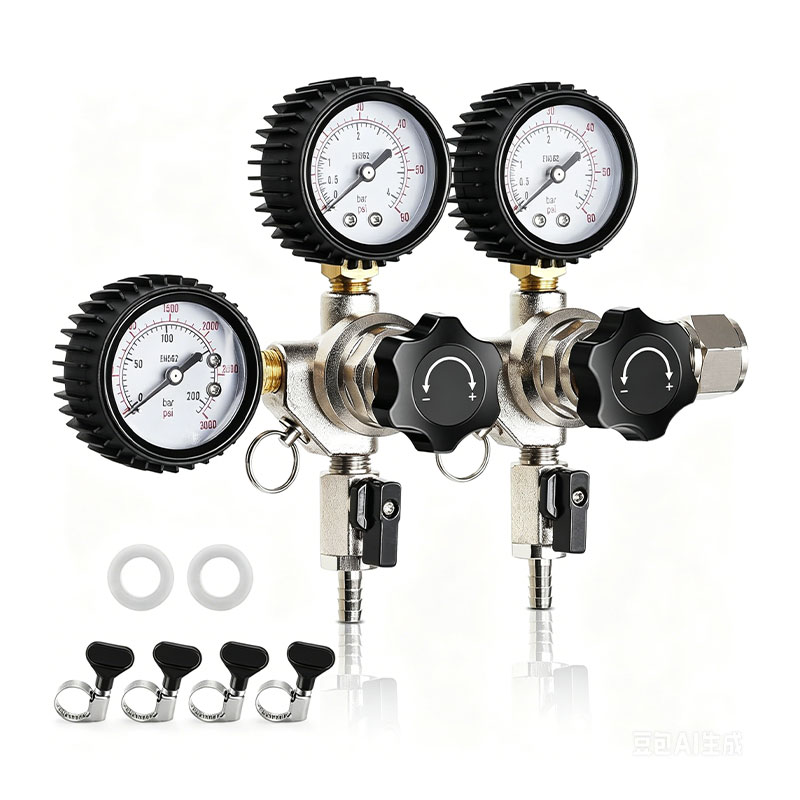
Precise & ClearThis dual-output CO2 regulator fits dual-tap kegerators, beer towers, soda and ko...
See Details -
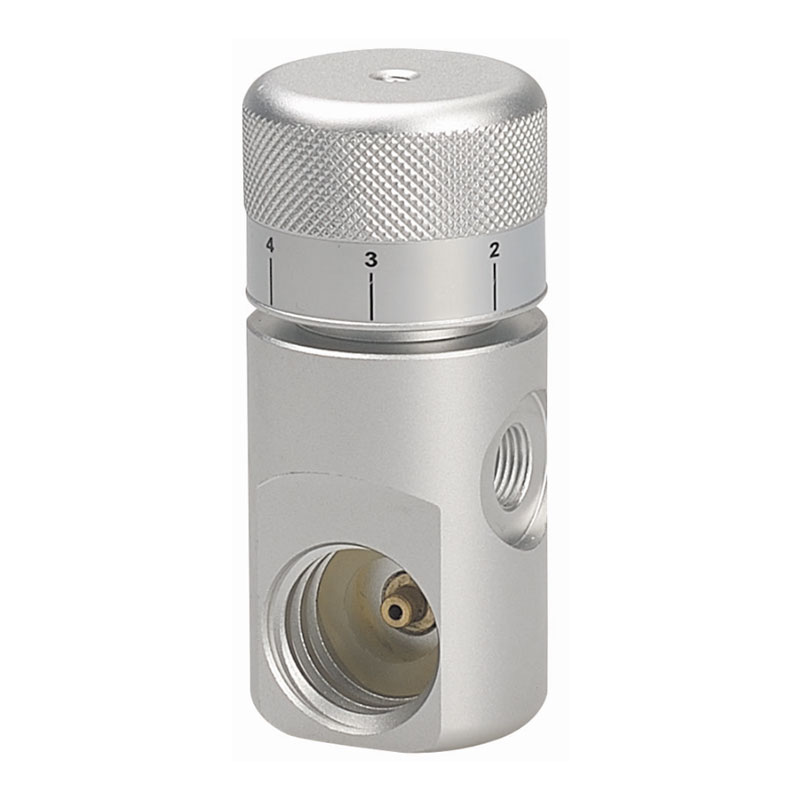
The non-gauge pressure soda CO2 pressure reducer features an adjustable pressure design, enabling ga...
See Details -
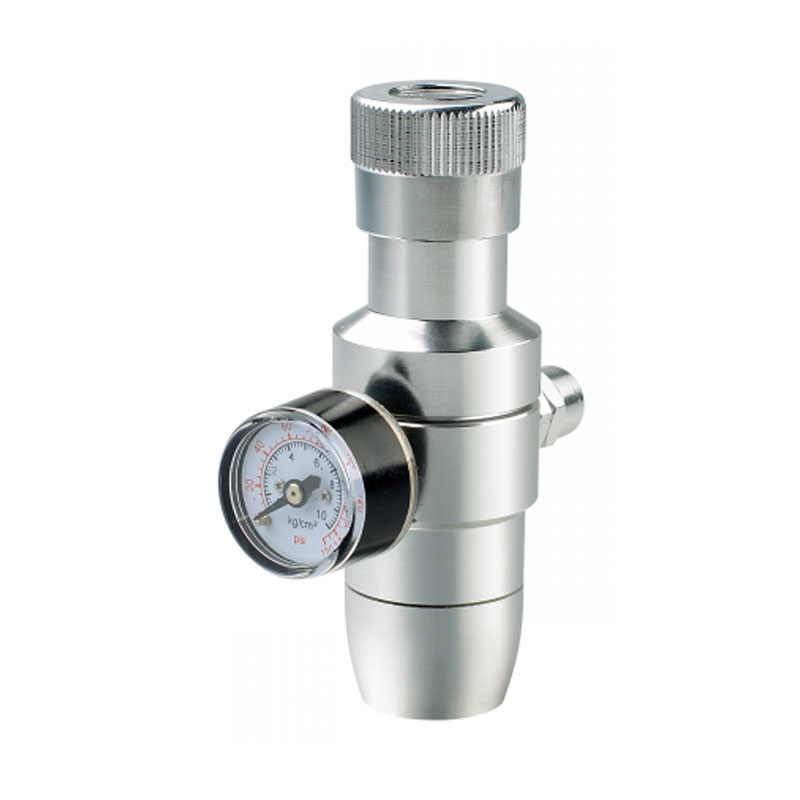
The customizable aluminum alloy beer and beverage gas regulator is a two-stage pressure-reducing dev...
See Details -
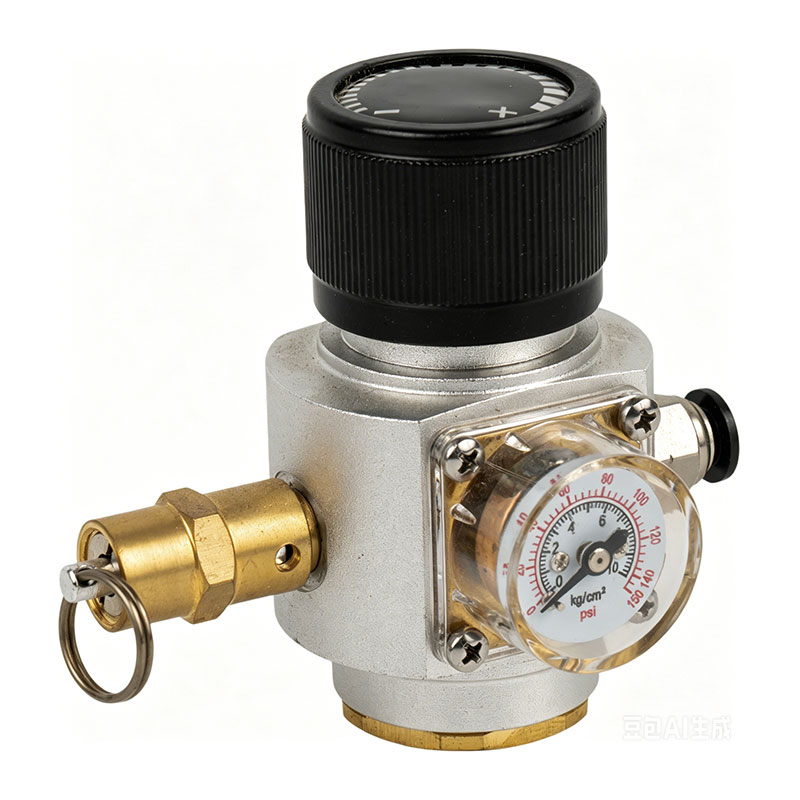
Precision Carbonation ControlThis 0-60psi mini CO2 regulator enables easy pressure tuning for ideal ...
See Details

- PRODUCTS
- Pressure Regulator for Welding and Cutting
- Aquarium Pressure Regulator
- Beer and Beverage Pressure Regulator
- Pipeline Pressure Reducer
- CONTACT INFO
-
-
+86-180 6927 8236

-
[email protected]

-
No.1358,Tanjialing West Road, Lanjiang Street,Yuyao, 315400, Zhejiang

-
- MOBILE QR CODE

