

 English
  русский
  Español
 The AR-02 Acetylene Gas Regulator is a pressure control device designed for use with acetylene gas, ...
See DetailsAcetylene vs. Oxygen Regulators: Key Differences You Need to Know Before Buying
Industry News-Acetylene and oxygen regulators are never interchangeable: acetylene regulators use a left-hand threaded (reverse-threaded) CGA 510 fitting with a maximum delivery pressure capped around 15 psi for safety, while oxygen regulators use a right-hand threaded CGA 540 fitting and can safely deliver pressures up to 50–150 psi depending on the application. These differences aren't arbitrary design choices—they exist specifically to prevent a technician from accidentally connecting the wrong gas to the wrong equipment, since acetylene becomes dangerously unstable above 15 psi and can decompose explosively even without oxygen present.
Why These Two Regulators Can Never Be Interchanged
Acetylene gas is chemically unstable at high pressure and can spontaneously decompose—releasing enough heat to trigger an explosion—when compressed above roughly 15 psi, even in the complete absence of oxygen. This is the fundamental safety reason acetylene equipment is engineered entirely differently from oxygen equipment, from the regulator itself down to the hose fittings and torch tips.
The Industry-Standard Safeguard: Reverse Threading
To physically prevent cross-connection, the gas industry standardized left-hand (reverse) threads on all fuel gas fittings, including acetylene, while oxygen and other non-fuel gases use standard right-hand threads. This means an acetylene regulator simply cannot be threaded onto an oxygen cylinder valve, and vice versa—a deliberate mechanical safeguard, not a manufacturing inconsistency.
Key Mechanical Differences
Beyond thread direction, several other design elements differ between the two regulator types to reflect the distinct properties of each gas.
| Feature | Acetylene Regulator | Oxygen Regulator |
|---|---|---|
| Thread Direction | Left-hand (reverse) | Right-hand (standard) |
| CGA Fitting | CGA 510 | CGA 540 |
| Max Delivery Pressure | ~15 psi | 50–150 psi |
| Body/Gauge Color (typical) | Red accents | Green accents |
| Hose Connection | Left-hand threaded, often grooved nut | Right-hand threaded, smooth nut |
Color Coding and Tactile Identification
Beyond color coding, fuel gas fittings often include a groove or notch cut into the nut so technicians can identify a left-hand threaded connection by touch alone, even in low-light welding environments—an important redundant safety feature, since color coding alone isn't always reliable across manufacturers or regions.
Pressure Rating Differences and Why They Matter
Pressure capability is where the two regulator types diverge most dramatically, directly reflecting the chemical properties of each gas.
Acetylene: Low-Pressure by Design
Acetylene regulators are intentionally designed with a hard mechanical limit around 15 psi, since exceeding this threshold significantly increases the risk of decomposition—a self-sustaining chemical reaction that can occur even without an ignition source or oxygen present. This is why acetylene cylinders themselves are also uniquely designed, filled with a porous material and liquid acetone to safely dissolve and stabilize the gas at higher cylinder pressures.
Oxygen: Higher Pressure Tolerance
Oxygen itself is not explosive, but it dramatically accelerates combustion of other materials, so oxygen regulators are built to handle much higher pressures—commonly up to 150 psi for cutting torch applications—without the same decomposition risk that limits acetylene.
Material and Cleanliness Requirements
Oxygen regulators have an additional critical requirement that acetylene regulators don't: strict oil- and grease-free construction. Oxygen reacts violently with hydrocarbons like oil and grease under pressure, so oxygen regulators must be manufactured, cleaned, and serviced using oxygen-safe procedures—any oil contamination in an oxygen regulator can cause spontaneous combustion.
Copper Alloy Restrictions for Acetylene
Conversely, acetylene equipment has its own unique material restriction: components in contact with acetylene gas must avoid copper alloys containing more than 65% copper, since acetylene reacts with high-copper-content metals to form copper acetylide, a highly sensitive explosive compound.
What to Check When Buying Either Regulator
Regardless of which gas you're working with, confirm these details before purchase to ensure compatibility and safety.
- CGA fitting number – Confirm CGA 510 for acetylene or CGA 540 for oxygen matches your cylinder valve exactly.
- Pressure gauge range – Ensure the gauge's maximum reading exceeds your typical working pressure with margin for cylinder pressure spikes.
- Certification markings – Look for CGA (Compressed Gas Association) or CE certification confirming the regulator meets recognized safety standards.
- Oxygen cleanliness certification – For oxygen regulators specifically, confirm the manufacturer states the unit is cleaned and rated for oxygen service.
Common Mistakes to Avoid
Never attempt to force-fit an oxygen regulator onto an acetylene cylinder or vice versa, even if a fitting seems close enough with an adapter—doing so bypasses a critical safety system designed to prevent exactly this kind of dangerous cross-connection.
- Never use oil or grease on any part of an oxygen regulator, including threads, even for lubrication purposes.
- Never exceed 15 psi delivery pressure on acetylene, regardless of the application or torch tip size being used.
- Never substitute generic hose or fitting adapters to bypass the left-hand/right-hand thread safeguard.
- Never use a regulator that shows signs of oil contamination or physical damage on the oxygen side of a welding setup.
Acetylene and oxygen regulators are deliberately engineered to be mechanically incompatible, with different thread directions, pressure ratings, and material requirements—all specifically designed to prevent the kind of cross-connection or contamination that could lead to explosion. When purchasing either regulator, always buy from a reputable welding supply source, confirm the correct CGA fitting for your cylinder, and never attempt to modify or adapt equipment to bypass these built-in safety distinctions.
Related products
-
-
The OR-07A Continuous Operation Oxygen Pressure Control Regulator can handle input pressures as high...
See Details -
Designed with energy efficiency and reliability in mind, the OR-19 All-Brass Energy-Efficient Oxygen...
See Details -
The AR-03 High Precision Acetylene Regulator is a device designed for regulating acetylene gas press...
See Details -
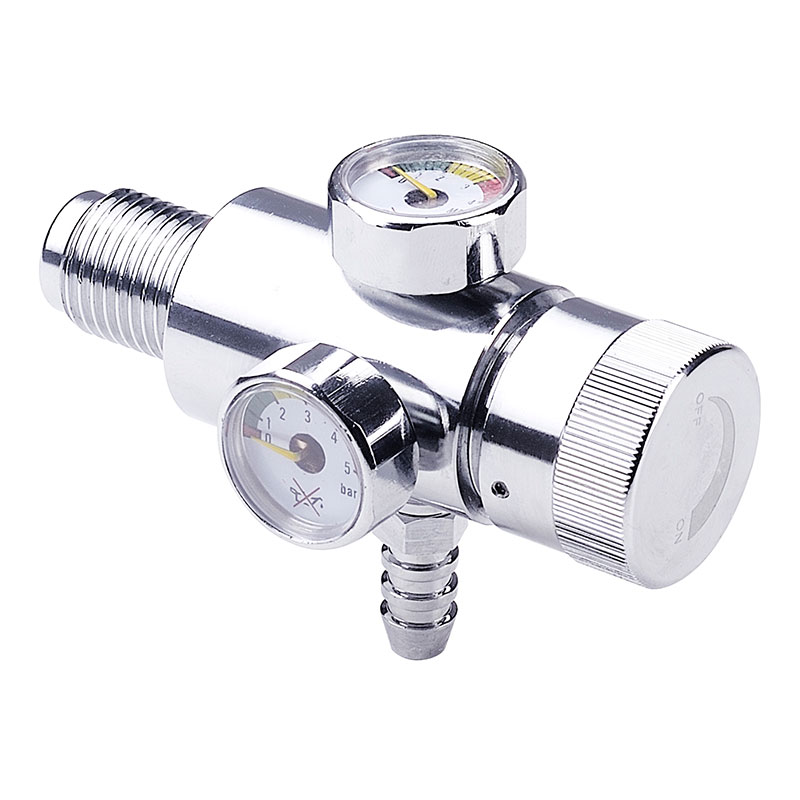
The AR-19 Durable Industrial Acetylene Regulator utilizes a scientifically designed gas path to achi...
See Details -
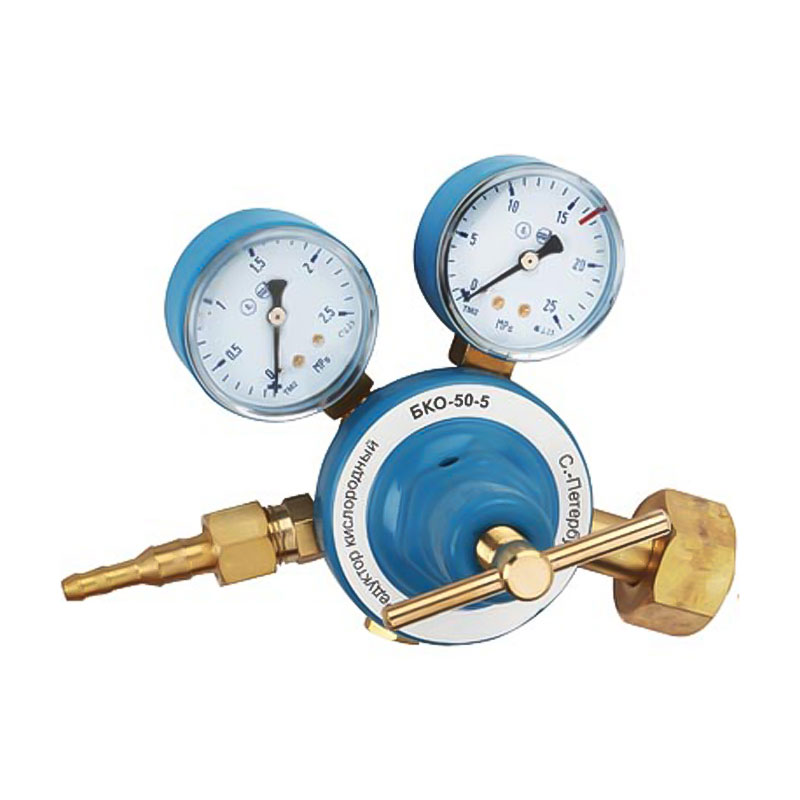
The OOR-58 Industrial Oxygen Regulator is a pressure management device designed specifically for hig...
See Details -
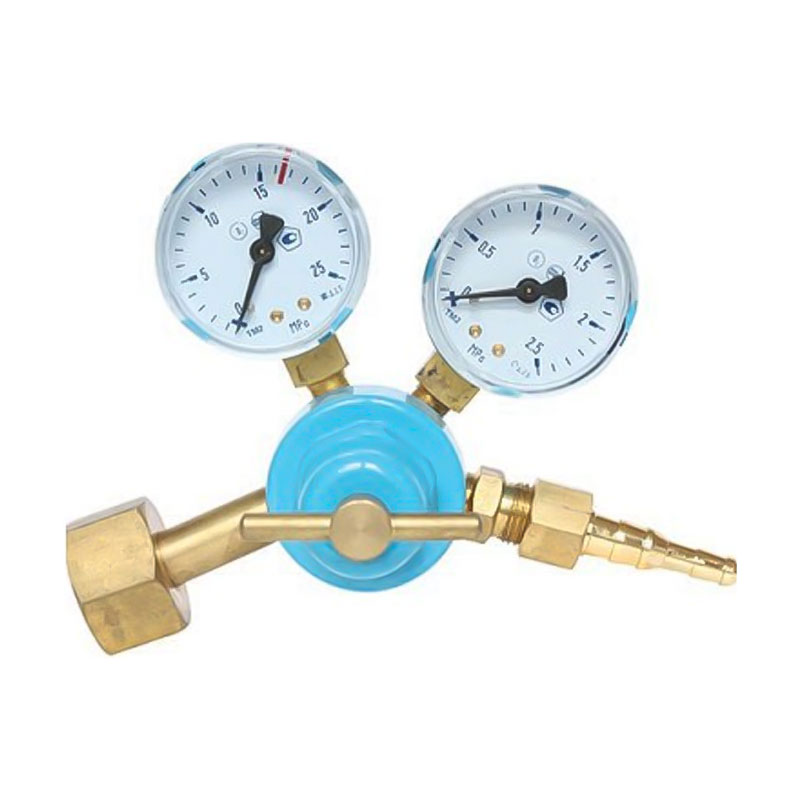
The OR-57 High-Safety Multifunctional Oxygen Regulator effectively reduces and regulates cylinder pr...
See Details -
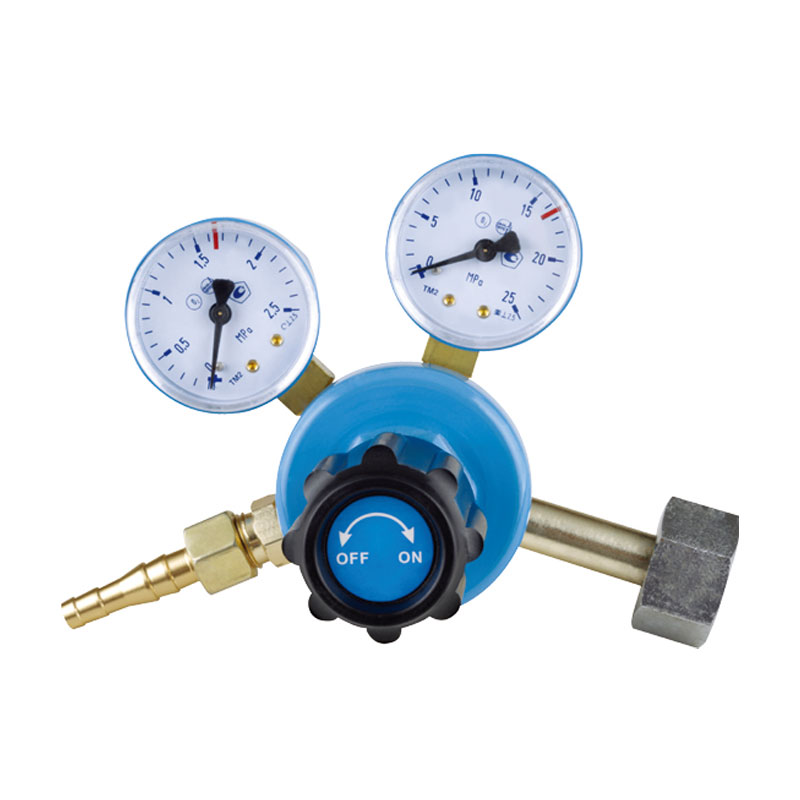
The OR-56 Industrial Stable Oxygen Regulator is a pressure regulation device custom-built for indust...
See Details

- PRODUCTS
- Pressure Regulator for Welding and Cutting
- Aquarium Pressure Regulator
- Beer and Beverage Pressure Regulator
- Pipeline Pressure Reducer
- CONTACT INFO
-
-
+86-180 6927 8236

-
[email protected]

-
No.1358,Tanjialing West Road, Lanjiang Street,Yuyao, 315400, Zhejiang

-
- MOBILE QR CODE

