

 English
  русский
  Español
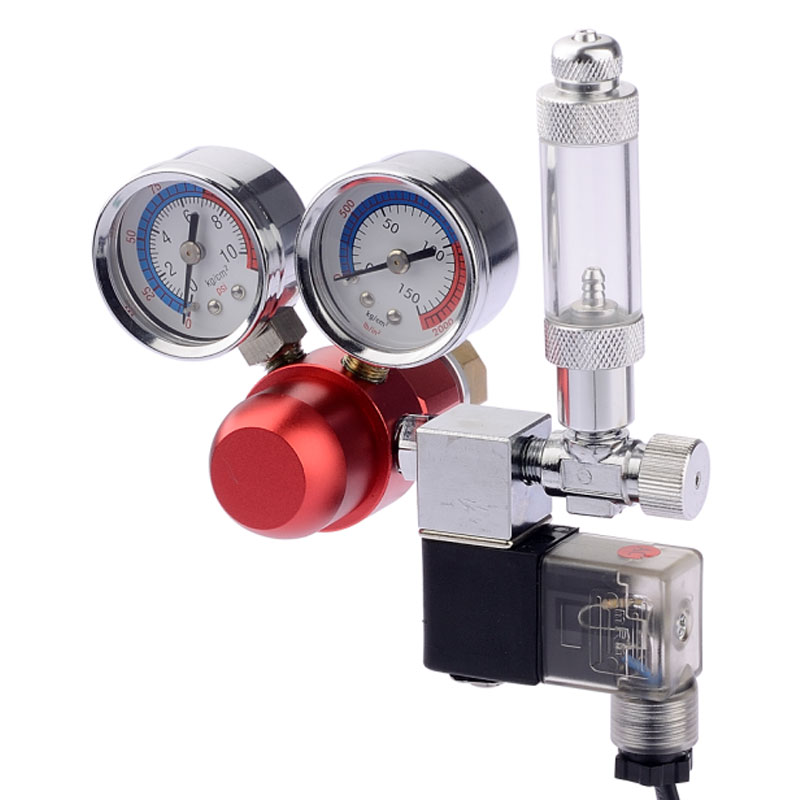
 This aquarium CO2 regulator with dual pressure gauges and single bubble counter is designed specific...
See DetailsBeer and Beverage Pressure Regulator: Setup, Calibration, and Troubleshooting Guide
Industry News-What Does a Beer and Beverage Pressure Regulator Do?
A beer and beverage pressure regulator reduces high-pressure gas from a CO2 or nitrogen cylinder — typically 800–900 psi in a full tank — down to a low, stable working pressure of 8–14 psi, which pushes beer or other carbonated beverages through the draft line to the tap at a consistent flow rate. Without a properly functioning regulator, draft systems would either fail to dispense beverages at all or dispense them with excessive foam and inconsistent carbonation. The regulator sits between the gas cylinder and the keg, and its correct setup, calibration, and maintenance directly determine pour quality, foam control, and beverage shelf life.
In short: getting the regulator pressure right — matched to your beverage type, line length, and serving temperature — solves the majority of draft dispensing problems before they start.
Types of Beverage Pressure Regulators
Choosing the correct regulator type depends on the number of kegs being served and the gas blend required for the beverage.
Primary (Single-Gauge) Regulators
These attach directly to the gas cylinder and control pressure for a single keg line. They typically feature one high-pressure gauge (tank contents) and one low-pressure gauge (working pressure), making them ideal for home draft setups or single-tap systems.
Secondary (Multi-Body) Regulators
Secondary regulators allow independent pressure control for 2 to 6 separate kegs from a single gas source, which is essential in commercial bars where different beers require different serving pressures due to varying carbonation levels and line lengths.
Nitrogen and Beer Gas (Blended) Regulators
Used for nitrogen-dispensed beers like stouts, these regulators handle beer gas blends (typically 75% nitrogen / 25% CO2) and require higher pressure settings, often 28–35 psi, due to nitrogen's lower solubility in liquid.
Initial Setup: Connecting the Regulator
Proper installation prevents the majority of leaks and pressure inconsistencies encountered in draft systems.
- Inspect the regulator inlet washer/gasket for cracks or wear before attaching to the cylinder
- Hand-tighten the regulator onto the CO2 or nitrogen tank valve, then secure firmly with a wrench
- Open the tank valve slowly to avoid pressure spikes that can damage the diaphragm
- Check the high-pressure gauge to confirm tank contents (a full CO2 tank typically reads 800–900 psi at room temperature)
- Connect gas line tubing from the regulator's low-pressure outlet to the keg coupler
- Apply a soap-water solution to all fittings to visually check for gas bubbles indicating leaks
Calibration: Setting the Correct Working Pressure
Calibration is the process of adjusting the regulator's working pressure to match the beverage's carbonation level and the system's line resistance, which is influenced by line length, diameter, and elevation changes.
Most draft beer systems operate best at a serving pressure of 10–12 psi with 3/16-inch vinyl line at 6–10 feet in length, which balances CO2 absorption with adequate flow to the tap. If lines are shorter, longer, or use different diameter tubing, pressure must be recalculated to maintain proper flow rate — typically targeting a pour of 2 ounces per second.
| Beverage Type | Typical Serving Pressure | Gas Type |
|---|---|---|
| Standard lager/ale | 10–12 psi | CO2 |
| Nitro stout | 28–35 psi | Beer gas (75/25 N2/CO2) |
| Highly carbonated cider | 12–16 psi | CO2 |
| Kombucha/soda | 8–10 psi | CO2 |
To calibrate, turn the adjustment screw or knob clockwise to increase pressure and counterclockwise to decrease it, watching the low-pressure gauge until the target PSI is reached. Allow the system to settle for 24–48 hours after any pressure change, since beverage carbonation levels take time to equalize with the new setting.
Common Troubleshooting Scenarios
Most draft dispensing problems trace back to pressure imbalance, temperature issues, or line configuration rather than the regulator itself failing outright.
Excessive Foam
Usually caused by serving pressure that's too high relative to line resistance, warm beer temperature (above 38°F/3.3°C), or worn tap faucet components. Reducing pressure by 1–2 psi increments while monitoring pour quality is the recommended troubleshooting approach.
Flat or Under-Carbonated Beer
Often results from serving pressure set too low to maintain the beverage's carbonation level in equilibrium, or from a slow gas leak at fittings. Checking connections with soap solution and gradually increasing pressure typically resolves this.
Slow or No Pour
Can indicate insufficient gas pressure, a frozen or blocked line, or a nearly empty gas cylinder. Checking the high-pressure gauge first will confirm whether the tank itself has run low — a CO2 tank below 200 psi at room temperature generally indicates the tank is nearly empty, since CO2 pressure remains relatively stable until the liquid phase is depleted.
Regulator Gauge Reads Zero or Fluctuates Erratically
This typically points to a faulty diaphragm or damaged gauge, both of which require regulator repair or replacement rather than field adjustment. Continuing to use a regulator with an unstable gauge risks over-pressurizing the keg or line.
Maintenance Best Practices
Routine maintenance extends regulator lifespan and prevents unexpected dispensing failures, particularly in high-volume commercial settings.
- Inspect gaskets and washers for wear every 3–6 months, replacing them proactively rather than after a leak occurs
- Check all fittings monthly with soap solution to catch slow leaks before they affect carbonation
- Keep regulators clean and free of dust or moisture buildup, especially in walk-in cooler environments
- Verify gauge accuracy periodically against a known reference to catch calibration drift
- Never exceed the regulator's rated maximum inlet pressure, typically stamped on the body (commonly 2,000–3,000 psi for CO2-rated units)
A properly configured beer and beverage pressure regulator is the foundation of a reliable draft system. Correct setup prevents leaks from the start, accurate calibration to beverage-specific pressure ranges ensures consistent carbonation and pour quality, and systematic troubleshooting — starting with pressure checks before assuming component failure — resolves the vast majority of dispensing issues quickly. Combined with routine gasket and fitting maintenance, these practices keep draft systems pouring consistently whether in a home setup or a high-volume commercial bar.
Related products
-
-
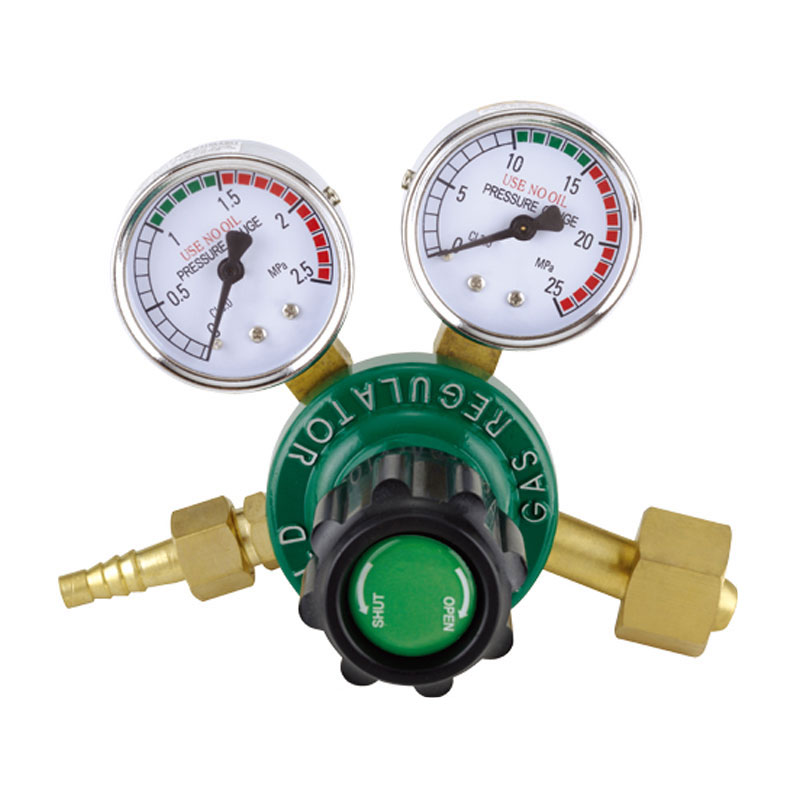
The OR-09 Customizable Pressure and Interface Oxygen Pressure Reducing Controller is designed for pr...
See Details -
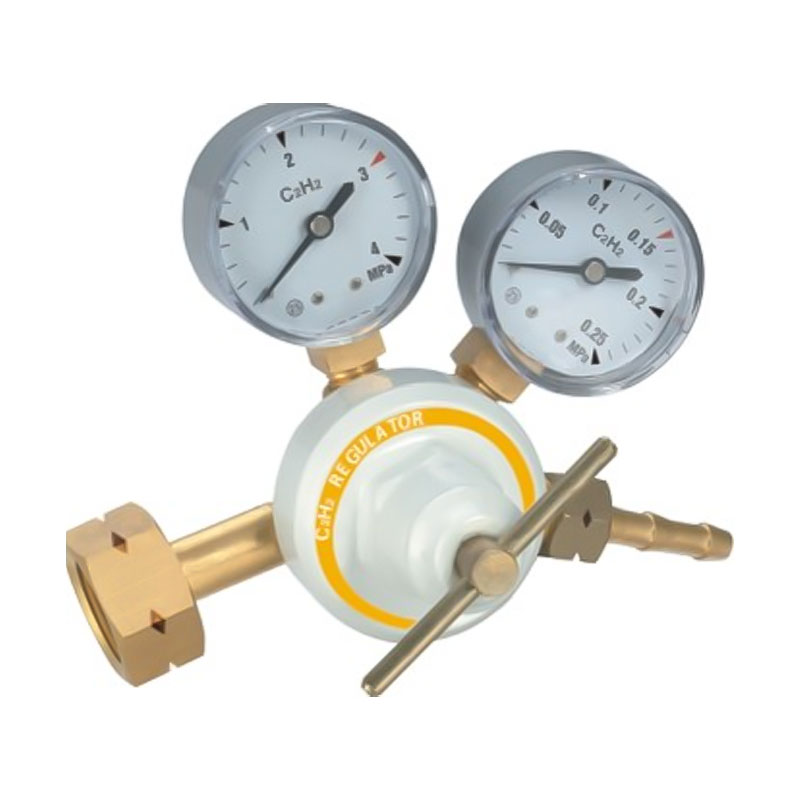
The AR-56 High-Stability Welding and Cutting Acetylene Regulator is designed with a focus on pressur...
See Details -
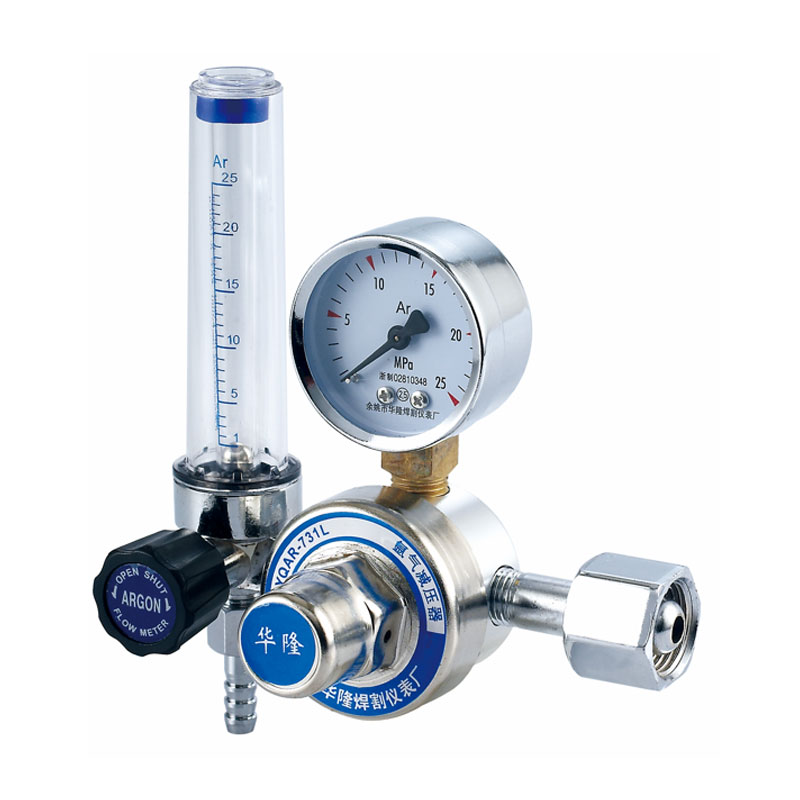
The ArR-01 High-Pressure Argon Cylinder Regulator is a pressure regulation device designed for appli...
See Details -
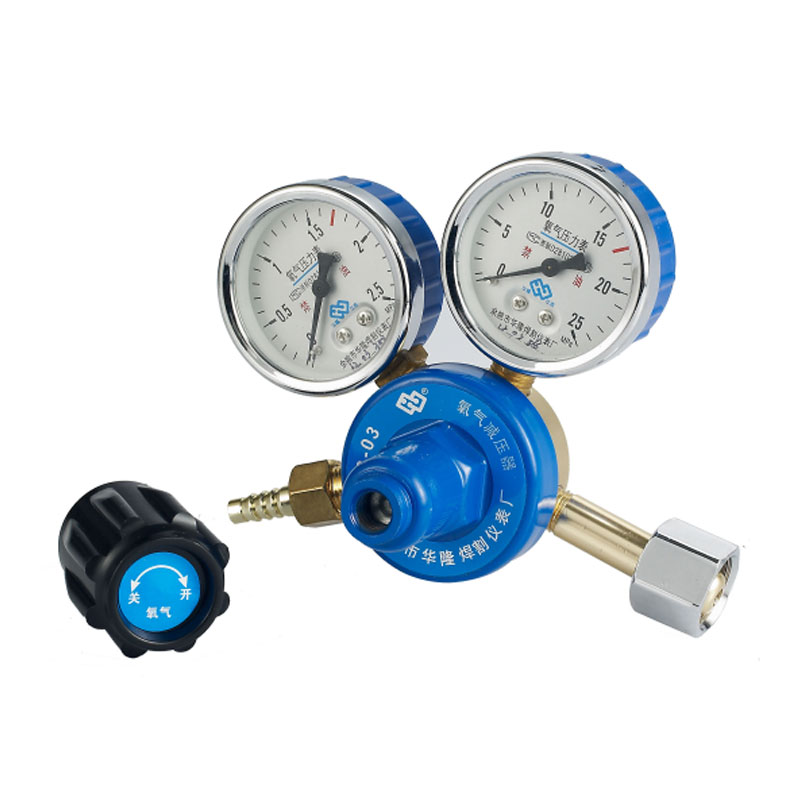
The OR-03 Precision Pressure Management Oxygen Regulator is a professional oxygen pressure reducing ...
See Details -
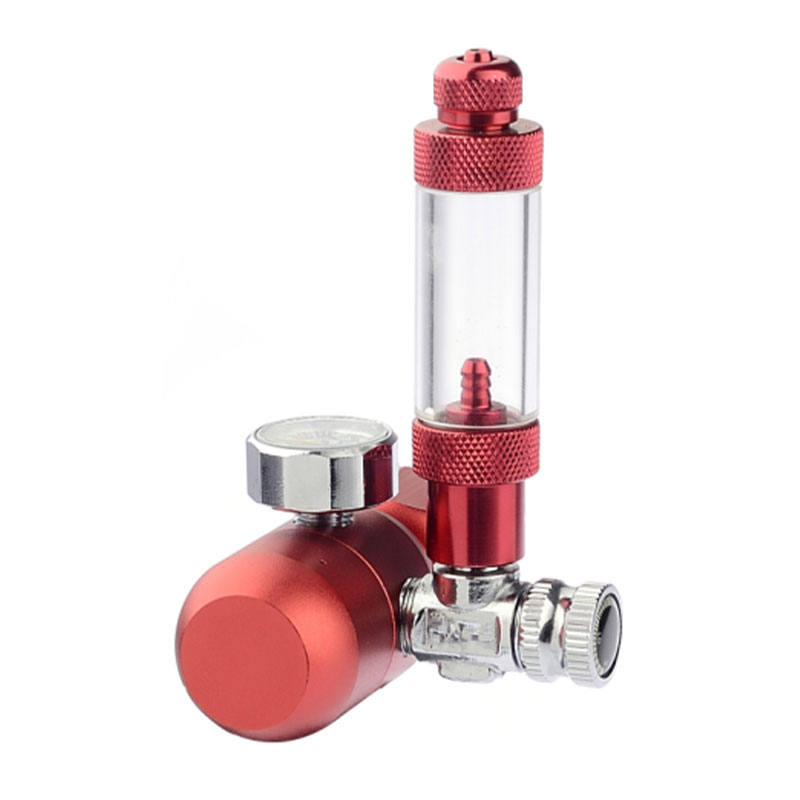
This aquarium plant CO2 pressure regulator is designed for aquatic plant landscaping and aquarium sy...
See Details -
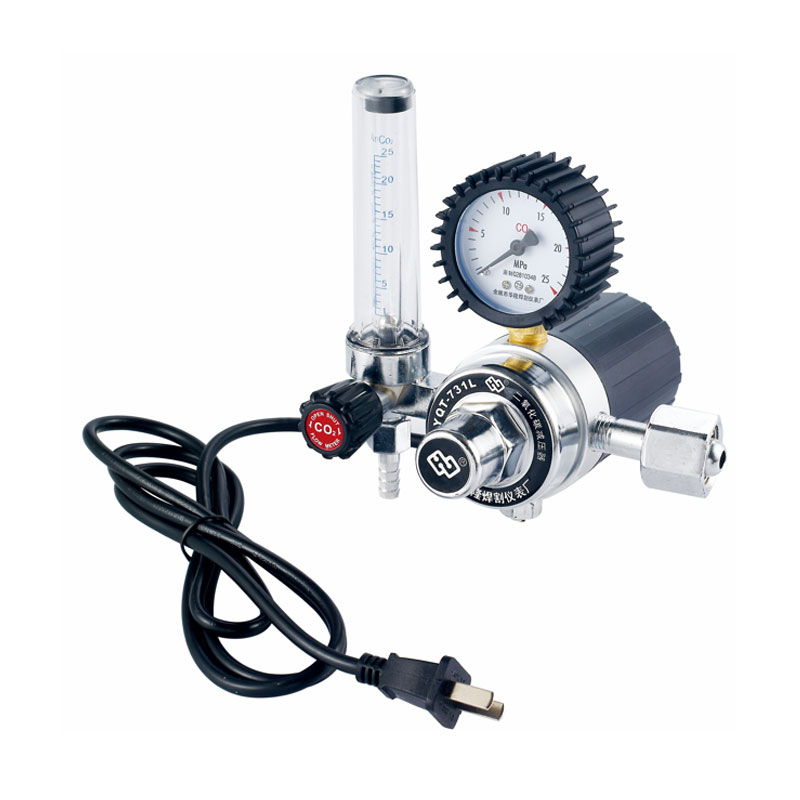
The JTR-01 High-Pressure Precision Carbon Dioxide Regulator is a device designed for applications th...
See Details -
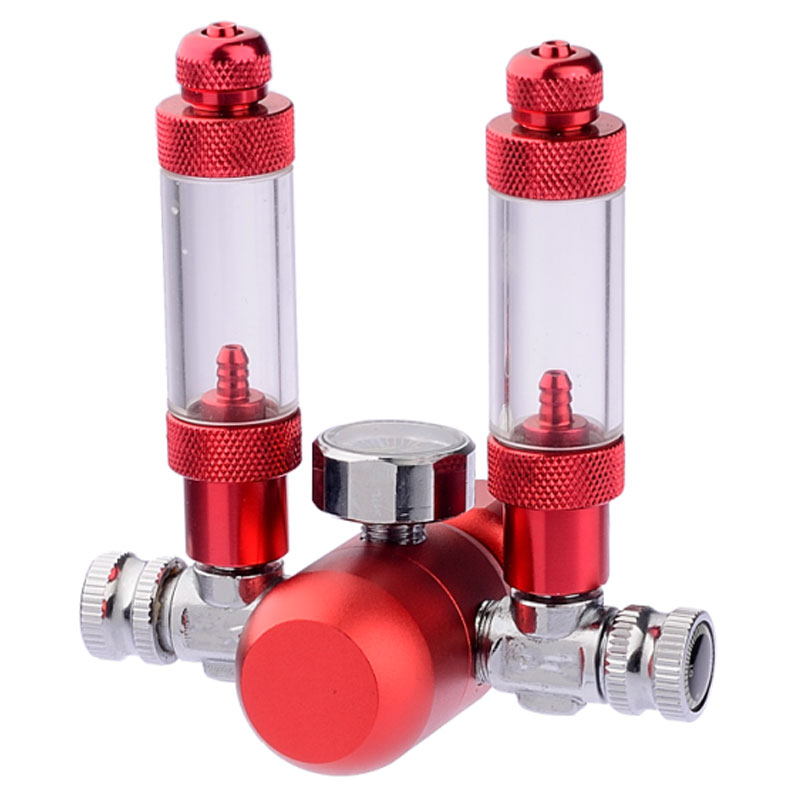
This environmentally friendly dual-gauge CO2 aquarium pressure regulator is designed for aquatic pla...
See Details

- PRODUCTS
- Pressure Regulator for Welding and Cutting
- Aquarium Pressure Regulator
- Beer and Beverage Pressure Regulator
- Pipeline Pressure Reducer
- CONTACT INFO
-
-
+86-180 6927 8236

-
[email protected]

-
No.1358,Tanjialing West Road, Lanjiang Street,Yuyao, 315400, Zhejiang

-
- MOBILE QR CODE

