

 English
  русский
  Español
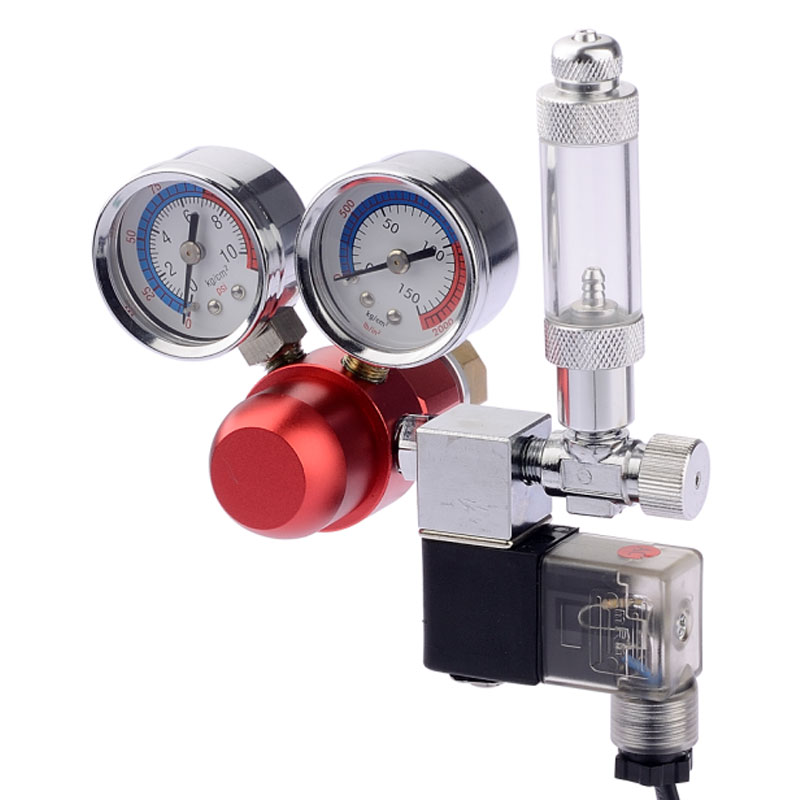
 This aquarium CO2 regulator with dual pressure gauges and single bubble counter is designed specific...
See DetailsBeer and Beverage Pressure Regulator Explained: Types, Uses & How to Set It Up
Industry News-A beer and beverage pressure regulator is a valve device that controls the CO₂ (or mixed gas) pressure delivered from a gas cylinder to your keg or beverage system. In short: without a properly set regulator, your draft beer will either pour flat or foam uncontrollably. The ideal serving pressure for most lagers and ales is 10–14 PSI, while some kegging systems require up to 30 PSI for carbonation. This guide covers every type of regulator, what each is used for, and a step-by-step setup process so you can pour a perfect pint every time.
What Does a Pressure Regulator Actually Do?
A CO₂ tank stores gas at extremely high pressure — typically 800–1,000 PSI when full. Sending that pressure directly into a keg would destroy the seal and ruin the beer. The regulator's job is to reduce that high inlet pressure down to a safe, adjustable outlet pressure that maintains proper carbonation and a steady pour.
Most regulators have two gauges:
- High-pressure gauge — shows how much gas remains in the cylinder (typically 0–3,000 PSI range).
- Low-pressure gauge — shows the working pressure being delivered to the keg (typically 0–60 PSI range).
A built-in adjustment knob or screw lets you dial in the exact output pressure your system requires. Most also include a safety relief valve that vents automatically if pressure exceeds a safe threshold — usually around 45 PSI.
Types of Beer and Beverage Pressure Regulators
Choosing the wrong type of regulator is one of the most common mistakes in draft system setup. Here is a breakdown of the main types and when to use each.
Single-Stage Regulators
The most common type for home brewers and small bars. A single-stage regulator reduces cylinder pressure to serving pressure in one step. They are compact, affordable (typically $30–$80), and reliable for single-keg setups. The main limitation: output pressure can drift slightly as the cylinder empties — usually by 1–3 PSI — which rarely affects most users.
Dual-Stage Regulators
Dual-stage regulators reduce pressure in two steps, delivering more consistent output pressure even as the gas cylinder depletes. They are preferred for commercial bars, restaurants, or any application requiring precise, stable pressure — such as nitro coffee or wine on tap. Price range: $100–$250.
Secondary Regulators (Manifold Regulators)
When you need to serve multiple kegs at different pressures from a single gas source, secondary regulators (also called line regulators or manifold regulators) are installed downstream of the primary regulator. Each secondary unit controls pressure for one keg independently. For example, a Belgian ale might need 12 PSI while a Guinness stout on nitro requires a blend at 25–30 PSI — a manifold setup handles this without separate cylinders.
Mixed Gas Regulators
Used with a blend of CO₂ and nitrogen (commonly 75% N₂ / 25% CO₂, known as "beer gas" or "Guinness gas"). These are designed to handle the higher pressures required — sometimes up to 60 PSI — while maintaining stable output. They are standard in commercial nitro draft setups.
| Type | Best For | Typical Price | Pressure Range |
|---|---|---|---|
| Single-Stage | Home kegerators, single keg | $30–$80 | 0–60 PSI output |
| Dual-Stage | Bars, precision applications | $100–$250 | 0–60 PSI output |
| Secondary / Manifold | Multi-keg systems | $20–$60 per zone | 0–30 PSI output |
| Mixed Gas | Nitro beer, stouts, cold brew | $80–$200 | 0–60 PSI output |
Common Uses of Beverage Pressure Regulators
Pressure regulators are not limited to draft beer. They are essential components in a wide range of beverage dispensing applications:
- Draft beer systems — Maintaining consistent carbonation and pour rate. Standard serving pressure: 10–14 PSI at 38°F (3°C).
- Home kegerators — Compact single-stage regulators for personal kegs of homebrew or commercial beer.
- Nitro cold brew coffee — Uses nitrogen at 30–40 PSI to create a creamy, cascading pour similar to a Guinness.
- Soda and sparkling water dispensers — CO₂ regulators maintain the required 60–80 PSI for post-mix soda systems.
- Wine on tap — Argon or CO₂ regulators at very low pressure (2–5 PSI) preserve opened wine without oxidation.
- Kombucha on tap — Requires careful low-pressure regulation (3–8 PSI) to avoid over-carbonation from live cultures.
Key Parts of a Pressure Regulator You Should Know
Before you set up or troubleshoot a regulator, it helps to know what each component does:
- Inlet fitting (CGA-320 for CO₂) — The threaded connection that attaches to the gas cylinder. CO₂ regulators use a CGA-320 fitting; nitrogen uses CGA-580. Using the wrong fitting is a safety hazard.
- High-pressure gauge — Reads tank pressure. A full 5 lb CO₂ tank reads approximately 850 PSI; pressure stays relatively stable until the tank is nearly empty, then drops rapidly.
- Low-pressure gauge — Shows the output pressure going to the keg. This is the number you adjust for your beer style.
- Adjustment screw / knob — Turn clockwise to increase pressure, counterclockwise to decrease. Always adjust gradually in 1–2 PSI increments.
- Shut-off valve — Isolates gas flow to the keg without disconnecting the regulator from the cylinder.
- Safety relief valve — Automatically releases gas if pressure exceeds the safe limit, typically set at 45 PSI.
- Outlet barb / fitting — Connects via gas tubing (usually 5/16" ID vinyl tubing) to the keg coupler.
How to Set Up a Beer Pressure Regulator: Step by Step
Before you start: make sure the CO₂ cylinder is upright and secured, and that the keg is at serving temperature (ideally 36–38°F / 2–3°C). Temperature and pressure work together — a keg that's too warm will foam regardless of how accurately you set the regulator.
- Attach the regulator to the CO₂ cylinder. Thread the CGA-320 inlet nut onto the cylinder valve by hand, then tighten with a wrench — but do not overtighten. No Teflon tape is needed on this connection; it uses a nylon or fiber washer for the seal.
- Connect gas tubing to the outlet barb. Slide a clamp onto 5/16" ID vinyl tubing, push it firmly onto the outlet barb at least 1 inch, and secure the clamp.
- Connect the other end of the tubing to the keg coupler. Attach the coupler to the keg and lock it in place according to the keg type (D-system for most American kegs, S-system for many European lagers).
- Close the shut-off valve on the regulator before opening the cylinder.
- Open the CO₂ cylinder valve slowly — about a quarter turn — to pressurize the regulator. The high-pressure gauge should read 800–1,000 PSI for a full tank. A reading below 500 PSI means the tank is getting low.
- Set the output pressure. Loosen the adjustment screw lock nut (if present), then turn the adjustment screw clockwise until the low-pressure gauge reads your target PSI. For most ales and lagers at 38°F, start at 12 PSI.
- Open the shut-off valve to allow gas to flow to the keg. Check all connections for leaks using Star San solution or soapy water — bubbling indicates a leak. Tighten connections or replace washers as needed.
- Wait and test pour. Allow the keg to equalize for at least 30 minutes (or 24 hours if it was recently moved). Pour a test glass. If too foamy, reduce pressure by 1–2 PSI; if flat, increase by 1–2 PSI.
Recommended Serving Pressures by Beer Style
| Beer Style | Serving Temp | Recommended PSI | Gas Type |
|---|---|---|---|
| American Lager / Pale Ale | 36–38°F | 10–14 PSI | CO₂ |
| IPA / Craft Ales | 38–42°F | 12–16 PSI | CO₂ |
| Wheat Beer / Hefeweizen | 40–45°F | 10–14 PSI | CO₂ |
| Stout / Porter (Nitro) | 38–42°F | 25–30 PSI | 75/25 N₂/CO₂ |
| Belgian Strong Ale | 42–50°F | 8–12 PSI | CO₂ |
Troubleshooting Common Pressure Regulator Problems
Even a correctly installed regulator can develop issues. Here are the most frequent problems and how to fix them:
Beer Pours Too Foamy
Excess foam is the most reported draft beer problem. Common causes include pressure set too high, beer temperature above 40°F, beer line too short (less than 5 feet of 3/16" tubing), or a keg that was recently agitated. Start by verifying temperature first — temperature fixes foam in 80% of cases. If temperature is correct, reduce pressure by 2 PSI and wait 30 minutes before retesting.
Beer Is Flat or Under-Carbonated
If beer pours with little to no head and tastes flat, the serving pressure is likely too low, the CO₂ cylinder is empty (check the high-pressure gauge), or there is a gas leak somewhere in the line. Increase pressure by 2 PSI, check all connections with soapy water, and ensure the cylinder valve is fully open.
Regulator Leaks or Won't Hold Pressure
A regulator that leaks continuously — visible as a hissing sound or rapid drop on the low-pressure gauge when the shut-off valve is closed — usually has a worn internal diaphragm or a damaged seat. Most quality regulators have replaceable rebuild kits available for $10–$25. If the unit is over 5 years old or a very low-cost model, replacement is often the better option.
Pressure Gauge Reads Zero Despite Full Cylinder
This usually means the cylinder valve is closed, the regulator inlet washer is missing or damaged, or the gauge itself has failed. Always verify the cylinder valve is open (turned counterclockwise) and inspect the inlet washer — a missing washer is a very common beginner mistake.
How to Choose the Right Regulator for Your Setup
Use this checklist to match a regulator to your specific needs:
- Single keg at home? A single-stage CO₂ regulator in the $40–$70 range is more than sufficient. Brands like Taprite and Kegco offer reliable entry-level options.
- Multiple kegs at different pressures? Start with a dual-stage primary regulator and add a manifold with secondary regulators for each keg line.
- Serving nitro beer or cold brew? You need a mixed gas regulator rated for at least 60 PSI output and compatible with nitrogen (CGA-580 fitting).
- Commercial bar or restaurant? Invest in a dual-stage regulator with stainless internal components for longevity and consistent performance under high-volume use.
- Dispensing wine, kombucha, or cold brew? Look for a low-pressure regulator with fine-adjustment capability — some applications need settings as low as 2–5 PSI that a standard beer regulator cannot dial in precisely.
Maintenance Tips to Extend Regulator Life
A well-maintained regulator can last 10+ years. Follow these practices to get the most from your investment:
- Always close the cylinder valve when the system will be inactive for more than a few hours to reduce constant pressure on internal seals.
- Inspect the inlet washer every 6 months and replace if cracked or flattened — they cost under $1 and prevent major leaks.
- Never allow beer to back-flow into the gas line. A check valve installed between the regulator and the coupler prevents this and costs under $10.
- Clean the exterior of the regulator with a damp cloth. Do not submerge it or spray water into the gauge faces.
- If you store your system seasonally, depressurize the keg side and store the regulator with the adjustment screw slightly backed off to reduce spring tension.
Related products
-
-
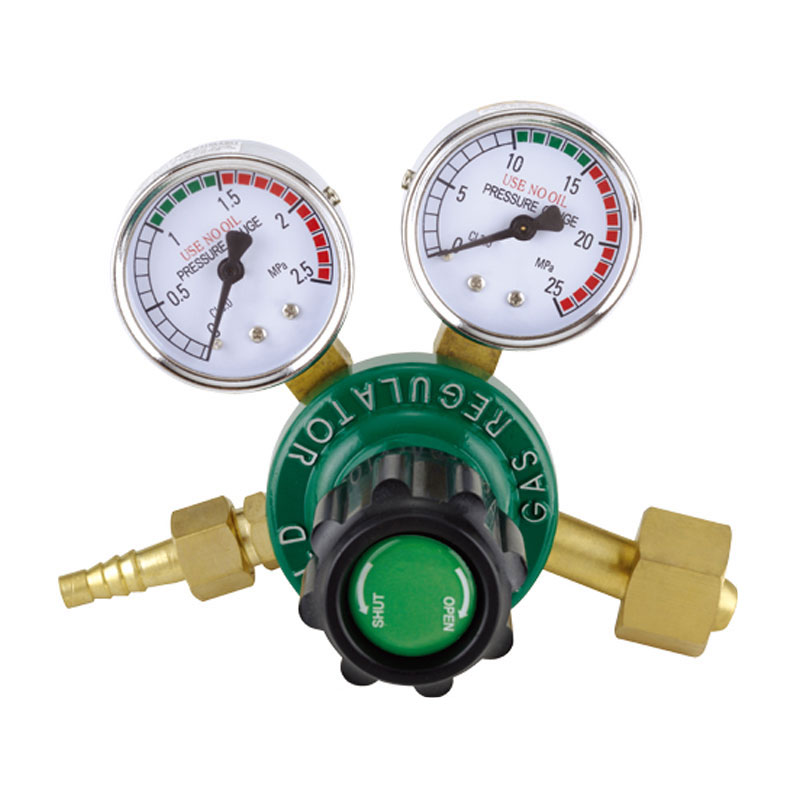
The OR-09 Customizable Pressure and Interface Oxygen Pressure Reducing Controller is designed for pr...
See Details -
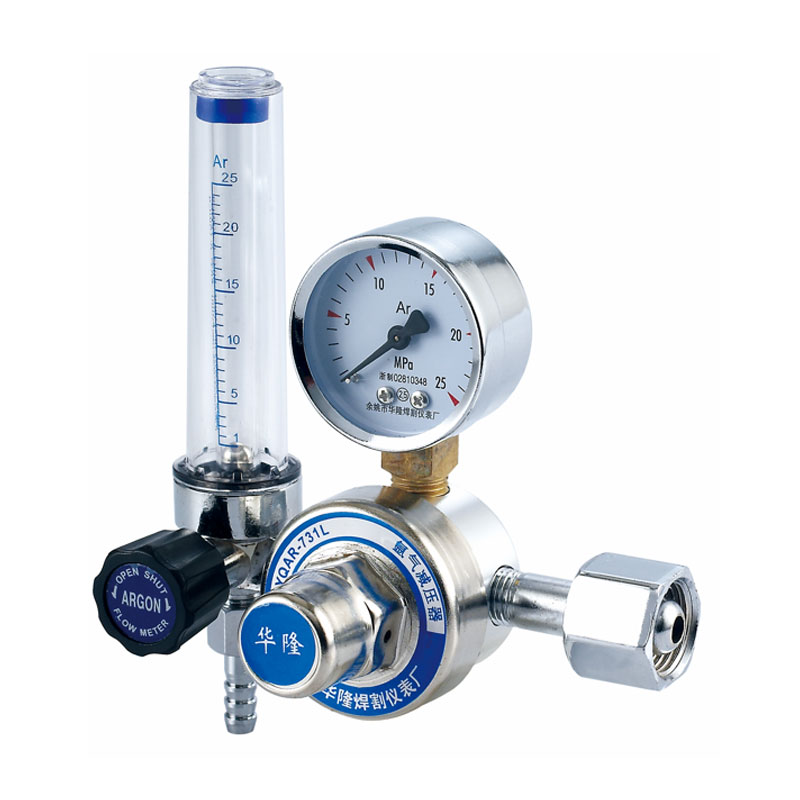
The ArR-01 High-Pressure Argon Cylinder Regulator is a pressure regulation device designed for appli...
See Details -
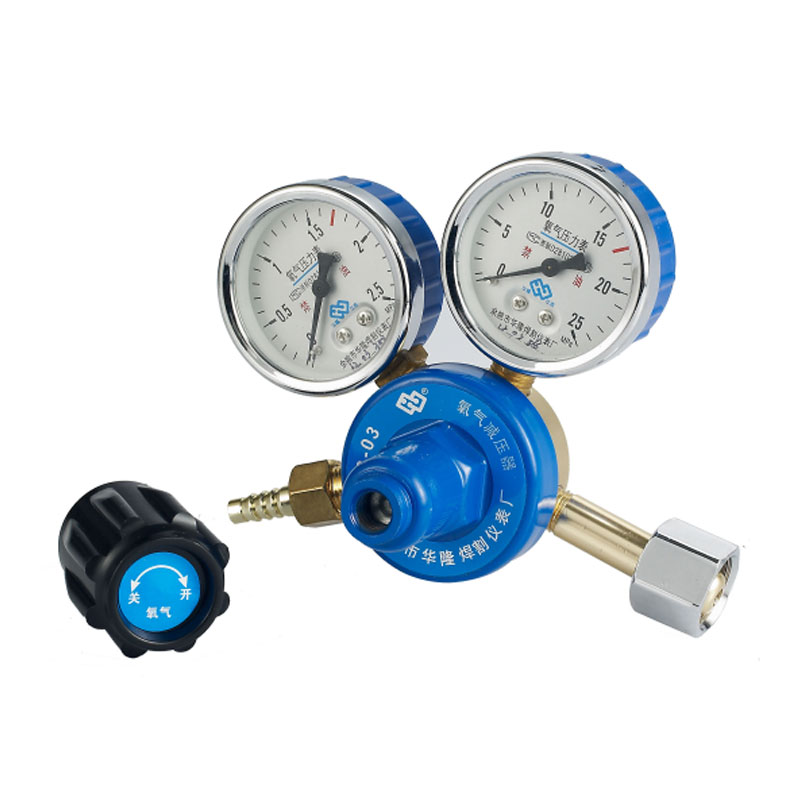
The OR-03 Precision Pressure Management Oxygen Regulator is a professional oxygen pressure reducing ...
See Details -
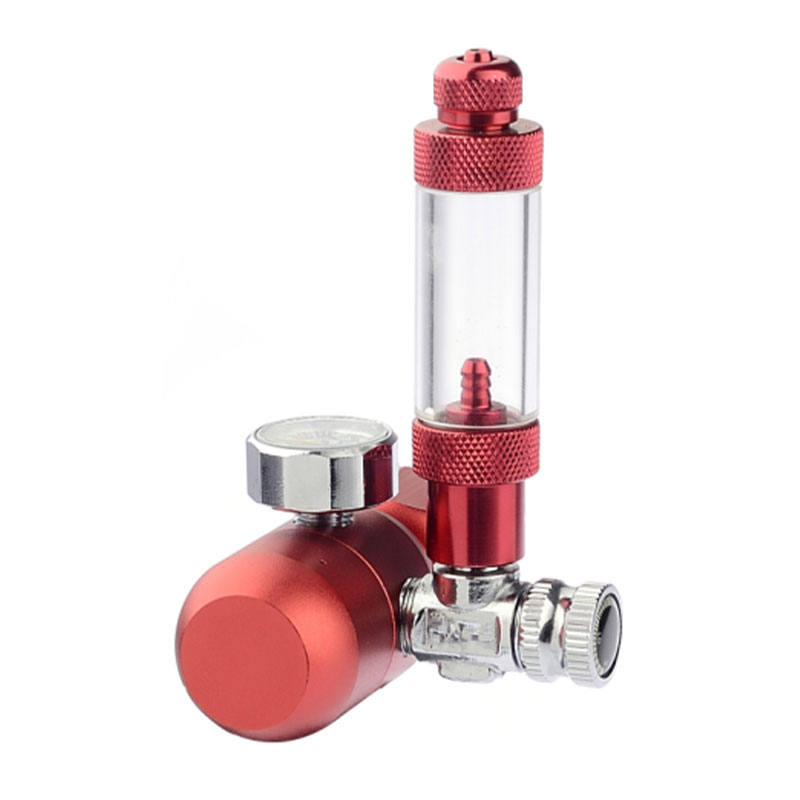
This aquarium plant CO2 pressure regulator is designed for aquatic plant landscaping and aquarium sy...
See Details -
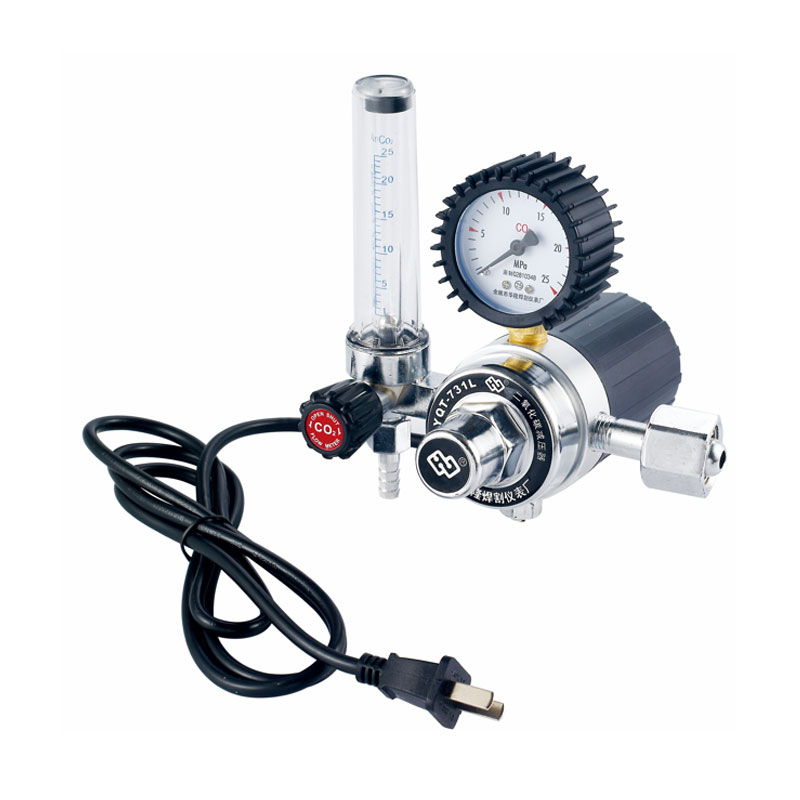
The JTR-01 High-Pressure Precision Carbon Dioxide Regulator is a device designed for applications th...
See Details -
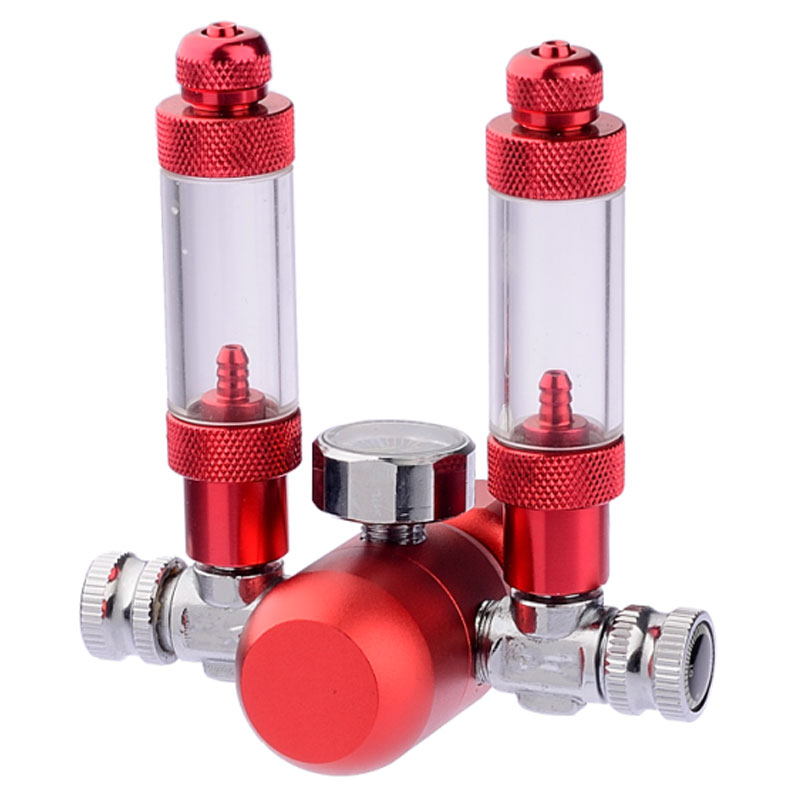
This environmentally friendly dual-gauge CO2 aquarium pressure regulator is designed for aquatic pla...
See Details -
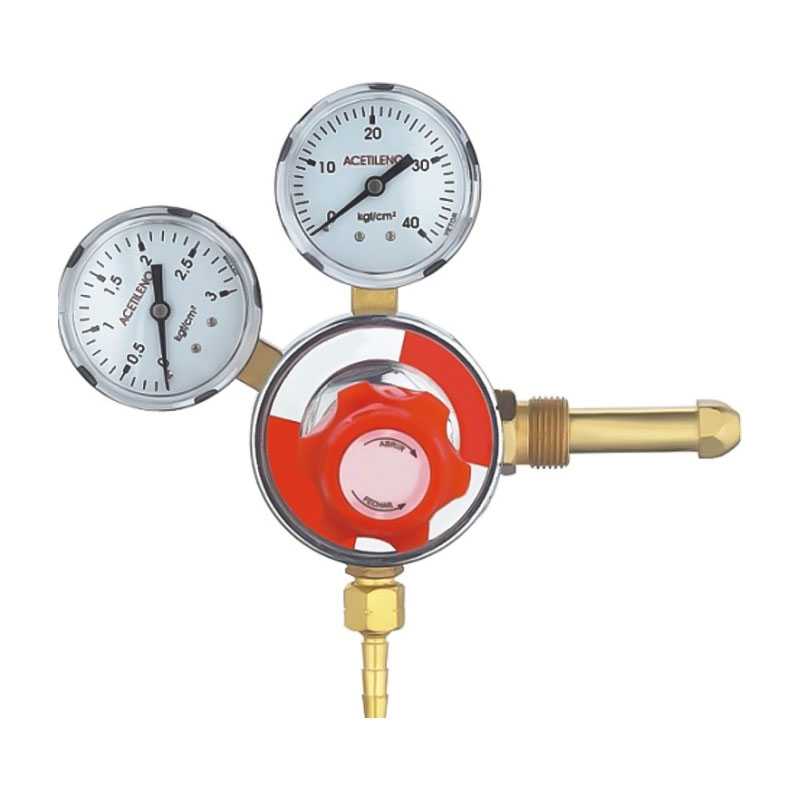
The AR-59 Precision Acetylene Pressure Regulator is a professional device designed for industrial we...
See Details

- PRODUCTS
- Pressure Regulator for Welding and Cutting
- Aquarium Pressure Regulator
- Beer and Beverage Pressure Regulator
- Pipeline Pressure Reducer
- CONTACT INFO
-
-
+86-180 6927 8236

-
[email protected]

-
No.1358,Tanjialing West Road, Lanjiang Street,Yuyao, 315400, Zhejiang

-
- MOBILE QR CODE

