

 English
  русский
  Español
 This aquarium plant CO2 pressure regulator is designed for aquatic plant landscaping and aquarium sy...
See DetailsHow to Set Up an Aquarium Pressure Regulator Step by Step
Industry News-Setting up an aquarium pressure regulator correctly takes 20–30 minutes and requires no special tools beyond an adjustable wrench and PTFE tape. Done right, it delivers a stable, dialed-in CO₂ supply that keeps your planted tank thriving for months without intervention. Done wrong, it risks a catastrophic end-of-tank surge — a sudden CO₂ dump that can kill every fish in the aquarium overnight. This guide walks you through every step in the correct sequence, with the exact settings and checks that prevent that outcome.
What You Need Before You Start
Gather every component before beginning. Stopping mid-setup to source a missing part with a pressurized cylinder connected is both inconvenient and unsafe.
- CO₂ cylinder — paintball (12 oz), standard aquarium cylinder (2–5 lb), or bulk cylinder (10–20 lb). Ensure it is filled and within its hydrostatic test date (stamped on the collar).
- Aquarium CO₂ pressure regulator — single-stage for budget setups; dual-stage strongly recommended for consistent results and fish safety.
- Solenoid valve (if not integrated into the regulator) — allows timer-controlled CO₂ shutoff during lights-off periods.
- Needle valve (if not integrated) — for fine bubble-per-second flow control.
- CO₂-rated tubing — standard airline tubing is permeable to CO₂; use specialized silicone or polyurethane CO₂ tubing.
- CO₂ diffuser or reactor — dissolves CO₂ into the water column.
- Drop checker with 4dKH reference solution and bromothymol blue indicator — monitors dissolved CO₂ in the tank.
- PTFE tape (oxygen-safe, white) — for sealing threaded connections.
- Adjustable wrench or spanner — for tightening the regulator to the cylinder.
- Soapy water in a spray bottle — for leak testing all connections.
Understanding Your Regulator's Components Before Setup
Before touching the cylinder, identify each part of your regulator. Most aquarium CO₂ regulators share the same layout regardless of brand:
| Component | What It Does | What to Look For |
|---|---|---|
| High-pressure gauge | Shows remaining cylinder pressure | Full CO₂ cylinder reads ~850 PSI at 70°F (21°C) |
| Low-pressure (working) gauge | Shows delivery pressure to the needle valve | Typical aquarium setting: 20–40 PSI |
| Adjusting knob / screw | Sets the working pressure output | Clockwise = higher pressure; counterclockwise = lower |
| Solenoid valve | Electrically opens/closes CO₂ flow on timer | Should click audibly when powered on/off |
| Needle valve | Fine-tunes bubble-per-second flow rate | Quarter-turn increments; very sensitive |
| Bubble counter | Visually counts CO₂ bubbles per second | Fill with water before use; should be airtight |
| Check valve | Prevents tank water from siphoning back into regulator | Install between bubble counter and diffuser tubing |
Step 1: Prepare the CO₂ Cylinder Connection
Before attaching the regulator, inspect the cylinder outlet and the regulator inlet for damage, debris, or corrosion. A contaminated seat is the most common source of leaks after installation.
- Check the cylinder valve outlet — wipe the outlet port with a clean, dry cloth. Look for cracks, dents, or thread damage. Do not use a cylinder with a damaged outlet valve.
- Inspect the regulator inlet washer or O-ring — most aquarium CO₂ regulators use a nylon or rubber sealing washer at the inlet rather than threaded sealing tape. Confirm the washer is present, undamaged, and seated correctly in the inlet recess. A missing or cracked washer is the single most common cause of a high-pressure leak at the cylinder connection.
- Do not use PTFE tape on the CGA 320 inlet connection — this is a compression-type seal relying on the washer, not thread engagement. PTFE tape here will prevent proper seating and cause leaks.
- Crack the cylinder valve very briefly (a quarter-turn open, then immediately closed) to blow out any dust from the outlet port before the regulator is attached.
Step 2: Attach the Regulator to the Cylinder
CO₂ cylinders for aquarium use in the United States use a CGA 320 connection with right-hand (clockwise-tightening) threads. Paintball cylinders use a different thread standard — confirm your regulator matches your cylinder before purchasing.
- Back out the regulator adjusting knob fully counterclockwise until it turns freely with no resistance. This ensures zero delivery pressure when the cylinder is first opened.
- Hand-tighten the regulator onto the cylinder valve clockwise until snug. Do not cross-thread — if resistance is felt immediately, back off and realign.
- Tighten with an adjustable wrench — one quarter to one half turn beyond hand-tight. Do not overtighten; the nylon washer compresses to seal and can be crushed with excessive force, causing rather than preventing leaks.
- Ensure the regulator body is oriented so both gauges face you and the outlet points toward your planned tubing run. Repositioning after pressurization is difficult and risky.
Step 3: Connect the Downstream Components
Before pressurizing the system, connect all downstream components in the correct order. The standard sequence from regulator outlet to tank is:
Regulator outlet → Solenoid valve → Needle valve → Bubble counter → Check valve → CO₂ tubing → Diffuser (inside tank)
- Solenoid valve: If your regulator does not have an integrated solenoid, connect it between the regulator outlet and needle valve using the manufacturer's fittings. Apply 1–2 wraps of PTFE tape to male NPT threads only — do not tape push-fit or compression fittings.
- Needle valve: Connect after the solenoid. Leave it fully closed (clockwise until gently seated — do not force) for now. You will open it gradually during calibration.
- Bubble counter: Fill it with water through the fill port until the chamber is approximately three-quarters full. A dry bubble counter still functions but water provides more accurate visual counting.
- Check valve: Install with the arrow on the body pointing toward the tank (downstream). A reversed check valve blocks CO₂ flow entirely.
- CO₂ tubing: Run from the check valve outlet to the diffuser inside the tank. Keep tubing runs as short as practical and avoid kinks. Do not use standard airline tubing — it is permeable to CO₂ and will lose significant gas before it reaches the diffuser, making accurate dosing impossible.
Step 4: Pressurize the System Slowly
This step is where most beginner mistakes happen. Pressurizing too fast can damage gauges and masks leaks that a slow pressurization would reveal.
- Stand to the side of the regulator — never directly in front of the gauges — when opening the cylinder valve. A gauge failure under pressure can send glass and debris forward.
- Open the cylinder valve very slowly — no more than a quarter-turn per second — until it is fully open. A liquid CO₂ cylinder (standard aquarium size) should be opened fully; this seats the back-check valve inside the cylinder and prevents gas leaking around the stem.
- Watch the high-pressure gauge rise. A full liquid CO₂ cylinder reads approximately 800–900 PSI at room temperature (70°F / 21°C). Unlike compressed gas cylinders, this reading stays nearly constant until the liquid phase is exhausted — the gauge does not steadily decline as the cylinder empties. A sudden drop to below 200 PSI is your warning that the cylinder is almost empty.
- The working pressure gauge should read zero at this point because the adjusting knob is backed out. If it reads any pressure, the regulator has an internal leak — do not proceed.
Step 5: Leak Test Every Connection
Never skip this step. A slow CO₂ leak wastes expensive gas and, if significant enough, can raise ambient CO₂ levels in an enclosed fish room to dangerous concentrations. CO₂ is odorless and heavier than air — it accumulates at floor level without any sensory warning.
- Spray soapy water on every threaded connection, fitting joint, and gauge base with the system pressurized. Watch for bubbles forming and growing — even a very slow leak will produce visible bubbles within 15–30 seconds.
- Pay special attention to the cylinder-to-regulator connection — this is the highest-pressure point in the system and the most common leak location.
- If a leak is found at a threaded fitting: depressurize the system completely, add or replace PTFE tape, and retest. Never attempt to tighten a leaking fitting on a pressurized system.
- If the cylinder-to-regulator connection leaks: close the cylinder valve, bleed the residual pressure by briefly opening the needle valve, remove the regulator, inspect and replace the inlet washer, and reassemble.
- Wipe off all soapy water after testing — soap residue left on metal fittings accelerates corrosion.
Step 6: Set the Working Pressure
With the system leak-free, set the delivery pressure using the regulator's adjusting knob. For most aquarium CO₂ applications, a working pressure of 20–40 PSI is the correct starting range. Lower pressure gives the needle valve more fine-tuning range; higher pressure is needed only for long tubing runs or high-resistance diffusers.
- Open the needle valve one full turn counterclockwise from fully closed to allow flow.
- Turn the regulator adjusting knob clockwise slowly while watching the working pressure gauge. Stop at 30 PSI as your initial set point.
- Observe the bubble counter — bubbles should begin appearing within a few seconds. If no bubbles appear, open the needle valve slightly further.
- Plug in the solenoid if you have one. Confirm it opens (bubbles flow when powered) and closes (bubbles stop when unplugged) correctly.
| Tank Size | Recommended Working Pressure | Starting Bubble Rate | Target CO₂ Level |
|---|---|---|---|
| Up to 20 gallons | 20–25 PSI | 1 bubble per second | 20–30 mg/L |
| 20–55 gallons | 25–35 PSI | 2–3 bubbles per second | 20–30 mg/L |
| 55–120 gallons | 30–40 PSI | 3–5 bubbles per second | 20–30 mg/L |
| 120+ gallons | 35–45 PSI | 5–8 bubbles per second | 20–30 mg/L |
Step 7: Calibrate the Needle Valve for Precise CO₂ Dosing
The needle valve — not the working pressure — is what determines your actual CO₂ dose. The working pressure just provides a stable supply for the needle valve to work against. Needle valve adjustment is the most time-consuming part of the setup and must be done gradually over 24–48 hours.
- Install the drop checker in the aquarium, filled with 4dKH reference solution and a few drops of bromothymol blue indicator. The indicator color tells you dissolved CO₂ concentration: blue = too low, green = ideal (20–30 mg/L), yellow = too high (dangerous for fish).
- Set an initial bubble rate using the table above for your tank size. Make needle valve adjustments in very small increments — an eighth of a turn changes the bubble rate significantly on quality needle valves.
- Wait a full 24 hours before reading the drop checker and making further adjustments. CO₂ equilibration in the water column is slow — adjusting every few hours leads to overcompensation and wild swings.
- If the drop checker is blue after 24 hours, open the needle valve slightly — one-eighth turn counterclockwise. Wait another 24 hours and recheck.
- If the drop checker turns yellow, reduce flow immediately and monitor fish behavior. Signs of CO₂ overdose include fish gasping at the surface and reduced activity. Increase surface agitation immediately if fish appear stressed.
- When the drop checker reads green consistently across a full light period, your CO₂ dose is correctly calibrated. Record your needle valve position and bubble rate for future reference.
Step 8: Configure the Solenoid Timer
Running CO₂ around the clock is wasteful and potentially harmful — plants only consume CO₂ during photosynthesis (when lights are on), and overnight CO₂ accumulation without plant uptake can lower pH to dangerous levels. A solenoid valve on a timer is the most important safety feature in any planted tank CO₂ system.
- Start CO₂ injection 1–2 hours before lights on — CO₂ takes time to dissolve and reach target concentration. Starting early ensures plants have CO₂ available from the first moment of photosynthesis.
- Stop CO₂ injection 1–2 hours before lights off — residual dissolved CO₂ in the water column continues supporting plant growth during the final hour of the photoperiod without waste.
- Example schedule for a 10-hour light period: Lights on 10:00 AM / Lights off 8:00 PM → CO₂ on 8:00 AM / CO₂ off 7:00 PM.
- Plug the solenoid into a mechanical or digital timer, not a smart plug with variable delay — CO₂ timing needs to be consistent to within ±5 minutes each day for stable dissolved CO₂ levels.
The End-of-Tank Surge: What It Is and How to Prevent It
The end-of-tank (EOT) surge is the most dangerous phenomenon in aquarium CO₂ systems and the primary reason dual-stage regulators are strongly recommended over single-stage. It occurs when a liquid CO₂ cylinder transitions from liquid phase to gas phase as it nears empty.
While liquid CO₂ remains in the cylinder, the high-pressure gauge holds at ~800 PSI regardless of how much is left. When the last liquid converts to gas, the cylinder pressure suddenly drops rapidly. On a single-stage regulator, this pressure drop causes the delivery pressure to spike — sometimes to 3–5× the set working pressure — flooding the tank with a lethal dose of CO₂ and killing fish within hours.
| Regulator Type | EOT Surge Risk | Prevention Strategy |
|---|---|---|
| Single-stage | High — delivery pressure spikes at end of cylinder | Monitor high-pressure gauge daily; replace cylinder before it drops below 200 PSI |
| Dual-stage | Very low — second stage isolates delivery from cylinder pressure changes | Still monitor; replace cylinder when high-pressure gauge drops below 200 PSI |
If you use a single-stage regulator, check the high-pressure gauge every day and replace the cylinder as soon as it drops below 200 PSI — do not try to squeeze the last gas out of the cylinder. The cost of a CO₂ refill is far less than the cost of replacing a tank of fish.
Ongoing Maintenance and Troubleshooting
Once your system is dialed in, it requires minimal intervention — but a few routine checks prevent the most common problems:
- Check the high-pressure gauge weekly to track cylinder consumption and anticipate when a refill is needed. Keep a spare filled cylinder on hand so you can swap immediately.
- Top up the bubble counter as needed — water evaporates over weeks and a low level makes bubble counting inaccurate.
- Inspect all tubing connections monthly for signs of cracking, hardening, or algae growth that could restrict flow.
- Clean the diffuser weekly — calcium deposits and algae reduce diffusion efficiency, requiring higher working pressure to maintain the same bubble rate. Soak in diluted bleach or citric acid solution, rinse thoroughly, and dry before reinstalling.
- If bubbles suddenly stop with no change to settings, check in this order: solenoid powered on, needle valve not accidentally closed, cylinder not empty, tubing not kinked, diffuser not blocked.
- If fish show stress symptoms (surface gasping, clamped fins, reduced activity) during the CO₂ period, increase surface agitation immediately, check the drop checker, and reduce needle valve flow. CO₂ overdose can kill fish in under two hours at severe concentrations.
Final Checklist Before Leaving Your System Unattended
Before walking away from a newly set-up CO₂ system for the first time, confirm every item on this list:
- All connections leak-tested with soapy water — zero bubbles detected.
- High-pressure gauge confirms cylinder is adequately filled (above 500 PSI for peace of mind).
- Working pressure set to 20–40 PSI appropriate for tank size.
- Bubble rate set to starting recommendation for tank volume.
- Drop checker installed with correct reference solution and indicator.
- Solenoid confirmed operational — clicks on power, stops bubbles when unplugged.
- Timer programmed to stop CO₂ before lights off and resume before lights on.
- Check valve installed in correct flow direction between bubble counter and diffuser.
- Surface agitation confirmed adequate to support fish respiration during CO₂ injection period.
- Plan in place to monitor high-pressure gauge daily if using a single-stage regulator.
A correctly set up aquarium CO₂ pressure regulator, once calibrated, should run stably for weeks or months without adjustment. The initial time investment in following each step carefully pays back in consistent plant growth, stable water chemistry, and — most importantly — fish that remain safe and healthy throughout the cylinder's life.
Related products
-
-
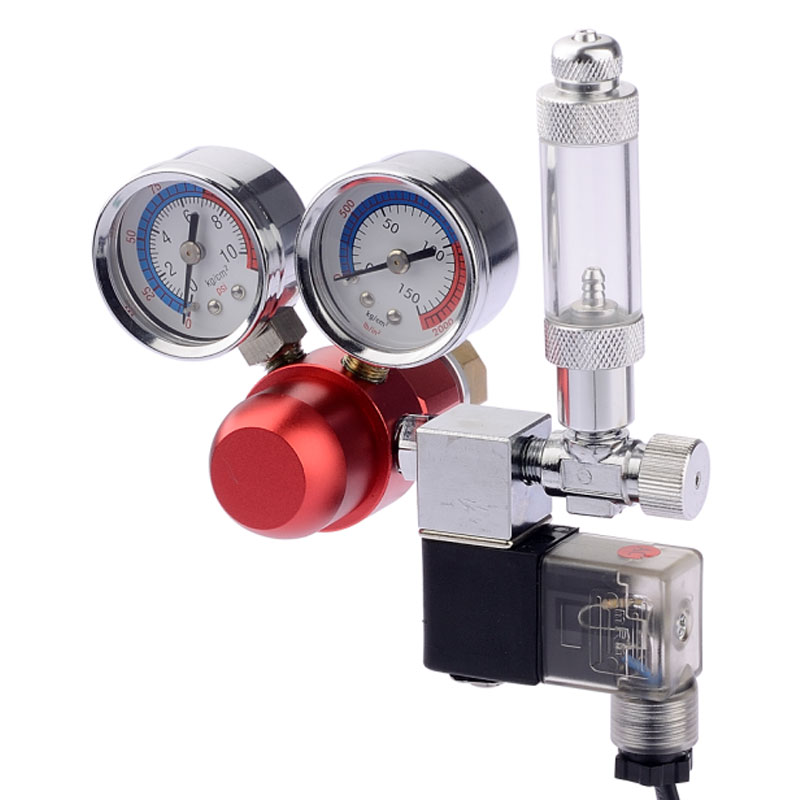
This aquarium CO2 regulator with dual pressure gauges and single bubble counter is designed specific...
See Details -
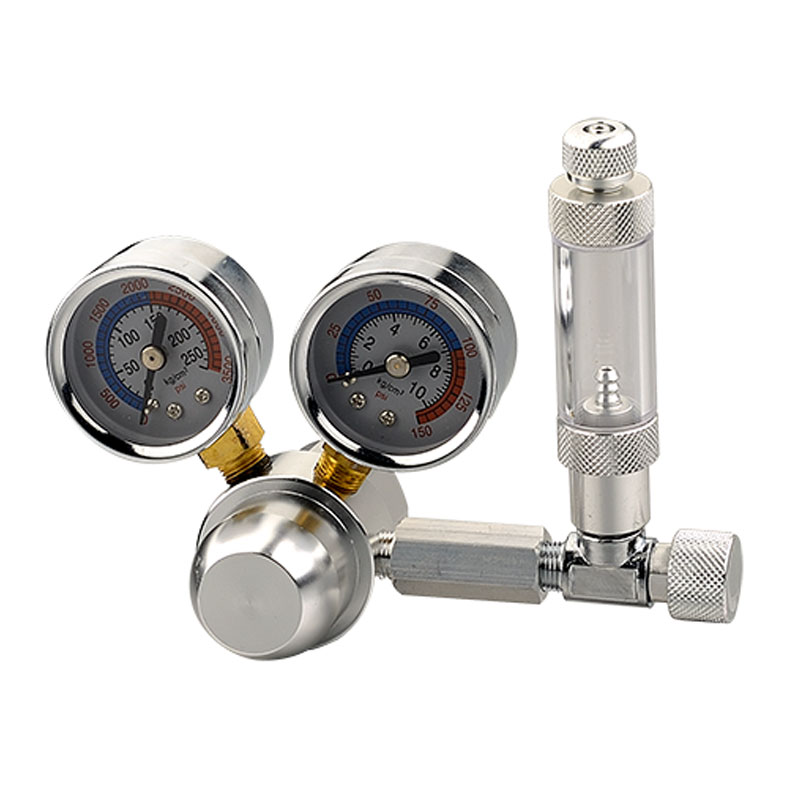
This compact CO2 regulator for aquarium plants is designed specifically for aquatic plant hobbyists ...
See Details -
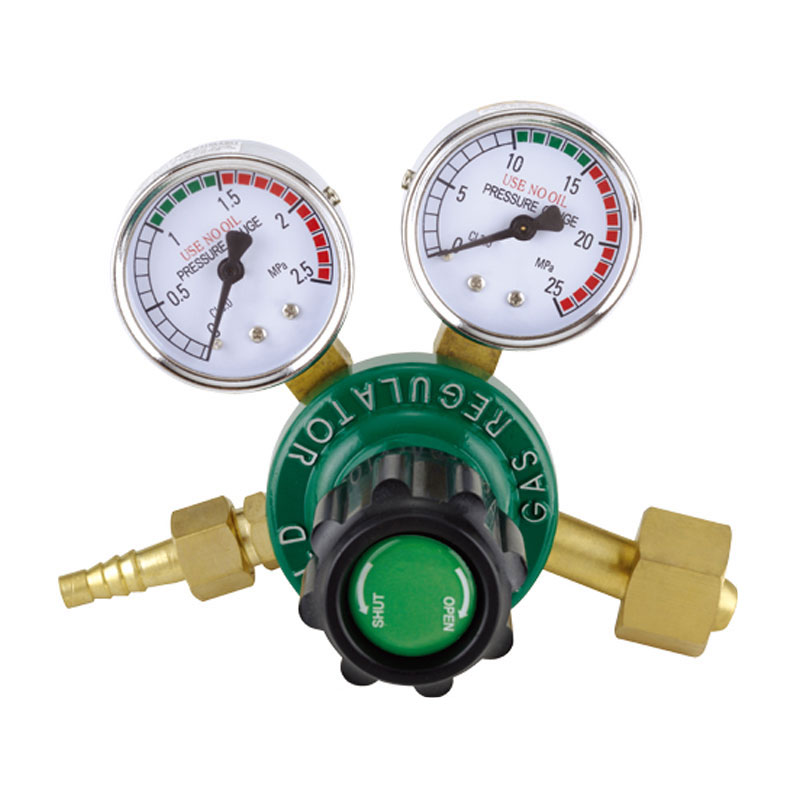
The OR-09 Customizable Pressure and Interface Oxygen Pressure Reducing Controller is designed for pr...
See Details -
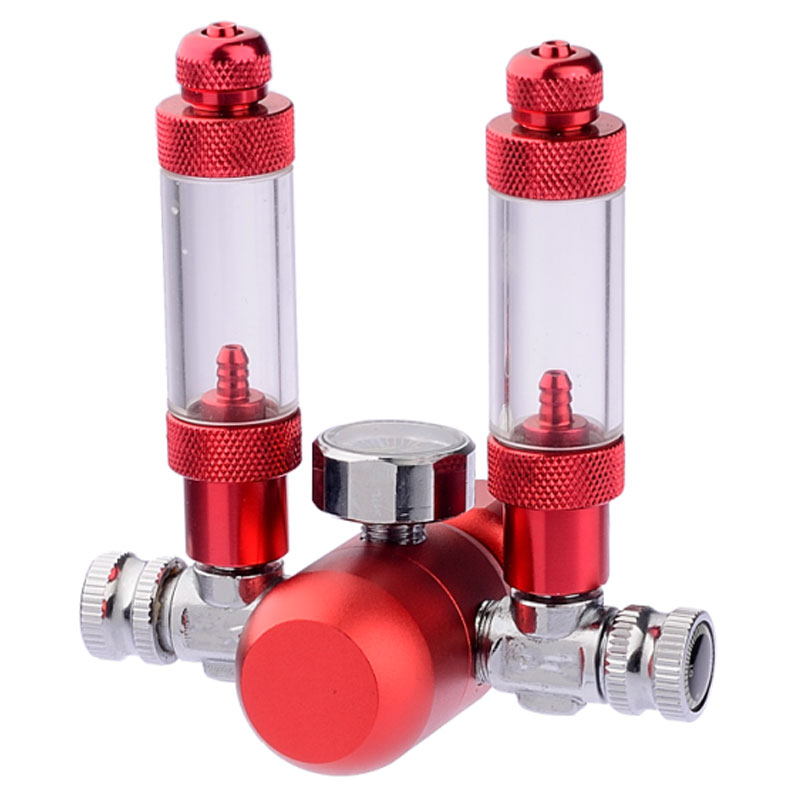
This environmentally friendly dual-gauge CO2 aquarium pressure regulator is designed for aquatic pla...
See Details -
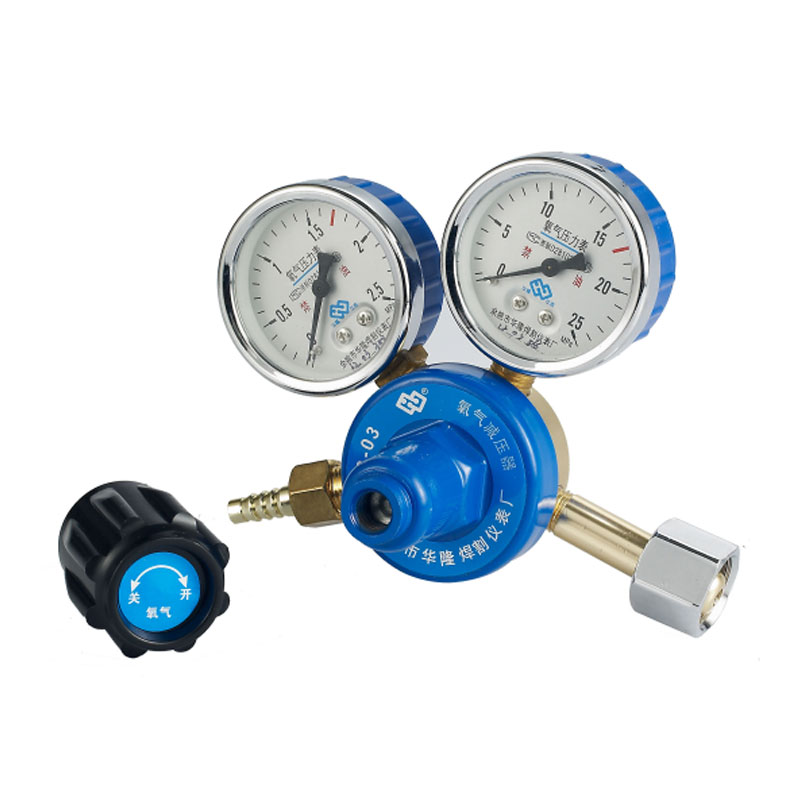
The OR-03 Precision Pressure Management Oxygen Regulator is a professional oxygen pressure reducing ...
See Details -
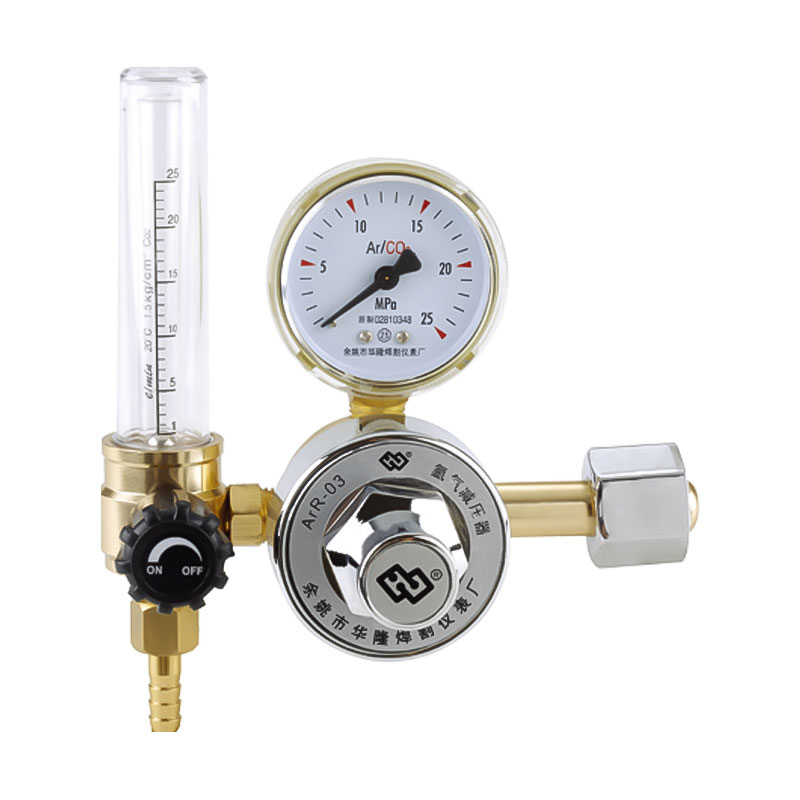
The ArR-02 Industrial Constant-Pressure Argon Regulator is a pressure management device designed for...
See Details -
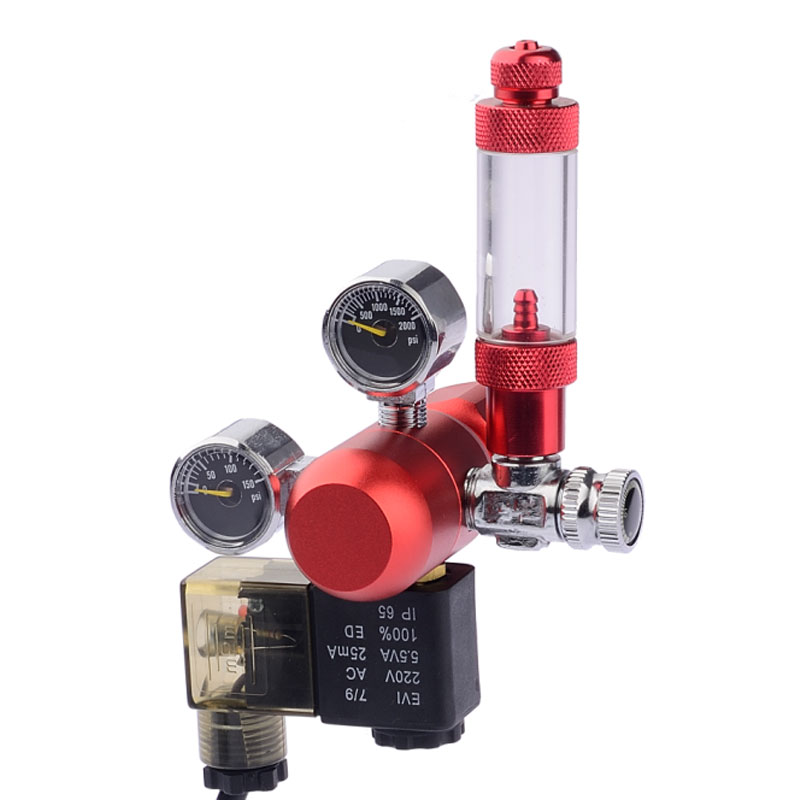
This aquarium CO2 regulator with solenoid valve and dual bubble counter is designed to provide a mor...
See Details

- PRODUCTS
- Pressure Regulator for Welding and Cutting
- Aquarium Pressure Regulator
- Beer and Beverage Pressure Regulator
- Pipeline Pressure Reducer
- CONTACT INFO
-
-
+86-180 6927 8236

-
[email protected]

-
No.1358,Tanjialing West Road, Lanjiang Street,Yuyao, 315400, Zhejiang

-
- MOBILE QR CODE

