

 English
  русский
  Español
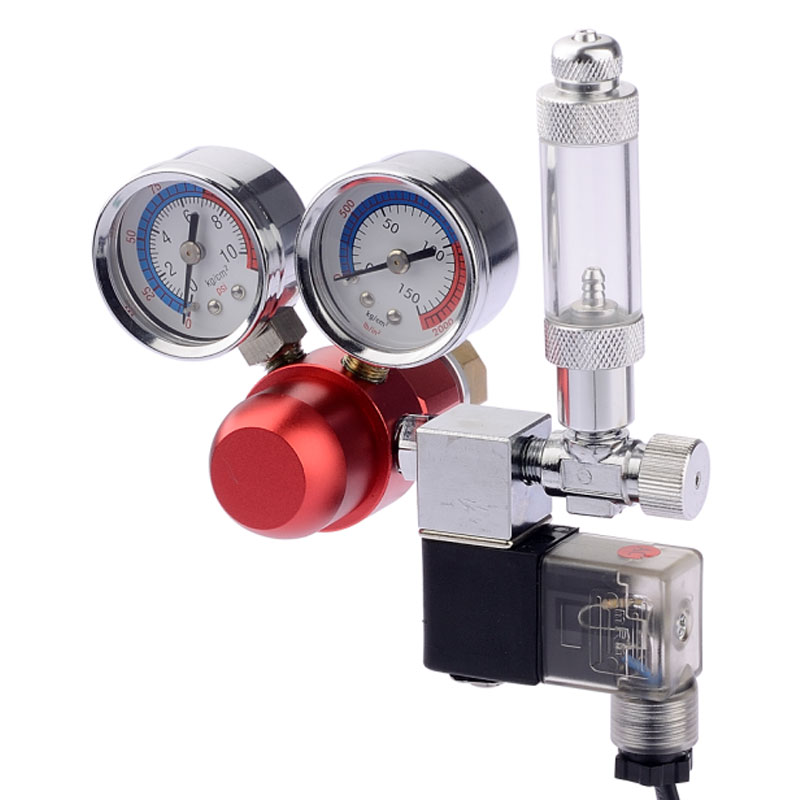
 This aquarium CO2 regulator with dual pressure gauges and single bubble counter is designed specific...
See DetailsThe Ultimate Guide to Cutting Pressure Regulators: Function, Types, and Buying Advice
Industry News-A cutting pressure regulator reduces high-pressure gas from a cylinder down to the controlled output needed for oxy-fuel or plasma cutting operations. The right regulator depends on three factors: the gas service (oxygen and fuel gases like acetylene, propane, or natural gas each require a dedicated regulator with the correct CGA fitting), the pressure range your cutting process demands (oxy-fuel cutting typically needs 20-60 PSI of oxygen for thin plate and up to 90 PSI for thick plate, while plasma cutting often requires 60-120 PSI of clean, dry air), and the flow capacity needed to sustain a stable cut without pressure drop. Choosing an undersized or gas-incompatible regulator leads to inconsistent cut quality, dross buildup, and safety risks.
What Is a Cutting Pressure Regulator and How Does It Work
A cutting pressure regulator connects to a gas cylinder and steps down the stored cylinder pressure to a stable working pressure delivered to the cutting torch or plasma system. Oxy-fuel cutting relies on a steady stream of high-purity oxygen combined with a preheat fuel gas to melt and blow away metal along the cut line. Plasma cutting instead uses a regulated gas (often compressed air, nitrogen, or oxygen) to form the ionized plasma arc that severs the material.
Internally, the regulator uses a diaphragm-and-spring mechanism identical in principle to other gas regulators: as the operator turns the adjustment screw, spring tension against the diaphragm opens or closes an internal valve, controlling how much gas passes through to the low-pressure side. A properly functioning cutting regulator should hold delivery pressure within about 1-3 PSI of the set point, even as the torch demand fluctuates during piercing and cutting.
Types of Cutting Pressure Regulators
Cutting regulators are categorized by the cutting process they support and by their internal pressure-reduction design.
Oxy-Fuel Cutting Regulators
These come in matched pairs: an oxygen regulator and a fuel gas regulator (acetylene, propane, or natural gas). They are never interchangeable, since fuel gas fittings use left-hand threads and lower pressure ratings, while oxygen regulators use right-hand threads and are rated for much higher inlet pressures.
Plasma Cutting Gas Regulators
Plasma systems often use a regulator built into or paired with a filter and moisture separator, since even small amounts of water or oil in the air supply can cause poor cut quality and shorten consumable life. Many shop compressors feed plasma cutters through a dedicated line regulator rated for continuous high-flow output rather than a cylinder-style unit.
Single-Stage vs. Two-Stage Design
Single-stage cutting regulators are common for portable and light-duty use. Two-stage regulators maintain a steadier output as cylinder pressure declines, which matters most for long, continuous cuts on thick plate. Two-stage units typically limit pressure droop to under 2 PSI compared to 5-8 PSI on single-stage models once the cylinder drops below 500 PSI.
| Cutting Process | Gas Used | Typical Working Pressure | Common Fitting |
|---|---|---|---|
| Oxy-Acetylene Cutting | Oxygen | 20-60 PSI | CGA 540 |
| Oxy-Acetylene Cutting | Acetylene | 3-15 PSI | CGA 510 (left-hand thread) |
| Oxy-Propane Cutting | Propane | 5-20 PSI | CGA 510 (left-hand thread) |
| Plasma Cutting | Compressed Air / Nitrogen | 60-120 PSI | NPT line fitting |
Key Components and Their Functions
- High-pressure gauge: Indicates remaining cylinder pressure so operators can plan gas replacement before a cut is interrupted.
- Low-pressure (delivery) gauge: Shows the working pressure being sent to the cutting torch or plasma system.
- Adjustment screw: Lets the operator dial in the specific pressure required for the plate thickness being cut.
- Diaphragm and spring assembly: Maintains a consistent output pressure by responding to downstream demand changes.
- Safety relief valve: Vents gas automatically if pressure exceeds the regulator's rated limit, preventing rupture.
- Filter/moisture separator (plasma systems): Removes water and oil from compressed air before it reaches the torch, protecting cut quality and consumables.
How to Choose the Right Cutting Pressure Regulator
1. Match the Regulator to Your Cutting Process
Oxy-fuel cutting requires two separate regulators (oxygen and fuel gas), while plasma cutting requires a regulator or filter-regulator combo rated for the flow and pressure of your plasma system. Never substitute a welding-only regulator for cutting use if it isn't rated for the higher flow rates cutting torches demand.
2. Size the Regulator for Your Plate Thickness
Thicker plate requires higher oxygen pressure and flow to keep the cut moving through the material. As a general reference, cutting 1/4-inch steel typically needs about 30 PSI of oxygen, while 2-inch steel can require 55-60 PSI or more. Choose a regulator with a maximum output rating comfortably above your thickest expected cut.
3. Check Flow Capacity, Not Just Pressure
A regulator can be rated for the correct pressure but still restrict flow if its internal orifice is undersized for high-volume cutting. For heavy-duty or production cutting, look for regulators explicitly rated for cutting torch service rather than general-purpose welding regulators.
4. Prioritize Two-Stage Regulators for Long Cuts
Production shops running long, continuous cuts benefit most from two-stage regulators, since pressure drift under 2 PSI keeps kerf width and edge quality consistent from the start to the end of a cut.
5. For Plasma Systems, Confirm Air Quality Requirements
Most plasma cutter manufacturers specify a maximum moisture and oil content for input air. Pairing the regulator with an appropriate filter/dryer combo is often more important than the regulator's pressure rating alone.
Installation and Safety Guidelines
- Inspect the cylinder valve and regulator inlet for oil, grease, or debris before connecting, especially for oxygen service.
- Crack the cylinder valve briefly to clear dust from the outlet, standing to the side rather than in front of it.
- Attach the regulator and tighten securely with a wrench, avoiding overtightening that can damage the seat.
- Back the adjustment screw all the way out before opening the cylinder valve, then open it slowly.
- Test all connections with an approved leak-detection solution; never test for leaks with an open flame.
- Set the working pressure gradually while gas is flowing through the torch, referencing the manufacturer's cutting chart for your plate thickness.
Oxygen regulators and fittings must remain completely free of oil and grease, since oxygen under pressure combined with hydrocarbons can ignite violently. This single rule prevents the majority of oxy-fuel cutting accidents in fabrication shops.
Maintenance Best Practices
Most manufacturers recommend a full inspection and recalibration every 12 months, or more frequently in high-volume cutting operations.
- Close the cylinder valve and release residual pressure from the regulator at the end of each shift.
- Store regulators in a clean, dry location away from dust, moisture, and impact damage.
- Drain moisture separators regularly on plasma cutting systems to prevent water carryover into the torch.
- Replace gauges showing a creeping or sticking needle, which usually signals a worn seat or internal contamination.
- Use only oxygen-safe lubricants on oxygen-service regulators; never use standard petroleum-based grease.
Common Mistakes to Avoid
- Opening the cylinder valve too fast, causing a pressure spike that can damage the gauge or diaphragm.
- Using a welding-rated regulator for high-flow cutting applications it wasn't designed to handle.
- Forcing an adapter to connect an incompatible gas fitting, which bypasses built-in safety design.
- Ignoring pressure drop mid-cut, which often signals an undersized regulator or a nearly empty cylinder.
- Neglecting the air filter/dryer on plasma systems, leading to poor cut edges and premature consumable wear.
A cutting pressure regulator has a direct impact on cut quality, gas efficiency, and shop safety. The right choice comes down to matching the regulator to your cutting process and gas type, sizing it for your typical plate thickness and flow demand, and choosing a two-stage design for long or production-scale cuts. Combined with proper installation and routine maintenance, the correct regulator will deliver consistent, clean cuts and a safer working environment for years of use.
Related products
-
-
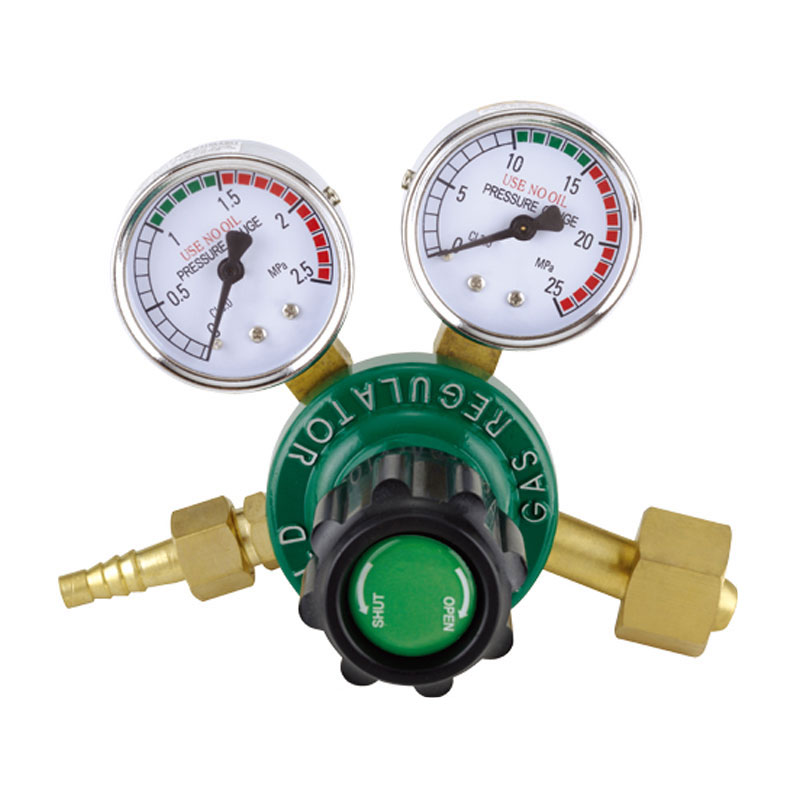
The OR-09 Customizable Pressure and Interface Oxygen Pressure Reducing Controller is designed for pr...
See Details -
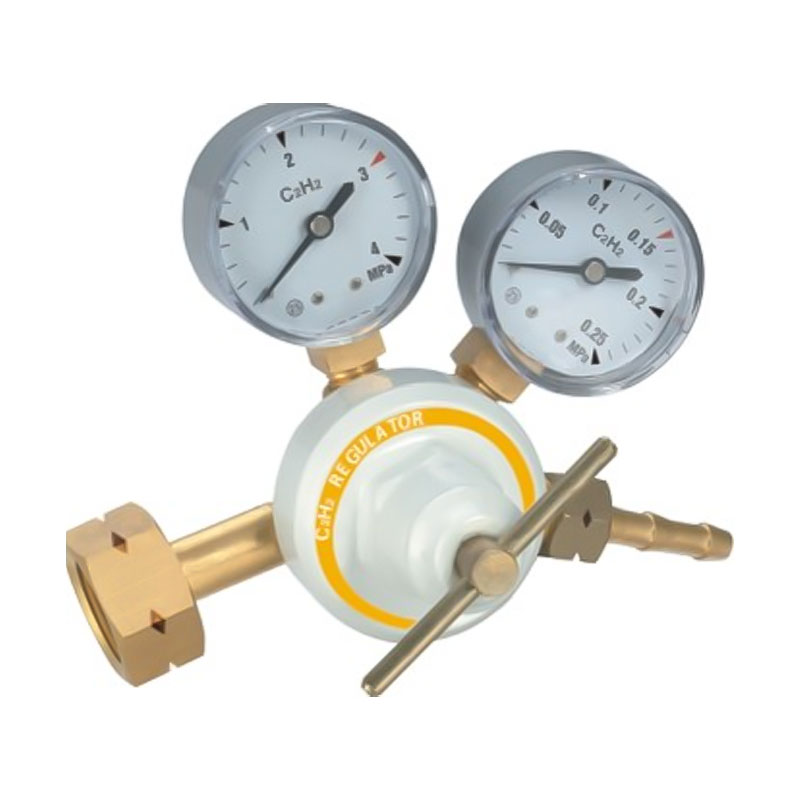
The AR-56 High-Stability Welding and Cutting Acetylene Regulator is designed with a focus on pressur...
See Details -
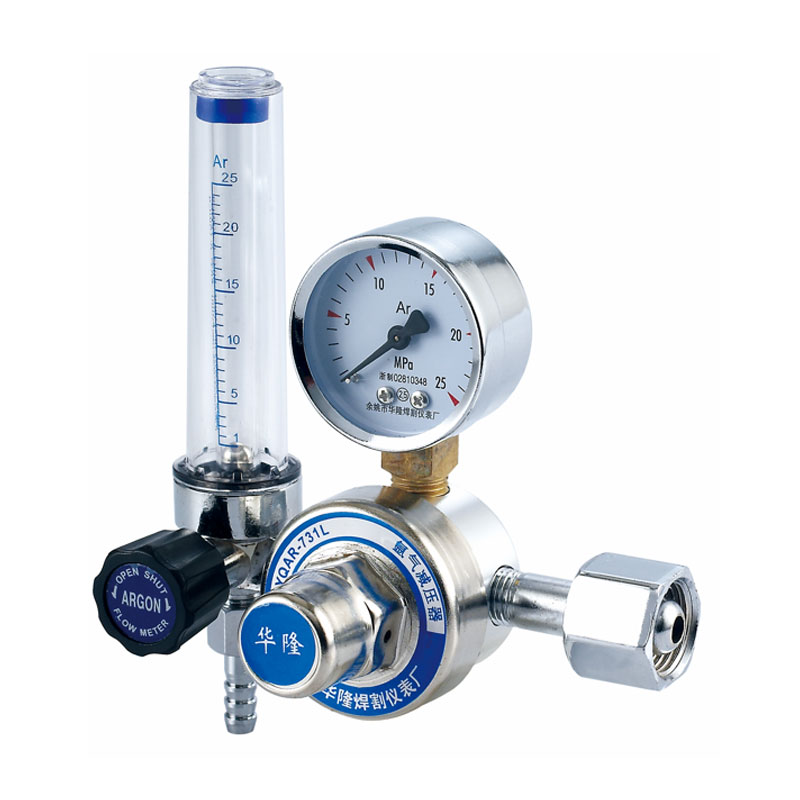
The ArR-01 High-Pressure Argon Cylinder Regulator is a pressure regulation device designed for appli...
See Details -
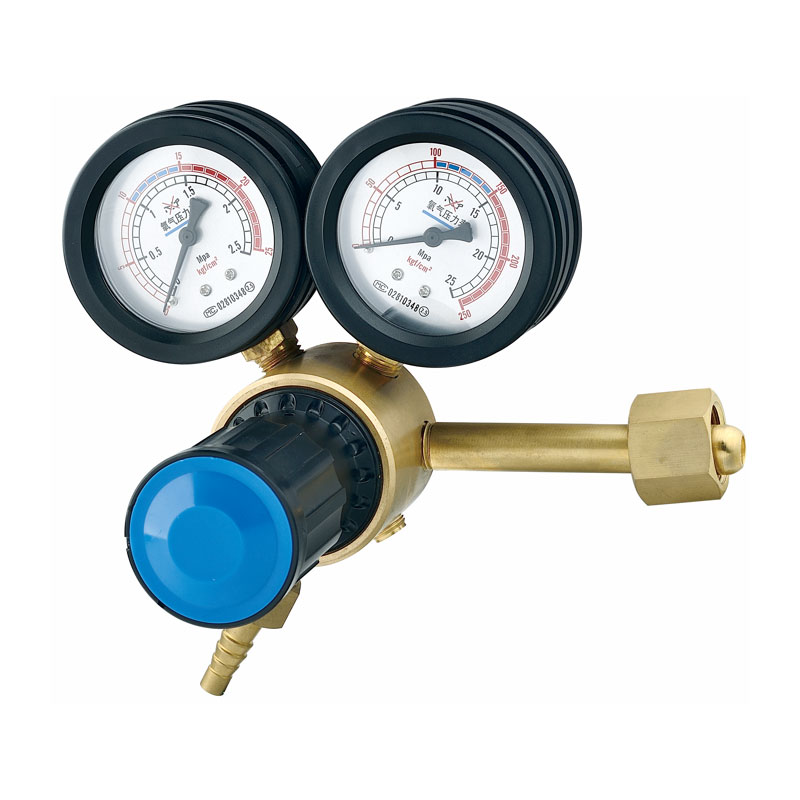
The OR-17 Multi-Function Oxygen Safety Regulator is a professional device designed for industrial an...
See Details -
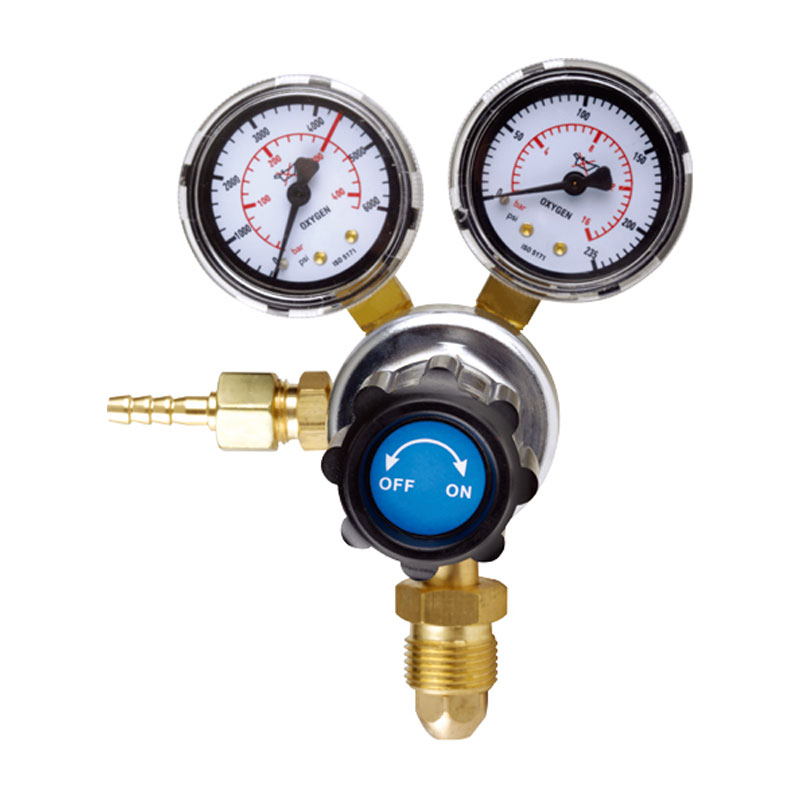
The OR-13 high-pressure precision oxygen regulator is designed specifically for high-pressure applic...
See Details -
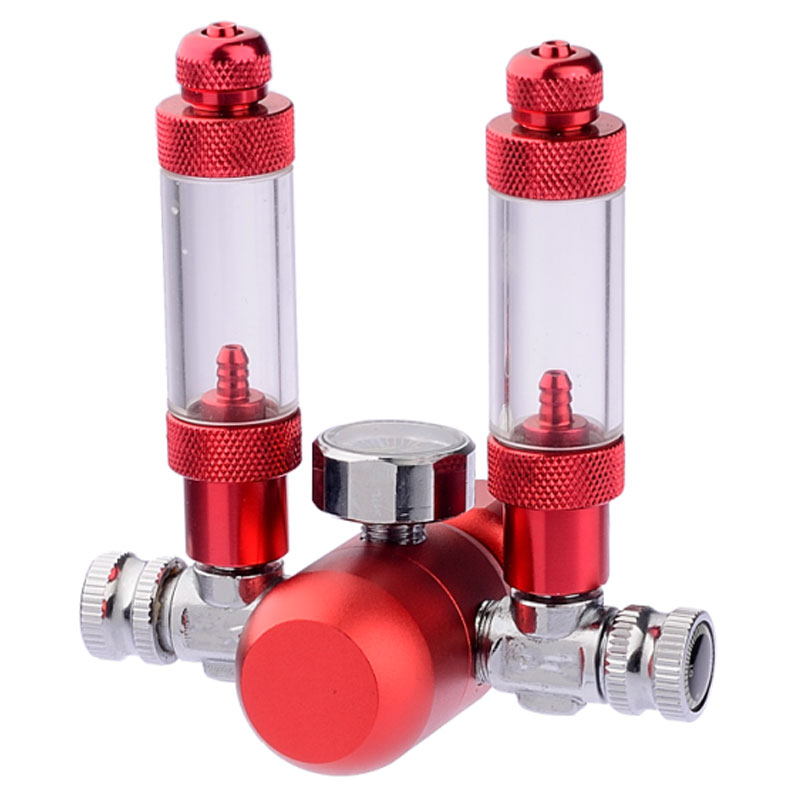
This environmentally friendly dual-gauge CO2 aquarium pressure regulator is designed for aquatic pla...
See Details -
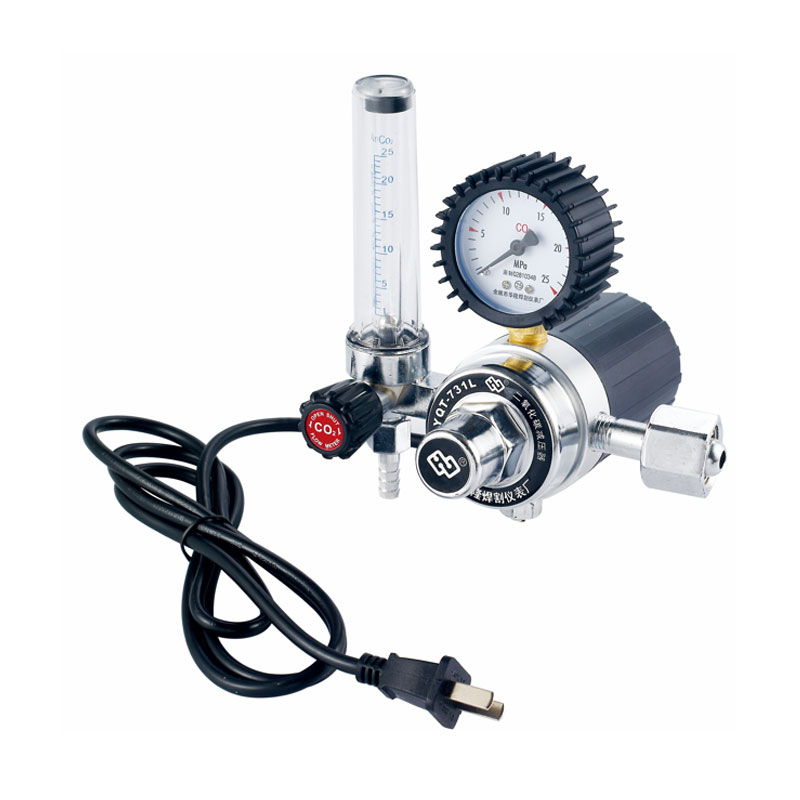
The JTR-01 High-Pressure Precision Carbon Dioxide Regulator is a device designed for applications th...
See Details

- PRODUCTS
- Pressure Regulator for Welding and Cutting
- Aquarium Pressure Regulator
- Beer and Beverage Pressure Regulator
- Pipeline Pressure Reducer
- CONTACT INFO
-
-
+86-180 6927 8236

-
[email protected]

-
No.1358,Tanjialing West Road, Lanjiang Street,Yuyao, 315400, Zhejiang

-
- MOBILE QR CODE

