

 English
  русский
  Español
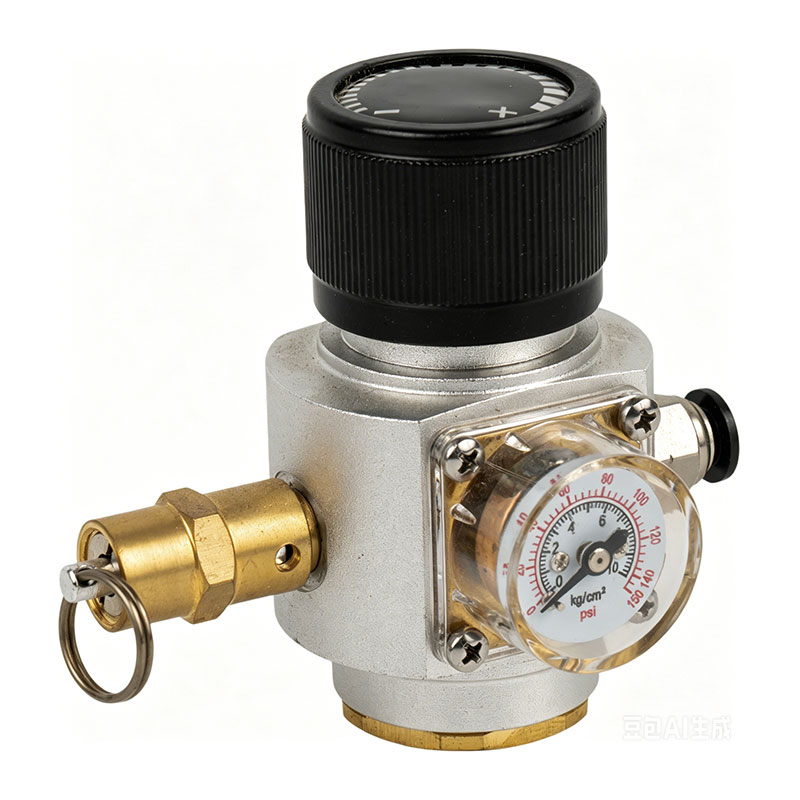
 Precision Carbonation ControlThis 0-60psi mini CO2 regulator enables easy pressure tuning for ideal ...
See DetailsSingle-Stage vs. Two-Stage Oxygen Regulators: Key Differences Explained
Industry News-Quick Answer: Single-Stage vs. Two-Stage Oxygen Regulators
The core difference lies in how pressure reduction happens: a single-stage regulator reduces high-pressure oxygen from the cylinder to delivery pressure in one step, while a two-stage regulator splits this reduction across two separate chambers—first to an intermediate pressure, then to final delivery pressure. This two-step process gives two-stage regulators significantly more stable output flow as cylinder pressure drops during use, making them the preferred choice for critical applications like medical life support and technical diving, where output pressure variation of less than 2-3% is often required even as tank pressure falls from 2,000 psi to near-empty. Single-stage regulators, by contrast, are simpler, more compact, and less expensive, making them well-suited to applications with shorter cylinder duty cycles or less stringent pressure stability requirements.
How Single-Stage Regulators Work
A single-stage regulator performs the entire pressure reduction—from cylinder pressure down to working pressure—within one spring-loaded diaphragm chamber.
Basic Mechanism
High-pressure oxygen enters the regulator body and passes through a single valve seat controlled by a spring-loaded diaphragm. As gas flows out, the diaphragm adjusts the valve opening to maintain a set delivery pressure, typically reducing cylinder pressure from as high as 2,200 psi down to 50 psi or lower in one mechanical step.
Why Output Pressure Drifts Over Time
Because a single spring and diaphragm must accommodate the entire pressure range—from full cylinder pressure to near-empty—the mechanical advantage of the spring changes as inlet pressure decreases. This causes a phenomenon known as "intermediate pressure creep," where output pressure gradually shifts as cylinder pressure drops, even though the regulator dial setting hasn't changed.
How Two-Stage Regulators Work
Two-stage regulators address the pressure creep problem by dividing the reduction process into two independent, sequential steps, each optimized for a narrower pressure range.
First Stage: Intermediate Pressure Reduction
The first stage reduces cylinder pressure to a fixed intermediate pressure, typically around 100-200 psi, regardless of how much oxygen remains in the tank. This stage is engineered specifically to handle the wide swing from full-cylinder pressure down to near-empty, absorbing most of the pressure variability before gas ever reaches the second stage.
Second Stage: Final Delivery Pressure
The second stage then reduces this already-stable intermediate pressure down to the final delivery pressure needed by the application—often 4-70 psi depending on use case. Because the second stage only ever sees a narrow, consistent input pressure range, it can maintain remarkably stable output regardless of how much gas remains in the cylinder.
Side-by-Side Comparison
The following table summarizes the key performance and practical differences between the two regulator types.
| Characteristic | Single-Stage | Two-Stage |
|---|---|---|
| Pressure Reduction Steps | One | Two (intermediate + final) |
| Output Pressure Stability | Moderate, drifts as cylinder empties | High, remains consistent throughout use |
| Size and Weight | Smaller, lighter | Larger, heavier |
| Cost | Lower | Higher |
| Maintenance Complexity | Simpler, fewer components | More complex, more seals and components |
| Typical Use Case | Short-duration, less critical applications | Medical, diving, precision industrial use |
Why Pressure Stability Matters in Practice
The practical consequences of pressure creep depend heavily on the application, which is why the "better" regulator type isn't universal—it depends on how sensitive your use case is to flow variation.
Medical Oxygen Delivery
In clinical settings, especially for patients on precise flow-rate prescriptions, even small unintended shifts in delivery pressure can alter actual oxygen flow to the patient. This is why two-stage regulators are generally preferred for critical care and long-duration medical oxygen therapy, where consistent dosing matters throughout the entire cylinder's discharge cycle.
Scuba and Technical Diving
Divers depend on consistent breathing resistance regardless of remaining tank pressure, particularly during the final portion of a dive when cylinder pressure is lowest. Two-stage regulators dominate this market because they maintain predictable breathing effort from a full tank down to reserve pressure, which is a meaningful safety factor underwater.
Industrial and Short-Duration Applications
For applications like brief welding or cutting torch use, or portable oxygen supplies used for short periods, some pressure drift may be acceptable, making the lower cost and simpler design of single-stage regulators a practical trade-off.
Cost and Maintenance Considerations
Beyond performance, practical factors like upfront cost and ongoing maintenance requirements often influence the final decision.
Initial Purchase Cost
Two-stage regulators typically cost 1.5 to 3 times more than comparable single-stage models, reflecting their additional internal components—a second diaphragm, spring, and valve assembly—along with tighter manufacturing tolerances required for consistent second-stage performance.
Maintenance and Servicing
With more moving parts and seals, two-stage regulators generally require more frequent professional servicing to maintain calibration accuracy—often recommended annually or every 1-2 years depending on usage intensity. Single-stage regulators, having fewer components, are typically simpler and less costly to service, though they still require regular inspection for oxygen-service-rated seals and cleanliness.
Safety Considerations Common to Both Types
Regardless of stage design, oxygen regulators share critical safety requirements due to the reactive nature of pure or high-concentration oxygen.
- All internal components must be oxygen-cleaned and free of hydrocarbon contamination, since oil or grease in contact with high-pressure oxygen can cause combustion.
- Regulators must be matched to the correct cylinder valve fitting standard—such as CGA 540 for medical oxygen in the US—to prevent incorrect or unsafe connections.
- Slow opening of the cylinder valve is essential in both regulator types to prevent adiabatic compression heating, which can ignite contaminants inside the regulator.
- Regular inspection of diaphragms, seals, and gauges for wear or damage helps prevent leaks and pressure inaccuracies over the regulator's service life.
Which Type Should You Choose?
Use the following guidance to match regulator type to your specific application:
- Choose a two-stage regulator for medical life support, home oxygen therapy, or any application where consistent flow throughout the entire cylinder discharge is critical.
- Choose a two-stage regulator for scuba diving or technical diving applications where predictable breathing resistance is a safety requirement.
- Choose a single-stage regulator for short-duration industrial tasks, portable field use, or budget-constrained applications where minor pressure drift is acceptable.
- Choose a single-stage regulator when compact size and lighter weight are priorities, such as portable welding or cutting equipment.
Ultimately, the decision comes down to how much your application depends on consistent output pressure across the full range of cylinder pressure, weighed against the additional cost and maintenance that two-stage designs require. For life-critical or safety-sensitive uses, the added investment in a two-stage regulator is generally considered a worthwhile trade-off.
Related products
-
-
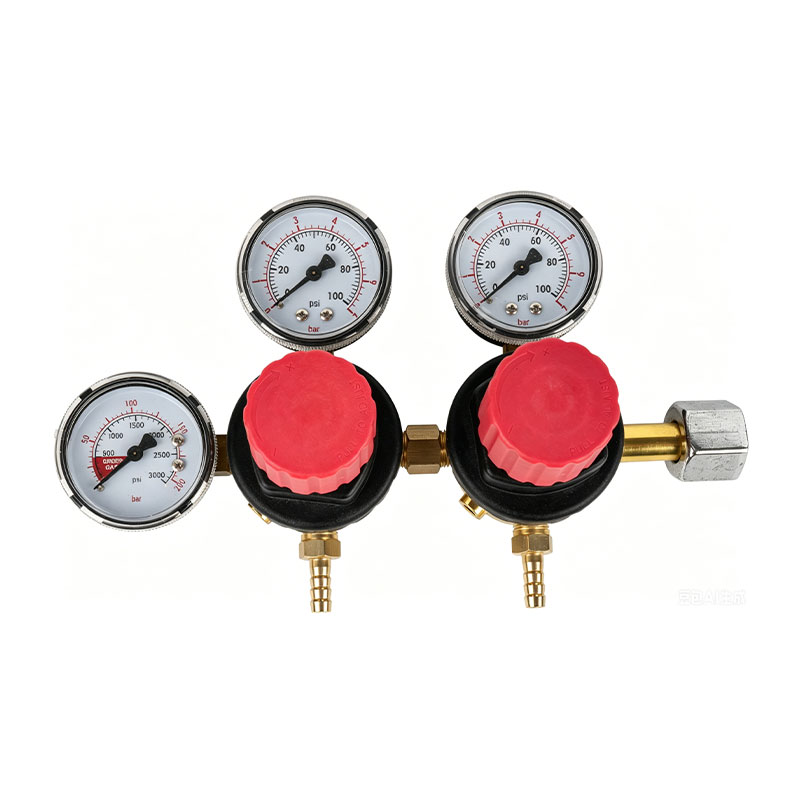
After-Sales ServiceThis precision CO2 regulator requires proper connection and correct operation. Sh...
See Details -
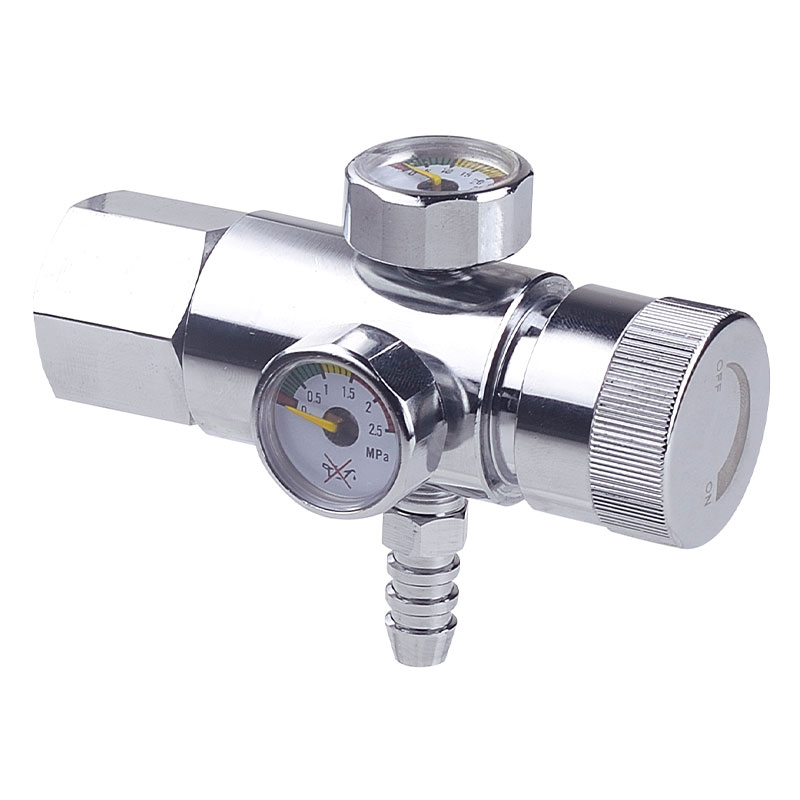
Designed with energy efficiency and reliability in mind, the OR-19 All-Brass Energy-Efficient Oxygen...
See Details -
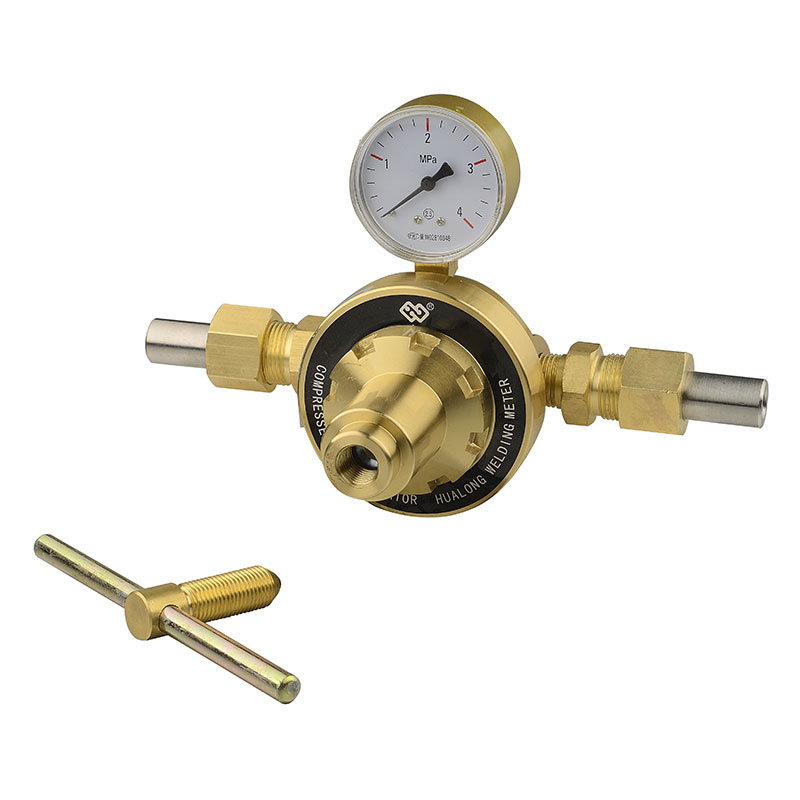
The OR-63-1 (Model 155) industrial pipeline oxygen pressure regulator is a pressure regulating devic...
See Details -
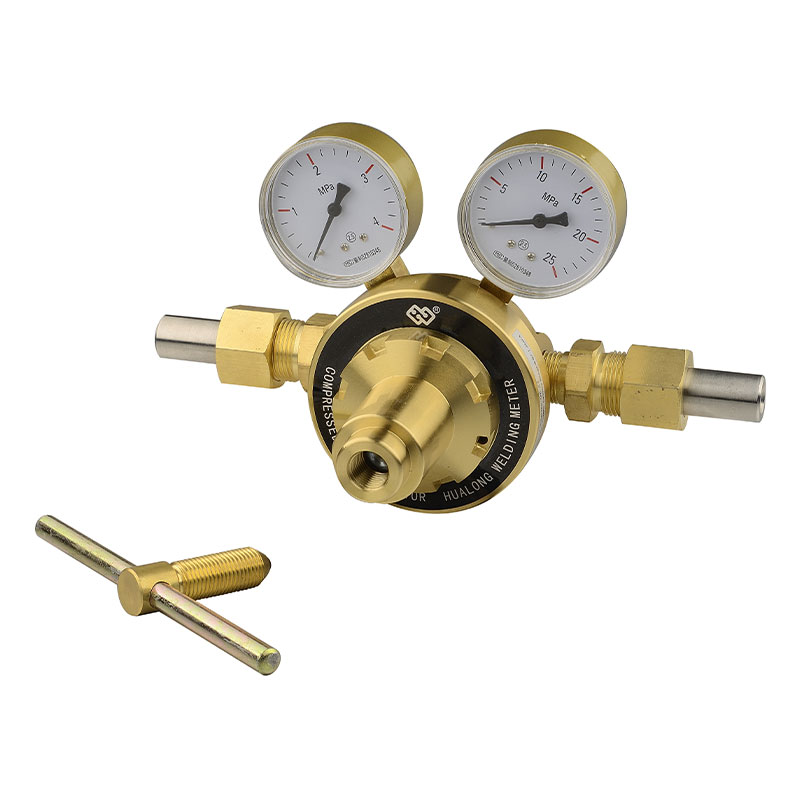
The OR-63 (Model 155) durable pipeline oxygen pressure reducer is designed specifically for industri...
See Details -
.jpg "OR-62(YQY-754)Pipeline Oxygen Pressure Reducer")
The OR-62 (YQY-754) pipeline oxygen pressure reducer is designed specifically for industrial pipelin...
See Details -
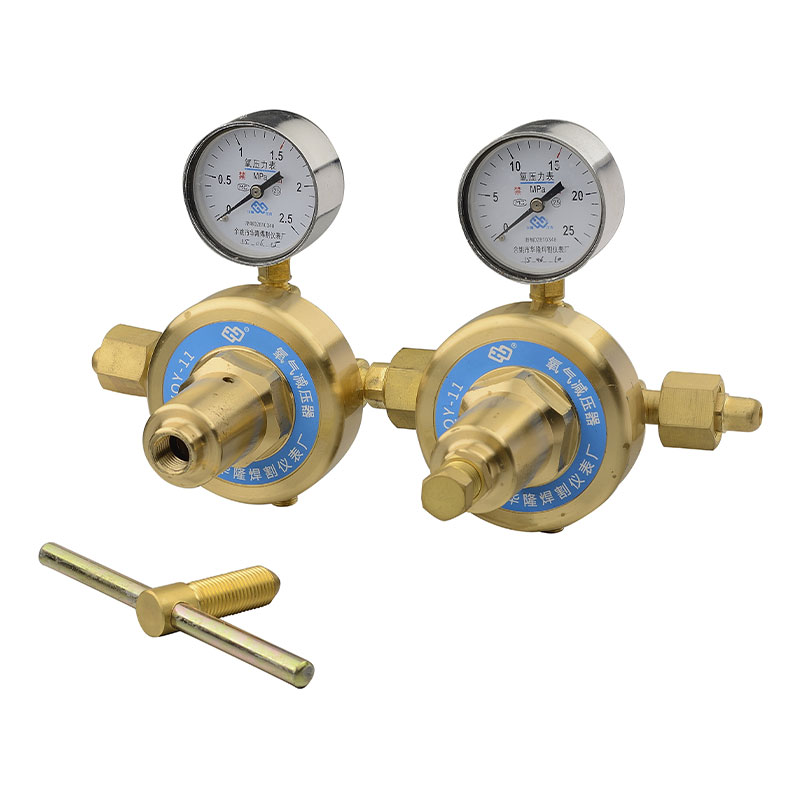
The OR-60 (YQY-11) large-scale pipeline oxygen pressure reducer is specifically designed for industr...
See Details -
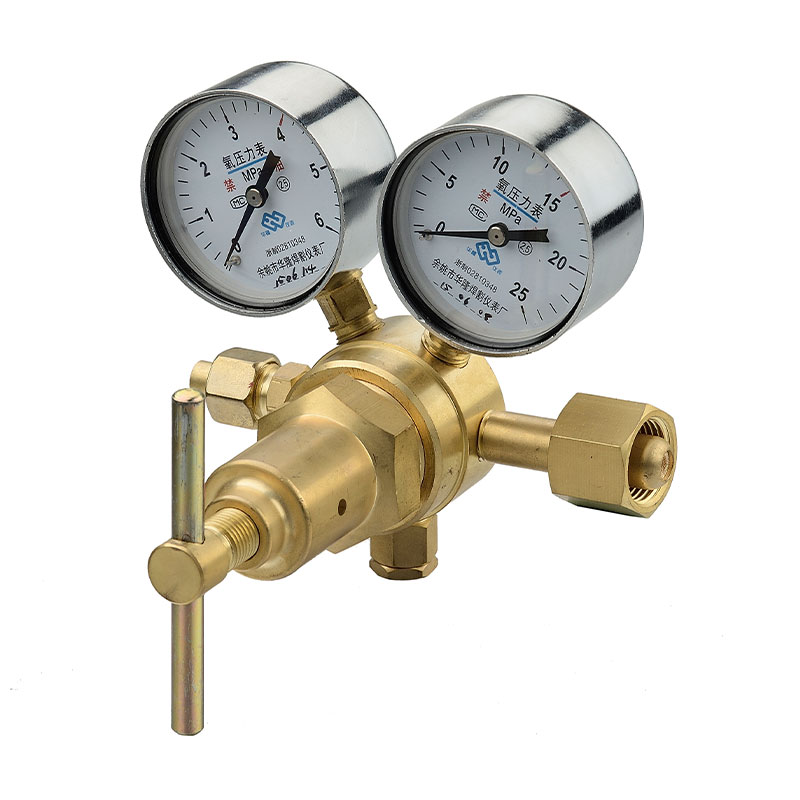
The OR-59-1 (YQY-370-1) industrial oxygen pipeline pressure reducer is designed specifically for ind...
See Details

- PRODUCTS
- Pressure Regulator for Welding and Cutting
- Aquarium Pressure Regulator
- Beer and Beverage Pressure Regulator
- Pipeline Pressure Reducer
- CONTACT INFO
-
-
+86-180 6927 8236

-
[email protected]

-
No.1358,Tanjialing West Road, Lanjiang Street,Yuyao, 315400, Zhejiang

-
- MOBILE QR CODE

