

 English
  русский
  Español
 The AR-02 Acetylene Gas Regulator is a pressure control device designed for use with acetylene gas, ...
See DetailsIndustrial Gas Regulator Selection: Types, Specifications, and Safety Considerations
Industry News-In an oxy-fuel cutting bay, the first sign of trouble is often a flickering flame. The operator turns the valve, sees the pressure gauge drop when the torch is opened, then climb again when it is closed. That drifting needle points to an industrial gas regulator that is doing its job badly. When the regulator cannot hold a steady outlet pressure, cutting tolerances widen, spatter increases, and gas consumption rises.
What an Industrial Gas Regulator Actually Does
An industrial gas regulator is, at its core, a pressure-reducing valve. It takes the high, fluctuating pressure in a cylinder or pipeline and delivers gas at a stable lower pressure to your torch, manifold, or process equipment. It does this by sensing outlet pressure through a diaphragm and throttling the flow through a valve seat. The mechanical balance between a spring setting and the gas pressure is what holds the setpoint. In practice, this means the regulator must be sized and specified for the exact gas, pressure range, and flow rate of the application.
How to Choose the Right Industrial Gas Regulator
There is no universal industrial gas regulator. The right choice depends on gas type, pressure and flow requirements, operating environment, and safety standards. The sections below cover the decisions that matter most.
Match the Regulator to the Gas and Application
Never assume that one pressure regulator can be used for different gases. Each gas has different physical properties, cylinder pressure, and chemical compatibility requirements. Oxygen, for example, requires a regulator with oxygen-compatible materials that has been cleaned specifically for oxygen service, because oil and grease can ignite under compression. A typical choice for oxy-fuel work is the OR02a high-precision adjustable oxygen flow controller, which holds a stable outlet pressure as the cylinder empties.
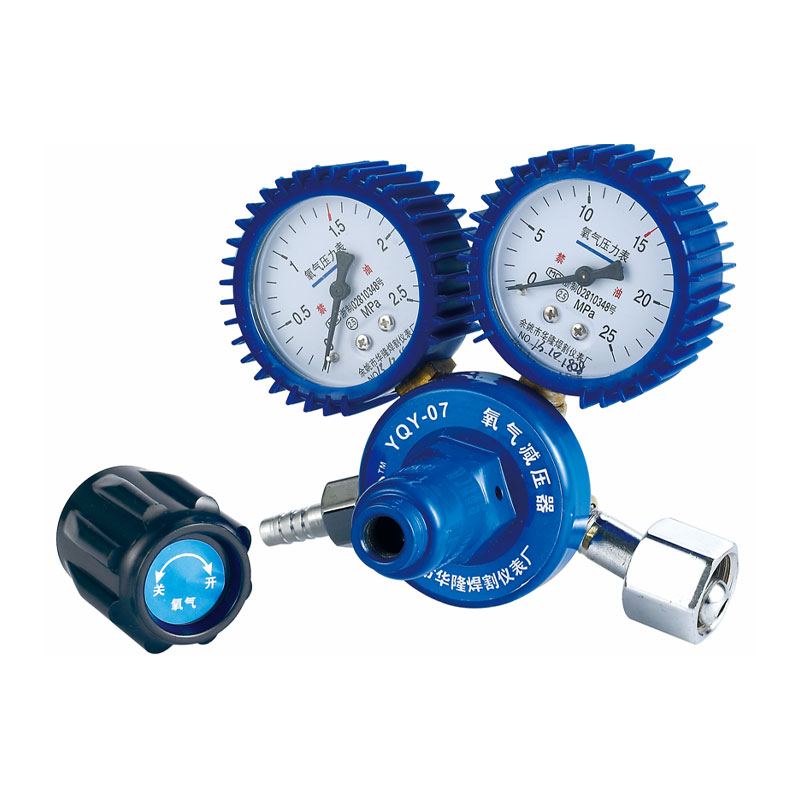 Custom OR-02A High-Precision Adjustable Oxygen Flow Controller Suppliers, OEM/ODYuyao Hualong Welding Meter Factory is China OR-02A High-Precision Adjustable Oxygen Flow Controller Suppliers and OEM Factory, details:T...View Product →
| Gas | Common industrial use | Key regulator requirement |
|---|---|---|
| Oxygen | Oxy-fuel cutting, welding, brazing | Oxygen-compatible materials, high-pressure inlet rating, clean assembly |
| Acetylene | Oxy-fuel welding and heating | Low-pressure delivery range, left-hand connection, low copper content |
| Argon | TIG welding, shielding gas | Stable low-flow control, often with flowmeter |
| CO2 | MIG welding, beverage carbonation | Heated inlet option for high flow, reliable seat design |
| LPG | Preheating, heating, brazing | Regulator rated for hydrocarbon service |
Acetylene is stored at a lower pressure in acetone and needs a regulator with a low-pressure delivery range and a left-hand connection. The AR02 acetylene gas regulator is an example of a unit built specifically for that service.
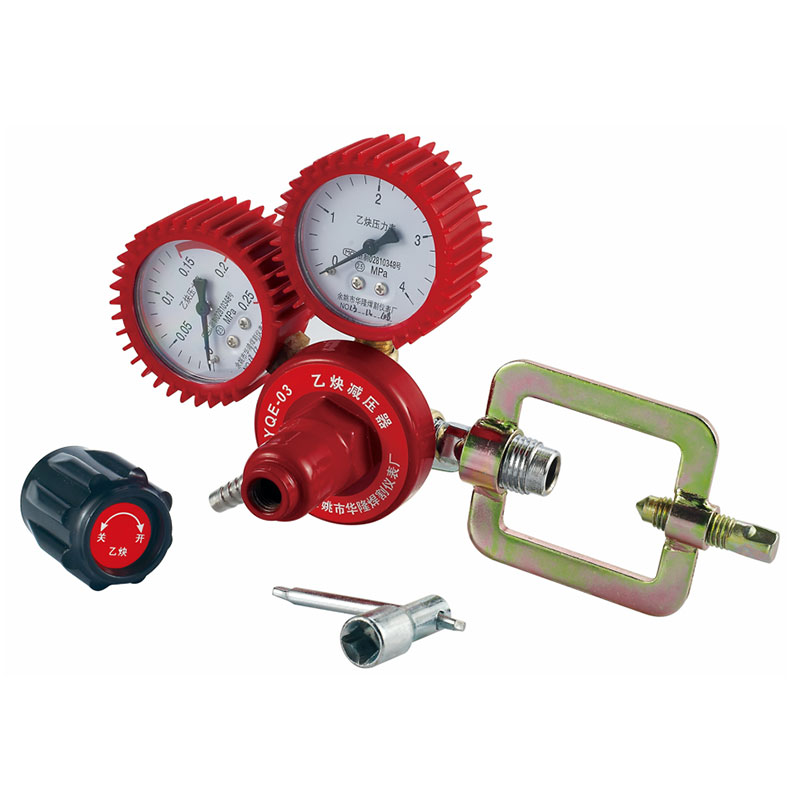 Custom AR-02 Acetylene Gas Regulator Suppliers, OEM/ODM Factory - Yuyao Hualong Yuyao Hualong Welding Meter Factory is China AR-02 Acetylene Gas Regulator Suppliers and OEM Factory, details:The AR-02 Acetylene Gas Reg...View Product →
Single-Stage vs. Two-Stage Designs
Single-stage regulators react directly to cylinder pressure changes. When the cylinder is full, the outlet pressure may be slightly higher; when the cylinder is nearly empty, it drops. For applications with a relatively constant demand, such as a welding station with a fixed work setting, this is often acceptable. Two-stage regulators add an intermediate step between the cylinder and the final seat, so the outlet pressure remains the same regardless of inlet pressure. They cost more and are slightly heavier, but they are worth the investment for precision processes such as TIG welding with argon, or when the cylinder is located outdoors where temperature affects pressure.
- Single-stage: simpler, lower cost, suitable when slight outlet pressure drift is tolerable.
- Two-stage: stable setpoint over the full cylinder life, better for precision gas flow.
Pressure, Flow, and Connection Sizing
Before choosing a regulator, determine the maximum outlet pressure you need and the full-flow requirement. A regulator's flow capacity is often expressed as Cv; a higher Cv means more gas can pass at a given pressure drop. For typical shielding gas applications, a flow of 10 to 25 liters per minute is common, but a large manifold system may need 100 liters per minute or more. The regulator's inlet and outlet threads must also match the cylinder valve and hose, and they must be correct for the gas. For instance, acetylene uses a left-hand thread, oxygen uses a right-hand thread. A good manufacturer will offer customizable fittings when the standard sizes do not fit the existing installation.
Materials and Construction Quality
The body material affects corrosion resistance, weight, and service life. Brass is the most common material for industrial gas regulators because it machines well and resists corrosion from typical industrial gases. Aluminum is lighter and often used for portable units, while stainless steel is reserved for aggressive environments. For acetylene service, there is an additional constraint: materials in contact with the gas must have a low copper content to prevent the formation of explosive copper acetylide. That is why the internal parts of an acetylene regulator may use steel or other materials, even if the body is brass. Always confirm that the regulator is rated for the gas you intend to use.
Common Applications and Their Regulator Needs
Oxy-fuel Welding and Cutting
Oxy-fuel processes place a high demand on regulator stability because the flame depends on the ratio of fuel to oxygen. A slight drift in outlet pressure changes the cutting quality and can even cause flashback. When you are reviewing a new setup, a practical starting point is to consult a guide on choosing the right acetylene pressure regulator. The same selection logic applies to oxygen: verify pressure range, flow capacity, and that the unit is certified for cylinder service.
Pipeline Gas Distribution
In plants with multiple welding stations or a central gas feed, pipeline regulators reduce the high pressure from a bulk supply or manifold to a distribution pressure. These units are built for continuous operation and fast response when several torches open or close at once. A good example is an all-copper pipeline oxygen pressure reducer such as the OR59 YQY370 oxygen pressure reducer. It maintains a constant downstream pressure despite upstream fluctuations, and its construction is rated for heavy-duty service. For natural gas or LPG pipelines, the regulator must also handle fuel service requirements and meet relevant safety codes.
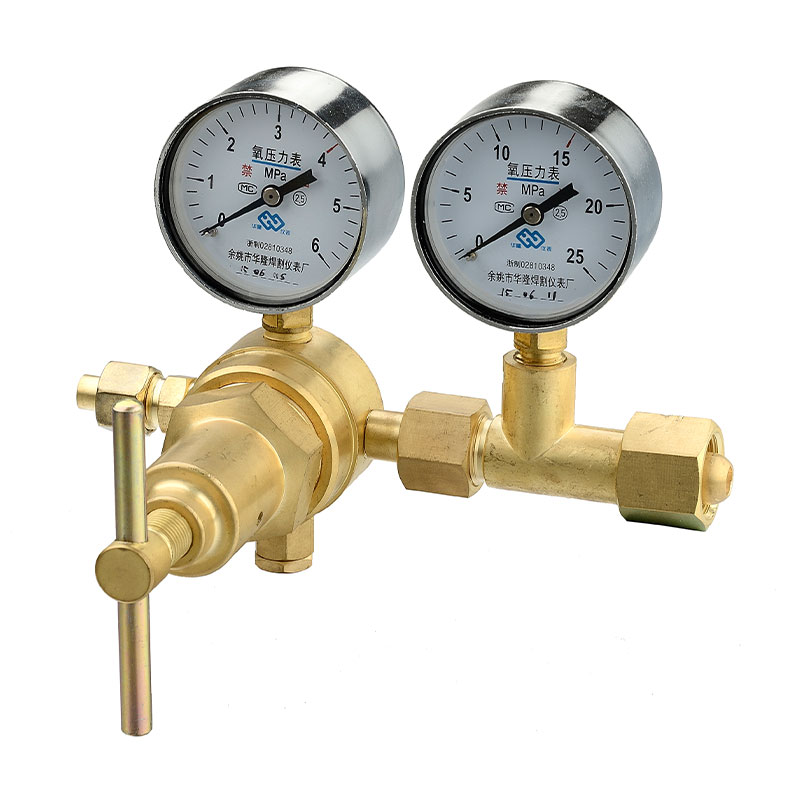 Custom OR-59 (YQY-370) All-Copper Oxygen Pressure Reducer Suppliers, OEM/ODM FacYuyao Hualong Welding Meter Factory is China OR-59 (YQY-370) All-Copper Oxygen Pressure Reducer Suppliers and OEM Factory, details:The OR...View Product →
Beverage and Food CO2 Systems
Although often overlooked in industrial purchasing, carbon dioxide regulators for food and beverage lines are another form of industrial gas regulator. These units control CO2 pressure for carbonation, keg dispensing, and packaging. The key difference is the need for sanitary, cleanable materials and careful pressure selection for the beverage type. A regulator engineered for beverage systems can also tolerate rapid cycling from a keg carbonation pump.
Maintenance and Inspection Essentials
Regular inspection and cleaning keep any gas regulator working correctly. The following checks are simple to integrate into an existing maintenance schedule:
- Test all connections and the pressure relief device with a leak detector solution or soapy water.
- Inspect the inlet filter or strainer for particulate contamination after several cylinder changes.
- Verify that the outlet gauge returns to zero when the regulator is isolated from pressure.
- Look for frost on the body, which indicates excessive flow or a malfunctioning seat.
- Check the valve seat for scoring or embedded debris that can cause creeping outlet pressure.
Signs Your Regulator Needs Replacement or Service
Some failures are gradual. The outlet pressure drifts when the cylinder is only half empty, or the torch flame is not as sharp as it used to be. Other failures are more obvious: a hissing sound around the bonnet, a cracked gauge lens, or a thread that no longer seals cleanly. If you see any of these, stop using the equipment and replace the regulator before it puts operators at risk. Trying to repair a regulator by replacing a single internal part can work if the manufacturer supports it, but for safety-critical service it is usually better to replace the whole unit or return it to the OEM for certified overhaul.
Selecting a Supplier Who Understands Applications
The long-term cost of a wrong regulator is not just the unit price; it is torched material, wasted gas, and lost production time. A supplier should be able to explain how each model behaves at different inlet pressures, which materials it uses, and what connection options are available. Because industrial gas regulators are not one-size-fits-all, it helps to work with a manufacturer that has separate lines for welding, pipeline, and beverage gases. That kind of product structure indicates they have made the engineering effort to design each unit for its intended service.
In the end, choosing the right industrial gas regulator comes down to understanding the gas, the pressure and flow range, the operating environment, and the maintenance plan. A properly specified regulator will hold a steady flame, keep a consistent shielding gas flow, and protect both the process and the people around it.
Related products
-

-
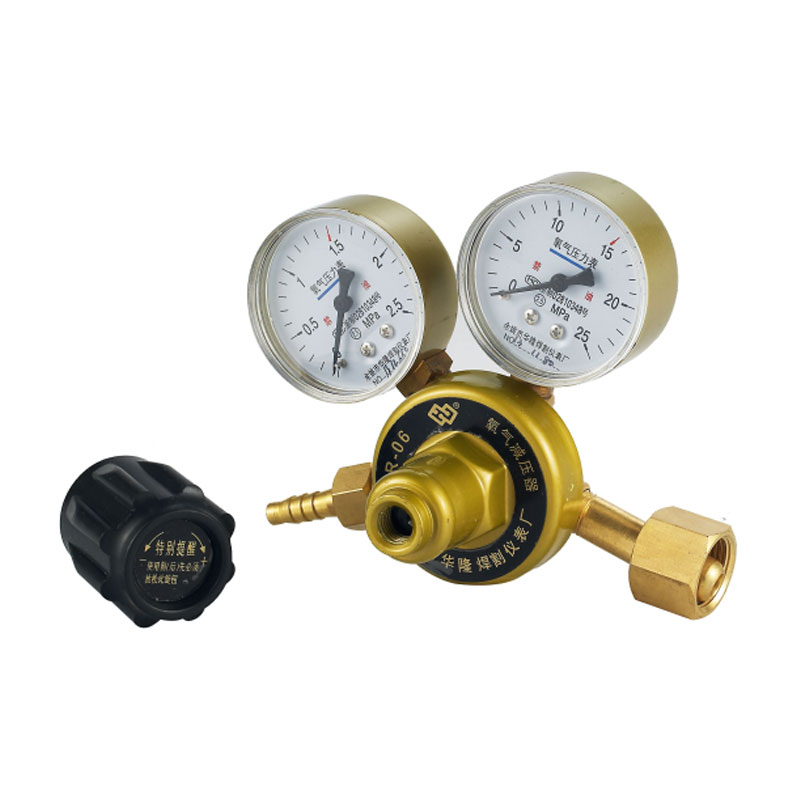
The OR-08 portable industrial oxygen regulator provides stable, controllable oxygen output to meet d...
See Details -
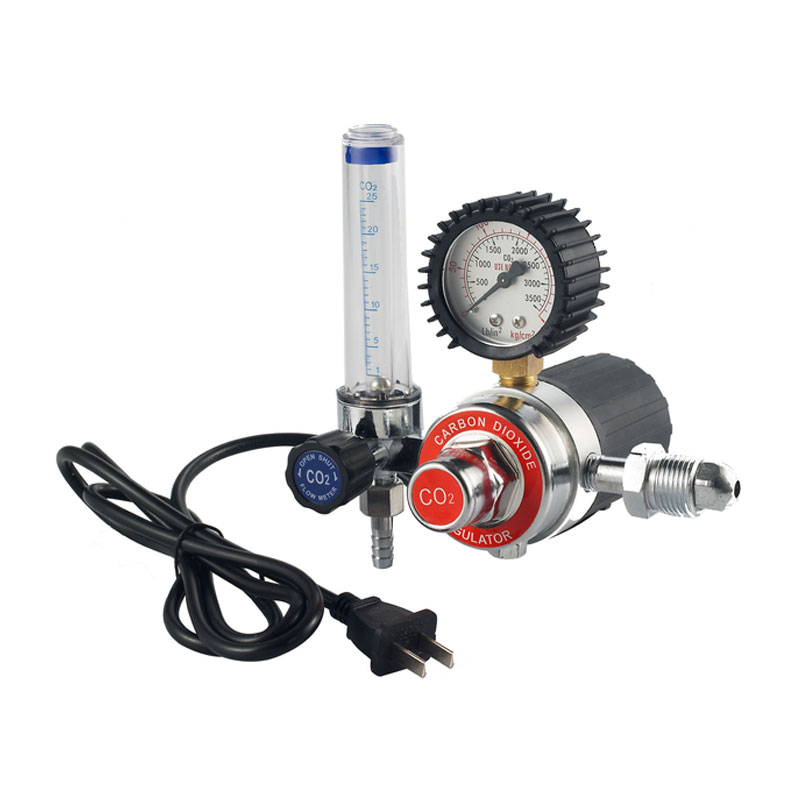
The JTR-01A High-Precision Carbon Dioxide Gas Regulator is designed for professional applications re...
See Details -
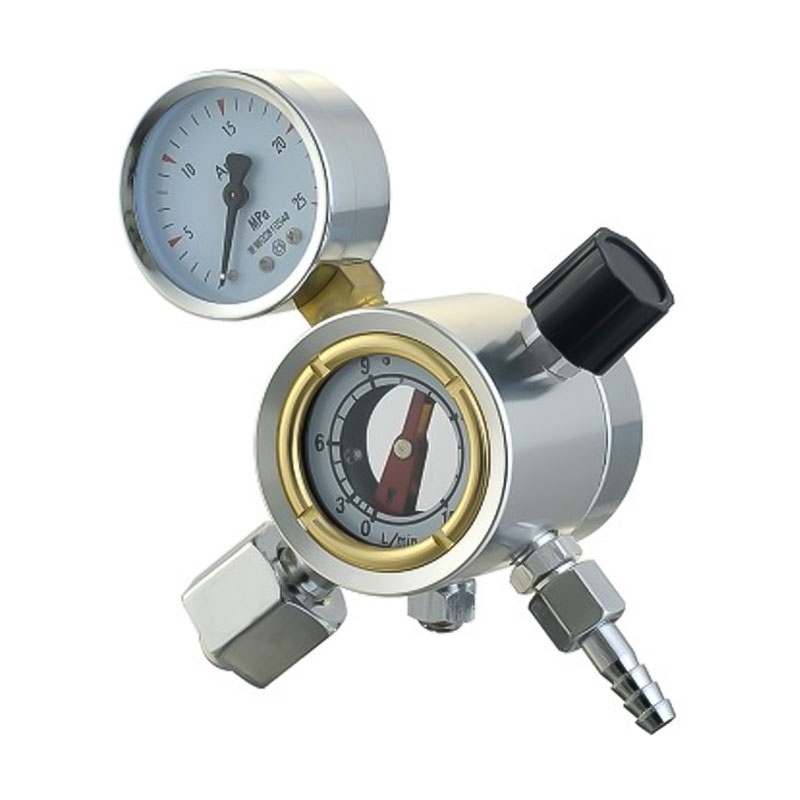
The AT-15 Heavy-Duty Industrial Argon Regulator can effectively reduce high-pressure argon gas from ...
See Details -
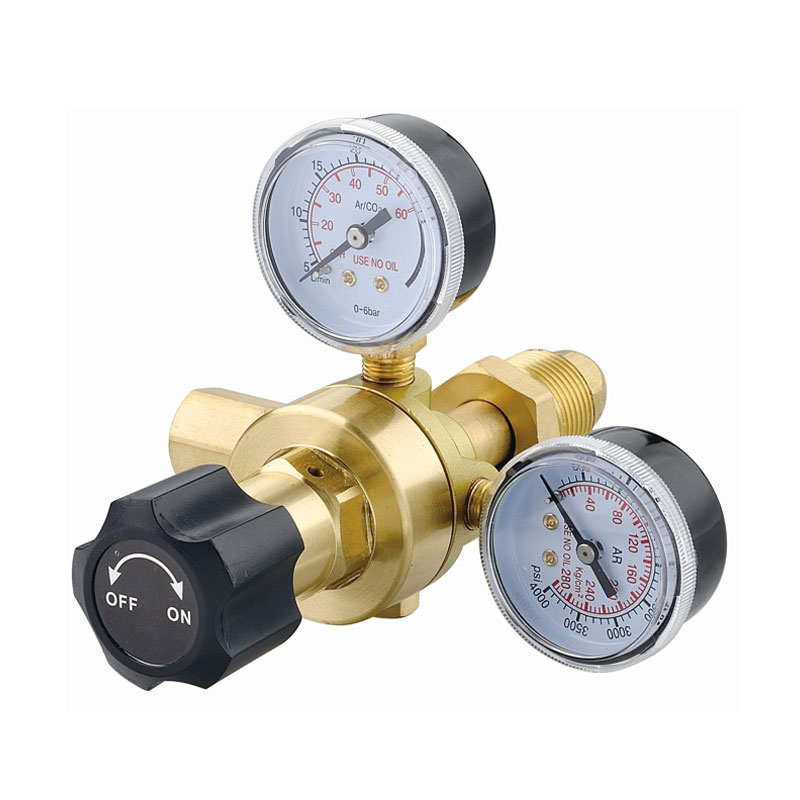
The ArR-192 Industrial Welding Argon Regulator is a pressure regulation device specifically designed...
See Details -
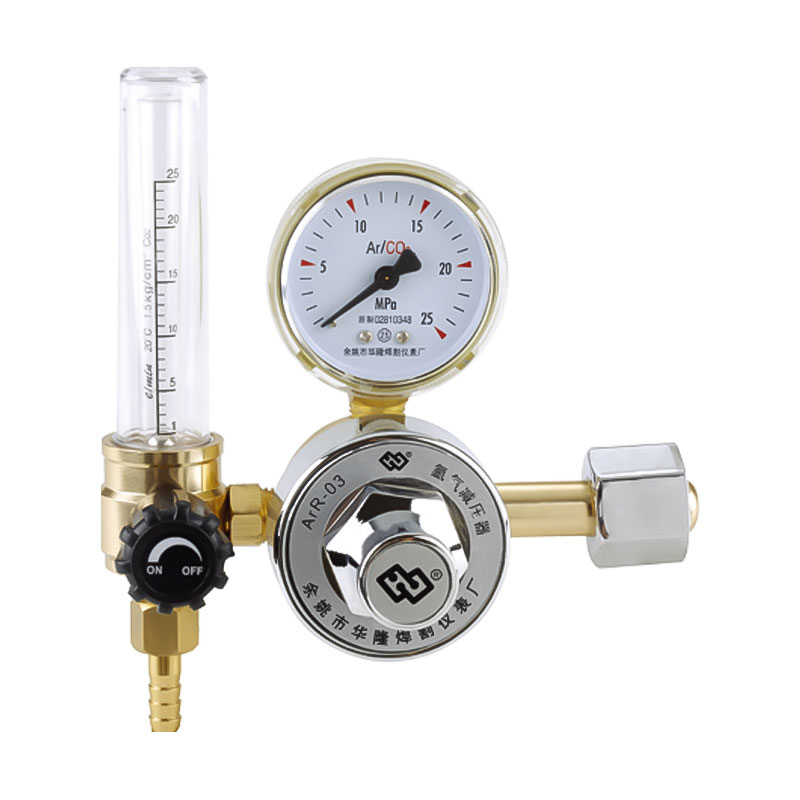
The ArR-02 Industrial Constant-Pressure Argon Regulator is a pressure management device designed for...
See Details -
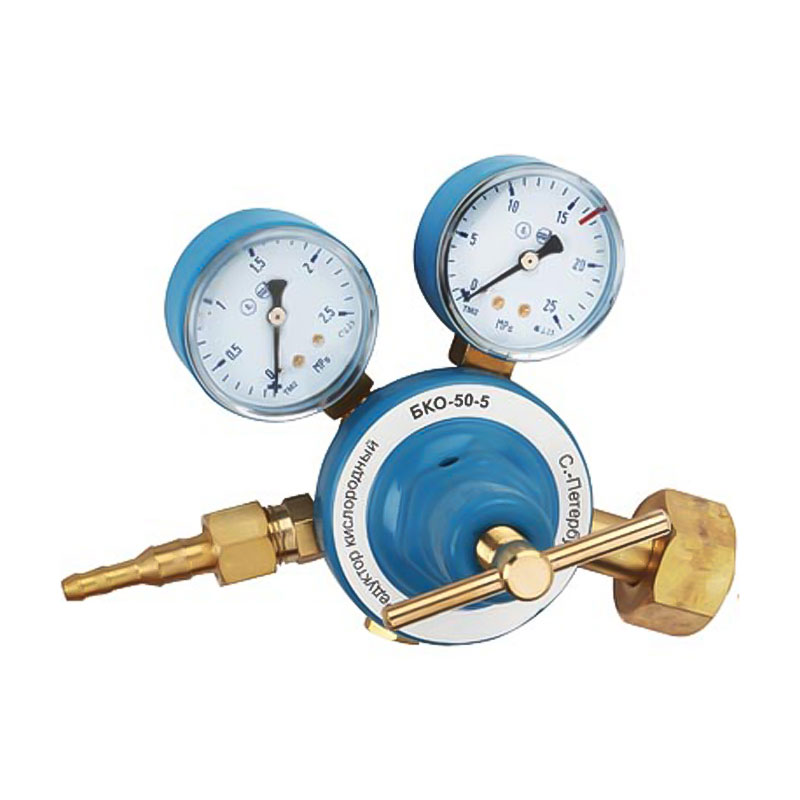
The OOR-58 Industrial Oxygen Regulator is a pressure management device designed specifically for hig...
See Details -
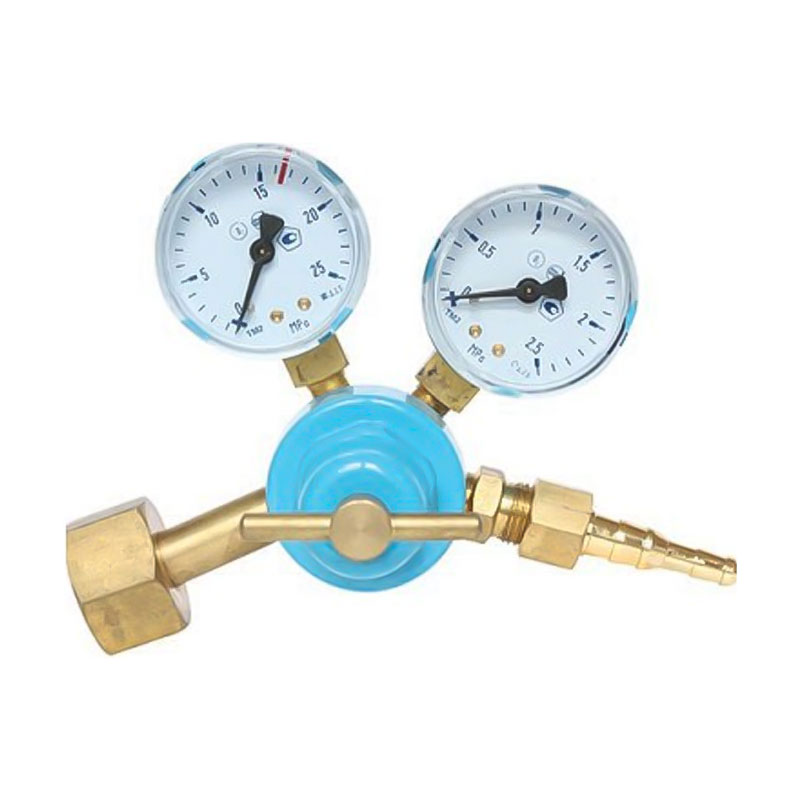
The OR-57 High-Safety Multifunctional Oxygen Regulator effectively reduces and regulates cylinder pr...
See Details

- PRODUCTS
- Pressure Regulator for Welding and Cutting
- Aquarium Pressure Regulator
- Beer and Beverage Pressure Regulator
- Pipeline Pressure Reducer
- CONTACT INFO
-
-
+86-180 6927 8236

-
[email protected]

-
No.1358,Tanjialing West Road, Lanjiang Street,Yuyao, 315400, Zhejiang

-
- MOBILE QR CODE

