

 English
  русский
  Español
 The AR-02 Acetylene Gas Regulator is a pressure control device designed for use with acetylene gas, ...
See Details2 PSI Gas Regulator Selection Guide for Natural Gas and LPG Piping Systems
Industry News-When a gas appliance plate says "2 psi inlet", it means the regulator you install must deliver a stable outlet pressure of about 13.8 kPa. The most common mistake is to pick a regulator based only on the maximum inlet pressure printed on the spec sheet, then discover later that the unit cannot hold a steady flame when flow changes. For natural gas and LPG piping systems, a 2 psi gas regulator is the component that takes the higher line pressure and reduces it to a level that burners, boilers, and commercial equipment can handle safely. The practical rule is this: choose the regulator for the gas type, the flow rate through the system, and the allowable pressure variation at the appliance, not just for the number on the label.
What a 2 PSI Gas Regulator Actually Does
A gas pressure regulator is a mechanical device with a spring-loaded diaphragm and a valve seat. The spring exerts a set load on the diaphragm. When gas enters the high-pressure side, the valve opens enough to let gas through. The downstream pressure pushes back against the diaphragm and compresses the spring until the valve reaches a balanced position. That balancing act creates a nearly constant outlet pressure even when the inlet pressure fluctuates and appliances turn on or off.
In a 2 psi line pressure regulator, the outlet pressure is factory-set or field-adjustable to approximately 2 psi (0.14 bar, 13.8 kPa). This is considered a low-pressure distribution standard for many residential and commercial natural gas systems. It is also common for LPG installations that use vapor piping. The regulator does not create gas pressure; it limits and stabilizes it. So if the supply pressure is too low, no regulator can deliver the required flow. But if the supply pressure is too high and the regulator is selected correctly, the downstream equipment remains protected from overpressure and combustion instability.
There are two broad classes of regulators: appliance regulators that sit right before a burner, and line regulators that manage pressure for a whole section of piping. The 2 psi class usually belongs to the line regulator category. It reduces a higher intermediate pressure to a low, safe distribution pressure for the appliances on the line.
Common Applications for a 2 PSI Regulator
Low-pressure gas regulation is used wherever multiple gas appliances share a common supply. Typical examples include:
- Commercial kitchens with several ranges, ovens, and grills.
- Residential gas fireplaces, furnace and water heater combinations.
- Brewing and beverage processing kettles that need consistent heat input.
- Industrial ovens, dryers, and process equipment in manufacturing plants.
- Outdoor barbecue islands or fire pits arranged on a single gas line.
These systems need 2 psi because the supply line is long enough that the pressure drop would be too large at a lower setting. A 2 psi line pressure regulator keeps the distribution pressure high enough to overcome pipe friction but low enough for the appliance regulators that follow. In some cases, the appliance itself has an internal regulator, and the line regulator simply reduces the upstream pressure to a manageable level. In other cases, the 2 psi regulator is the only regulation step and supplies the equipment directly.
Key Selection Criteria for a 2 PSI Gas Regulator
Before choosing a regulator, gather four pieces of information: the gas composition, the inlet pressure range, the maximum required flow capacity, and the allowed outlet pressure tolerance. Ignoring any of these can lead to poor burner performance, intermittent ignition, or premature diaphragm wear.
Gas composition matters because natural gas and LPG have different densities and heating values. A regulator calibrated for natural gas will not perform the same way with propane vapor. Inlet pressure range matters because the regulator must be able to lock up at the maximum downstream demand and still open reliably at the minimum supply pressure. Flow capacity is usually expressed in cubic feet per hour or cubic meters per hour. The regulator should be sized so that the operating flow falls inside its recommended window, not at the absolute limit.
The following table summarizes the common parameters to compare when selecting a 2 psi gas regulator for natural gas versus LPG.
| Parameter | Natural Gas | LPG |
|---|---|---|
| Outlet pressure set point | 2 psi (13.8 kPa) | 2 psi (13.8 kPa) |
| Common inlet pressure range | 5 to 20 psi | 8 to 40 psi |
| Typical capacity | Depends on pipe size and appliance demand | Depends on pipe size and appliance demand |
| Connection | NPT pipe, flanged, or threaded interface | NPT pipe, flanged, or threaded interface |
| Material | Brass, aluminum, or zinc alloy | Brass, aluminum, or zinc alloy |
The connection size and material should also be checked against the local gas codes and the mechanical loads expected in your environment. Brass and aluminum bodies are common in pipeline pressure regulators. In outdoor installations, look for a corrosion-resistant finish and a seal that is compatible with the gas.
Installation, Inspection, and Common Pressure Problems
The best regulator will fail if the installation is wrong. Install the regulator with at least eight pipe diameters of straight pipe downstream to reduce turbulence. Mount the diaphragm in the correct orientation, which is usually vertical or horizontal as the manufacturer specifies. Do not remove the protective cap or expose the vent opening to debris, moisture, or insects.
Pressure problems usually show up as flame shrinkage, burner noise, or unexpected nuisance lockups. One frequent issue is oversizing, which causes the valve to operate in a partial open mode for long periods and leads to instability. Another is undersizing, which causes a significant drop in outlet pressure when the appliance demand is high. As we explain in our article on how pipeline pressure reducers affect flow rate, flow is not just about pressure; it is also about pressure recovery and resistance in the pipe.
Regular inspection should include checking the gauge readings, looking for rust and debris, and confirming that the outlet pressure stays within tolerance. If you see the outlet pressure creeping upward over time, the spring could be tired or the diaphragm may be leaking. A 2 psi line pressure regulator is a safety component, so it must be replaced rather than repaired when the internal parts are degraded.
Why the Right Manufacturer Matters for a 2 PSI Valve
Reliable pressure regulation depends on consistent manufacturing. A body that is machined with poor tolerances, a spring that sags, or a diaphragm that is not bonded correctly will all show up as an unstable 2 psi output. A manufacturer with a broad product line is more likely to offer you the exact connection, material, and capacity that your system needs. This is why we recommend looking across a manufacturer's natural gas pipeline pressure regulator range before settling on a stock part.
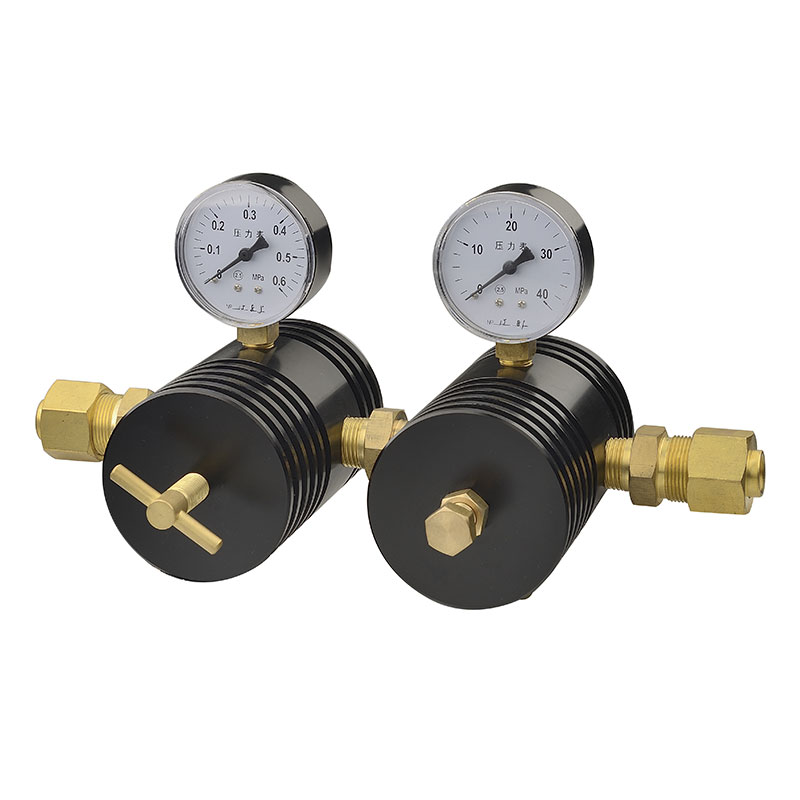 LR-102 Pipeline Natural Gas Pressure Reducer for Industrial SystemsThe LR-102 is a brass pipeline natural gas pressure reducer designed for industrial transmission and distribution. It offers adjustable outlet pressure from 10 to 200 psi and customizable connections, making it a reliable choice for stable 2 psi output in gas piping systems.View Product →
A factory that controls its production process can also support customization. For a 2 psi regulator, customization usually means different inlet and outlet connections, specific pressure set points, or body materials that meet particular environmental conditions. At our own facility, we test regulators for stability and leakage before shipment, and we keep separate product families for natural gas, LPG, oxygen, and other industrial gases.
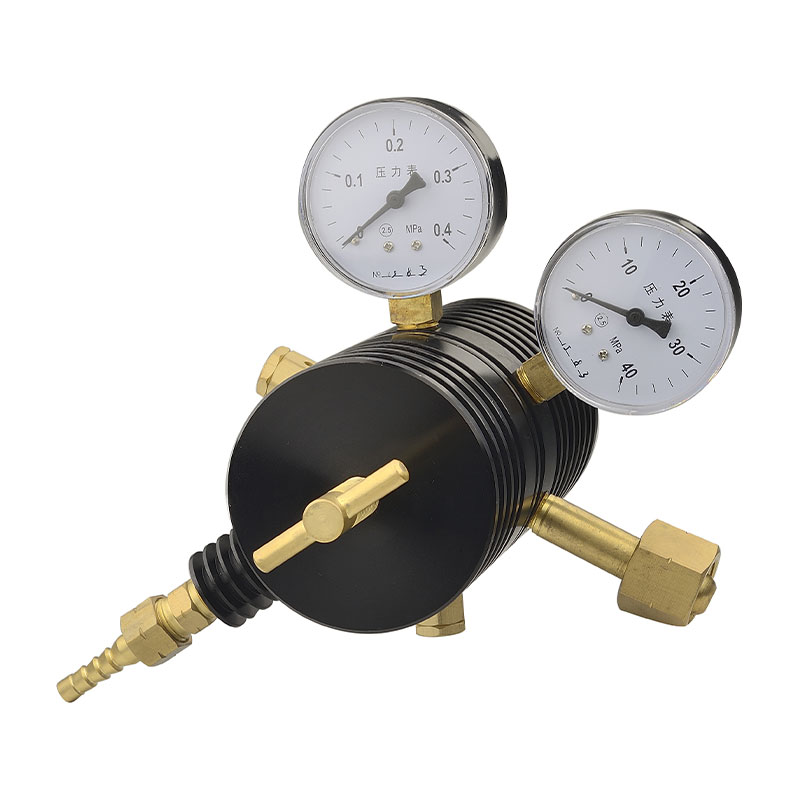 LR-101 Industrial Natural Gas Pipeline Pressure RegulatorThe LR-101 is a brass industrial natural gas regulator with a 10-200 psi adjustable outlet range and a maximum inlet pressure of 3000 psi. It features explosion-proof design and customizable connections, ideal for continuous operation in gas distribution systems.View Product →
For example, the LR102 pipeline natural gas pressure reducer is built for piping systems that need a compact, low-pressure solution. It is suitable for many residential and commercial gas lines where 2 psi outlet control is the target. Also consider the LR101 industrial natural gas pipeline pressure regulator if your installation demands a heavier duty body and higher reliability in continuous operation. LPG piping systems can also use the same 2 psi logic. The LR100 pipeline LPG pressure reducer is a dedicated low-pressure reducer for propane vapor lines, and it is a good fit when the regulator must handle the same low distribution pressure without losing capacity.
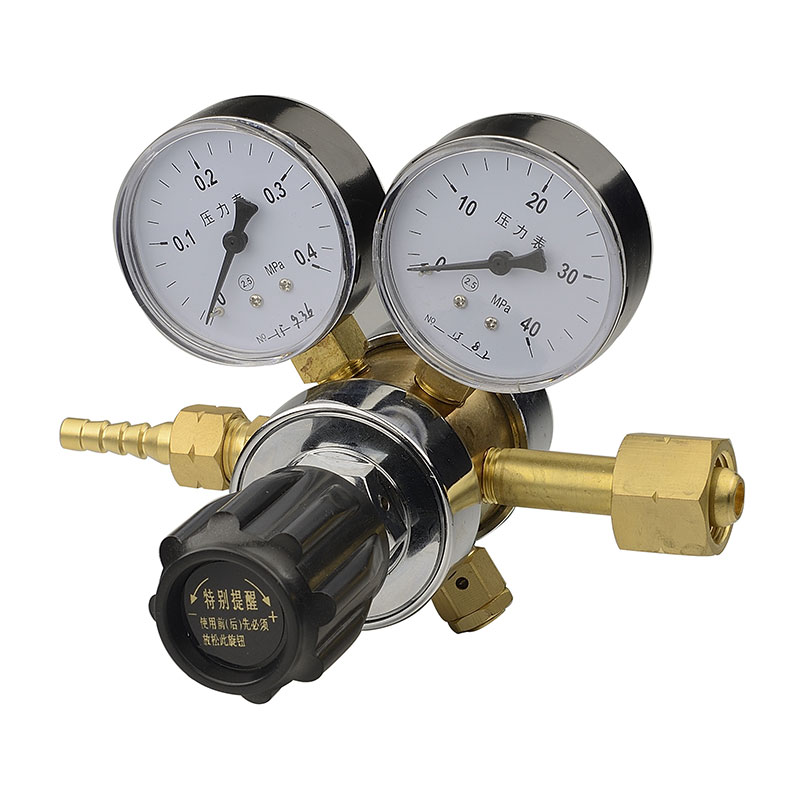 LR-100 Pipeline LPG Pressure Reducer for Propane Vapor LinesThe LR-100 is a brass LPG pressure reducer designed for industrial propane vapor lines. It provides stable low-pressure regulation with customizable threaded connections and pressure ranges, supporting efficient combustion and distribution in pipeline systems.View Product →
A Final Checklist for 2 PSI Gas Regulator Selection
Put the system requirements first: gas type, pipe length, appliance total demand, and the highest inlet pressure. Then compare regulator capacities, outlet pressure adjustment range, materials, and certifications. Finally, budget for a quality unit and regular inspection. A 2 psi gas regulator is not a component where you should sacrifice accuracy for price. The cost of a faulty regulator is measured in inefficient combustion, carbon monoxide risk, and downtime.
If you are designing a new gas train or replacing an undersized regulator for a 2 psi line, start by confirming the actual flow rate at the maximum load, not just the nominal rating. When in doubt, consult the manufacturer with your pipe diagram and appliance list. A well-matched regulator pays for itself in stable performance and lower maintenance.
Related products
-
-
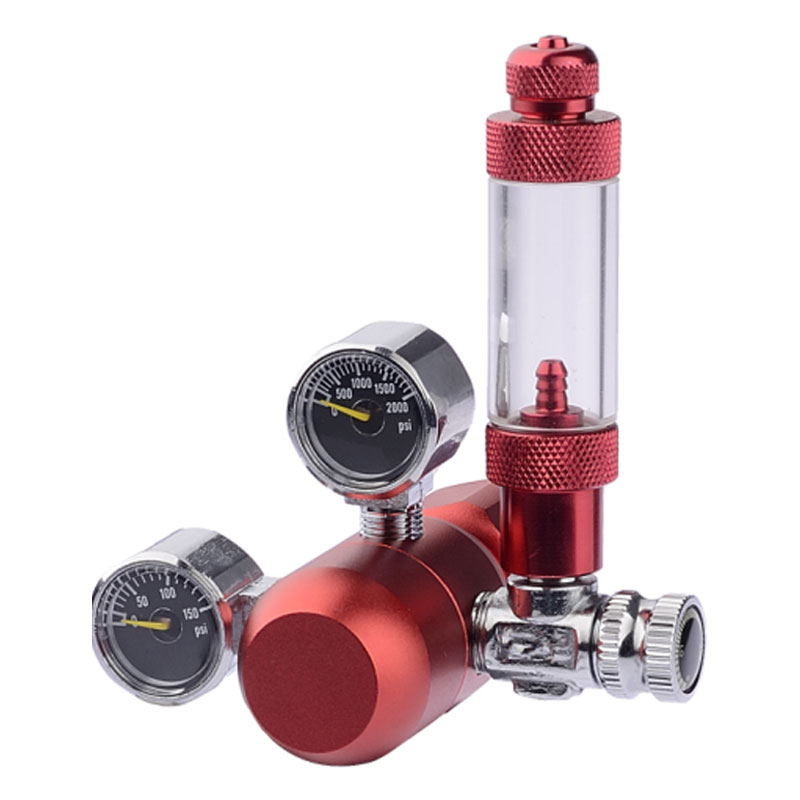
This digital CO2 regulator for aquarium systems provides stable gas support for aquatic plant landsc...
See Details -
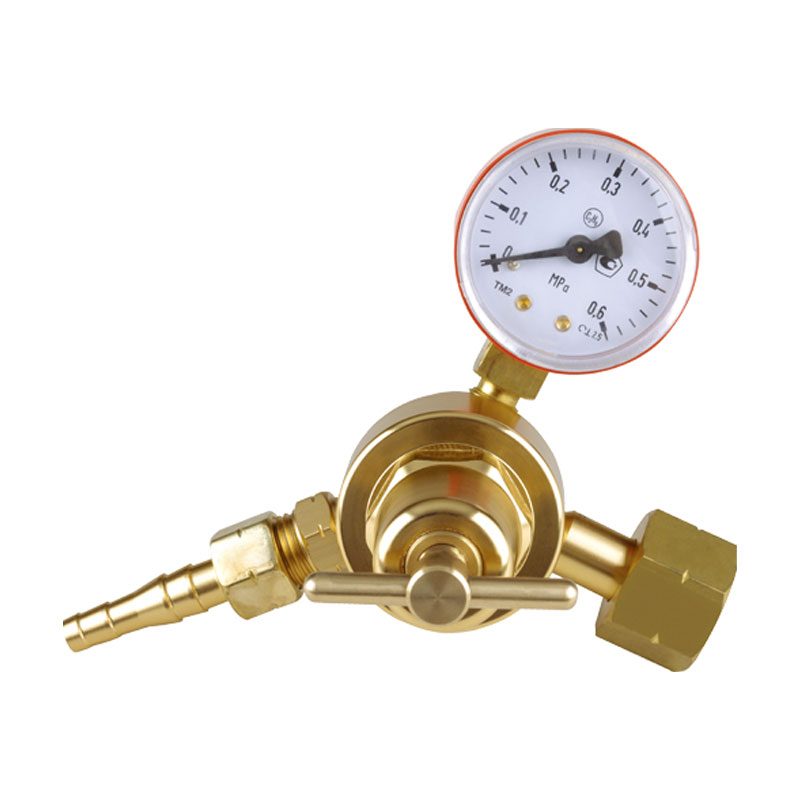
The LR-57A Economy LPG Gas Regulator is a pressure regulation device that focuses on providing great...
See Details -
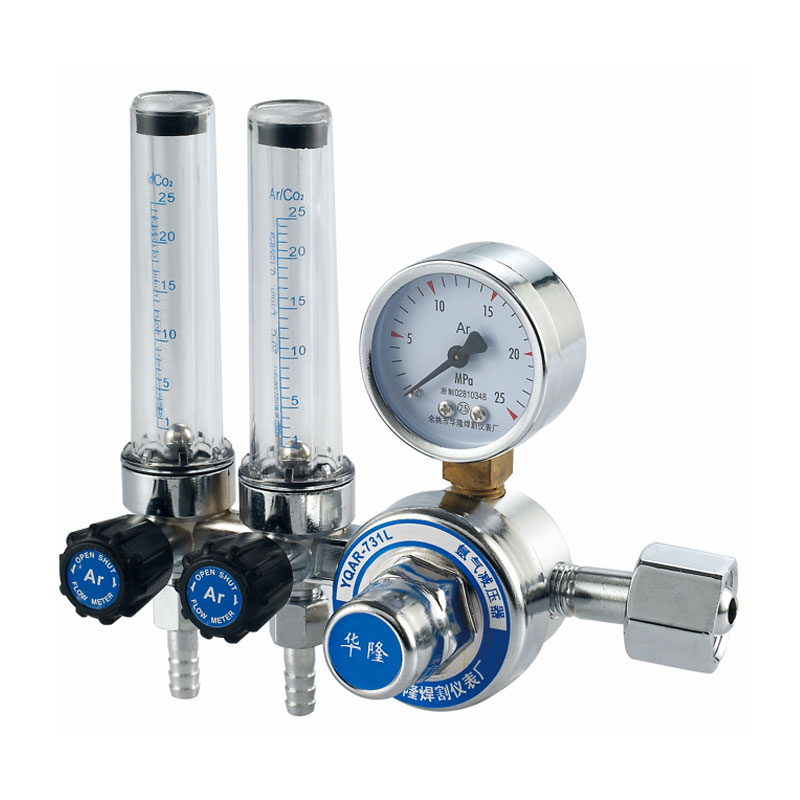
The ArR-01-2 High-Performance Argon Regulator is a pressure management device designed for precision...
See Details -
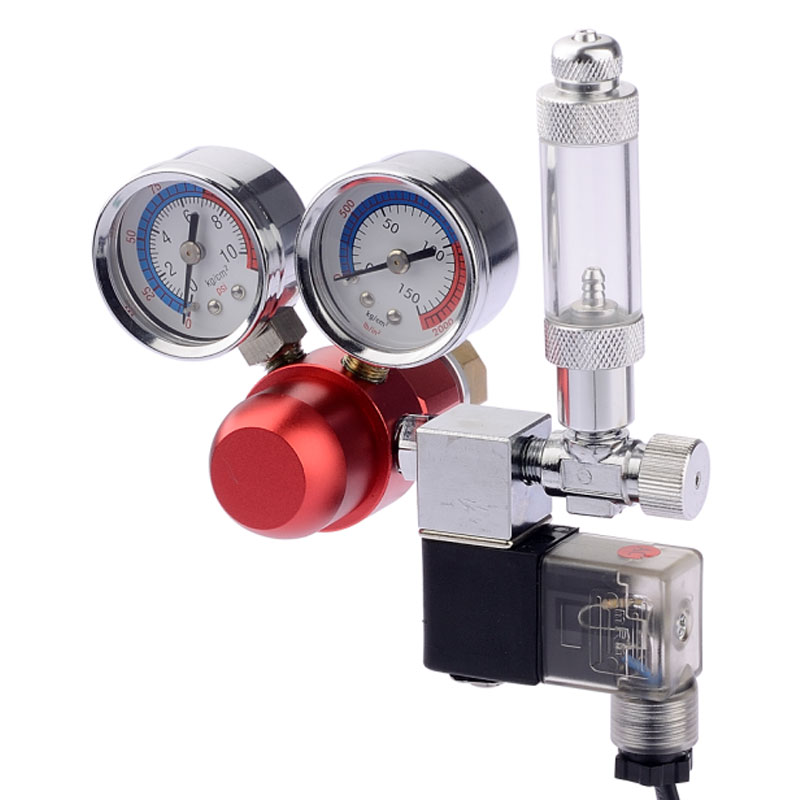
This aquarium CO2 regulator with dual pressure gauges and single bubble counter is designed specific...
See Details -
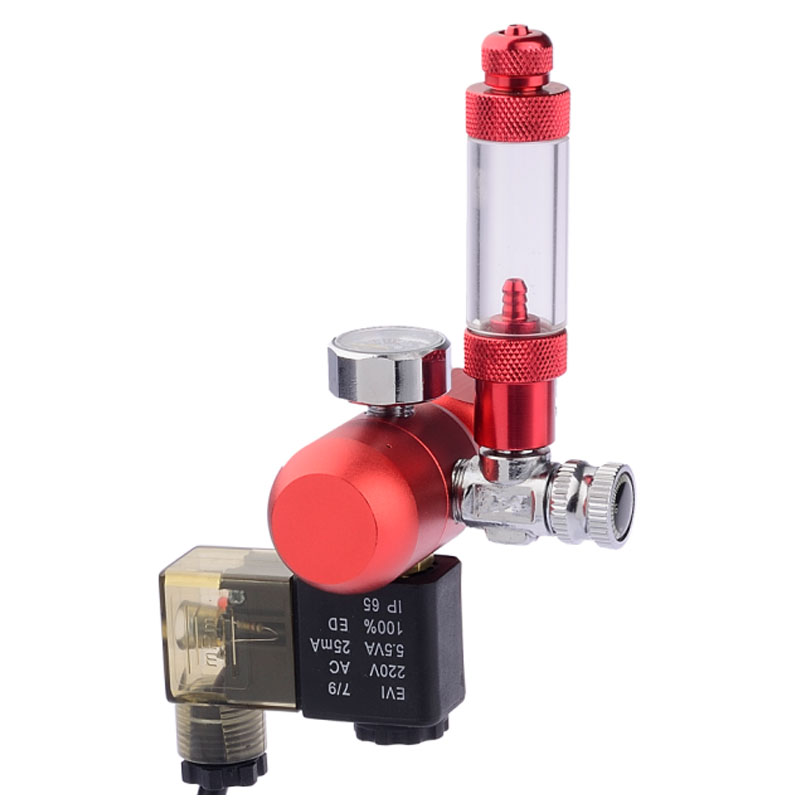
Aquarium CO2 Regulator's precision adjustment design provides accurate CO2 volume at LP 150 PSI / HP...
See Details -
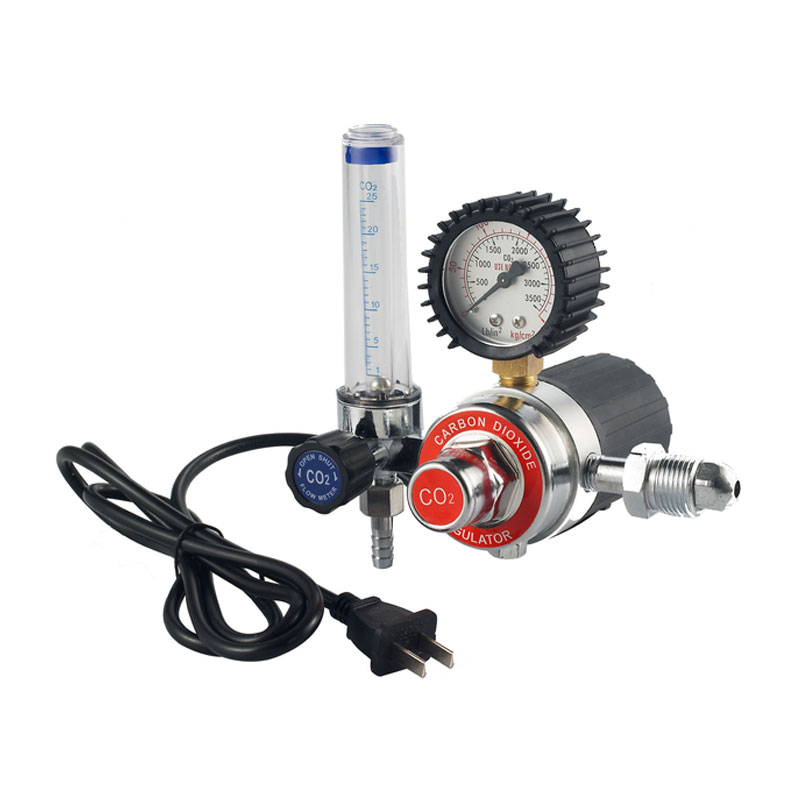
The JTR-01A High-Precision Carbon Dioxide Gas Regulator is designed for professional applications re...
See Details -
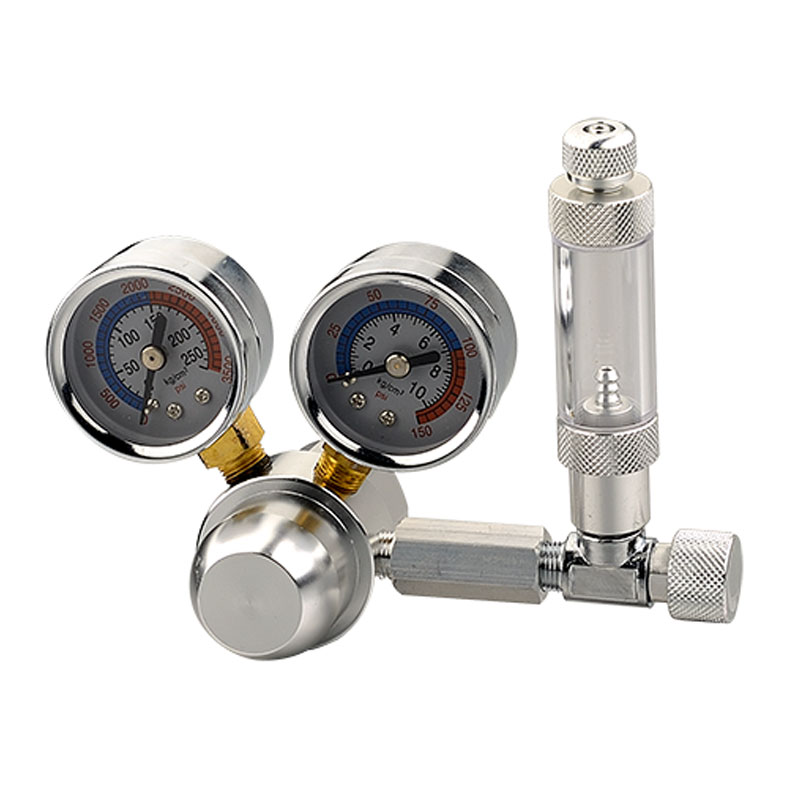
This compact CO2 regulator for aquarium plants is designed specifically for aquatic plant hobbyists ...
See Details

- PRODUCTS
- Pressure Regulator for Welding and Cutting
- Aquarium Pressure Regulator
- Beer and Beverage Pressure Regulator
- Pipeline Pressure Reducer
- CONTACT INFO
-
-
+86-180 6927 8236

-
[email protected]

-
No.1358,Tanjialing West Road, Lanjiang Street,Yuyao, 315400, Zhejiang

-
- MOBILE QR CODE

