

 English
  русский
  Español
 The OR-09 Customizable Pressure and Interface Oxygen Pressure Reducing Controller is designed for pr...
See DetailsOxy-Acetylene Cutting: How to Set Acetylene and Oxygen Regulator Pressure
Industry News-When a cutting operator complains about ragged cut edges, excessive slag, or a flame that keeps popping and dying, the first thing many troubleshooters check is torch tip size and cleaning. The more common culprit is actually upstream: the acetylene and oxygen pressure regulators. These small components take tank pressure that can exceed 2,000 psi for oxygen and roughly 250 psi for acetylene and step it down to the precise working range your cutting torch needs. If the regulator is wrong for the gas, the pressure drifts, or the delivery volume cannot keep up with a large cutting tip, no amount of torch adjustment will fix the cut. The right starting point is not to blame the torch but to verify the regulators and pressure settings.
Why Acetylene Oxygen Cutting Needs Precise Pressure Control
Oxy-acetylene cutting relies on a chemical reaction, not just a stream of hot gas. Steel is heated to its kindling temperature, then a jet of pure oxygen is directed at the hot metal. The oxygen combines with iron to form iron oxide, and the heat from this exothermic reaction melts and removes the metal along the cut line. This process depends on two variables: sufficient heat to reach kindling temperature and enough oxygen volume to sustain the oxidation reaction.
Acetylene fuel gas supplies the initial heating flame. Oxygen supports both the flame and the cutting jet. Both gases must arrive at the torch at the correct pressure and flow rate. Cylinder pressure in a full oxygen cylinder can reach 2,200 psi. Acetylene cylinders, which are filled with a porous mass and acetone to keep the gas stable, have a maximum allowable pressure around 250 psi and should never be used above that. Without a regulator, that pressure would destroy a cutting torch and create an unsafe condition. A pressure regulator reduces the cylinder pressure to a controlled outlet pressure and maintains it as the cylinder empties.
Standard Pressure Settings for Oxy-Acetylene Cutting
Pressure settings depend on the torch tip size and the thickness of the metal. For most general cutting work, the acetylene working pressure falls between 5 and 15 psi, while the cutting oxygen pressure is usually between 40 and 55 psi for a 3/8-inch hose and a medium cutting tip. A common starting point for 1/2-inch steel is 10 psi acetylene and 45 psi oxygen. Larger tips and thicker plate require more oxygen flow, not necessarily more acetylene pressure; acetylene pressure should not be raised much beyond 15 psi because acetylene becomes unstable at higher pressures.
| Material Thickness | Acetylene Pressure | Oxygen Pressure | Tip Size |
|---|---|---|---|
| Up to 1/4 inch | 5 to 8 psi | 35 to 40 psi | 0 or 1 |
| 1/4 to 1/2 inch | 8 to 10 psi | 40 to 45 psi | 1 or 2 |
| 1/2 to 1 inch | 10 to 15 psi | 45 to 55 psi | 2 or 3 |
| Over 1 inch | 12 to 15 psi | 55 to 70 psi | 4 or larger |
These figures are starting points. The manufacturer of your torch and cutting tip will provide a more detailed chart. The regulator must be able to deliver these pressures consistently while the torch is in operation. If the pressure drops when you pull the cutting lever, the regulator may be too small, damaged, or incorrectly set.
Selecting the Right Acetylene and Oxygen Regulators
Acetylene and oxygen must never use the same regulator. Acetylene regulators have a left-hand threaded connection to prevent cross-connection, and they are constructed with materials that are safe for acetylene service. An oxygen regulator must be cleaned for oxygen service and uses a right-hand thread. The two are not interchangeable, and using the wrong regulator is a serious safety hazard.
When selecting an acetylene regulator for cutting work, look for three things: a stable outlet pressure across the flow range, a pressure gauge that is easy to read and accurate, and a body that can handle the duty cycle. For high-volume cutting jobs, a regulator with a larger diaphragm and a high-flow body will maintain pressure better than a light-duty model. If you are doing continuous cutting, the regulator should not freeze up or allow pressure creep. A high-stability welding and cutting acetylene regulator is a strong option for this kind of duty.
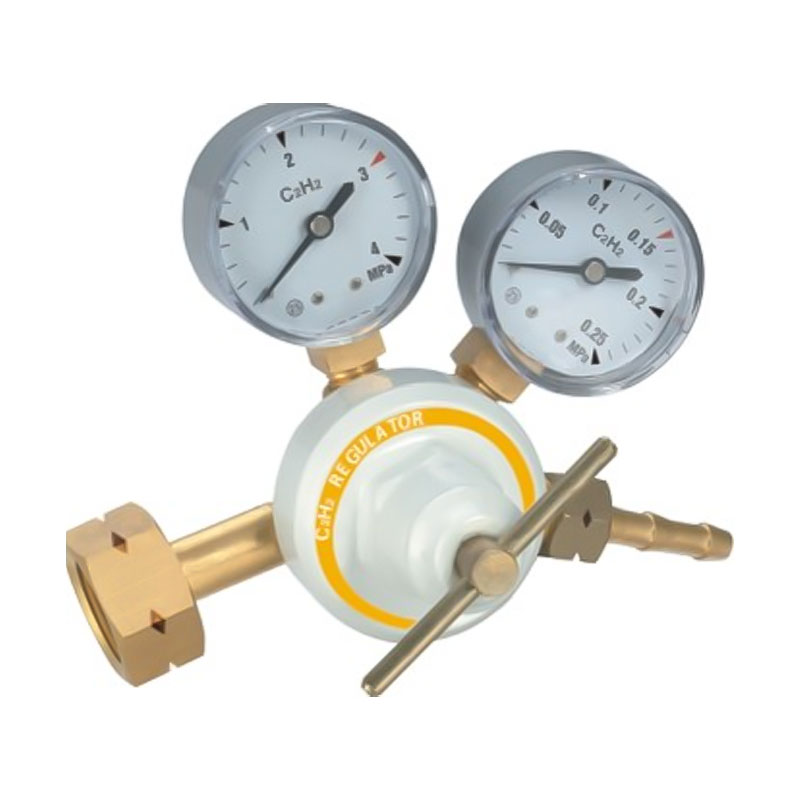 AR-56 High-Stability Welding and Cutting Acetylene RegulatorFor continuous cutting, this acetylene regulator maintains steady outlet pressure across varying cylinder pressures. Its robust construction and large diaphragm prevent freeze-up and pressure creep, ensuring consistent flame and reliable operation.View Product →
For oxygen, the same logic applies. The cutting oxygen jet needs an uninterrupted, high-volume supply at 40 to 70 psi. A regulator that restricts flow or spikes pressure will cause inconsistent cuts and wasted gas. An oxygen regulator with a continuous operation rating and a robust body is a safer choice for high-duty cutting.
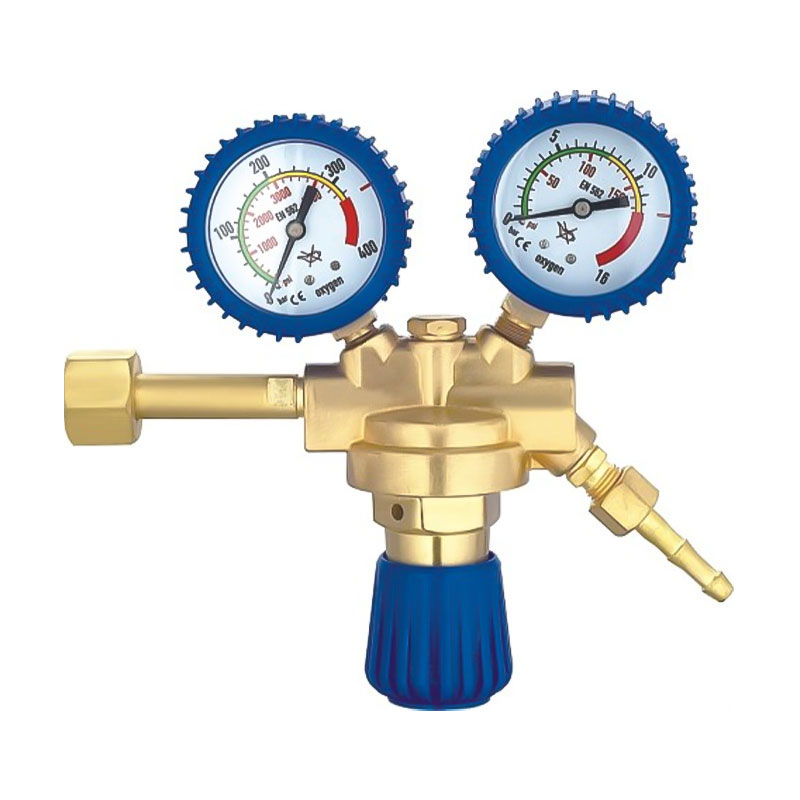 OR-07A Continuous Operation Oxygen Pressure Control RegulatorThis oxygen regulator delivers stable output from high inlet pressures, with a durable design for extended use. Its precise adjustment and leak-resistant connections support uninterrupted cutting, reducing waste and improving cut quality.View Product →
Single-Stage vs. Two-Stage Regulators
A single-stage regulator reduces pressure in one step. As the gas in the cylinder is used, the outlet pressure can drift slightly because the inlet pressure changes. A two-stage regulator uses two pressure reduction steps and provides a more stable outlet pressure over the life of the cylinder. For oxy-acetylene cutting, a two-stage regulator is often worth the extra cost if you run long jobs or use large cylinders. The stable pressure translates into a calmer flame and more consistent cut quality.
Before buying, check the output pressure range, the inlet connection type, whether the gauges are marked for the correct gas, and whether the body is made of forged brass or a durable alloy. Read this guide on choosing the right acetylene pressure regulator for more detail. You can also browse the full line of acetylene pressure regulators to compare models with different pressure ranges and flow capacities.
Common Regulator Mistakes and Purchase Risks
The most common mistake is using an adjustable regulator intended for a different gas. A CO2 regulator may fit on an acetylene bottle by accident, but its materials and pressure range are not suitable for acetylene. This can lead to internal damage or uncontrolled pressure. Another frequent issue is selecting a regulator with too narrow a pressure range. For example, a regulator with a maximum outlet pressure of 30 psi might be fine for a small torch but will not provide enough oxygen pressure for a heavy cutting job.
Pressure creep is another problem. A regulator that creeps will slowly increase the outlet pressure after you set it. This can cause the acetylene pressure to rise above the 15 psi safety limit and lead to an unstable flame or flashback risk. If you see the needle drift upward over a few minutes, replace the regulator or have it serviced. Also, do not use a regulator that shows signs of oil or grease on the connections. Oxygen regulators must be free of hydrocarbons because oxygen under pressure reacts violently with oil and grease.
When buying, purchase from a supplier who offers both acetylene and oxygen regulators that match your typical work. If you often cut thick steel, spend more on a high-flow oxygen regulator. If your work is intermittent and light, a compact and economical regulator may be enough. Consider whether you need fixed gauges or allow for customization, since some cutting tables and factory installations require specific interface threads.
Maintenance and Safety Checklist
- Check regulator gauges before each shift for damage or cracked lenses.
- Verify that the acetylene regulator hose is connected to the acetylene cylinder and the oxygen regulator to the oxygen cylinder.
- Open cylinder valves slowly and stand to the side when pressurizing.
- Never use grease or oil on oxygen regulator fittings.
- Purge the lines before lighting the torch by briefly opening each hose at the torch end.
- Inspect the diaphragm housing for leaks using a leak-detection solution.
- After use, close the cylinder valves and bleed the pressure from the regulators and hoses.
These steps take only a few minutes but prevent the most common accidents. A regulator that is cared for will deliver consistent pressure for many years.
The Bottom Line
Oxy-acetylene cutting still depends on old-fashioned, reliable hardware. A cutting torch is only as good as the pressure delivered to it. Set the acetylene between 5 and 15 psi and oxygen between 35 and 70 psi depending on tip size and material thickness, then check that the readings hold steady under full flow. Choose regulators that are rated for the gas, sized for the job, and built for continuous operation when needed. With the right acetylene and oxygen regulators in place, clean cuts, safe operation, and consistent gas consumption become much easier to achieve.
Related products
-
-

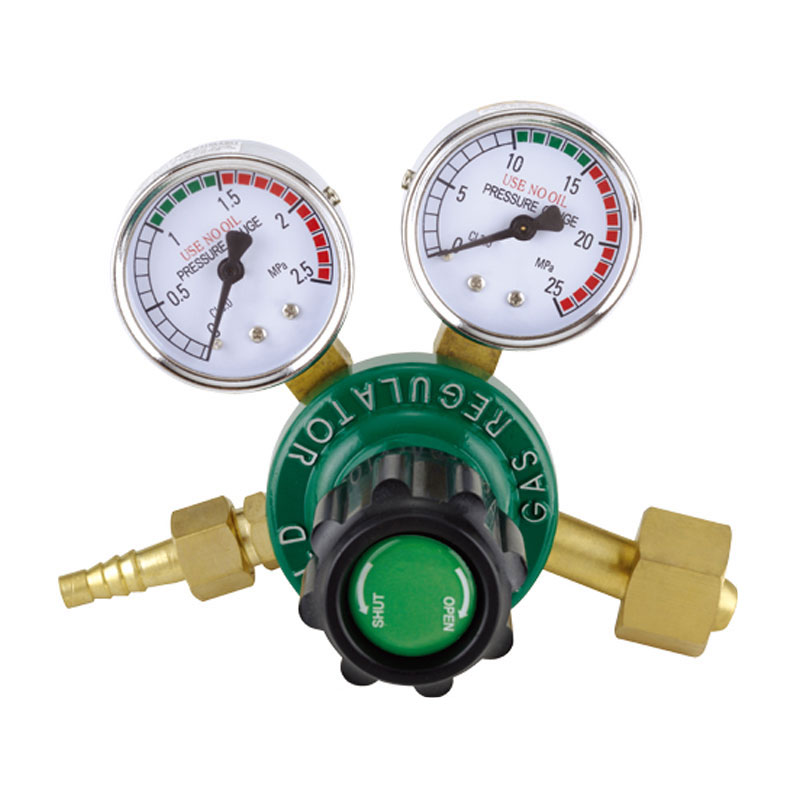
The AR-56 High-Stability Welding and Cutting Acetylene Regulator is designed with a focus on pressur...
See Details -
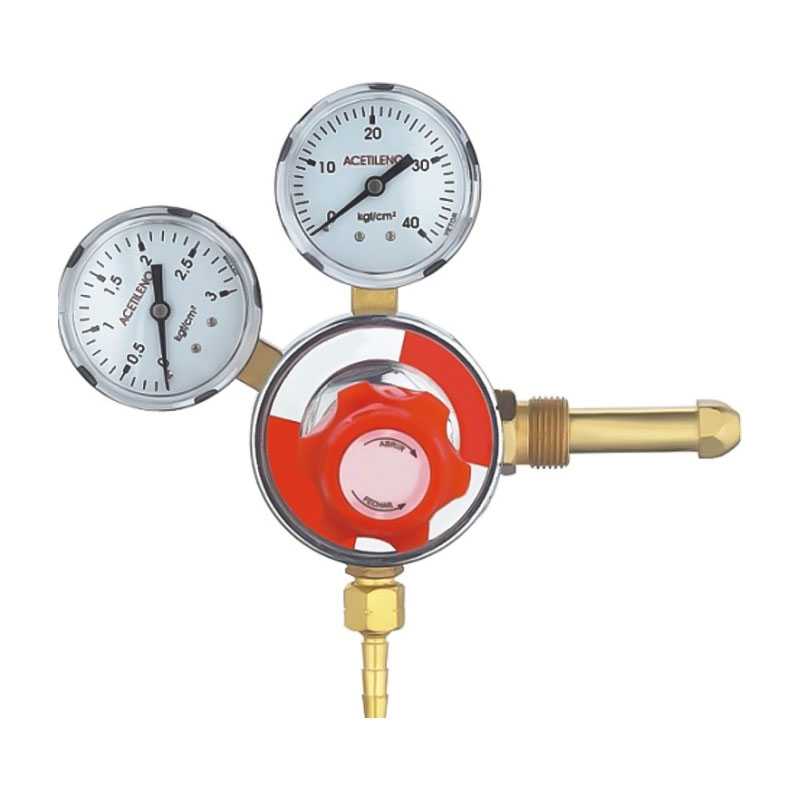
The AR-59 Precision Acetylene Pressure Regulator is a professional device designed for industrial we...
See Details -
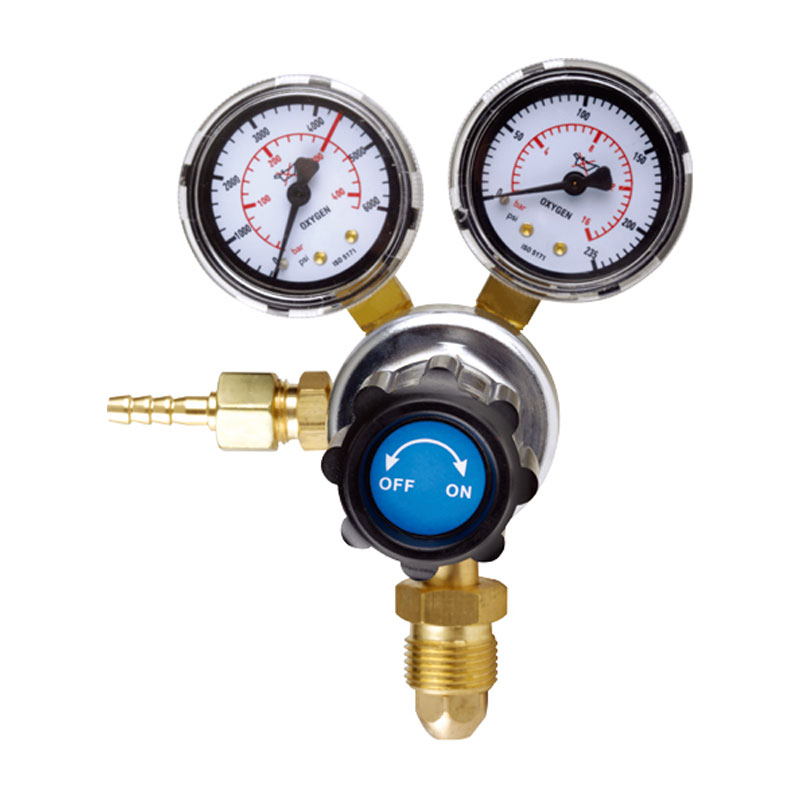
The OR-13 high-pressure precision oxygen regulator is designed specifically for high-pressure applic...
See Details -
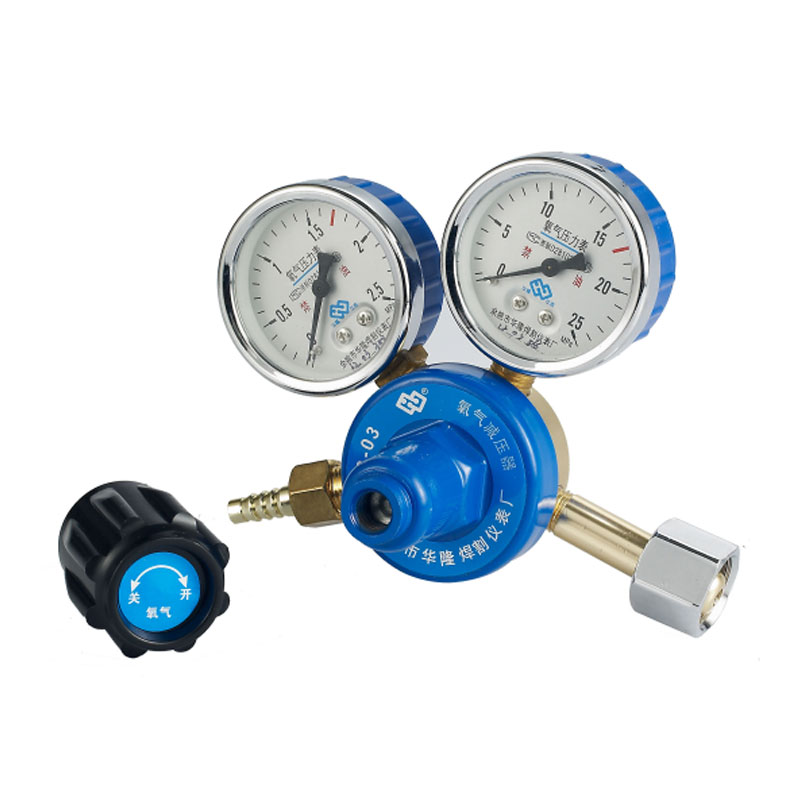
The OR-03 Precision Pressure Management Oxygen Regulator is a professional oxygen pressure reducing ...
See Details -
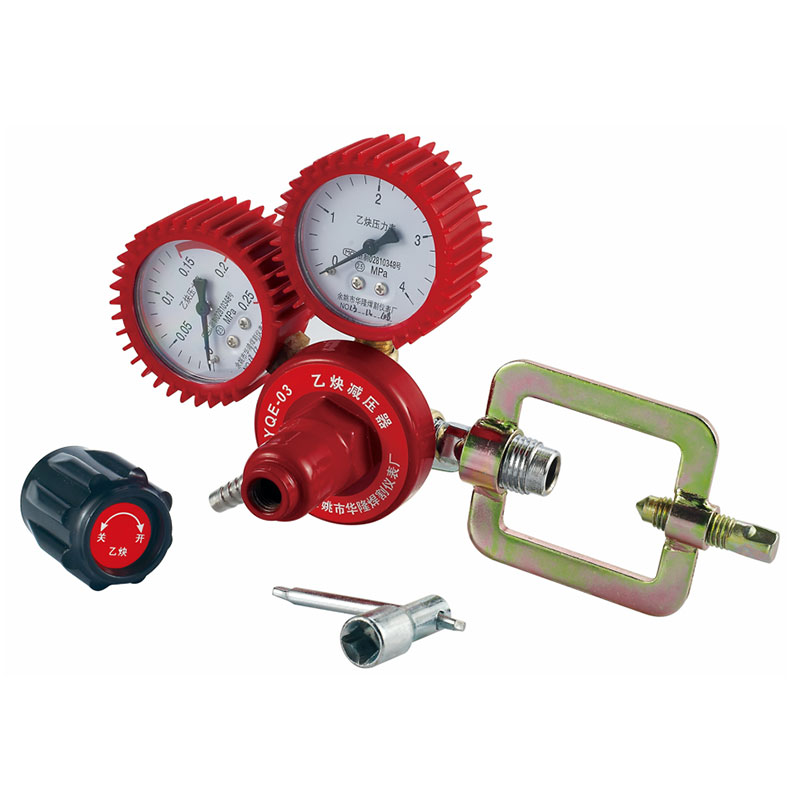
The AR-02 Acetylene Gas Regulator is a pressure control device designed for use with acetylene gas, ...
See Details -
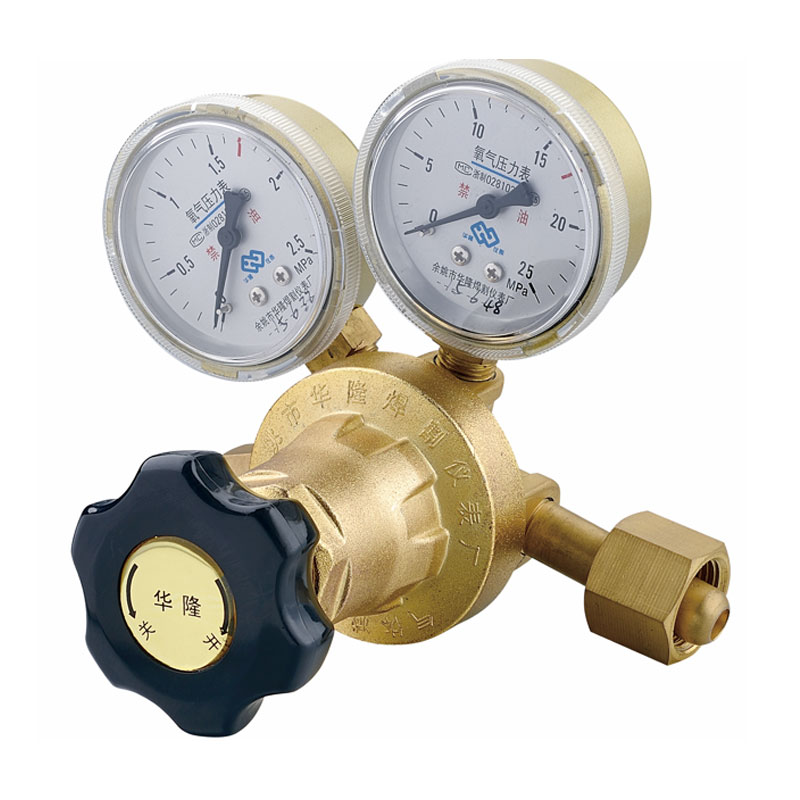
The OR-16 high-performance continuous supply oxygen pressure regulator is suitable for a variety of ...
See Details -
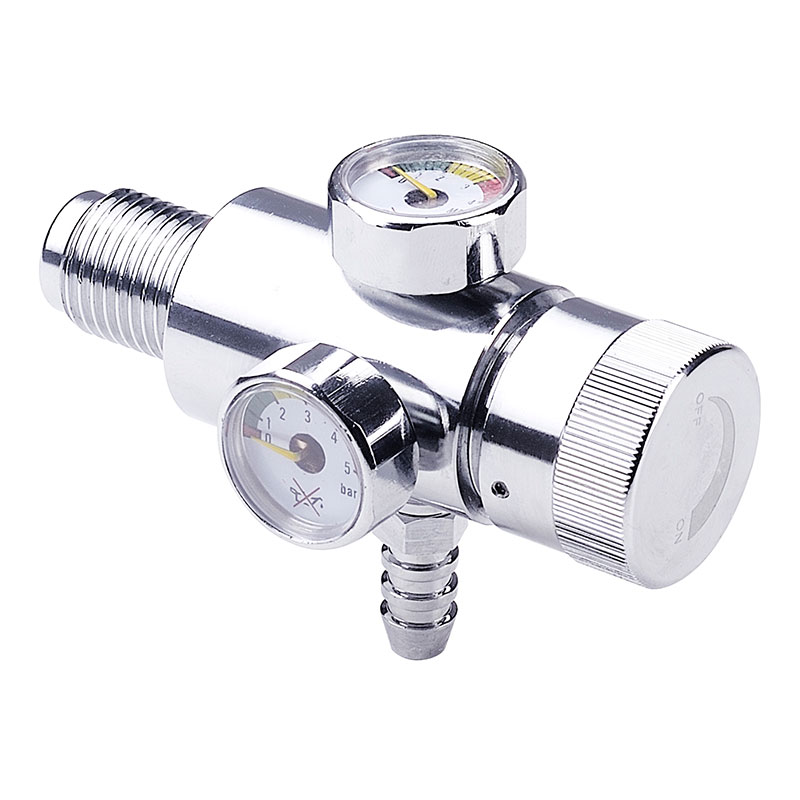
The AR-19 Durable Industrial Acetylene Regulator utilizes a scientifically designed gas path to achi...
See Details

- PRODUCTS
- Pressure Regulator for Welding and Cutting
- Aquarium Pressure Regulator
- Beer and Beverage Pressure Regulator
- Pipeline Pressure Reducer
- CONTACT INFO
-
-
+86-180 6927 8236

-
[email protected]

-
No.1358,Tanjialing West Road, Lanjiang Street,Yuyao, 315400, Zhejiang

-
- MOBILE QR CODE

