

 English
  русский
  Español
 This aquarium CO2 regulator with dual pressure gauges and single bubble counter is designed specific...
See Details2nd Stage Gas Regulator Guide: What It Does, Where to Use It, and How to Choose
Industry News-Picture this: you are running a welding torch, and the flame starts to crawl across the nozzle every time another operator taps a fresh cylinder. The flow rate from a single-stage gas regulator drifts because the cylinder pressure falls from high to low during use. That is exactly the problem a 2nd stage gas regulator is built to solve. The conclusion first: if you need a consistent outlet pressure as the cylinder empties, you need a two-stage design or a dedicated second-stage regulator.
What a 2nd stage gas regulator actually does
A gas cylinder stores gas at a very high pressure. The regulator's job is to convert that high, changing pressure into a lower, stable working pressure. A two-stage regulator splits this into two separate steps. The first stage takes the full cylinder pressure and drops it to an intermediate value. The second stage takes that intermediate pressure and fine-tunes it to the exact pressure your tool or equipment needs.
Because the second stage receives a relatively steady inlet pressure from the first stage, it does not have to work as hard to compensate for pressure swings. The result is a much more stable outlet pressure across the life of the cylinder. This is not just a marketing claim; it is a measurable difference in how the torch, pump, or valve behaves.
Think of it this way: if a full oxygen cylinder reads 2000 psi and your working pressure is 50 psi, a two-stage regulator might drop that 2000 psi down to about 150 psi first. The second stage then adjusts the 150 psi to 50 psi. The 150 psi level is still far above the torch requirement but low enough that the final stage can react quickly without being overwhelmed by huge pressure differences. Once the cylinder drops to 500 psi, the first stage still holds something close to 150 psi, so the second stage continues to see a familiar, stable input.
Single-stage vs. two-stage: what the numbers say
To understand the value of a 2nd stage gas regulator, it helps to compare the two designs across the parameters that matter in daily operation.
| Parameter | Single-stage | Two-stage |
|---|---|---|
| Outlet pressure stability | Drops as cylinder pressure falls | Remains close to the set point |
| Re-adjustment frequency | Frequent manual adjustments | Rarely needs attention |
| Suitable inlet pressure range | Narrower | Wide |
| Best suited for | Constant supply pressure or short sessions | Long operations, precise processes, or varying cylinder pressure |
The difference becomes visible when the cylinder is nearly empty. A single-stage regulator will start to deliver a lower outlet pressure unless you turn the adjustment knob. That means the operator has to keep an eye on the gauge and correct the setting. A two-stage regulator, on the other hand, is designed to be left alone. The outlet pressure stays close to the set point, so the operator can focus on the work instead of the regulator.
Where a 2nd stage regulator matters most
Welding and cutting
In oxy-fuel cutting and welding, the flame characteristics depend on a stable gas flow. If the acetylene or oxygen pressure drifts, the preheat flame becomes too long or too short, and the cut quality suffers. A two-stage regulator keeps the delivery pressure steady from a full cylinder down to the last usable gas. For continuous fabrication jobs such as pipe welding, that consistency reduces rejects and saves gas.
When a second stage is used, the outlet pressure can be held within a tight tolerance. The operator sets the torch once and can return to it after several cylinders. This matters in production settings where every second spent adjusting a flame is a second lost on the production line.
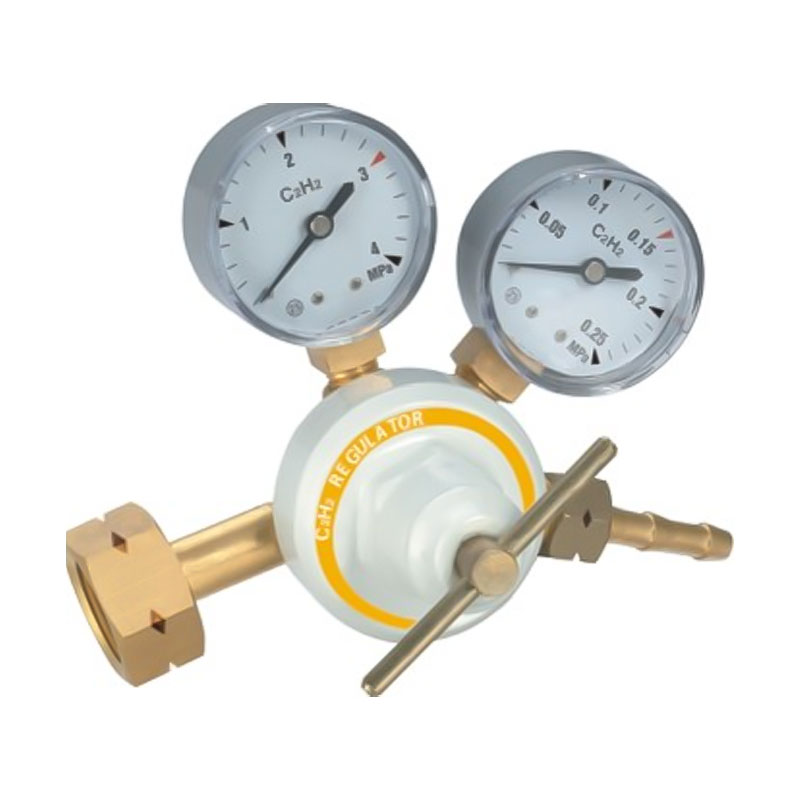 High-Stability Acetylene Regulator for Welding and Cutting OperationsThe AR-56 regulator offers precise acetylene pressure control for welding and cutting, with adjustable output to 40 kg/cm² and robust construction. Its two-stage capability ensures consistent flame management, improving reliability and efficiency in industrial metalworking environments.View Product →
Beer and beverage carbonation
Carbonation is a pressure-driven process. When a CO2 cylinder is full, the pressure is high; as it empties, the pressure falls. If you rely on a single-stage regulator, the carbonation level in the beer or soda changes slightly with every pressure shift. A second-stage regulator holds the CO2 pressure at a constant value, so each keg gets the same dissolved CO2 content.
This is especially noticeable in a busy bar or a small brewery that goes through several cylinders a week. The first glass drawn after a fresh cylinder is not supposed to taste different from the last glass drawn before a swap. With a two-stage regulator, the pressure range across the whole cylinder is compressed to a narrow band, and the beverage stays consistent.
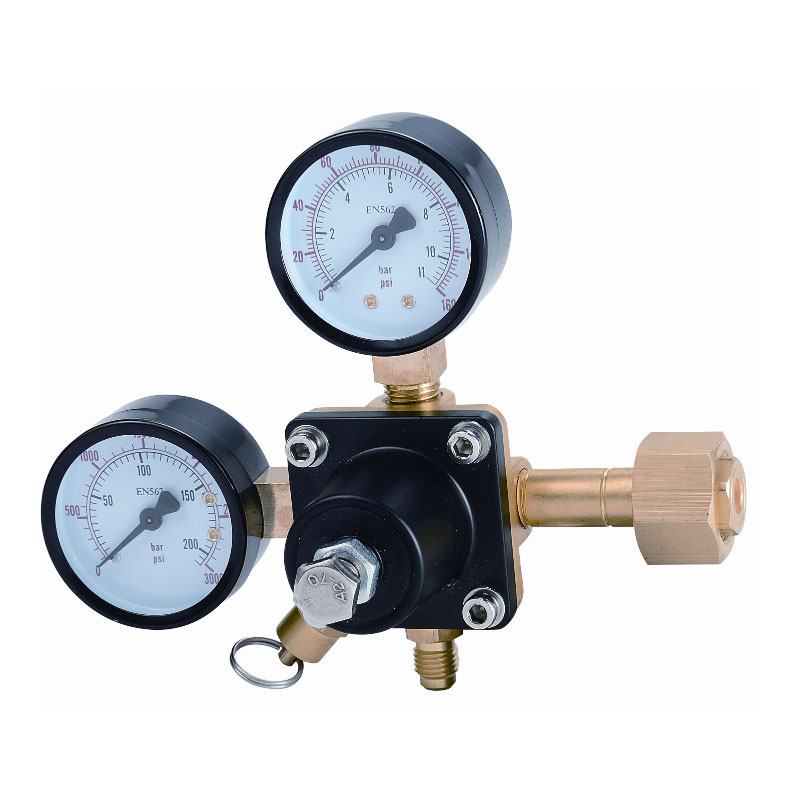 Customizable Beer CO2 Pressure Reducer for Stable DispensingThe TR-63 is an all-copper CO2 regulator designed for beer dispensing systems, featuring customizable inlet and outlet connections. It maintains consistent carbonation by stabilizing pressure from full to empty cylinders, ensuring every glass tastes the same regardless of cylinder pressure changes.View Product →
Aquarium CO2 injection
For a planted aquarium, stable CO2 concentration keeps the pH in a safe range. If the gas delivery pressure rises or falls, the bubble count changes and the plants can suffer. A two-stage regulator gives the CO2 solenoid a consistent input pressure, making the bubble counter more reliable. Digital models add an extra layer of control by showing the exact working pressure.
Many planted-tank enthusiasts start with a single-stage regulator and then upgrade when they see the bubble rate drift between refills. The second stage becomes a basic requirement for anyone who wants to run CO2 injection over a long period without constant checking.
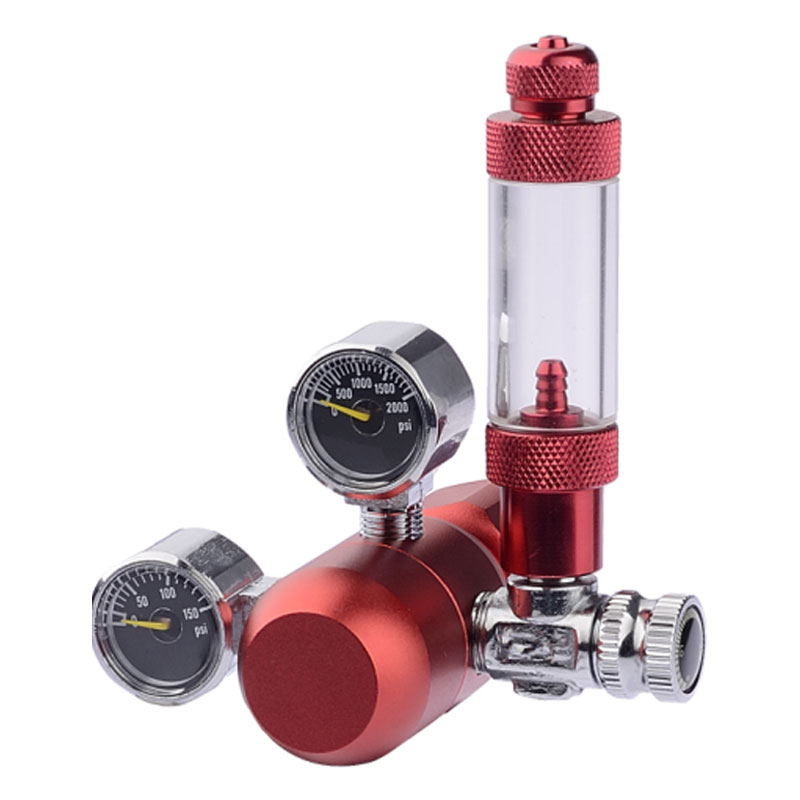 Digital CO2 Regulator for Precise Aquarium InjectionThe ST-03 digital regulator provides accurate CO2 delivery for planted aquariums, with a clear digital display for easy monitoring. It handles up to 1500 PSI inlet pressure and offers stable output, making it ideal for long-term CO2 injection where consistent bubble rates are essential for plant health.View Product →
Pipeline gas distribution
In central supply systems, pipeline pressure reducers are often arranged in stages. A two-stage configuration protects downstream valves, flow meters, and consumable equipment from sudden pressure spikes and gradual drops. This is especially important when multiple endpoints draw gas at different times. Industrial installations that use central oxygen or natural gas often adopt a two-stage approach to keep the delivery pressure within safe operating limits.
How to choose the right 2nd stage regulator
Selecting the right regulator is not simply about buying the component with the most accurate-looking gauge. You need to match the regulator to your actual operating envelope.
- Match the inlet pressure. The regulator must handle the full range of your cylinder or pipeline pressure, not just the nominal value. If your supply pressure can reach 3000 psi, do not settle for a regulator rated for 2000 psi.
- Define the outlet pressure and adjustment range. Know the exact working pressure your torch, beverage line, or CO2 system needs. For a given process, the outlet range should give you enough headroom to fine-tune the flow.
- Check the flow capacity. A regulator that cannot deliver the required cubic feet per hour at the set pressure will cause starvation. Look at the flow curve, not just the maximum pressure rating.
- Select materials and connections for the gas. Acetylene systems require brass bodies rather than copper, and your interface may be a threaded fitting, a ball valve, or a custom adapter. The wrong material or thread can create a leak path.
- Ask about customization. Many suppliers can adapt the body, gauge orientation, or connection style to match your existing equipment. For welding-specific choices, our guide to choosing an acetylene pressure regulator walks through the most common pitfalls.
For a broader overview of the options available, you can also browse our full range of welding and cutting pressure regulators to see how the same basic pressure-reducing idea is applied across different gases and duty cycles.
Procurement risks to avoid
When you source a 2nd stage gas regulator, you are not just buying a pressure-reducing valve. You are choosing a component that affects process repeatability and safety. Common mistakes include:
- Buying a single-stage regulator and expecting it to behave like a two-stage unit when the cylinder pressure changes. The construction is different, and the performance will not be the same.
- Selecting a regulator with a flow rating far below the actual demand. This often leads to freezing at the outlet or pressure drop at the tool.
- Mixing materials that are incompatible with the gas, such as using copper components in an acetylene application. This is a direct safety hazard.
- Ignoring the relief function. A second-stage regulator downstream of a first stage can trap pressure between the two stages if the second stage has no vent. You need to know how the intermediate chamber is protected.
- Treating a second-stage regulator as a service-free item. Regular inspection and replacement of internal seats and diaphragms are necessary for long-term reliability.
A 2nd stage gas regulator is not always the answer for every gas application, but it becomes necessary when you need stable output pressure across a changing inlet pressure. In welding, beverage carbonation, aquarium CO2, and pipeline distribution, the difference between a flame that stays put and a carbonation level that stays consistent is often a second stage that does its job.
Choose the regulator based on your actual inlet pressure, outlet pressure, and flow demand. Work with a supplier who can provide the right materials and connection options for your gas. If you make that selection deliberately, the second stage will quietly keep your process stable for years.
Related products
-
-

The AR-56 High-Stability Welding and Cutting Acetylene Regulator is designed with a focus on pressur...
See Details -
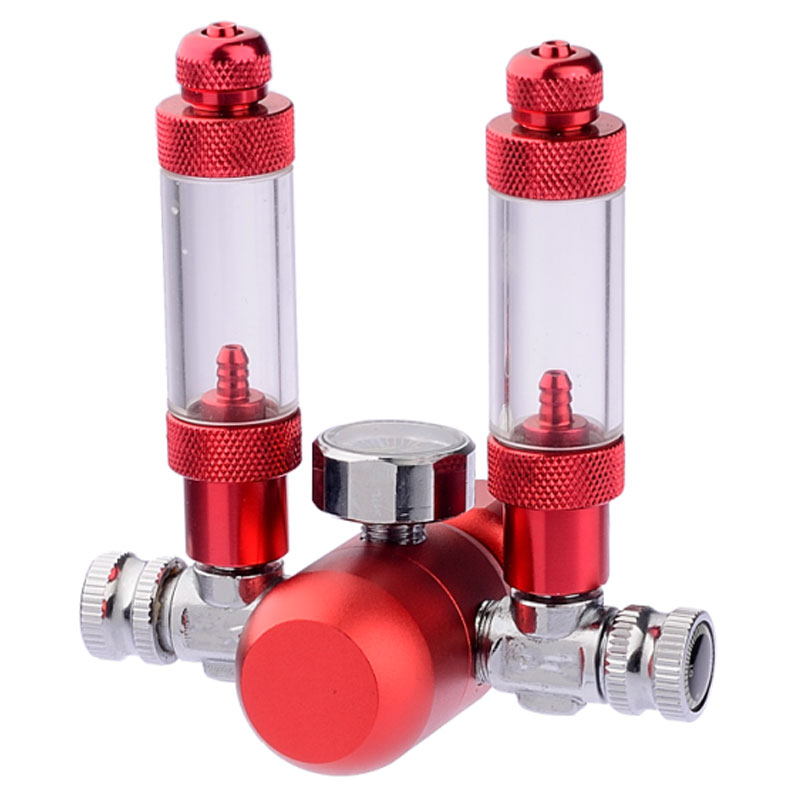
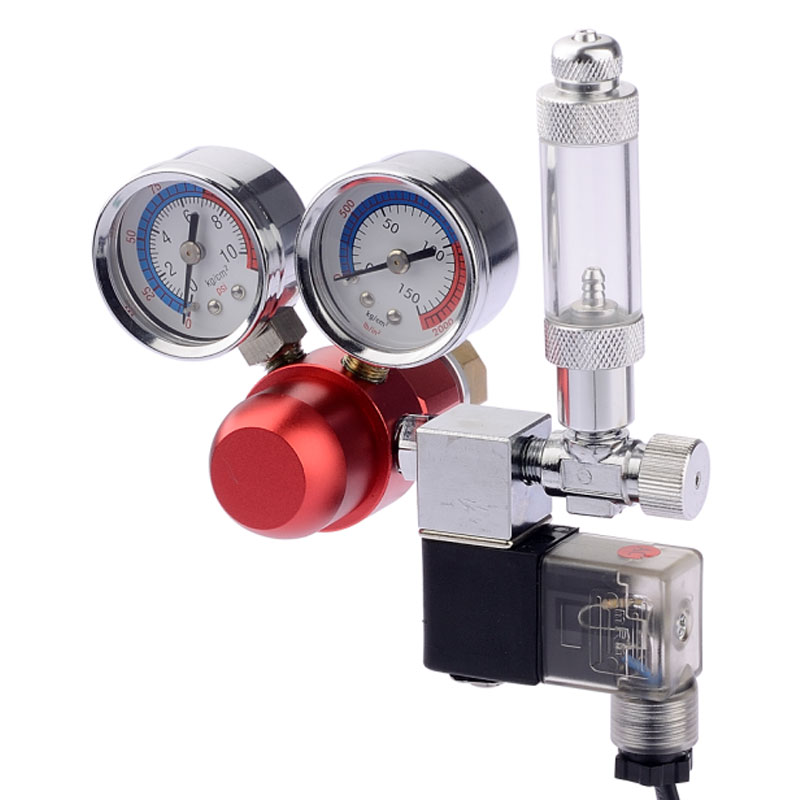
This environmentally friendly dual-gauge CO2 aquarium pressure regulator is designed for aquatic pla...
See Details -
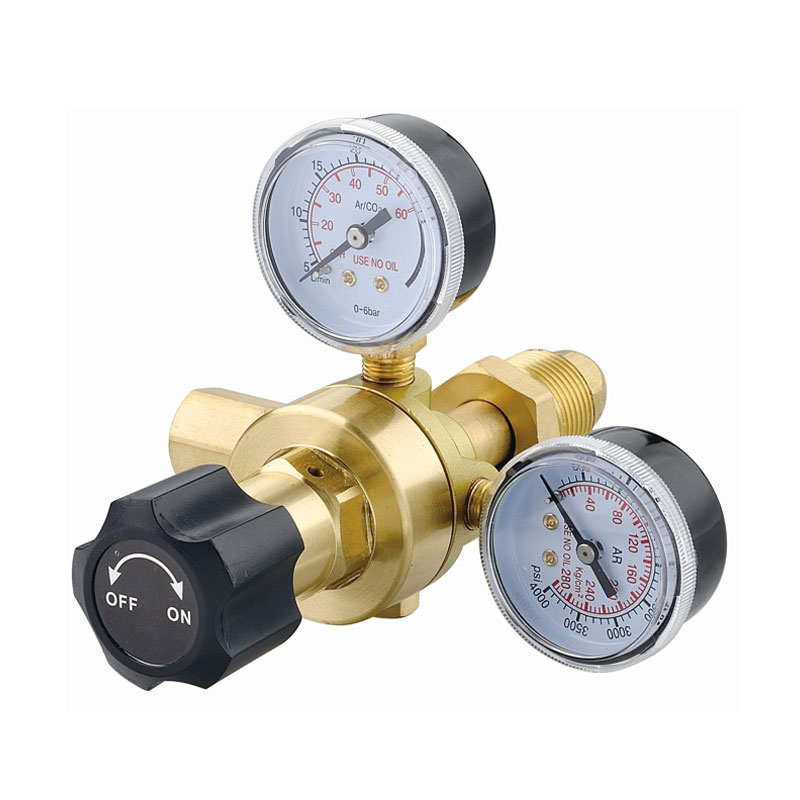
The ArR-192 Industrial Welding Argon Regulator is a pressure regulation device specifically designed...
See Details -
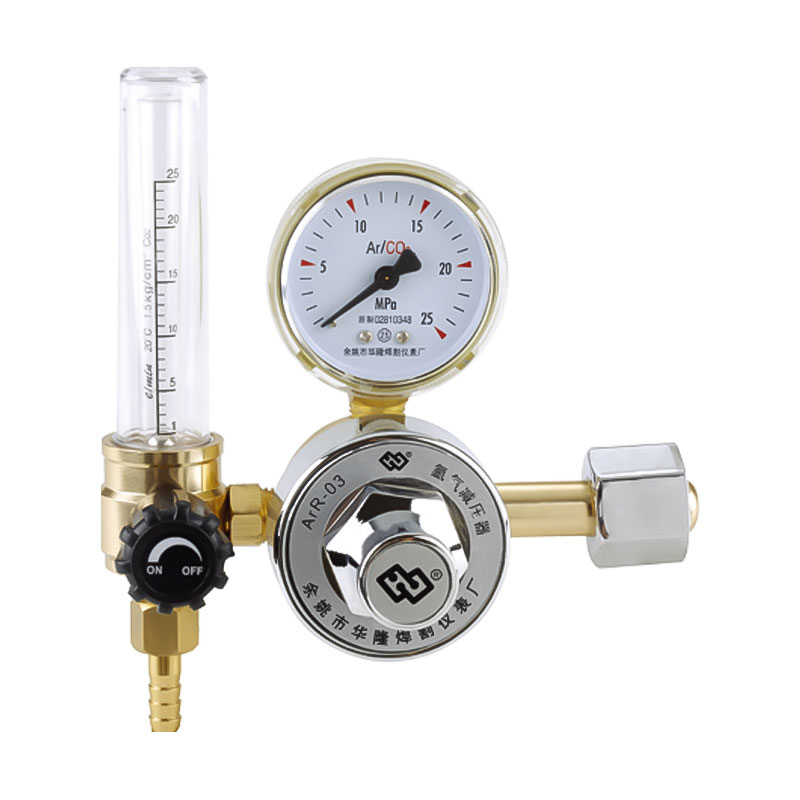
The ArR-02 Industrial Constant-Pressure Argon Regulator is a pressure management device designed for...
See Details -
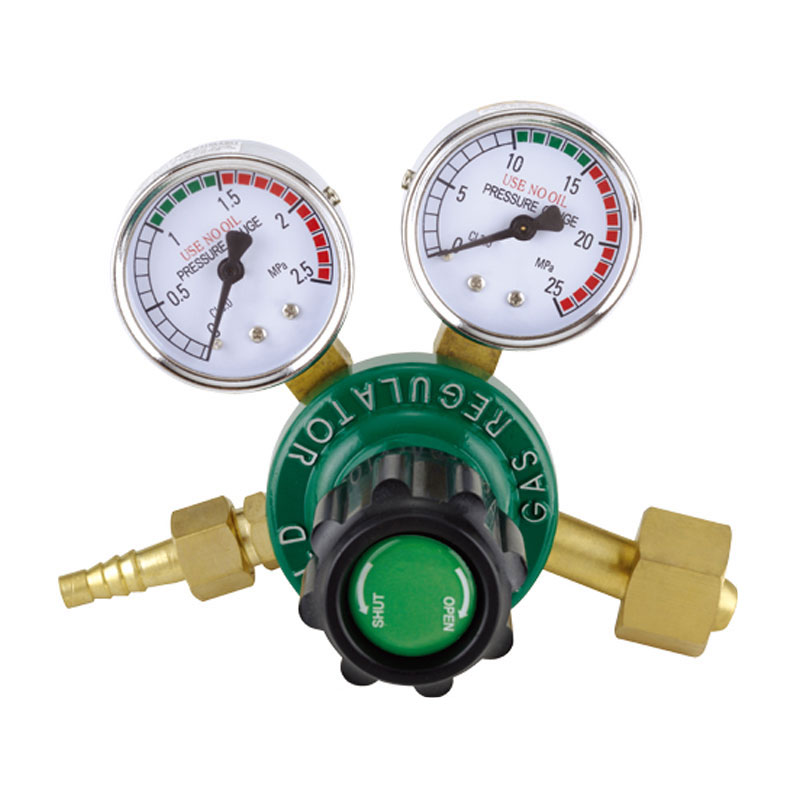
The OR-09 Customizable Pressure and Interface Oxygen Pressure Reducing Controller is designed for pr...
See Details -
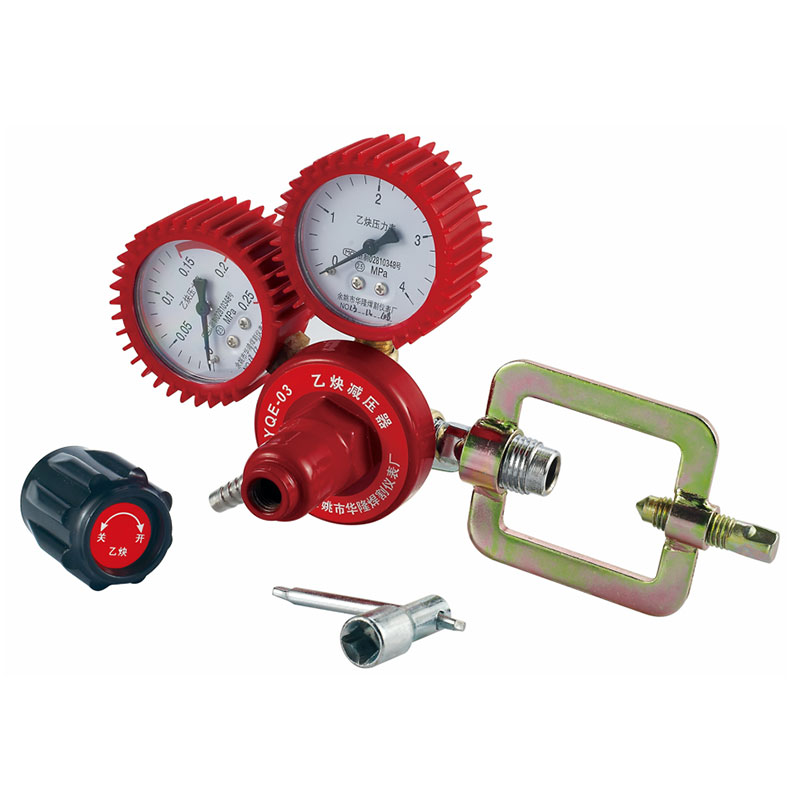
The AR-02 Acetylene Gas Regulator is a pressure control device designed for use with acetylene gas, ...
See Details -
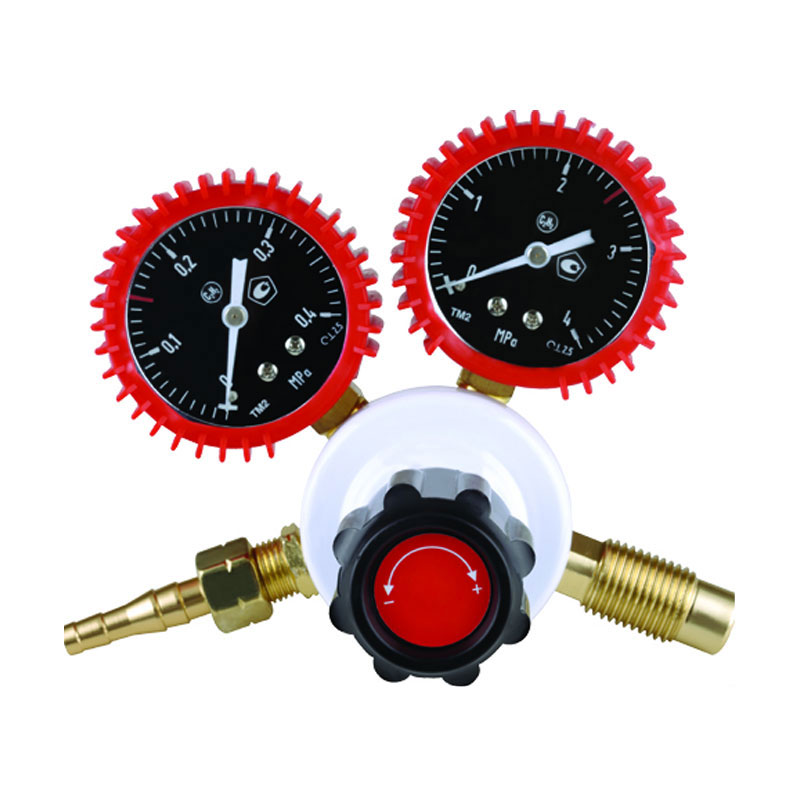
The AR-55 Wear-Resistant Industrial Acetylene Regulator is specifically designed for industrial weld...
See Details

- PRODUCTS
- Pressure Regulator for Welding and Cutting
- Aquarium Pressure Regulator
- Beer and Beverage Pressure Regulator
- Pipeline Pressure Reducer
- CONTACT INFO
-
-
+86-180 6927 8236

-
[email protected]

-
No.1358,Tanjialing West Road, Lanjiang Street,Yuyao, 315400, Zhejiang

-
- MOBILE QR CODE

