

 English
  русский
  Español
 This aquarium CO2 regulator with dual pressure gauges and single bubble counter is designed specific...
See Details2nd Stage Regulator Buying Guide: Key Specs, Applications, and Installation Safety
Industry News-Picture a brewery that just installed a new CO2 manifold. The keg line is running, but every time the compressor kicks in or another tap opens, the gauge needle jumps. The beer starts pouring with too much foam. The cause is not the carbonation level; it is a pressure regulator that cannot hold its setpoint downstream of the first stage.
A 2nd stage regulator is the piece of equipment that fixes that problem. It takes an intermediate, often fluctuating pressure and delivers a stable, repeatable pressure to your tool, keg, or pipe. The short answer to “what should I look for?” is: inlet and outlet ranges, flow capacity, connection type, and material. This article explains each one and shows how to apply them to your own gas system.
What a 2nd Stage Regulator Does in a Pressure Control System
A single-stage regulator reduces a high inlet pressure to a lower outlet pressure in one step. As the cylinder empties, the inlet pressure drops, and the spring/diaphragm balance shifts. In a single stage, that shift often makes the outlet pressure drift by 5 to 10 percent of the setpoint. That is acceptable for many hand tools but not for precision welding, beverage carbonation, or aquarium dosing.
A two-stage setup separates the job. The first stage absorbs the big pressure change and delivers the gas at an intermediate pressure. The second stage trims that value down to the exact working pressure. Even when the cylinder pressure falls from 200 bar to 20 bar, the intermediate output may change only from 10 bar to 9.5 bar, and the second stage output stays within a tight tolerance of its setpoint. This is why a second stage regulator is essential for consistent performance.
Applications Where the Second Stage Is the Real Workhorse
Welding and Cutting
In oxy-acetylene cutting, the torch tip needs a constant delivery pressure. As the acetylene cylinder drains from 25 bar to 3 bar, a single-stage regulator would allow the working pressure to creep upward, making the flame hotter and the cut wider. A second stage regulator holds the line. The same applies to argon shielding gas: a minor pressure drop can cause air entrainment and visible porosity in TIG welds. For stable weld quality, the output pressure should not move more than a few tenths of a bar during a shift. Our welding and cutting regulators are designed for this duty.
Beer and Beverage Carbonation
Carbon dioxide pressure sets the carbonation level and the flow rate in a draft system. A variation of just 1 to 2 psi can turn a perfect pint into a glass of foam. In a multi-keg setup, the CO2 cylinder pressure drops as the gas is consumed. A second stage regulator isolates the serving line from that drop, so the pressure at the regulator outlet stays stable. This is especially important for bars, breweries, and beverage distributors who serve different pressures at different stations.
Planted Aquariums
In a planted tank, CO2 is injected slowly through a solenoid valve and bubble counter. If the incoming pressure changes, the bubble rate changes, and the CO2 concentration in the water swings. Plants tolerate small swings, but a sudden drop in cylinder pressure can cause the bubble rate to fall below the target for hours. A second stage regulator keeps the solenoid inlet pressure stable, which keeps the bubble count and pH control reliable.
Pipeline Gas Distribution
Central gas systems for oxygen, natural gas, or acetylene often use two stage regulators to protect end equipment. The first stage reduces the line pressure to a manageable intermediate value; the second stage fine-tunes the pressure at each workstation. Without the second stage, line pressure changes from other users would affect every connected tool.
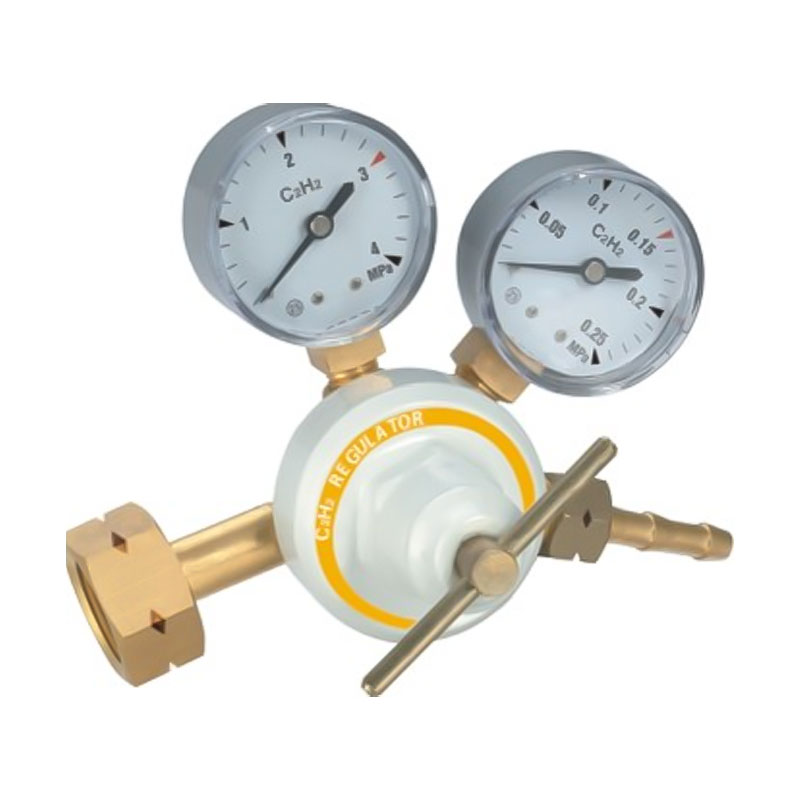 High-Stability Acetylene Regulator for Welding and CuttingThe AR-56 regulator ensures consistent acetylene output for welding and cutting. With adjustable input and output ranges and a secure G5/8" inlet, it provides reliable flame control in industrial environments.View Product →
Choosing a 2nd Stage Regulator for Beverage and Aquarium CO2 Systems
CO2 systems for drinks and planted tanks look similar on paper: a cylinder, a regulator, and a distribution line. However, the working pressures and flow demands are very different. A draft beer system might run at 30 psi to 40 psi to push beer through a long run, while a planted aquarium often runs at 20 to 30 psi but uses a very low flow. The regulator must match both the pressure range and the small, sensitive flow rates.
For beverage applications, a regulator with a customizable interface allows you to mount it directly on your existing wall bracket or manifold. Look for brass construction for durability in a wet cellar environment, but aluminum alloys are lighter and still perform well. If you serve different beverages at different pressures, consider a model with a separate gauge and a setpoint adjustment knob that is easy to read and lock.
In an aquarium, the regulator is typically paired with a solenoid valve. The valve opens and closes based on a timer or a pH controller. The regulator must supply a constant, very small flow without creep. A dual bubble counter helps you see the exact flow rate and detect any drift. Two-stage regulation prevents the “end-of-tank” surge that often raises pH before you even notice the bubble count change.
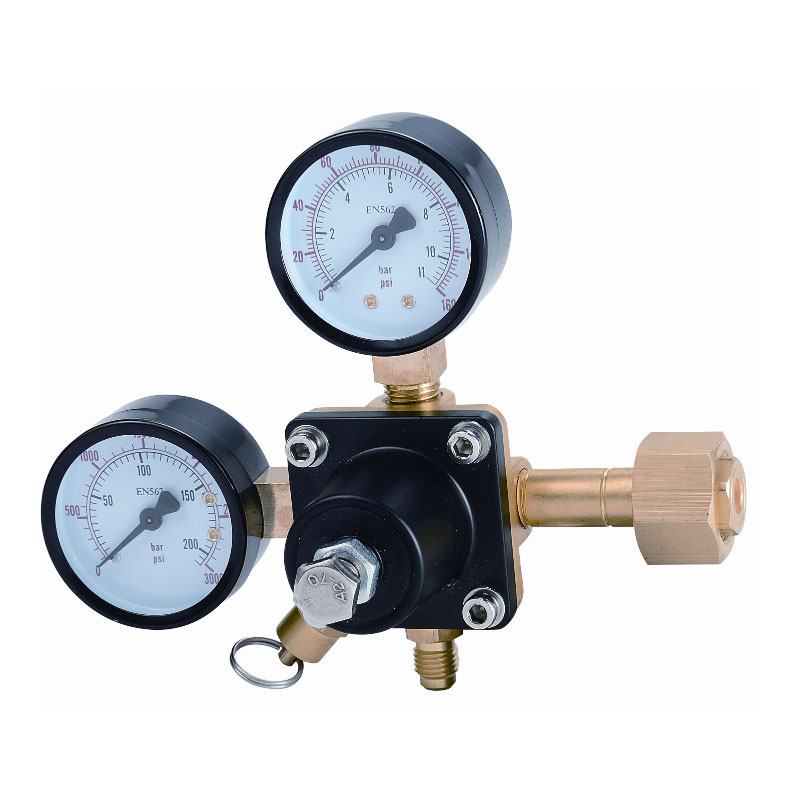 Customizable Beer CO2 Pressure Reducer for Dispensing SystemsThe TR-63 is a durable all-copper CO2 regulator designed for beer and beverage dispensing. It offers customizable inlet and outlet connections, with options for ball or needle valves to suit different flow control needs.View Product →
Key Specifications to Compare When Selecting a 2nd Stage Regulator
Specification sheets for second stage regulators often look similar, but the numbers that matter are few. The following comparison table summarizes the most important parameters to review before placing an order.
| Parameter | What It Means | Practical Consideration |
|---|---|---|
| Inlet pressure range | Lowest and highest pressure expected at the regulator inlet | Match the intermediate pressure from your first stage |
| Outlet pressure range | Adjustable setpoint range for the secondary pressure | Must cover your working pressure plus a margin |
| Flow capacity (Cv) | How much gas can pass while maintaining regulation | Too low causes starvation; too high may cause overshoot |
| Connection type | Inlet and outlet threads, gauge ports, or ball valve interface | Must match existing line and fittings |
| Body material | Brass, aluminum, or steel options | Brass for corrosion resistance; aluminum for lightweight applications |
Matching the Regulator to Your Gas and System Conditions
Gas type is the first filter. Oxygen regulators require oxygen-compatible materials and a clean, oil-free environment. Acetylene needs special seat materials to prevent decomposition. CO2 and inert gases are less demanding, but moisture can still damage an unprotected brass body. If you are working with a gas mixture, confirm that the seals are compatible with all components of the mixture.
Interface compatibility is the second filter. A regulator with a ball valve interface may suit a beverage system, while a threaded interface is common for welding. Customizable threaded interfaces are available to match your existing manifold without expensive adapters. When you calculate the flow rate, remember that a second stage regulator must handle the peak demand of your largest tool or line, not the average. A pressure reducer that is generously sized for normal operation may stall when several stations open at once.
For pipeline applications, the inlet pressure to the second stage can be much higher than a cylinder application. Choose a model with a rated inlet range that covers your actual intermediate pressure, and leave a margin for start-up surges. Also check the outlet range: the setpoint should sit comfortably inside the range, not at the very top or bottom, to avoid regulator instability.
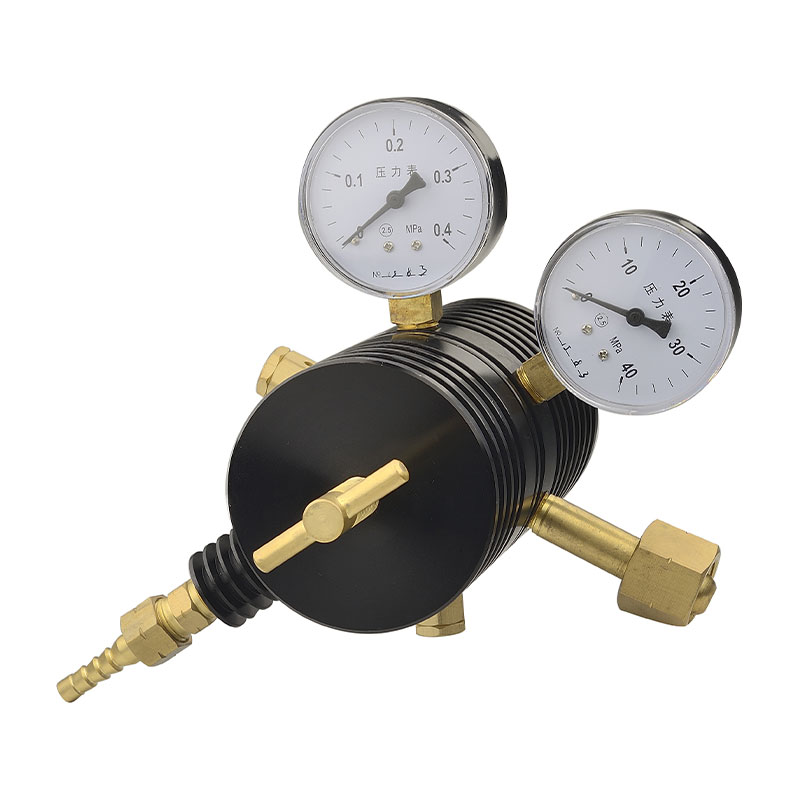 Industrial Natural Gas Pipeline Pressure RegulatorThe LR-101 regulates high-pressure natural gas for industrial heating and branching pipelines. Its brass construction and explosion-proof design ensure safe, stable output across a wide pressure range, with easy monitoring.View Product →
Installation, Testing, and Safety Considerations
Mount the second stage regulator as close as possible to the point of use to minimize pressure drop through long lines. Install a filter upstream if your gas supply may contain particles. Before pressurizing the system, verify that all fittings are tightened to the manufacturer’s torque specification and that the regulator is not over-tightened into the line.
After installation, perform a live leak test with a soap solution or an electronic leak detector. Set the regulator to the lowest setpoint first, then slowly increase it to the working pressure. Observe the gauge for a few minutes: if the outlet pressure creeps upward, the seat may be damaged or the spring may be the wrong rate for your application. In a pipeline system, the second stage should also be protected by a relief valve on the downstream side. If you need to understand how a pipeline pressure reducer affects flow rate and what the common pitfalls are, see this article on pipeline pressure reducers and flow rate.
Never use oxygen regulators for acetylene or vice versa. The fittings are standardized differently, and using the wrong regulator can lead to a hazardous condition. For acetylene, always ensure the regulator is marked as acetylene-compatible and that the outlet pressure never exceeds the maximum working pressure of the hose.
A 2nd stage regulator is not a luxury component in a multi-stage gas system. It is the part that delivers the accurate pressure your torch, keg, solenoid, or workstation actually depends on. The cost difference between a single-stage and a two-stage setup is usually small compared with the cost of weld defects, inconsistent carbonation, or plant stress. When you order, specify the inlet range, outlet setpoint, flow demand, connection threads, and gas type. Match those five numbers, and your second stage will perform reliably for years.
Related products
-
-
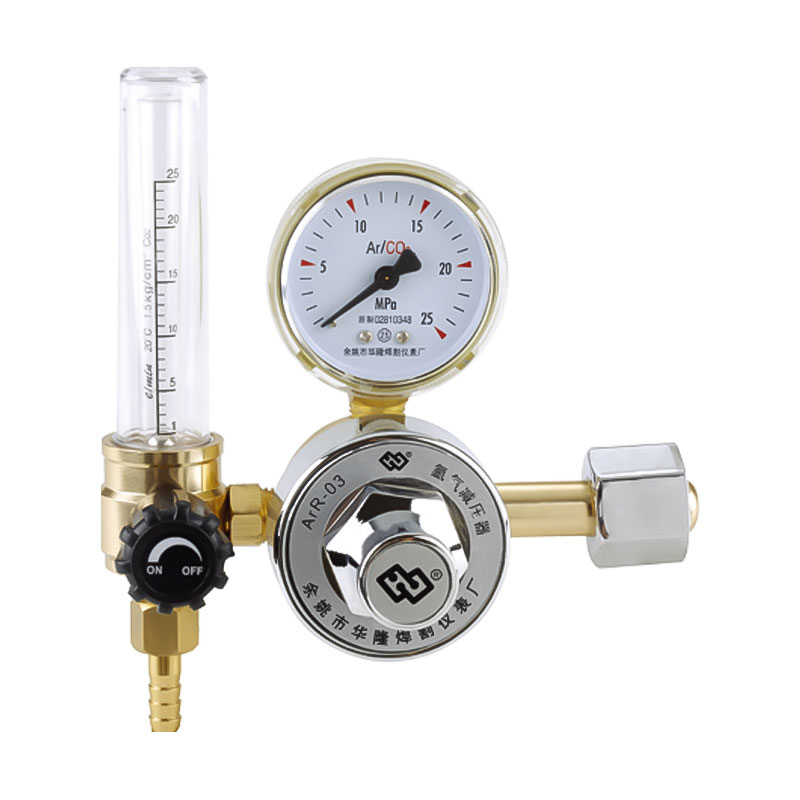
The ArR-02 Industrial Constant-Pressure Argon Regulator is a pressure management device designed for...
See Details -
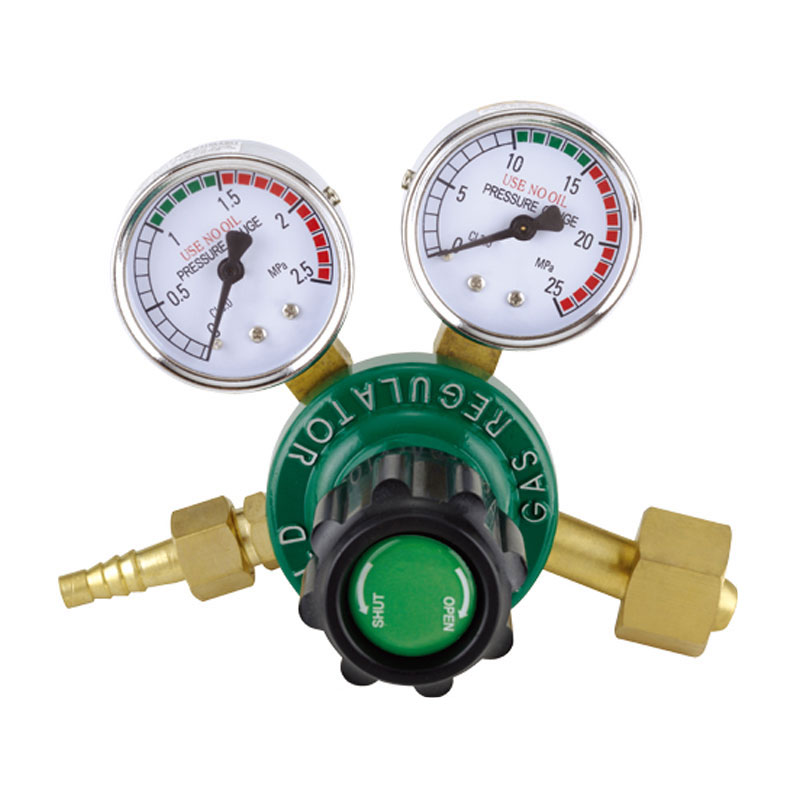
The OR-09 Customizable Pressure and Interface Oxygen Pressure Reducing Controller is designed for pr...
See Details -
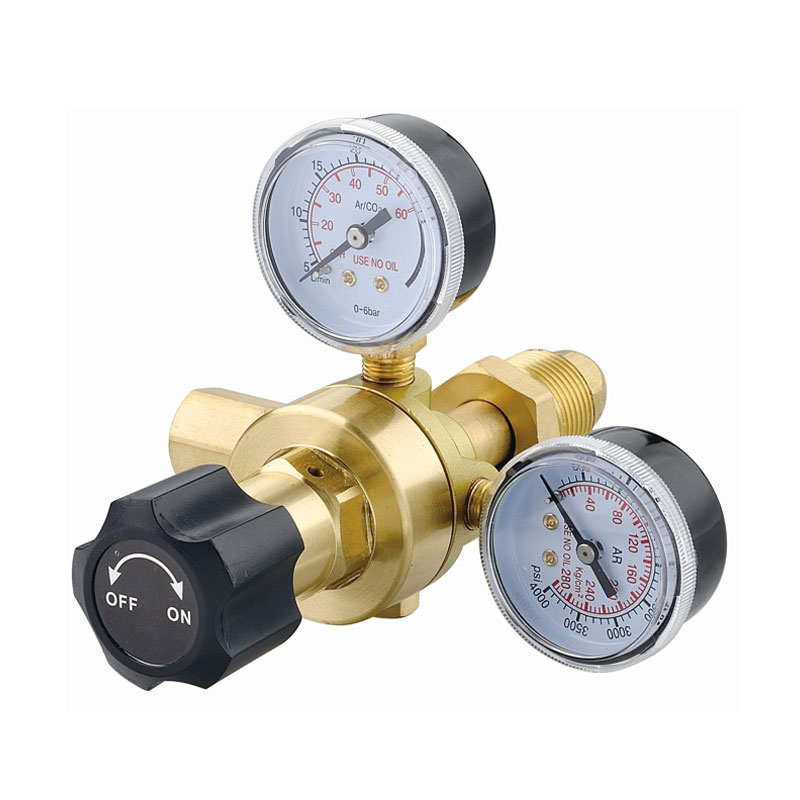
The ArR-192 Industrial Welding Argon Regulator is a pressure regulation device specifically designed...
See Details -

The AR-56 High-Stability Welding and Cutting Acetylene Regulator is designed with a focus on pressur...
See Details -
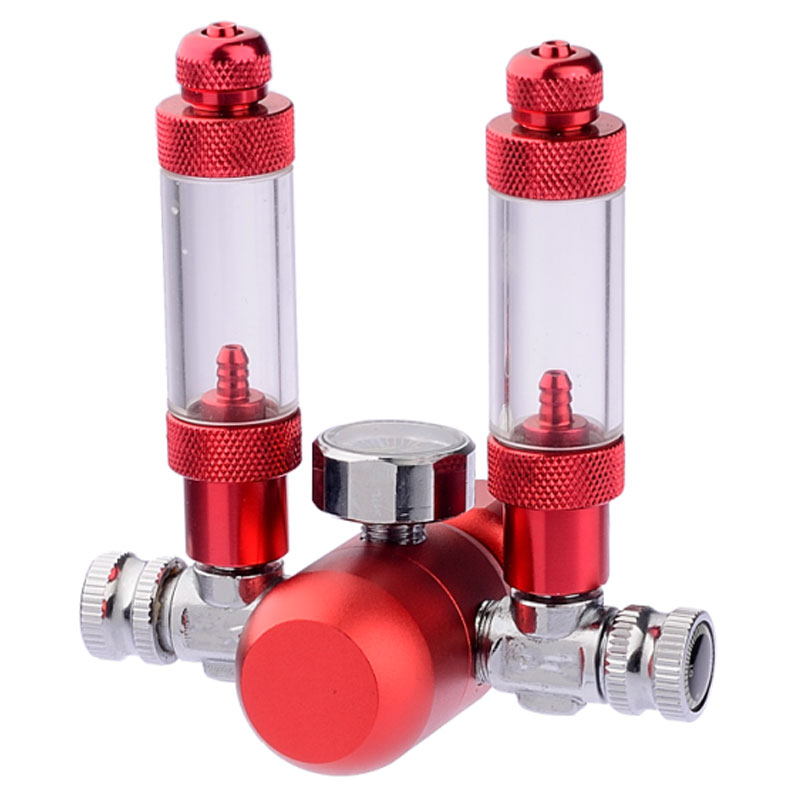
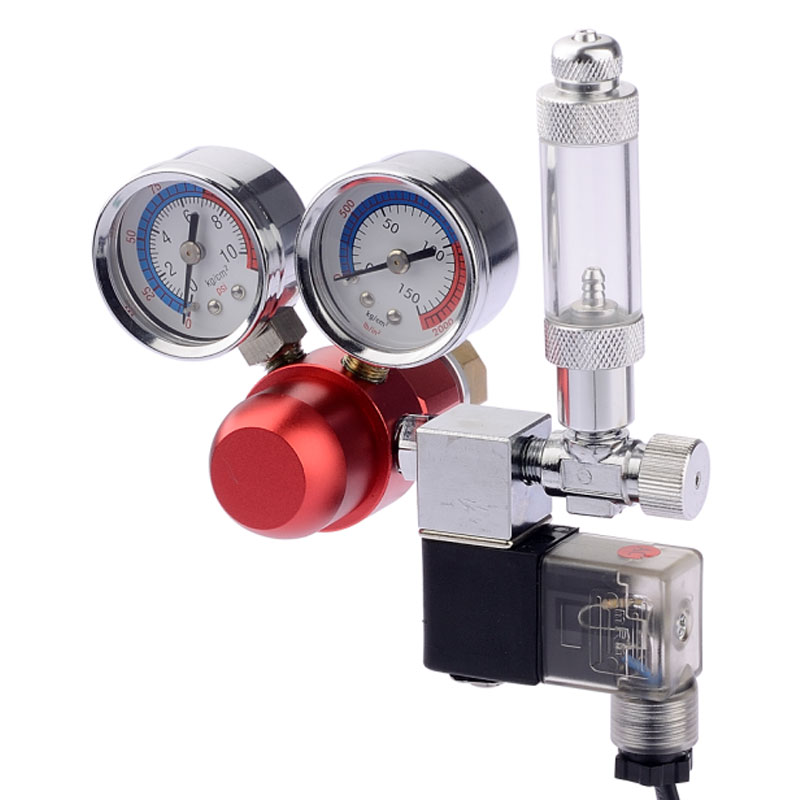
This environmentally friendly dual-gauge CO2 aquarium pressure regulator is designed for aquatic pla...
See Details -
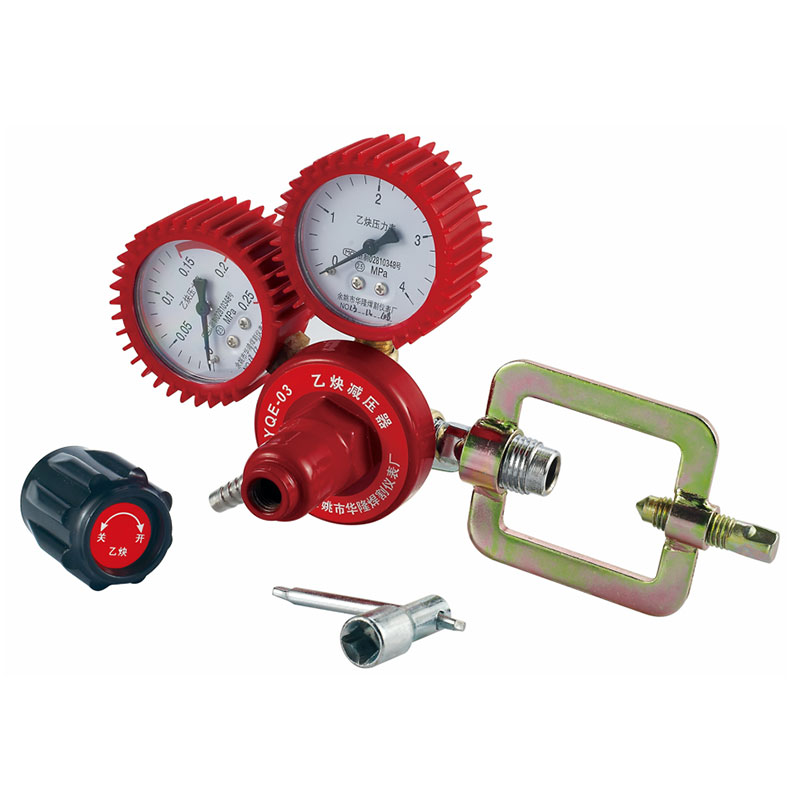
The AR-02 Acetylene Gas Regulator is a pressure control device designed for use with acetylene gas, ...
See Details -
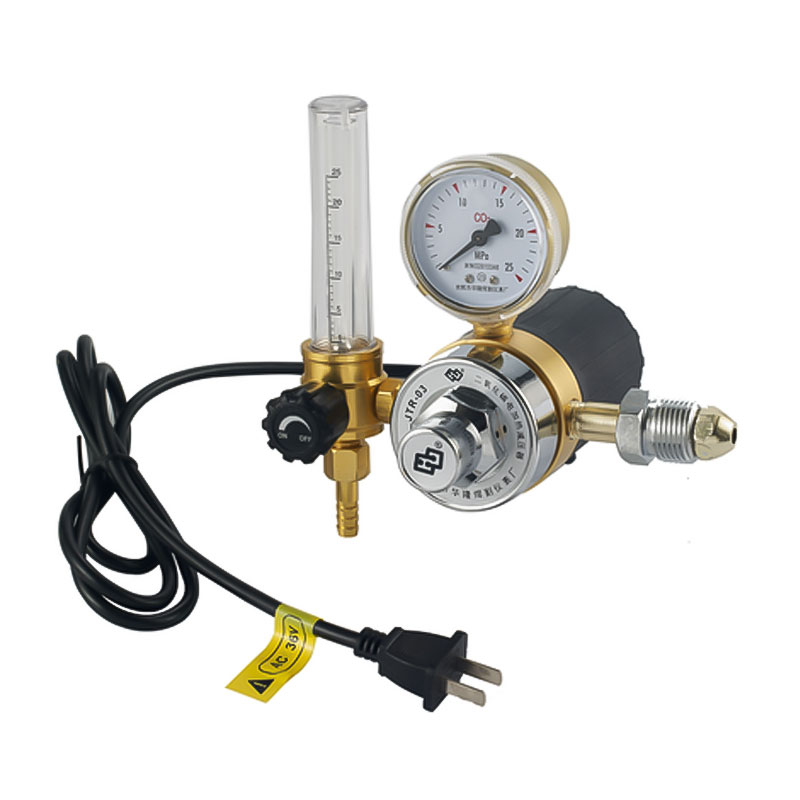
The JTR-02A Welding Carbon Dioxide Flow Controller is specifically designed for welding operations. ...
See Details

- PRODUCTS
- Pressure Regulator for Welding and Cutting
- Aquarium Pressure Regulator
- Beer and Beverage Pressure Regulator
- Pipeline Pressure Reducer
- CONTACT INFO
-
-
+86-180 6927 8236

-
[email protected]

-
No.1358,Tanjialing West Road, Lanjiang Street,Yuyao, 315400, Zhejiang

-
- MOBILE QR CODE

