

 English
  русский
  Español
 The AR-56 High-Stability Welding and Cutting Acetylene Regulator is designed with a focus on pressur...
See DetailsAcetylene Oxygen Settings: Safe Regulator Pressures for Welding & Cutting
Industry News-Acetylene and oxygen settings come down to one hard rule and a few reliable starting points. The hard rule is that acetylene never goes above 15 psi at the regulator, because acetylene becomes unstable beyond that pressure. The starting points are narrow ranges for cutting, welding, and heating, and you fine-tune them once the flame is lit. Set pressures this way and you get a cleaner cut, less gas waste, and a much safer workshop.
Why Regulator Settings Matter
The two gases do different jobs. Acetylene is the fuel; oxygen supplies the combustion and, during cutting, the high-speed stream that oxidizes and blows the slag out of the kerf. When pressures are wrong, the symptoms show up immediately:
- Too little acetylene: the flame pops and backs into the tip.
- Too much acetylene: a sooty, lazy flame, plus an unnecessary risk of drifting toward the 15 psi limit.
- Low oxygen: ragged cut edges with heavy dross and no crisp drop-through.
- High oxygen: excessive oxidation at the cut face and premature wear of the tip face.
The practical fix is to start with known-good numbers, light the torch, and read the flame. Turning the knob and hoping rarely ends well.
The 15 psi Acetylene Ceiling
Acetylene is dissolved in acetone inside its cylinder. If you draw it at a working pressure above roughly 15 psi, the gas can decompose on its own, generating heat and potentially exploding without any oxygen being present. This is not a preference or a style choice; it is a physical limit recognized by regulator manufacturers, cylinder suppliers, and every welding code that deals with oxy-fuel equipment.
Three habits keep you on the safe side:
- Never set the acetylene regulator above 15 psi, even for heavy plate or large multi-hole tips.
- Open the acetylene cylinder valve slowly, no more than a quarter to a half turn.
- Leave the valve key in place while working so you can close the cylinder quickly in an emergency.
Recommended Acetylene and Oxygen Settings
The values below are for standard two-piece cutting and welding nozzles with average hose length. They are starting pressures, so treat them as the first check rather than the final authority.
| Operation | Material Thickness | Acetylene (psi) | Oxygen (psi) |
|---|---|---|---|
| Cutting | Up to 1/8 in (3 mm) | 4-5 | 20-25 |
| Cutting | 1/8 in to 1/2 in (3-12 mm) | 5-8 | 30-40 |
| Cutting | 1/2 in and over (12 mm+) | 8-12 | 40-50 |
| Welding | Light sheet, up to 1/8 in | 3-5 | 5-10 |
| Welding | Medium sections, 1/8-1/2 in | 5-8 | 10-20 |
| Welding | Heavy sections, 1/2 in and over | 8-12 | 20-30 |
Read the Tip Number, Then Adjust
Standard cutting tips carry a stamped number that tells you the fuel gas pressure directly. A tip stamped "4" wants about 4 psi of acetylene; a tip stamped "6" wants 6 psi. Set the oxygen to roughly 8 to 10 times that acetylene value, which puts a number 4 tip at 32 to 40 psi of oxygen. This rule of thumb comes from tip manufacturers and holds up well across the ordinary size 0 through 6 range.
What to Change After Lighting
Light the torch and set a neutral flame. You want a sharp, blue inner cone with only a slight feather at the edge. If the feather grows large, raise the oxygen slightly or lower the acetylene a touch. If the flame needs more gas but the acetylene regulator is already at 15 psi, stop turning the knob and fit a larger tip. More pressure is not the answer; more tip flow is.
Cutting vs. Welding: Same Gases, Different Pressures
Cutting requires a high-velocity oxygen stream because the oxygen has to oxidize the steel and blow it out of the kerf. That is why the table shows oxygen at 25 to 50 psi while acetylene stays under 15 psi. Welding, by contrast, uses a neutral flame at low flow, so oxygen sits close to the acetylene pressure: a few psi, not 30 or 40.
If you cut with welding settings, the preheat is too slow and the oxygen stream is too weak for thick plate. If you weld with cutting settings, you will blow holes through thin material and leave a heavily oxidized seam. Set the regulators for the specific operation, then confirm with the flame shape before touching metal.
Step-by-Step Regulator Setup
- Stand the cylinders upright and secure them so they cannot fall.
- Attach the regulators. Oxygen fittings use a right-hand thread; acetylene fittings use a left-hand thread. Both should start smoothly by hand without forcing.
- Back the regulator adjusting knob out fully, counterclockwise, before opening any cylinder valve.
- Open the acetylene cylinder valve slowly and stop at a quarter to a half turn. Keep the valve key in place.
- Open the oxygen cylinder valve all the way until the valve seal seats evenly.
- Set the working pressures with the torch valves closed: acetylene first, then oxygen.
- Purge each hose by cracking the torch valve for a moment, then close it.
- Check all connections with soapy water before lighting; bubbles mean a leak.
Choosing Regulators That Hold Settings Reliably
Precision matters when you are setting 4 psi and expect it to stay there for a long cutting run. A regulator with a fine-thread adjusting knob and a readable gauge lets you land on the exact number quickly. A stable valve seat keeps that number steady as cylinder pressure drops, so you are not constantly re-checking and re-tuning.
For acetylene service, our AR series covers both bench work and heavy cutting duty. The AR56 is built for continuous welding and cutting cycles where output stability matters most, while the AR03 gives high-precision control for fine flame adjustments. On the oxygen side, the OR07a continuous-operation regulator holds steady delivery over long cutting sessions, which is exactly what you want once the settings are dialed in.
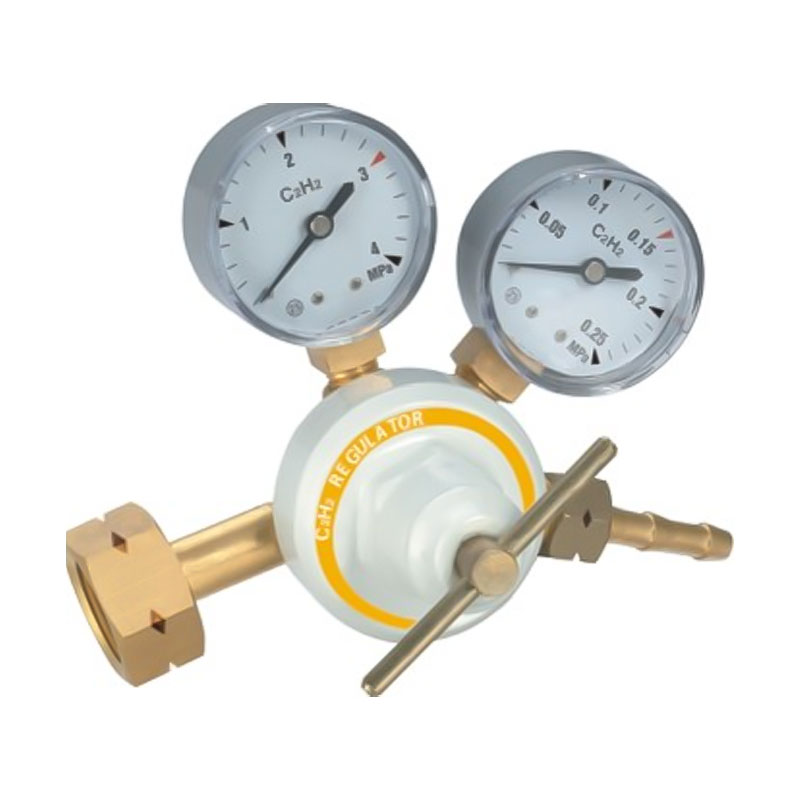 AR-56 High-Stability Acetylene Regulator for Welding and CuttingThis regulator maintains steady acetylene output for continuous welding and cutting cycles. It offers adjustable output from 0 to 40 kg/cm², a round G5/8" inlet, and a 3/8" hose barb outlet, available in all-copper or economical versions.View Product →
 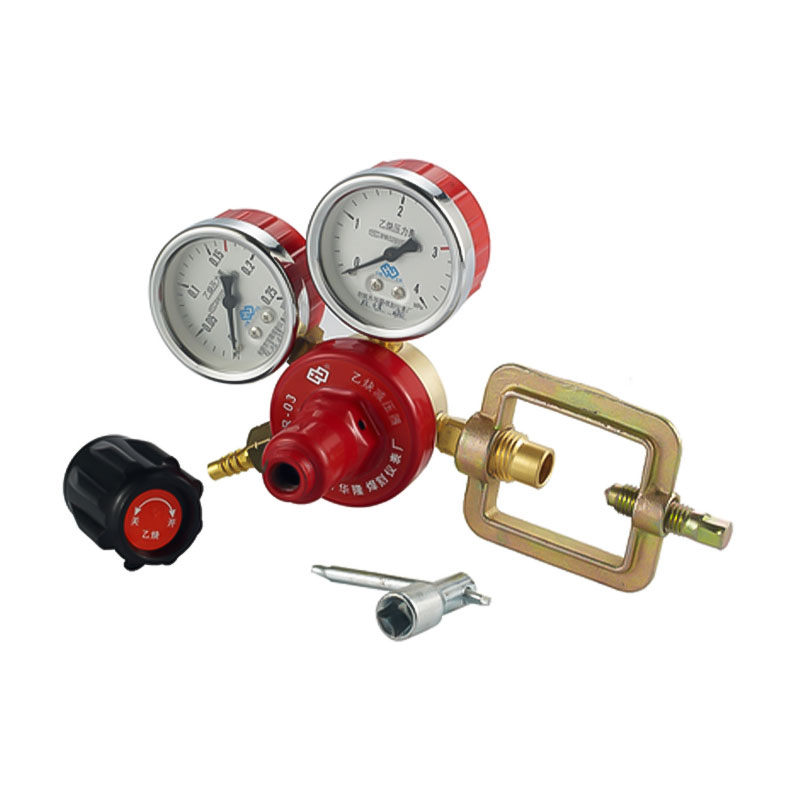 AR-03 High Precision Acetylene Pressure RegulatorDesigned for fine flame adjustments, this model provides stable acetylene pressure control with an input range of 0–2.5 kg/cm² and adjustable output up to 40 kg/cm², emphasizing machining accuracy and sealing for reliable operations.View Product →
 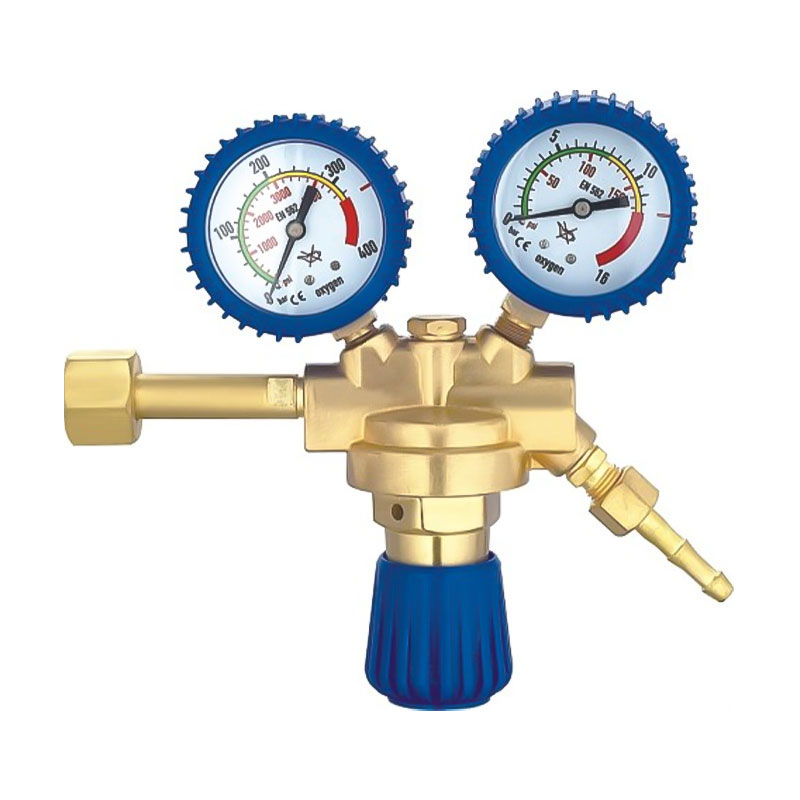 OR-07A Continuous Operation Oxygen Pressure Control RegulatorBuilt for long cutting sessions, this oxygen regulator handles high input pressures up to 3000 psi and delivers steady output from 4 to 80 psi. Its CGA540 inlet and easy-to-read gauge support reliable continuous work.View Product →
If you are replacing a regulator on an existing rig, the practical selection criteria are the same: gas service rating, gauge range, and output capacity. Our guide on choosing the right acetylene pressure regulator walks through those points in plain language and covers the common mistakes to avoid.
Once your acetylene and oxygen settings are in place, check the gauges again after a few minutes of work. Regulators can creep as the cylinder empties, especially after heavy use. Reconfirm the acetylene pressure at the start of each job, never push it past 15 psi, and keep the tip clean. A clean tip at 4 psi will outcut a dirty setup at maximum pressure, and it will do so without testing the limits of your equipment.
Related products
-

-
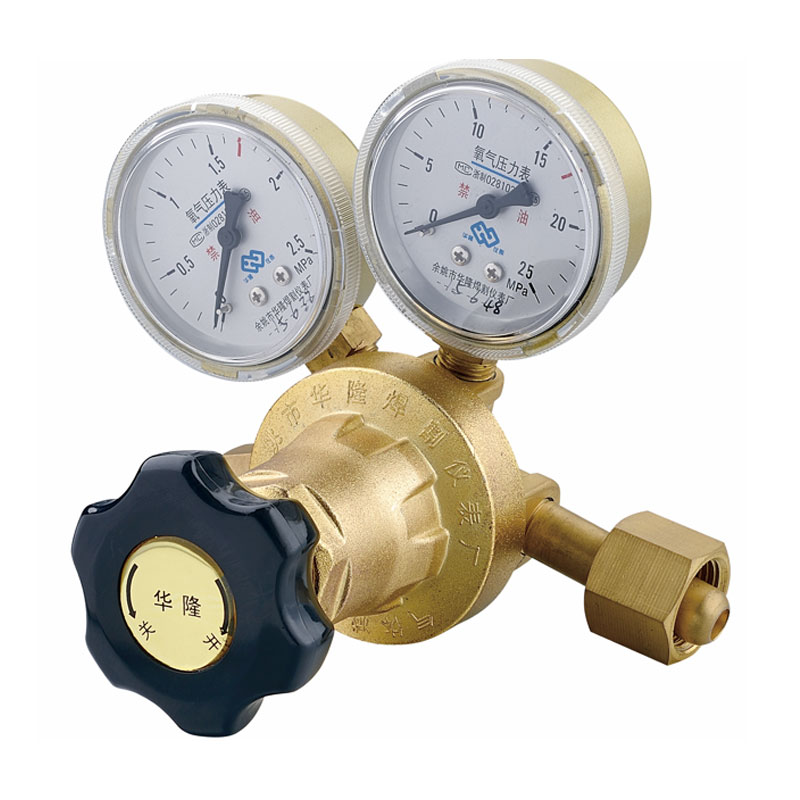
The OR-16 high-performance continuous supply oxygen pressure regulator is suitable for a variety of ...
See Details -
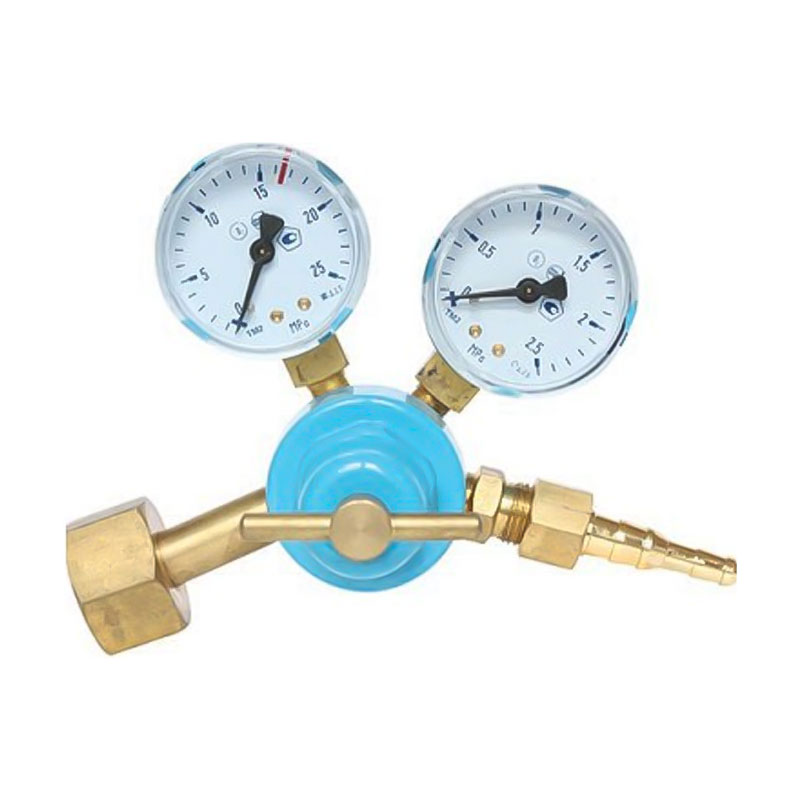
The OR-57 High-Safety Multifunctional Oxygen Regulator effectively reduces and regulates cylinder pr...
See Details -
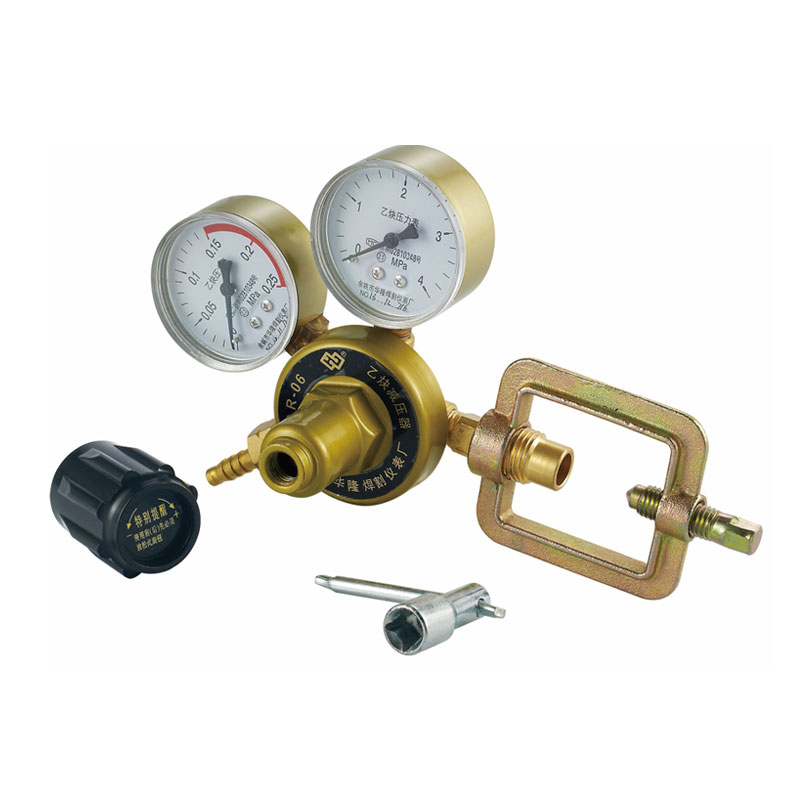
AR-06 High-Performance Acetylene Regulator is designed as a pressure control device for industrial w...
See Details -
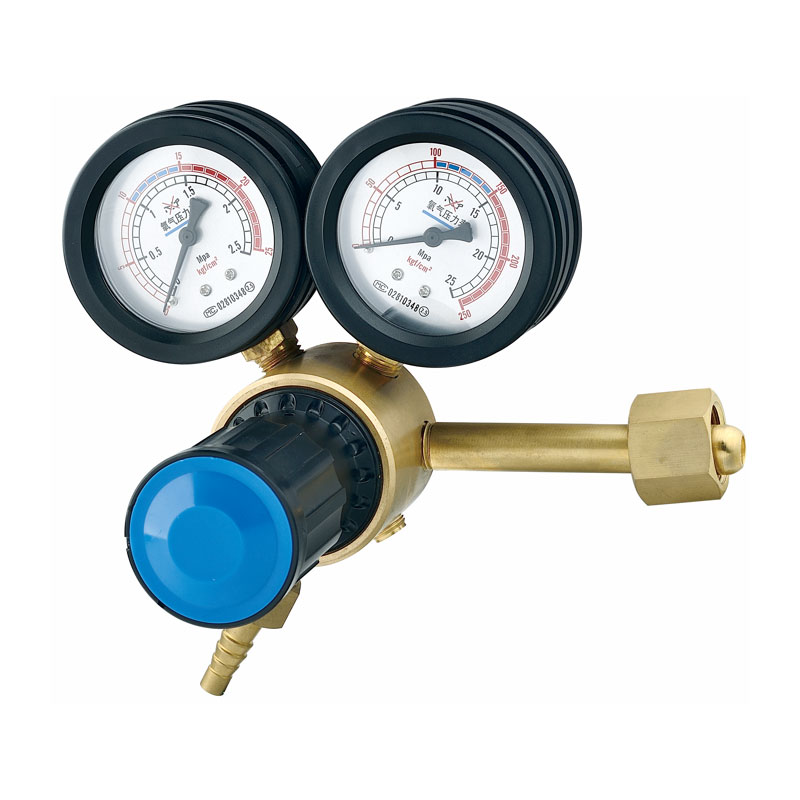
The OR-17 Multi-Function Oxygen Safety Regulator is a professional device designed for industrial an...
See Details -
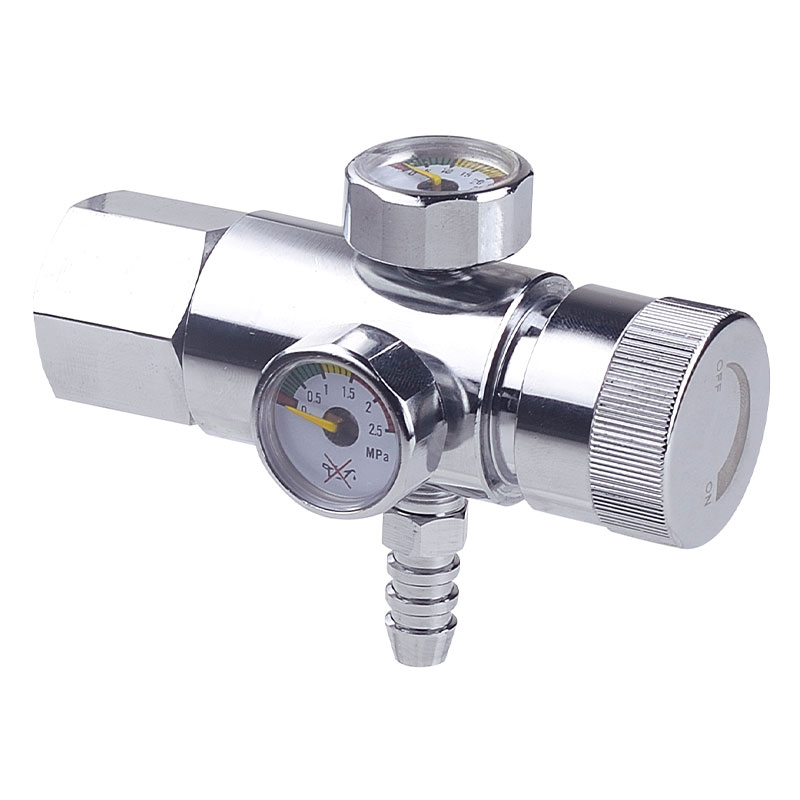
Designed with energy efficiency and reliability in mind, the OR-19 All-Brass Energy-Efficient Oxygen...
See Details -
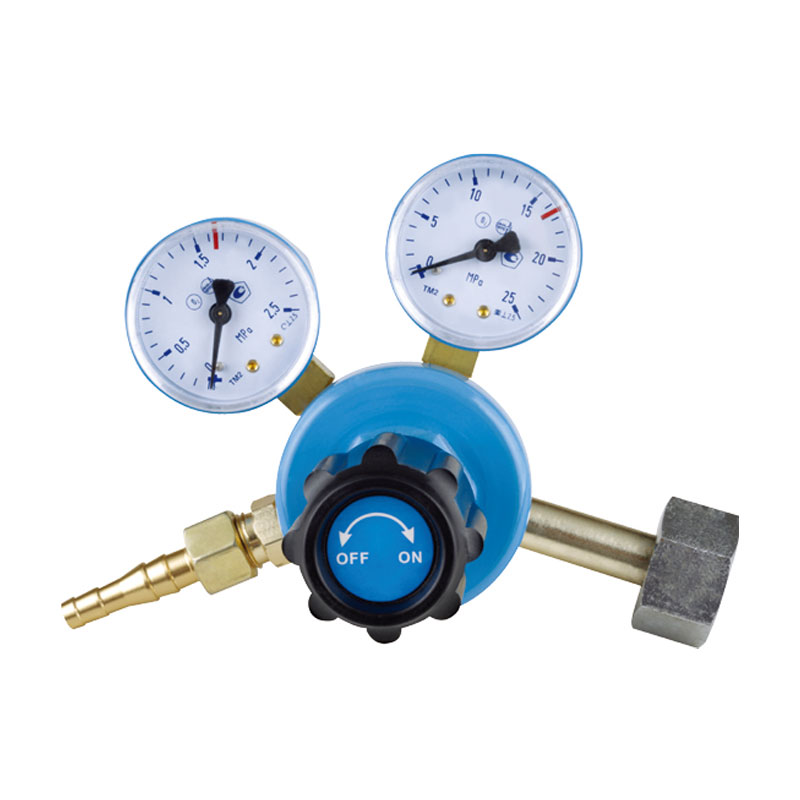
The OR-56 Industrial Stable Oxygen Regulator is a pressure regulation device custom-built for indust...
See Details -
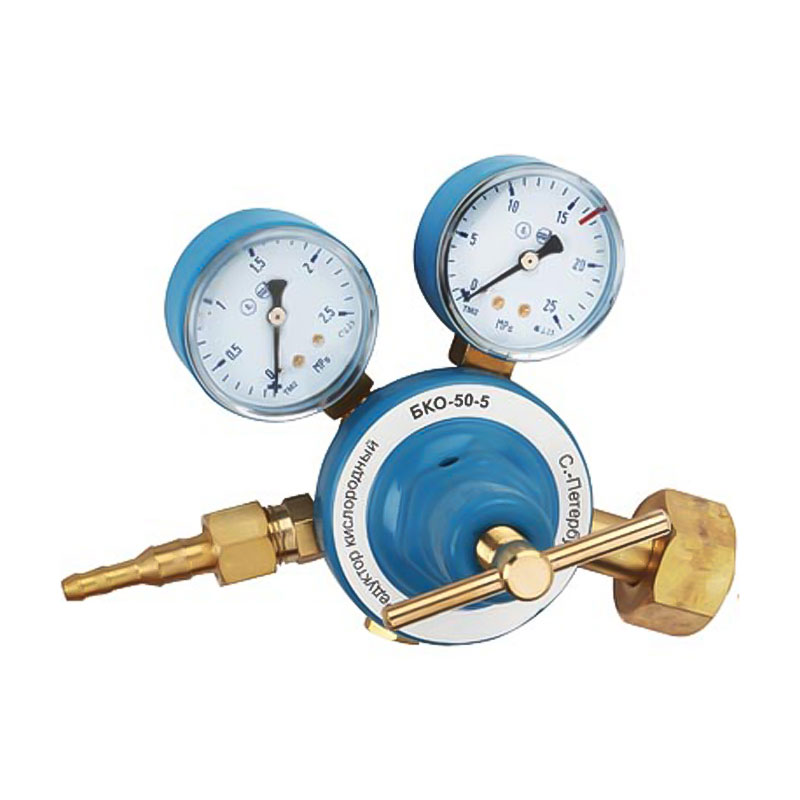
The OOR-58 Industrial Oxygen Regulator is a pressure management device designed specifically for hig...
See Details

- PRODUCTS
- Pressure Regulator for Welding and Cutting
- Aquarium Pressure Regulator
- Beer and Beverage Pressure Regulator
- Pipeline Pressure Reducer
- CONTACT INFO
-
-
+86-180 6927 8236

-
[email protected]

-
No.1358,Tanjialing West Road, Lanjiang Street,Yuyao, 315400, Zhejiang

-
- MOBILE QR CODE

