

 English
  русский
  Español
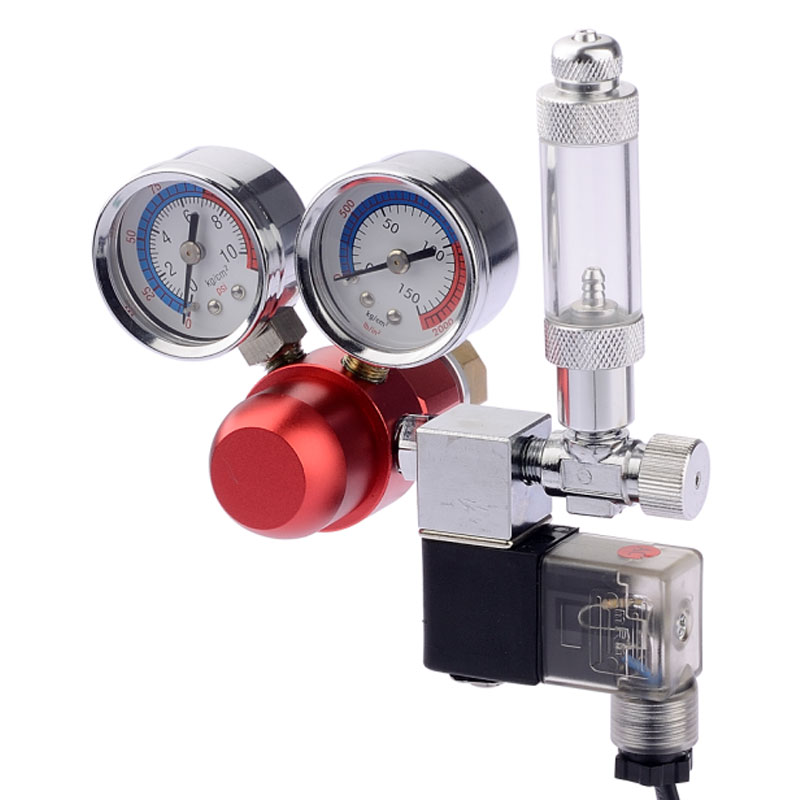
 This aquarium CO2 regulator with dual pressure gauges and single bubble counter is designed specific...
See DetailsThe Ultimate Buyer's Guide to Aquarium Pressure Regulators in 2026
Industry News-If you're running a planted aquarium or a reef tank with CO₂ injection, an aquarium pressure regulator is the single most important piece of equipment between your CO₂ cylinder and your fish. A good regulator delivers a stable, precise flow of CO₂ to your diffuser around the clock. A poor one fluctuates, dumps gas, or fails without warning — stressing or killing your livestock. This guide covers everything you need to make a confident purchase in 2026: how regulators work, the key types, must-have features, and the best picks by budget and tank size.
What Does an Aquarium Pressure Regulator Actually Do?
A CO₂ cylinder stores gas at extremely high pressure — typically 800–1,800 psi (55–124 bar) when full. Your aquarium diffuser or reactor, on the other hand, operates at just 15–45 psi (1–3 bar). A pressure regulator bridges that gap by reducing the high cylinder pressure down to a safe, controllable working pressure and then metering the flow rate precisely.
Most aquarium regulators perform this in two stages:
- First stage (high-pressure reduction) — brings cylinder pressure down to an intermediate working pressure, typically 40–60 psi.
- Second stage / needle valve — fine-tunes the flow rate to your target bubble count, typically 1–3 bubbles per second for most planted tanks.
Two gauges display the cylinder pressure (how much CO₂ remains) and the working pressure (what's being delivered downstream). Without a quality regulator, even a stable cylinder will deliver inconsistent CO₂ levels — causing pH swings that stress fish and produce uneven plant growth.
Single-Stage vs. Dual-Stage Regulators: Which Do You Need?
This is the most important decision you'll make when buying a regulator, and the answer comes down to one phenomenon: end-of-tank dump (ETD).
Single-Stage Regulators
Single-stage regulators reduce cylinder pressure to working pressure in one step. They are less expensive — typically $30–$120 — and work reliably for most of the cylinder's life. However, as the cylinder nears empty and pressure drops below approximately 200–400 psi, the regulator can lose its ability to maintain stable working pressure. The result is an uncontrolled surge of CO₂ into the tank — the end-of-tank dump — which can rapidly lower pH and kill fish within hours.
Dual-Stage Regulators
Dual-stage regulators add a second pressure-reduction step. The first stage reduces cylinder pressure to a fixed intermediate pressure (typically 40–60 psi); the second stage then meters flow from that stable intermediate. This design largely eliminates end-of-tank dump because the first stage maintains a consistent input to the second stage even as cylinder pressure falls. Dual-stage units cost more — typically $80–$300+ — but are strongly recommended for any tank with livestock.
| Feature | Single-Stage | Dual-Stage |
|---|---|---|
| End-of-Tank Dump Risk | High | Very Low |
| Flow Stability | Good (when tank is full) | Excellent throughout |
| Typical Price Range | $30–$120 | $80–$300+ |
| Best For | Low-budget / fishless planted tanks | Any tank with livestock |
| Complexity | Simple | Moderate |
Key Features to Look for in 2026
High-Quality Needle Valve
The needle valve is what you turn to set your bubble rate. A cheap needle valve has too much play — a tiny turn changes the flow dramatically, making fine adjustment nearly impossible. Look for stainless steel needle valves with a fine thread pitch that allows precise, repeatable adjustments. Top-tier valves from brands like Aqua Rebell, GLA (Green Leaf Aquariums), and Fabco allow adjustments as fine as 0.1 bubbles per second.
Integrated Solenoid Valve
A solenoid valve is an electrically operated on/off switch built into the regulator. Connected to a timer or pH controller, it automatically cuts CO₂ at night (when plants stop photosynthesizing) and restores it in the morning. Running CO₂ 24/7 without a solenoid can lower nighttime pH by 0.5–1.0 units, which stresses fish. In 2026, virtually every mid-range and premium regulator includes a solenoid as standard. If buying budget, confirm it's included or budget an extra $15–$30 for a separate inline solenoid.
Bubble Counter
An integrated bubble counter — a small fluid-filled chamber that lets you visually count CO₂ bubbles per second — makes calibration easy. Some regulators include this built-in; others require a separate inline unit. For beginners especially, this is a very useful feature. Target 1 bubble per second per 25 gallons (95 liters) as a starting point, then adjust based on CO₂ indicator readings.
Gauge Accuracy and Readability
Both the high-pressure gauge (cylinder contents) and the low-pressure gauge (working pressure) should be easy to read and accurate. Glycerin-filled gauges dampen needle vibration and last longer than dry gauges — worth paying extra for. The working pressure gauge should have a scale that makes the 15–45 psi range clearly legible.
Thread Compatibility
CO₂ cylinder threads vary by region. The most common standards are CGA-320 (North America), W21.8×1/14" (Europe / DIN 477), and various paintball/SodaStream thread adapters for small cylinders. Always confirm your cylinder thread before ordering. Most reputable brands ship with the correct fitting or offer adapters, but this is a common oversight for first-time buyers.
Build Quality and Body Material
Regulator bodies are typically brass, aluminum alloy, or zinc alloy (zamak). Brass is the most durable and corrosion-resistant for CO₂ service. Zinc alloy bodies are common in budget regulators and can be reliable short-term but are more prone to corrosion and cracking under pressure over time. For long-term use, brass body construction is worth the premium.
Best Aquarium Pressure Regulators by Budget and Use Case
Here are the standout options in 2026 matched to specific tank setups and budgets:
Best Budget Pick (Under $60): Fzone Aquarium CO₂ Regulator
A single-stage regulator that punches above its price point with an integrated solenoid, bubble counter, and check valve. Build quality is adequate for tanks without expensive livestock. Not recommended if ETD protection is a priority. Retail: $40–$55. Best for small planted tanks under 30 gallons with no fish, or as a starter unit to learn CO₂ injection basics.
Best Mid-Range (Under $150): Rhinox 5000 Dual-Stage Regulator
One of the most popular mid-range dual-stage options among the planted tank community. Features a brass body, high-quality needle valve, integrated solenoid, and glycerin-filled gauges. Excellent ETD resistance and stable flow make it suitable for tanks with livestock. Covers tanks up to 100 gallons reliably. Retail: $110–$140.
Best for Large or Multiple Tanks: GLA (Green Leaf Aquariums) Dual-Stage Pro
GLA regulators are widely regarded as the benchmark for precision in the hobby. The Pro series features an ultra-fine needle valve capable of flows as low as 0.1 bps, full brass construction, and dual-stage pressure reduction. Ideal for high-tech planted tanks over 100 gallons, CO₂ manifolds feeding multiple tanks, or any setup where precision and longevity are non-negotiable. Retail: $180–$260.
Best for Small / Nano Tanks: Aquario Neo CO₂ Regulator (Mini)
Designed specifically for use with small CO₂ cartridges (standard paintball or 95g cartridges), the Neo Mini is compact, easy to set up, and delivers surprisingly stable flow for tanks under 20 gallons. No solenoid is included, so manual switching is required — acceptable for nano setups where hands-on management is the norm. Retail: $50–$75.
Best Premium Option: Aqua Rebell Advanced Dual-Stage
The Aqua Rebell Advanced is a German-engineered dual-stage regulator favored by competitive aquascapers. Its needle valve precision is exceptional — the finest adjustment range of any commercially available aquarium regulator in 2026. Full brass construction, glycerin gauges, integrated solenoid with LED indicator, and a check valve as standard. Retail: $220–$300. Built to last a decade or more with normal use.
How to Set Up Your Aquarium Pressure Regulator: Step-by-Step
Proper installation takes 15–20 minutes and significantly reduces the risk of leaks or equipment damage:
- Close all valves before connecting. Ensure the needle valve and solenoid are closed before attaching the regulator to the cylinder. Opening a pressurized system with valves open risks damaging the gauges or causing a sudden gas surge.
- Use PTFE (Teflon) tape on threaded connections. Wrap 2–3 layers of PTFE tape clockwise around all threaded fittings to ensure a gas-tight seal. Do not use pipe sealant paste — it can contaminate the regulator internals.
- Attach to the cylinder and open slowly. Turn the cylinder valve no more than a quarter-turn at first. Watch the high-pressure gauge climb — if it rises smoothly without noise, the connection is good. Open fully once confirmed.
- Set working pressure to 20–30 psi. Turn the working pressure adjustment knob until the low-pressure gauge reads your target. Most planted tank diffusers operate optimally at 20–30 psi; reactors may require slightly higher pressure.
- Open the needle valve gradually. With the diffuser already submerged and connected, slowly open the needle valve until you see 1–2 bubbles per second in the bubble counter. Allow 30 minutes for the system to stabilize before fine-tuning.
- Check all connections for leaks. Apply diluted dish soap to every threaded joint and watch for bubbling. Even a slow leak can drain a 5 lb cylinder in days. Re-tighten or re-tape any leaking joints with the cylinder valve closed.
- Connect the solenoid to a timer. Program CO₂ to turn on 1 hour before your lights come on and off 1 hour before lights out. This maintains CO₂ availability during peak photosynthesis and prevents nighttime pH drops.
CO₂ Cylinder Size Guide: Matching Your Regulator to the Right Cylinder
Your regulator must be compatible with your cylinder thread, but choosing the right cylinder size also has a big impact on running costs and convenience. CO₂ costs roughly $0.50–$2.00 per day depending on tank size and injection rate — cylinder size determines how often you pay to refill.
| Cylinder Size | Typical Runtime (20g tank, 1 bps) | Refill Cost (USD) | Best For |
|---|---|---|---|
| 95g cartridge | 2–4 weeks | $5–$10 (replace) | Nano tanks, travel |
| 1 lb (paintball) | 4–8 weeks | $3–$6 | Small tanks, apartments |
| 5 lb aluminum | 4–6 months | $15–$25 | Most home tanks 20–75g |
| 10 lb aluminum | 8–14 months | $20–$35 | Larger tanks 75–150g |
| 20 lb aluminum | 18–30 months | $25–$45 | Large tanks / multiple tanks |
For most hobbyists with a 30–75 gallon planted tank, a 5 lb aluminum cylinder with a CGA-320 fitting is the sweet spot — affordable, widely refillable at welding supply shops and fire extinguisher services, and large enough to go months between refills.
Common Problems and How to Fix Them
Even a quality regulator can develop issues. Here are the most common problems hobbyists encounter and how to address them:
- Bubble rate keeps increasing without adjusting the needle valve — classic early sign of end-of-tank dump on a single-stage regulator. The cylinder is nearly empty. Close the needle valve, swap cylinders, and consider upgrading to a dual-stage unit.
- No bubbles despite cylinder being full — check that the solenoid is powered and open, that all inline valves are open, and that the diffuser or reactor isn't clogged. Also verify the needle valve hasn't been inadvertently closed.
- Hissing or gas smell at connections — a leak at a threaded joint. Close the cylinder valve immediately, re-tape the leaking joint with fresh PTFE tape, and re-test with soapy water before reopening.
- Fish gasping at the surface in the morning — CO₂ is running overnight without a solenoid timer, causing pH to drop dangerously. Install a timer immediately and program the solenoid to cut CO₂ 1 hour before lights off.
- Working pressure gauge creeping up over time — indicates a failing regulator diaphragm or seat. On a single-stage unit this is a serious ETD risk. Have the regulator serviced or replaced before continuing use.
Final Verdict: How to Choose the Right Aquarium Pressure Regulator
For any tank with fish or invertebrates, a dual-stage regulator with an integrated solenoid is non-negotiable. The risk of end-of-tank dump on a single-stage unit is real and can wipe out a tank of livestock worth far more than the price difference between a $50 and a $130 regulator.
Use this quick decision framework to find your match:
- Nano tank (under 20 gallons), no fish: Single-stage budget regulator with solenoid, paired with a paintball or 95g cartridge. Budget $40–$75 total.
- Small to medium planted tank (20–75 gallons) with livestock: Dual-stage regulator with solenoid, bubble counter, and brass body. Budget $110–$150. The Rhinox 5000 or equivalent is ideal.
- Large tank (75+ gallons) or high-tech aquascape: Premium dual-stage regulator with ultra-fine needle valve. Budget $180–$300. GLA Pro or Aqua Rebell Advanced.
- Multiple tanks from one cylinder: Premium dual-stage regulator plus a CO₂ manifold with individual needle valves per tank. Budget $200–$400 for the full setup.
Whichever model you choose, pair it with a drop checker (CO₂ indicator) in the tank to visually confirm CO₂ levels throughout the day, and a pH monitor if your tank houses sensitive species. The regulator controls delivery — these tools confirm the result at the water level where it matters most.
Related products
-
-
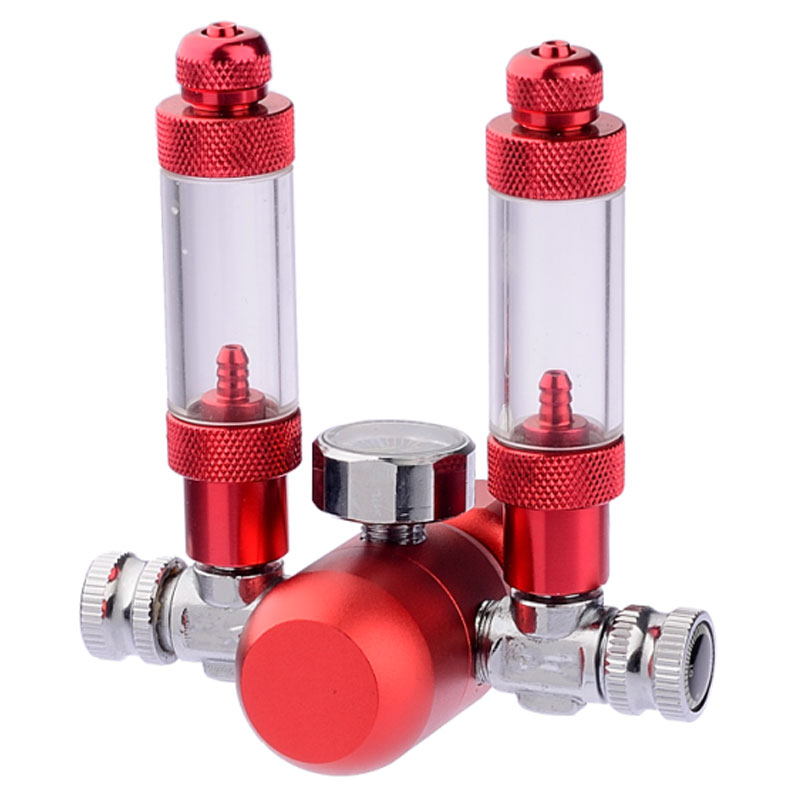
This environmentally friendly dual-gauge CO2 aquarium pressure regulator is designed for aquatic pla...
See Details -
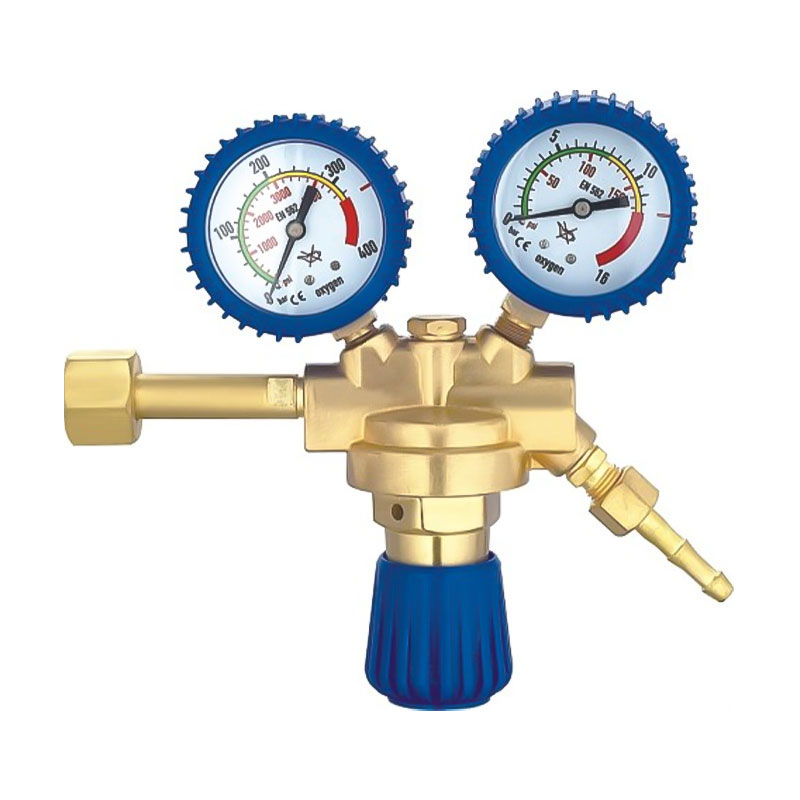
The OR-07A Continuous Operation Oxygen Pressure Control Regulator can handle input pressures as high...
See Details -
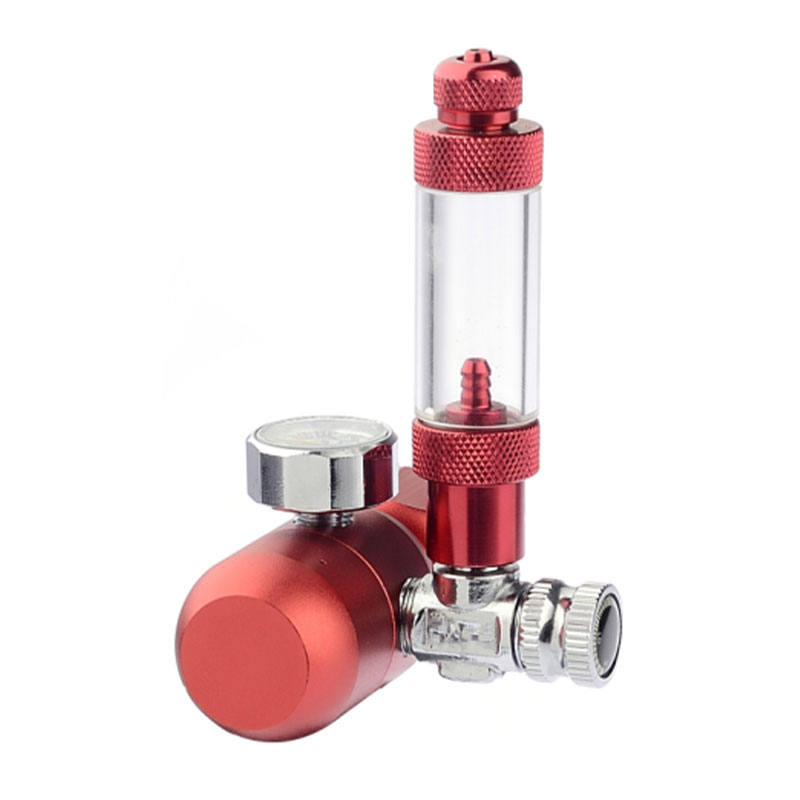
This aquarium plant CO2 pressure regulator is designed for aquatic plant landscaping and aquarium sy...
See Details -
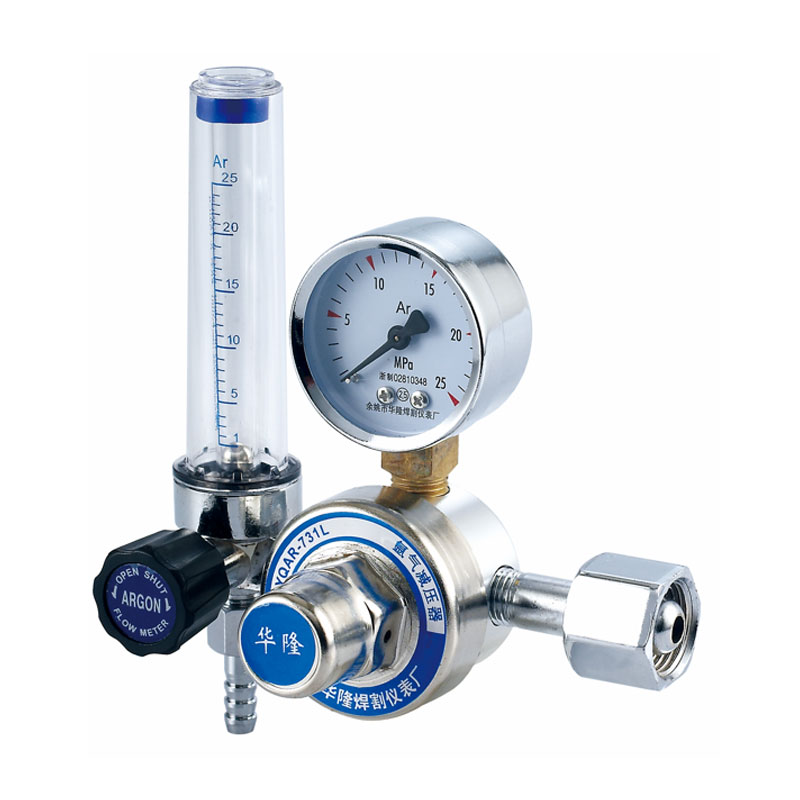
The ArR-01 High-Pressure Argon Cylinder Regulator is a pressure regulation device designed for appli...
See Details -
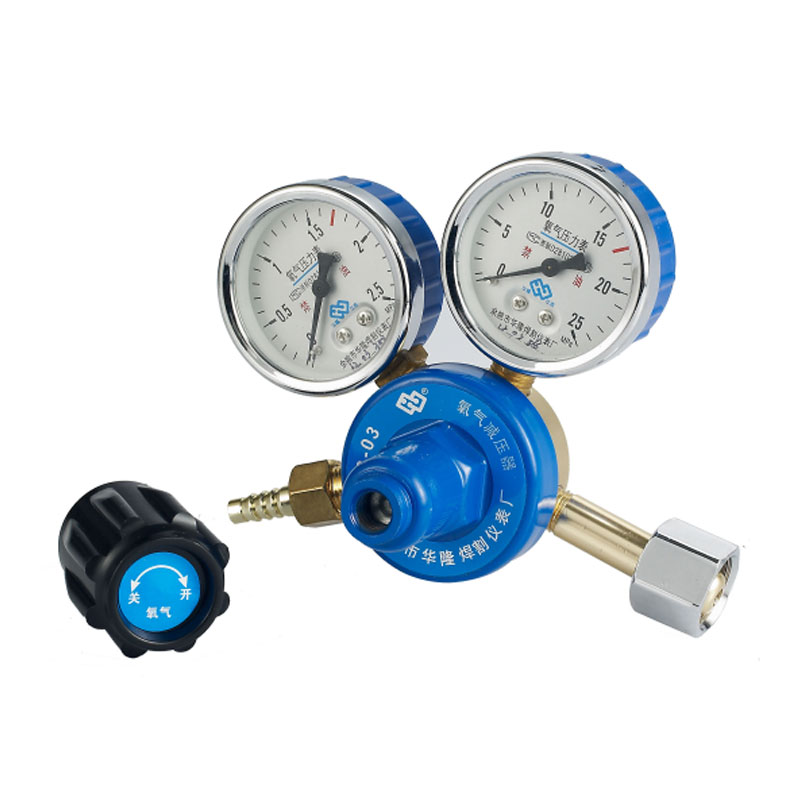
The OR-03 Precision Pressure Management Oxygen Regulator is a professional oxygen pressure reducing ...
See Details -
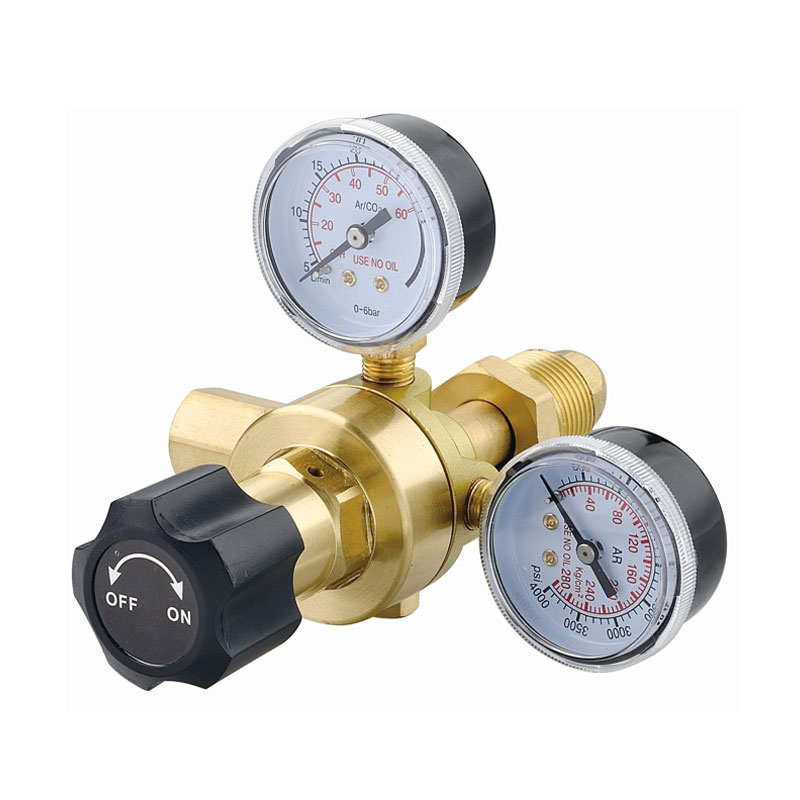
The ArR-192 Industrial Welding Argon Regulator is a pressure regulation device specifically designed...
See Details -
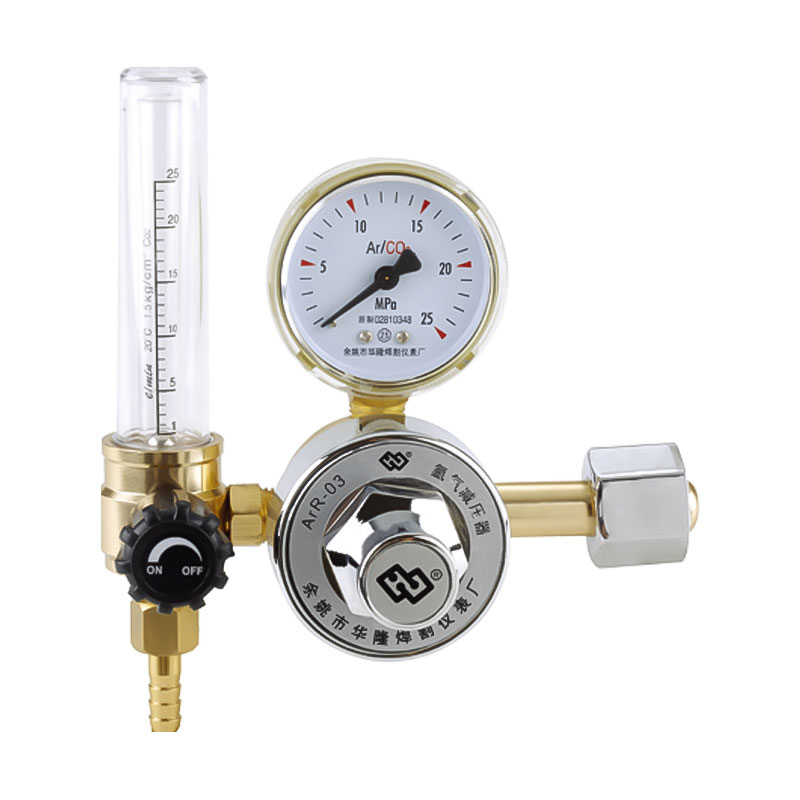
The ArR-02 Industrial Constant-Pressure Argon Regulator is a pressure management device designed for...
See Details

- PRODUCTS
- Pressure Regulator for Welding and Cutting
- Aquarium Pressure Regulator
- Beer and Beverage Pressure Regulator
- Pipeline Pressure Reducer
- CONTACT INFO
-
-
+86-180 6927 8236

-
[email protected]

-
No.1358,Tanjialing West Road, Lanjiang Street,Yuyao, 315400, Zhejiang

-
- MOBILE QR CODE

