

 English
  русский
  Español
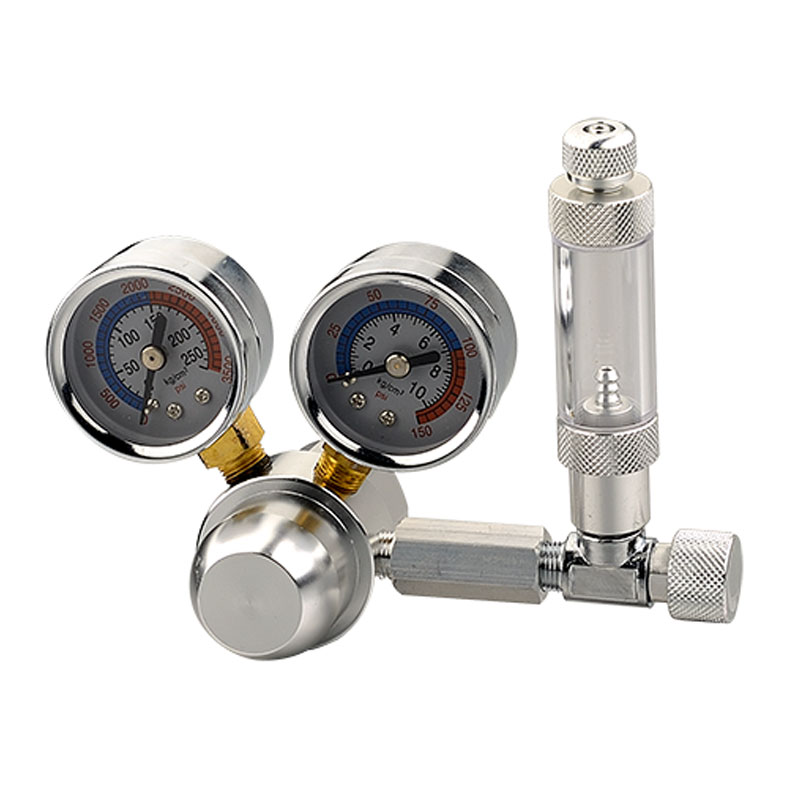
 This compact CO2 regulator for aquarium plants is designed specifically for aquatic plant hobbyists ...
See DetailsHow do you choose the right beer and beverage pressure regulator for your draft beer system?
Industry News-The right pressure regulator for your draft beer system comes down to five factors: gas type, system length, number of kegs, beer style, and environment. Get any one of these wrong and you'll deal with foamy pours, flat beer, or equipment failure. This guide walks through every decision point with specific numbers so you can match the right regulator to your exact setup — whether you're running a home kegerator or a multi-tap commercial bar.
Start With Your Gas Source: CO₂, Nitrogen, or Mixed Gas
Your regulator must match the gas you're using — this is non-negotiable both for performance and safety. Each gas type uses a distinct CGA cylinder fitting that physically prevents cross-connection, so identifying your gas first determines which regulator category you're shopping in.
- Pure CO₂ (CGA 320): Standard for most lagers, ales, IPAs, and carbonated beers. CO₂ maintains carbonation and provides push pressure in one gas. Use a CO₂-rated regulator with inlet tolerance up to 1,000–1,500 psi.
- Mixed gas / beer gas (CGA 580): Blends of 75% N₂ / 25% CO₂ or 60% N₂ / 40% CO₂ stored at up to 3,000 psi. Required for nitro stouts, long-draw systems, and still beverages. Requires a mixed gas regulator with reinforced internals rated for high-pressure nitrogen service.
- Pure nitrogen (CGA 580): Used for pushing cold brew coffee, still beverages, and wine on tap without adding any carbonation. Requires the same mixed gas regulator type as beer gas blends.
Never use a CO₂ regulator on a nitrogen or mixed gas cylinder. The pressure differential alone — up to 3× higher inlet pressure — can rupture seals, damage gauges, or cause catastrophic regulator failure.
Single-Stage vs. Two-Stage: Match Stability Needs to Your Volume
This is the most commonly misunderstood choice in draft system design. Both configurations reduce cylinder pressure to serving pressure — but they do it differently, and the difference matters most as your cylinder empties.
| Feature | Single-Stage | Two-Stage |
|---|---|---|
| Pressure reduction steps | 1 (cylinder → serving) | 2 (cylinder → intermediate → serving) |
| Output pressure stability | Drifts ±2–5 psi as tank empties | Stable within ±0.5 psi throughout tank life |
| Typical cost | $40–$90 | $100–$250 |
| Freeze-up risk (CO₂) | Higher | Lower |
| Best for | Home kegerators, low-volume bars | Commercial systems, high-volume bars |
For a home kegerator running one keg at a time, a single-stage regulator is entirely adequate — the minor pressure drift near end-of-tank is manageable. For a commercial bar serving 10+ kegs per week, two-stage is the right investment: the output stability directly protects beer quality and reduces waste from over-foaming during busy service periods.
Setting the Right Serving Pressure for Your Beer Style
Serving pressure is not a fixed number — it depends on the beer's target carbonation level (measured in volumes of CO₂), your cooler temperature, and your line length. Using the wrong pressure is the most common cause of both foamy and flat beer.
The foundational rule: serving pressure must balance carbonation pressure at your storage temperature. If pressure is too low, CO₂ escapes from solution and beer goes flat. If too high, beer over-carbonates and pours foamy.
| Beer Style | CO₂ Volumes | Serving Temp | Recommended Pressure | Gas Type |
|---|---|---|---|---|
| American lager | 2.5–2.7 | 38°F / 3°C | 12–14 psi | CO₂ |
| IPA / Pale Ale | 2.2–2.5 | 38°F / 3°C | 10–13 psi | CO₂ |
| Belgian ale / Wheat beer | 2.8–3.5 | 38°F / 3°C | 16–22 psi | CO₂ |
| Dry stout / Nitro beer | 1.2–1.5 | 38°F / 3°C | 30–40 psi | 75/25 N₂/CO₂ |
| Cold brew coffee | N/A (still) | 38°F / 3°C | 20–30 psi | Pure N₂ |
These pressures assume a short draw system under 10 feet. Longer lines require higher pressure to overcome resistance — covered in the next section.
Line Length and Resistance: How to Calculate the Pressure You Actually Need
Draft line resistance is the hidden variable most buyers ignore. Every foot of beer line, every fitting, and every vertical rise adds resistance that must be overcome by your regulator pressure — without adding so much CO₂ that the beer over-carbonates.
The Pressure Balance Formula
Required pressure = Carbonation pressure + Line resistance + Vertical rise resistance
- 3/16" vinyl tubing: approximately 3 psi per foot of resistance
- 1/4" vinyl tubing: approximately 0.85 psi per foot
- Vertical rise: 0.5 psi per foot of elevation from keg to tap
- Each shank/fitting: approximately 0.5–1 psi additional resistance
Example: A standard lager at 38°F needs 12 psi to hold carbonation. Your line is 10 feet of 3/16" tubing (10 × 3 = 30 psi resistance) with a 4-foot vertical rise (4 × 0.5 = 2 psi). Total required pressure: 12 + 30 + 2 = 44 psi. At this pressure, a pure CO₂ regulator would massively over-carbonate the beer — which is exactly why long-draw systems use mixed gas: nitrogen provides the push pressure without dissolving into the beer.
The general rule: if your system requires more than 25 psi to overcome line resistance while maintaining correct carbonation, switch to a mixed gas regulator with an appropriate N₂/CO₂ blend.
How Many Kegs: Choosing Between Primary and Secondary Regulators
A single primary regulator can serve multiple kegs — but only if they all require the same serving pressure. The moment you need to serve two different beer styles at different pressures from the same gas supply, you need a secondary regulator system.
Primary Regulator
Connects directly to the gas cylinder and sets the main line pressure. Most primary regulators include one or two outlet ports. A dual-gauge primary with a manifold can split to 4–8 kegs, but all kegs receive identical pressure.
Secondary Regulator
Mounted closer to individual kegs, secondary regulators take the primary line pressure and reduce it independently for each keg. This allows you to serve a Belgian wheat at 20 psi and a dry stout at 10 psi CO₂ equivalent from the same gas cylinder simultaneously. Secondary regulators typically cost $25–$60 each and are essential for any multi-style draft system.
- Set your primary regulator to the highest pressure needed across all kegs
- Use secondary regulators to step down to the correct pressure per keg
- Secondary regulators reduce pressure only — they cannot increase pressure beyond the primary setting
Key Specifications to Check Before Buying
Once you've identified gas type, stage count, and pressure range, evaluate regulators against these specifications to ensure quality and longevity:
| Specification | What to Look For | Why It Matters |
|---|---|---|
| Body material | Forged brass or stainless steel | Durability and corrosion resistance in cold, humid environments |
| Gauge quality | Glycerin-filled, liquid-dampened | Resists vibration and condensation; longer gauge lifespan |
| Outlet ports | 1–4 depending on keg count | Determines how many kegs one regulator can serve simultaneously |
| Check valves | Included on each outlet port | Prevents beer backflow into regulator body — critical for hygiene and equipment protection |
| Safety relief valve | Present and rated correctly | Vents excess pressure automatically; required for safe operation |
| Certifications | UL listed, NSF/ANSI 61 (food contact) | Confirms materials are safe for beverage-contact use |
The Complete Selection Checklist
Use this step-by-step decision sequence before purchasing any draft beer regulator:
- Identify your gas type — CO₂, mixed gas, or pure nitrogen. This sets your CGA fitting requirement and pressure rating.
- Measure your line length and height rise — calculate total system resistance using the psi-per-foot values above.
- Determine required serving pressure — add carbonation pressure + line resistance + vertical rise. If over 25 psi, switch to mixed gas.
- Count your kegs and beer styles — one style: primary only. Multiple styles at different pressures: primary + secondary regulators.
- Choose single-stage or two-stage — home or low-volume: single-stage sufficient. Commercial or high-volume: two-stage for output stability.
- Verify body material, gauge type, check valves, and certifications — don't skip these on equipment that runs 24/7 in a cold, humid environment.
- Set and verify pressure after installation — use a calibrated test gauge to confirm output accuracy, and recheck after the first 48 hours of operation once the system stabilizes.
A correctly selected and properly set regulator is one of the few pieces of draft equipment you should rarely have to touch again. Most ongoing pour quality problems — foam, flatness, inconsistent head — trace back to pressure settings, not the beer itself. Get the regulator right first, and the rest of the system becomes far easier to manage.
Related products
-
-
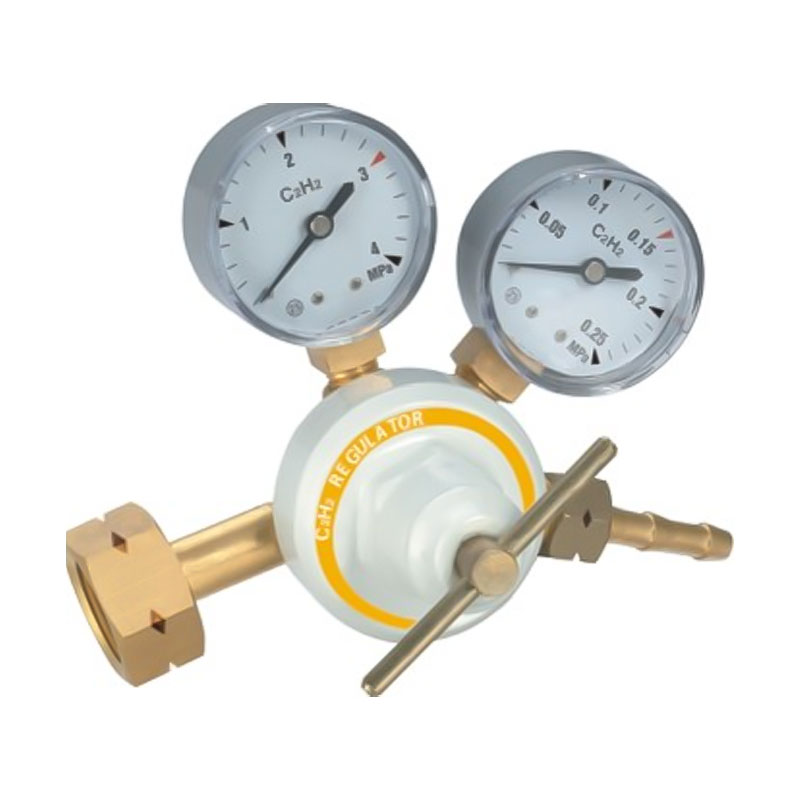
The AR-56 High-Stability Welding and Cutting Acetylene Regulator is designed with a focus on pressur...
See Details -
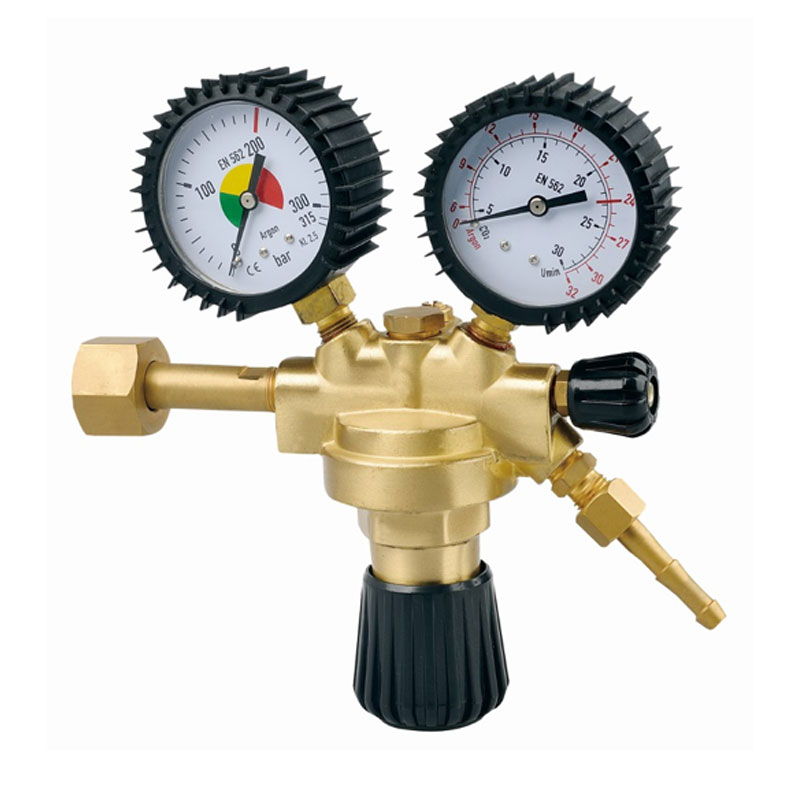
The TR-07 High-Performance Carbon Dioxide Regulator provides a reliable and steady gas pressure cont...
See Details -
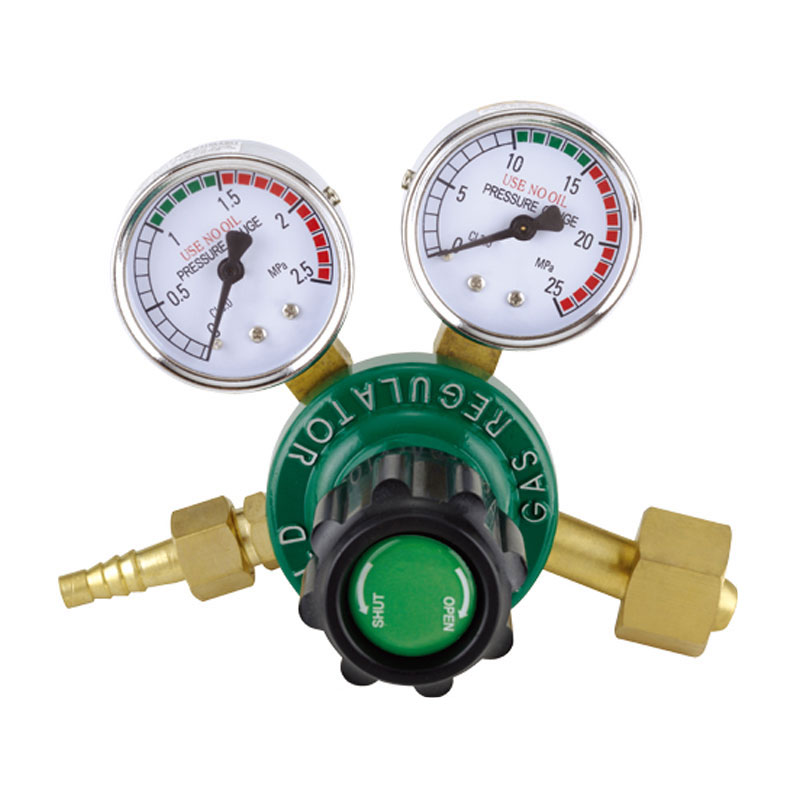
The OR-09 Customizable Pressure and Interface Oxygen Pressure Reducing Controller is designed for pr...
See Details -
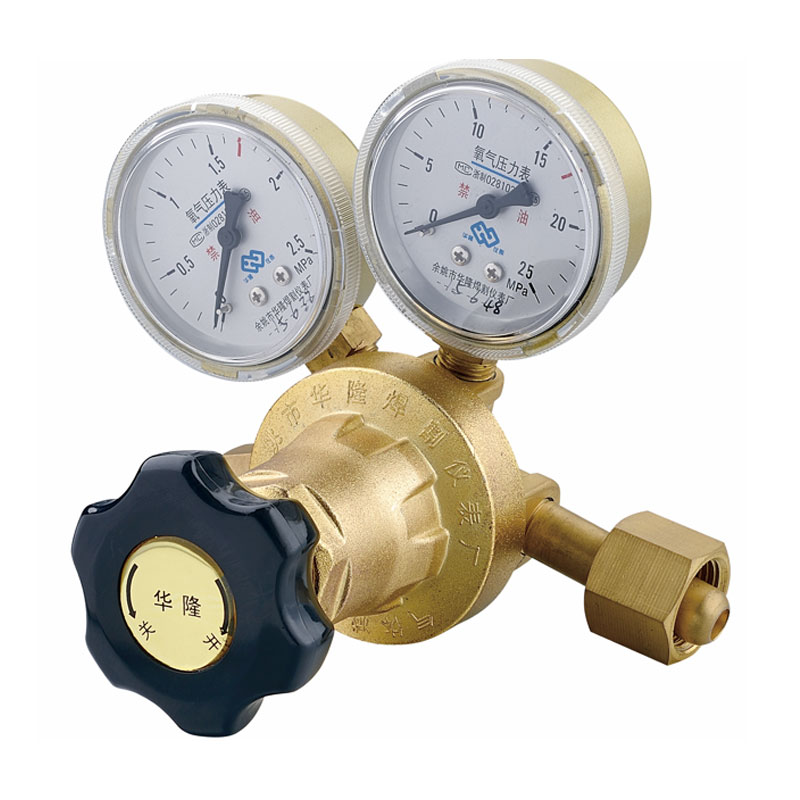
The OR-16 high-performance continuous supply oxygen pressure regulator is suitable for a variety of ...
See Details -
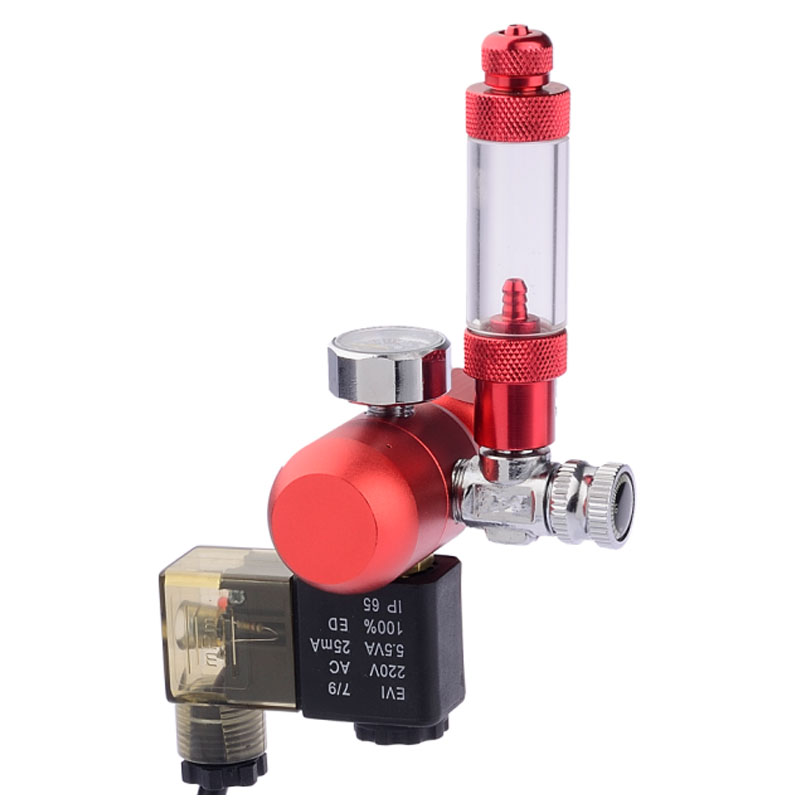
Aquarium CO2 Regulator's precision adjustment design provides accurate CO2 volume at LP 150 PSI / HP...
See Details -
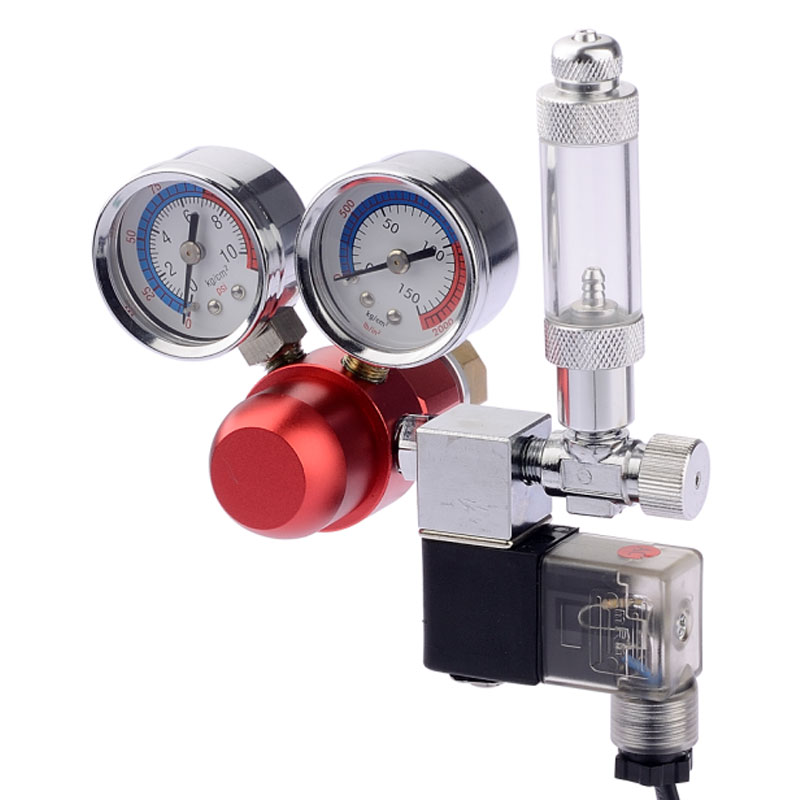
This aquarium CO2 regulator with dual pressure gauges and single bubble counter is designed specific...
See Details -
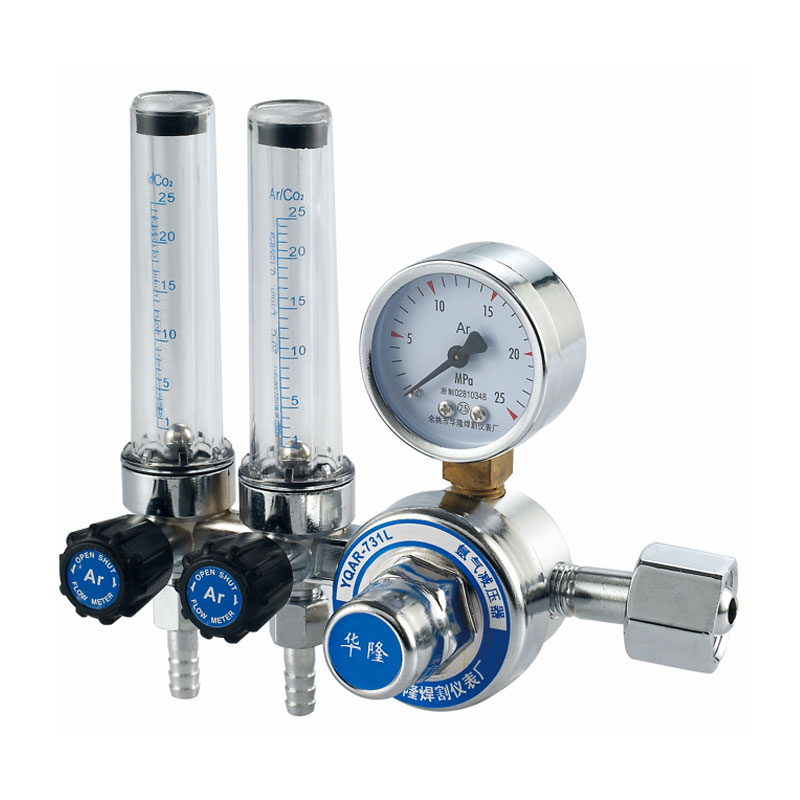
The ArR-01-2 High-Performance Argon Regulator is a pressure management device designed for precision...
See Details

- PRODUCTS
- Pressure Regulator for Welding and Cutting
- Aquarium Pressure Regulator
- Beer and Beverage Pressure Regulator
- Pipeline Pressure Reducer
- CONTACT INFO
-
-
+86-180 6927 8236

-
[email protected]

-
No.1358,Tanjialing West Road, Lanjiang Street,Yuyao, 315400, Zhejiang

-
- MOBILE QR CODE

