

 English
  русский
  Español
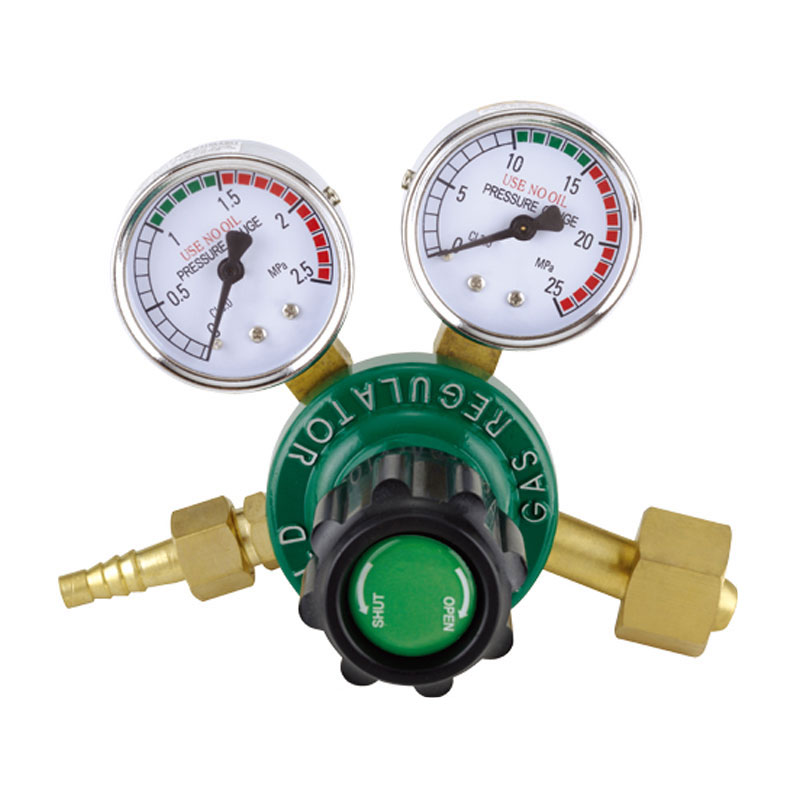
 The OR-09 Customizable Pressure and Interface Oxygen Pressure Reducing Controller is designed for pr...
See DetailsWhat Is a Beer and Beverage Pressure Regulator, and How Does It Work?
Industry News-What Is a Beer and Beverage Pressure Regulator? Direct Answer
A beer and beverage pressure regulator is a mechanical device that controls the flow of CO2 or nitrogen gas from a high-pressure tank down to a safe, consistent working pressure used to dispense draft beer, soda, or other carbonated beverages. Standard CO2 cylinders store gas at pressures up to 800-2000 psi, but most draft beer systems require only 5-15 psi to operate correctly — the regulator is what makes this dramatic pressure reduction possible.
In short: a beverage pressure regulator protects your equipment, keeps drinks properly carbonated, and ensures a consistent, foam-free pour by reducing and stabilizing gas pressure from the tank to the keg or beverage line.
How a Beverage Pressure Regulator Works
Basic Operating Principle
Inside a regulator, high-pressure gas from the CO2 or nitrogen tank enters through an inlet port and pushes against a diaphragm. A spring on the opposite side of the diaphragm, adjusted by the user via a control knob, balances against this gas pressure. When the spring tension and gas pressure reach equilibrium, the regulator opens just enough to let gas flow through at the set output pressure — typically displayed on a low-pressure gauge.
Key Stages of Gas Flow
- High-pressure inlet: Gas enters from the tank at its full stored pressure, shown on the high-pressure gauge
- Diaphragm regulation: The diaphragm and spring mechanism reduce pressure to the desired output level
- Low-pressure outlet: Regulated gas exits toward the keg coupler or beverage line, shown on the low-pressure gauge
- Safety relief valve: Releases excess pressure automatically if the diaphragm fails or pressure spikes unexpectedly
Types of Beer and Beverage Pressure Regulators
| Regulator Type | Configuration | Best For |
|---|---|---|
| Single-Gauge Regulator | Shows only output pressure | Basic home draft systems |
| Dual-Gauge Regulator | Shows both tank and output pressure | Most home and commercial setups |
| Single-Body Multi-Output | One body, multiple output gauges at same pressure | Dispensing multiple kegs at the same carbonation level |
| Dual-Body / Primary-Secondary | Two independent regulator bodies | Serving multiple beverages requiring different pressures |
Recommended Pressure Settings by Beverage Type
Different beverages require different serving pressures to maintain proper carbonation and pour quality. While exact settings vary by line length, temperature, and elevation, general starting points include:
- Standard lagers and ales: Typically 10-12 psi at serving temperature
- Highly carbonated styles (Belgian ales, ciders): Often require 12-30 psi
- Nitro beers (stouts, nitro coffee): Use a nitrogen/CO2 blend regulator, often set around 30-35 psi due to nitrogen's lower solubility
- Soda systems: Commonly set between 30-45 psi depending on the dispensing equipment
Common Problems and Maintenance Tips
Signs of a Faulty Regulator
- Pressure gauge needle creeping upward over time even after adjustment, indicating a worn diaphragm
- Excessive foam or flat beer, suggesting incorrect pressure settings or gas leaks
- Hissing sounds at fittings, often caused by worn gaskets or loose connections
- Gauge reading zero despite a full tank, which may indicate a stuck or frozen regulator
Basic Maintenance Practices
Routine maintenance extends the lifespan of a beverage pressure regulator significantly. Checking gaskets and o-rings every 6-12 months, keeping the regulator clean and free of debris, and avoiding over-tightening connections can prevent most common failures. For commercial systems, an annual full inspection by a qualified technician is recommended to ensure accurate pressure delivery and food-safety compliance.
Choosing the Right Regulator for Your Setup
When selecting a beer and beverage pressure regulator, match the regulator type to the number of kegs and beverage types you're dispensing. A single dual-gauge regulator is sufficient for one keg, while multi-body regulators are better suited for bars or breweries serving multiple beverages at different carbonation levels. Always confirm that the regulator's CO2 inlet matches your tank's valve type (commonly CGA-320 for CO2 cylinders) to ensure a proper, leak-free connection.
By understanding how a pressure regulator works and selecting the right type and pressure settings for your beverage, you can ensure consistent carbonation, reduce gas waste, and deliver a better-quality pour every time.
Related products
-
-
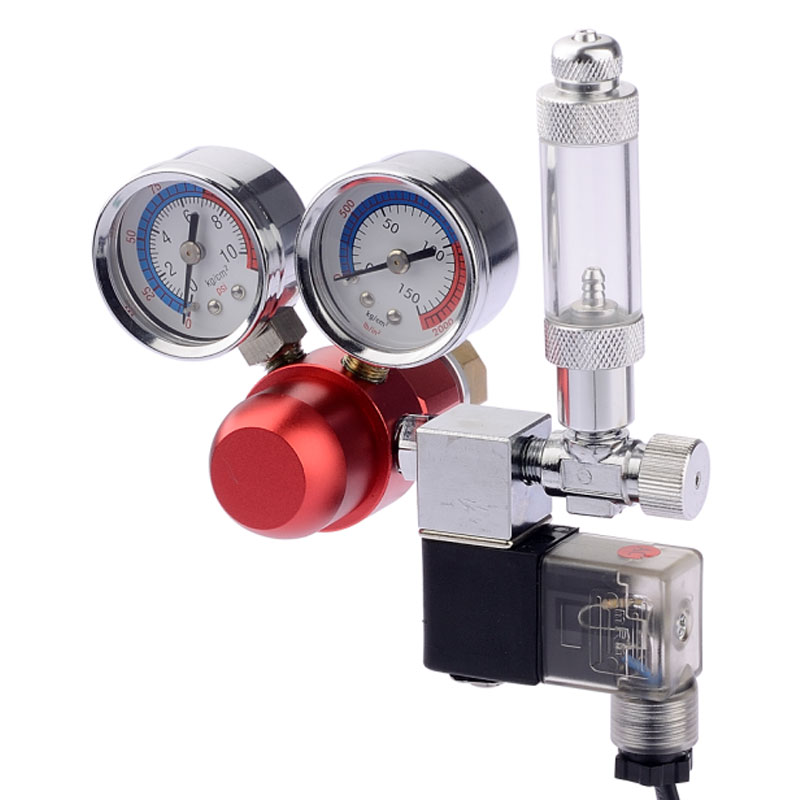
This aquarium CO2 regulator with dual pressure gauges and single bubble counter is designed specific...
See Details -
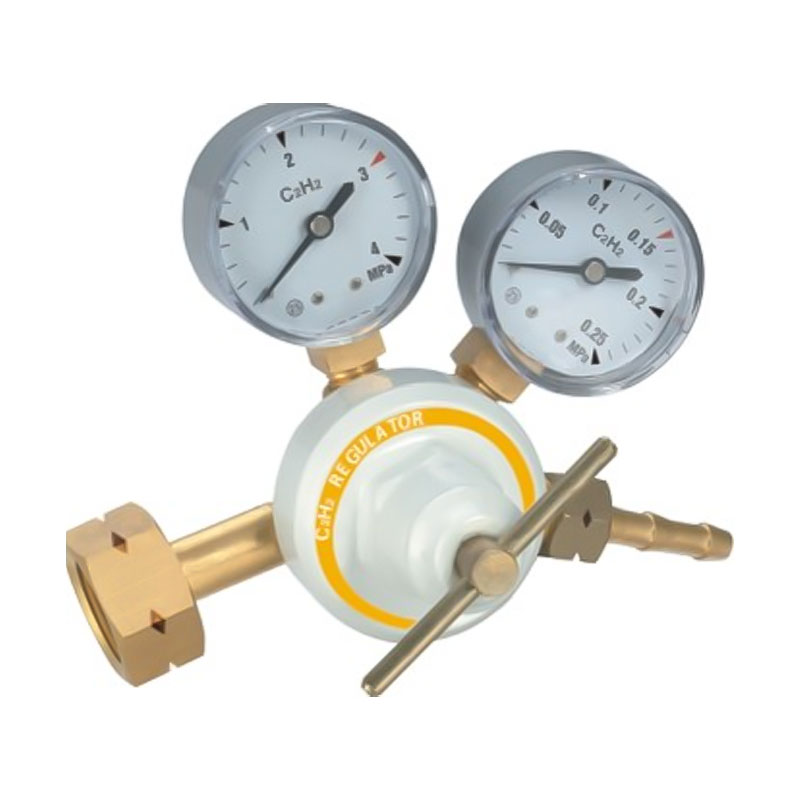
The AR-56 High-Stability Welding and Cutting Acetylene Regulator is designed with a focus on pressur...
See Details -
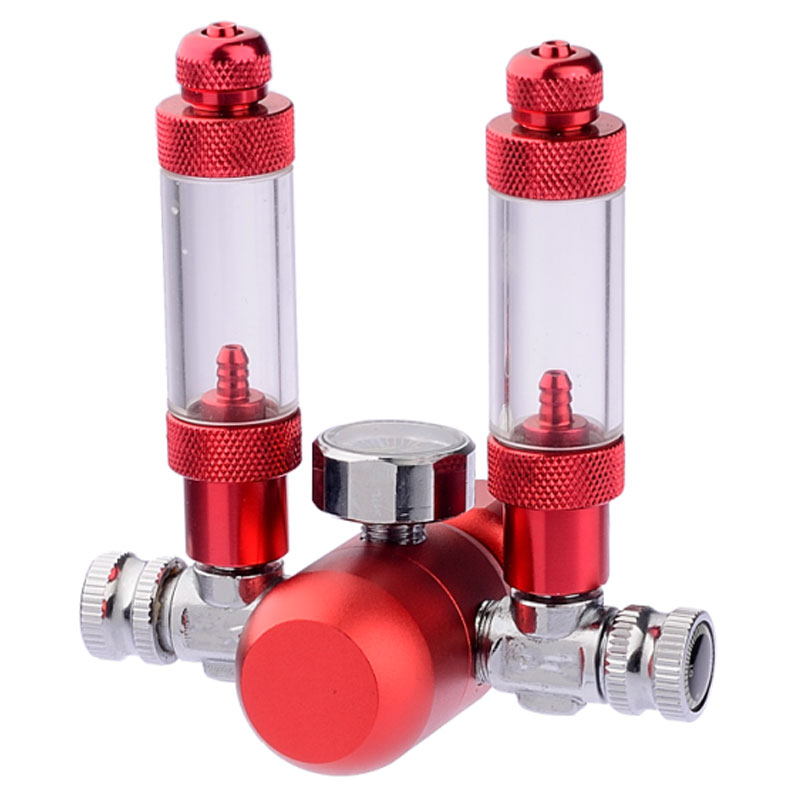
This environmentally friendly dual-gauge CO2 aquarium pressure regulator is designed for aquatic pla...
See Details -
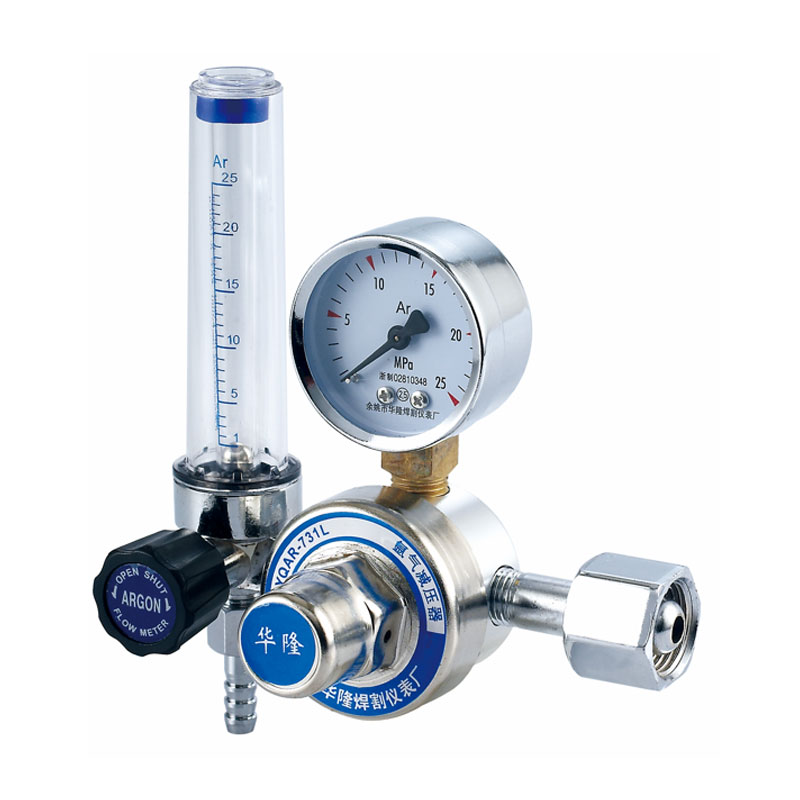
The ArR-01 High-Pressure Argon Cylinder Regulator is a pressure regulation device designed for appli...
See Details -
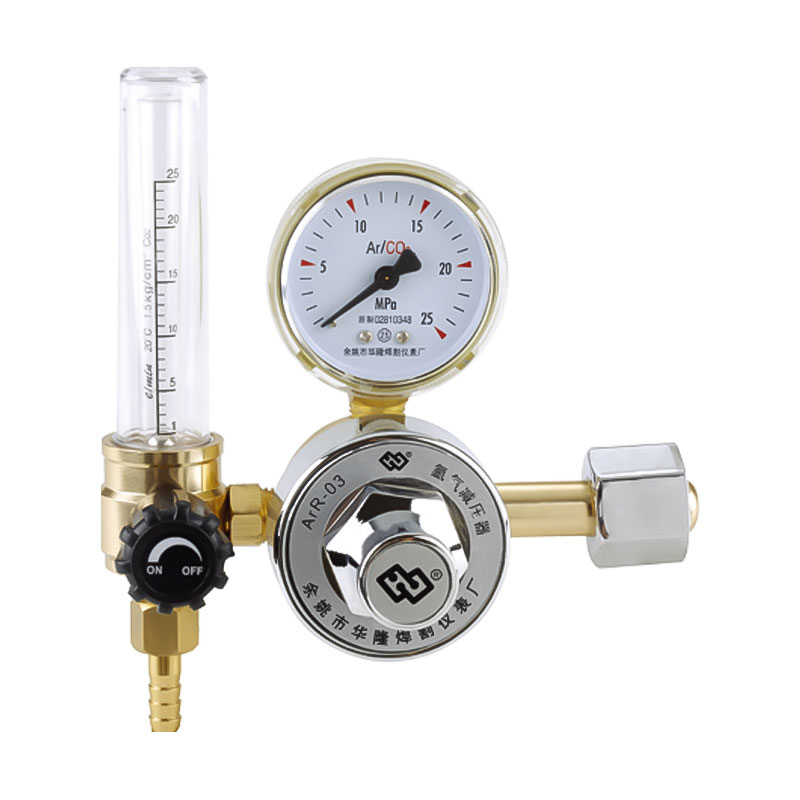
The ArR-02 Industrial Constant-Pressure Argon Regulator is a pressure management device designed for...
See Details -
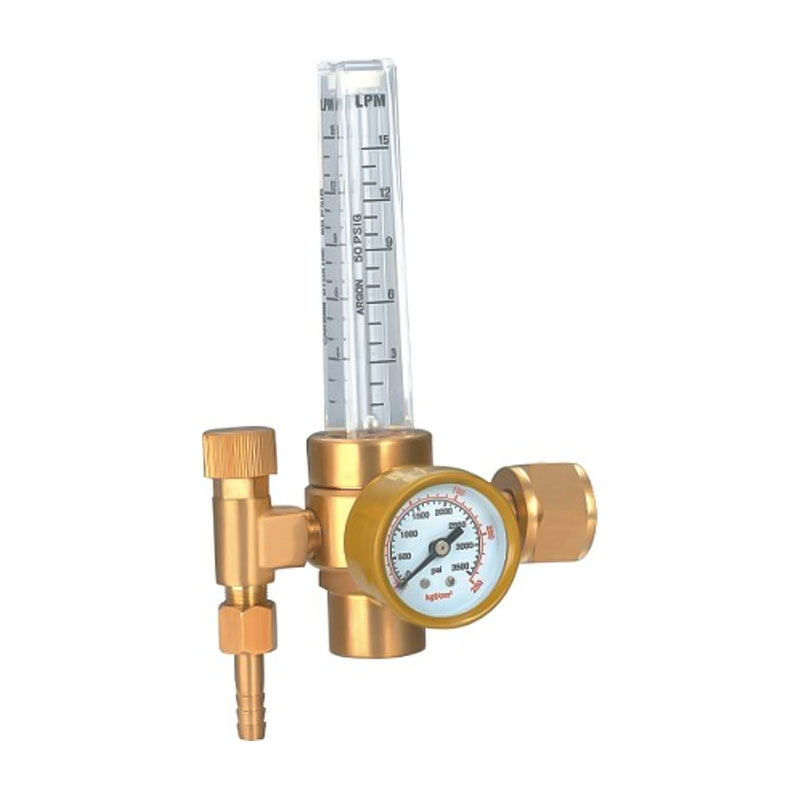
The AR-191T High-Pressure Precision Argon Regulator is a pressure regulation device specifically des...
See Details -
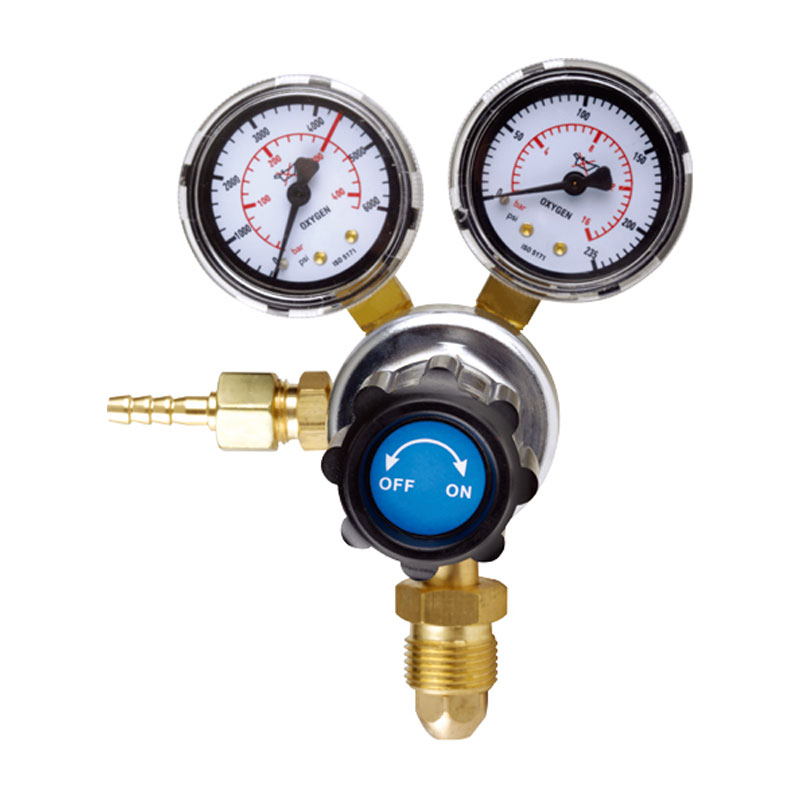
The OR-13 high-pressure precision oxygen regulator is designed specifically for high-pressure applic...
See Details

- PRODUCTS
- Pressure Regulator for Welding and Cutting
- Aquarium Pressure Regulator
- Beer and Beverage Pressure Regulator
- Pipeline Pressure Reducer
- CONTACT INFO
-
-
+86-180 6927 8236

-
[email protected]

-
No.1358,Tanjialing West Road, Lanjiang Street,Yuyao, 315400, Zhejiang

-
- MOBILE QR CODE

