

 English
 русский
 Español
The AR-56 High-Stability Welding and Cutting Acetylene Regulator is designed with a focus on pressur...
See DetailsHow to Use an Acetylene Torch: Safe Setup, Lighting, Cutting, and Shutdown
Industry News-An acetylene torch can weld, braze, heat, bend and cut steel, and it does all of that with a flame that reaches around 3,100 degrees Celsius. That mix of versatility and raw power is exactly why the tool deserves a little respect. The good news is that using one safely is a fixed routine: check the equipment, set the pressures, light, adjust, work, and shut down in the right order.
We have spent years building gas pressure regulators for welding and cutting, and most of the problems people describe to us begin long before the flame is ever lit. So here is the practical version of that conversation, from cylinder to shutdown.
How an Oxy-Acetylene Torch Works
An oxy-acetylene torch burns acetylene (C2H2) in pure oxygen rather than in air. Burn acetylene in air and you get a lazy, yellowish flame; feed it extra oxygen and the heat concentrates into a compact cone that will melt steel in seconds. That is the whole trick behind the tool.
The kit itself is simple: two cylinders, two regulators, two hoses, a torch handle, and either a welding tip or a cutting attachment. The acetylene cylinder is charged to roughly 250 psi and filled with a porous mass soaked in acetone, because acetylene is unstable under pressure. An oxygen cylinder holds around 2,200 psi. The torch body mixes the two gases at the tip.
A cutting attachment adds one more channel: a lever-operated jet of pure oxygen that blasts through preheated steel. Welding and heating use the flame alone; cutting uses the flame plus that oxygen jet.
Setting Up Before You Light Anything
Cylinders first
- Stand both cylinders upright and chain or strap them to a cart or wall.
- Keep them clear of heat, sparks and grease, and work somewhere with airflow.
- Acetylene fittings are left-hand thread and oxygen fittings are right-hand thread. If a nut fights you, you have the wrong one.
- Never put oil or grease near an oxygen fitting. Under pressure, grease plus oxygen is a fire waiting for an excuse.
Regulators decide how the flame behaves
Almost every complaint about a wandering flame, a creeping gauge or a torch that will not hold a setting traces back to the regulator. Its job is to take high cylinder pressure and hold a steady working pressure as the gas is drawn down, which is easy at the start of a cylinder and much harder when it is nearly empty.
Two rules matter with acetylene in particular. Delivery pressure must never exceed 15 psi, roughly one bar, because above that acetylene becomes genuinely dangerous inside a hose or regulator. And never draw gas faster than about one seventh of the cylinder contents per hour, since the acetone needs time to release the gas. If a job demands more flow, manifold two cylinders instead of turning the pressure up.
If you are unsure which model suits your tip size and gas draw, our guide on choosing the right acetylene pressure regulator walks through the practical differences.
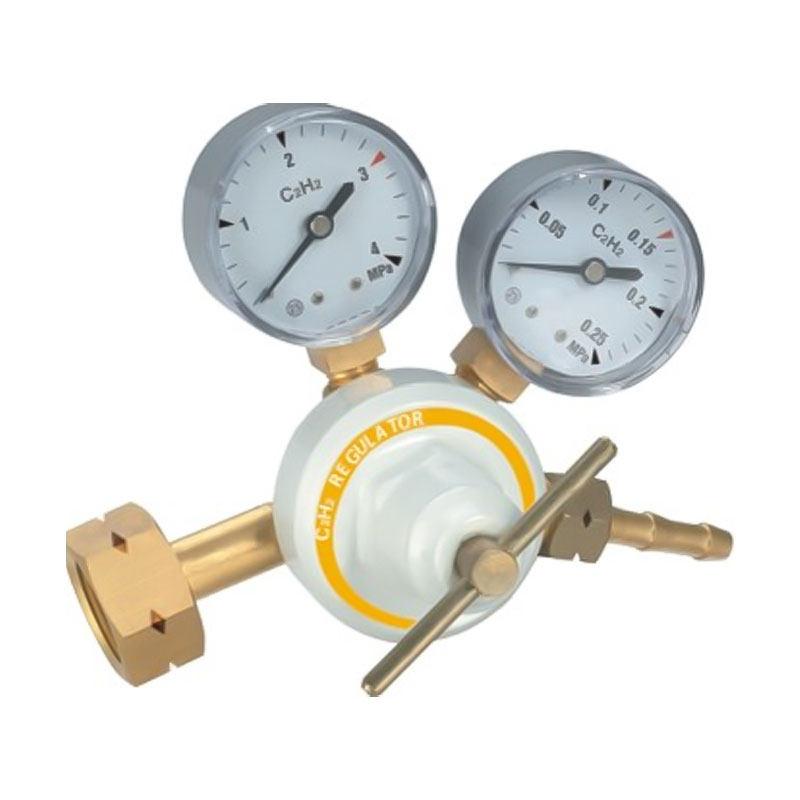 AR-56 High-Stability Acetylene Pressure Regulator for Welding and CuttingFor welders choosing a regulator by tip size and gas draw, it provides stable pressure control, a G5/8-inch inlet, and all-copper or economical versions.View Product →
Hoses, check valves and flashback arrestors
Use red hose for acetylene and green or black for oxygen, and never swap them. Keep hoses as short as the job allows, protect them from hot metal and foot traffic, and replace any hose that is burned, cracked or flattened. Fit a flashback arrestor and a check valve at the regulator outlet. They cost very little and they are the parts that stop a flame travelling back into a cylinder.
Lighting Up and Adjusting the Flame
The order matters, and it is always the same.
- Back off both regulator adjusting screws until they turn freely, before opening any cylinder valve.
- Open the acetylene cylinder valve about a quarter turn. It should never be open more than one and a half turns, so it can be shut quickly in an emergency.
- Open the oxygen cylinder valve slowly at first, then fully, so the high-pressure gauge settles instead of slamming.
- Set the acetylene regulator near 5 psi and the oxygen between 5 and 10 psi, depending on tip size. Adjust while gas is flowing through the torch.
- Open the acetylene torch valve about a quarter turn and light the gas with a striker. A match puts your hand far too close to the tip.
- Increase acetylene until the flame stops smoking and the inner cone is clear.
- Slowly open the oxygen torch valve until the flame sharpens and the feathery section disappears. That is a neutral flame.
- Recheck the pressures and adjust once more before you start work.
Reading the flame
Once you can name the flame, tuning it takes seconds.
| Flame | What it looks like | Typical use |
|---|---|---|
| Carburizing | A long feather beyond the inner cone; soft and bushy | Aluminum welding, some brazing and hardfacing |
| Neutral | Feather merged into a crisp inner cone; about 3,100 C | Most welding, heating and bending |
| Oxidizing | Feather gone, shorter inner cone, hissing note | Cutting and some brass work |
Cutting with the Torch
Cutting is preheating plus a jet of oxygen. Start with an oxidizing flame, hold the tip a few millimetres above the plate, and let the preheat bring a small spot to bright orange, not white, which means you are overheating the steel. Press the oxygen lever, watch for the first shower of sparks, then move steadily along the line.
Keep a consistent travel speed and a slight drag angle, with the tip tilted a few degrees in the direction of travel. Thin plate rewards speed; thick plate rewards patience and a larger tip. Heavy sections draw a great deal of acetylene, and that is where a large-flow regulator keeps working pressure from sagging halfway through a cut. Steady pressure means a steady kerf.
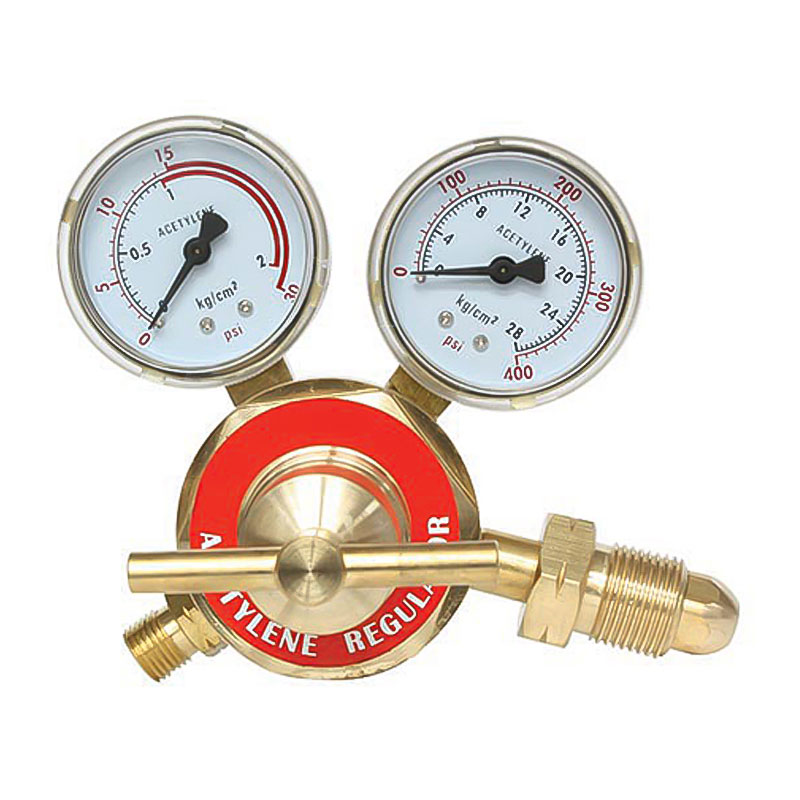 AR-66 Large-Flow Industrial Acetylene Regulator for Heavy-Duty CuttingBuilt for continuous high-draw cutting and heavy sections, it offers adjustable output, a G5/8-inch inlet, and full-copper or economical versions.View Product →
If cutting thick material is part of your daily work, it is worth comparing models built for continuous, high-draw operation. You can browse acetylene pressure regulators by flow and pressure range to see how they differ.
Shutting Down in the Correct Order
Most mishaps with these tools happen at the end of a job, when attention has already moved on. Take thirty seconds and do it properly.
- Close the acetylene torch valve first, then the oxygen torch valve.
- Close both cylinder valves.
- Open the torch valves one at a time to bleed pressure out of the hoses and regulators, then close them again.
- Back off both regulator adjusting screws so they sit slack in storage.
- If the torch is staying unattended, drain the hoses completely. Gas left in a hose under a warm sun will expand.
The Mistakes We See Most Often
- Turning the acetylene regulator past 15 psi for a bigger flame instead of changing the tip or manifold.
- Opening the acetylene cylinder valve all the way, so it cannot be closed quickly.
- Using grease or tape on fittings, or hunting for leaks with a flame instead of soapy water.
- Skipping flashback arrestors because the torch seemed to work fine without them.
- Leaving hoses charged overnight in a workshop where someone might knock a valve open.
Looking After the Regulator and the Torch
Regulators are precision instruments living in a dirty environment, so a little care goes a long way. Store the torch with its valves closed and the adjusting screws backed off, keep tips clean with the correct files, and never keep using a regulator that has taken a hard knock or whose gauges have been broken. The internal seat may be damaged even when the outside looks fine.
When the torch is used every day, a durable industrial regulator earns its place twice: once in consistent flame settings, and again in the years it spends in service. Replace any fitting showing corrosion, and retire hoses on a schedule rather than waiting for one to fail on a job.
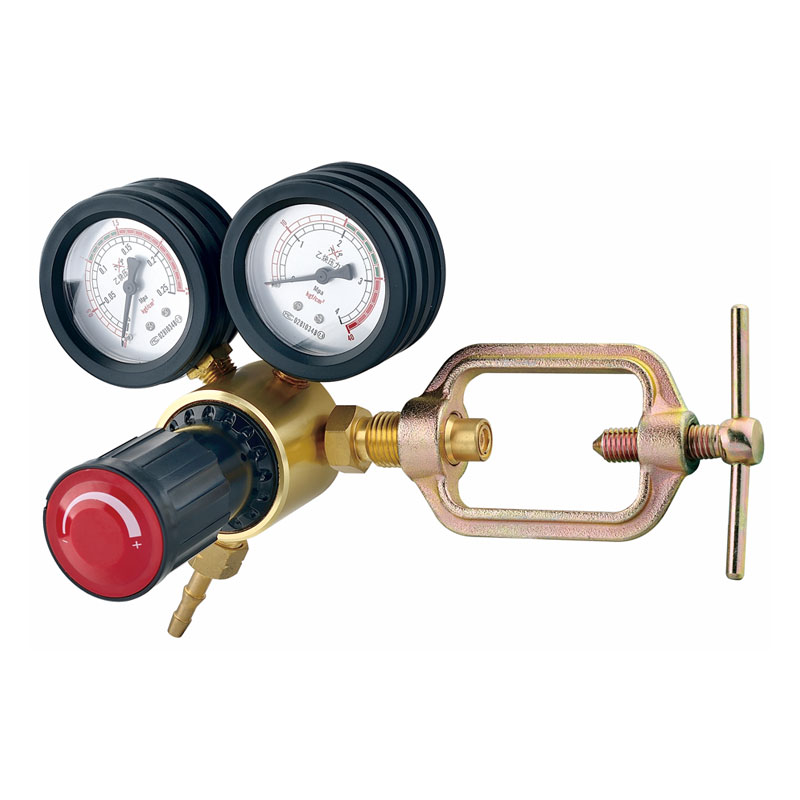 AR-17 Durable Industrial Acetylene Regulator for Daily Welding and CuttingFor daily industrial welding and cutting, it supports stable long-term acetylene supply with smooth flow, reliable sealing, and all-copper or economical options.View Product →
Learning to use an acetylene torch is really learning a routine: equipment checked, pressures set, flame tuned, work done, everything shut down and bled. Follow that order every single time and the tool becomes one of the most useful things in your shop rather than the one you are nervous about.
If you have questions about matching a regulator to your torch and gas draw, our team is always glad to talk through the details. That part of the job is what we know best.
Related products
-

-
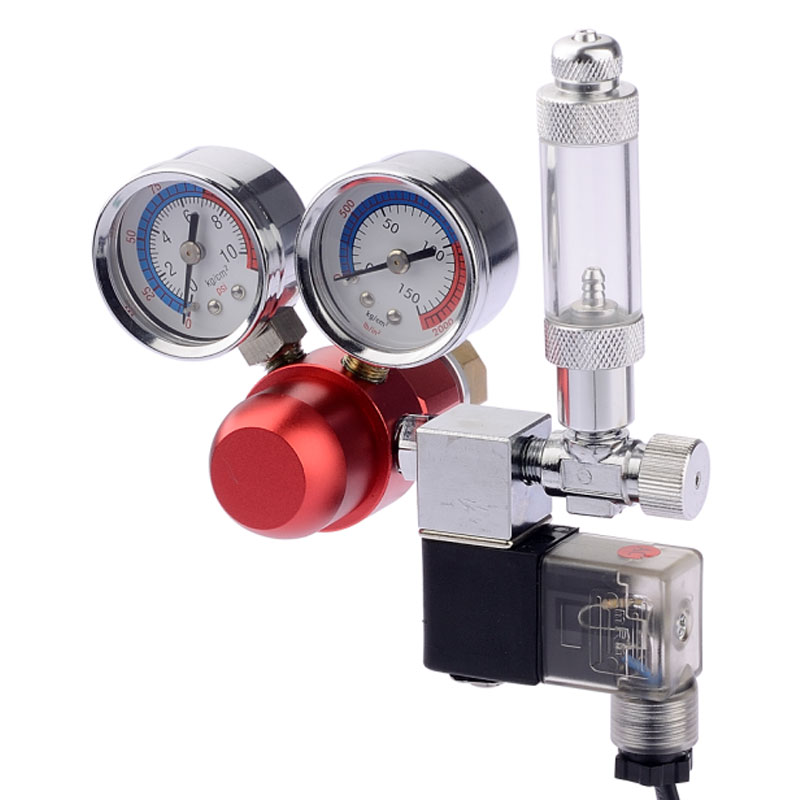
This aquarium CO2 regulator with dual pressure gauges and single bubble counter is designed specific...
See Details -
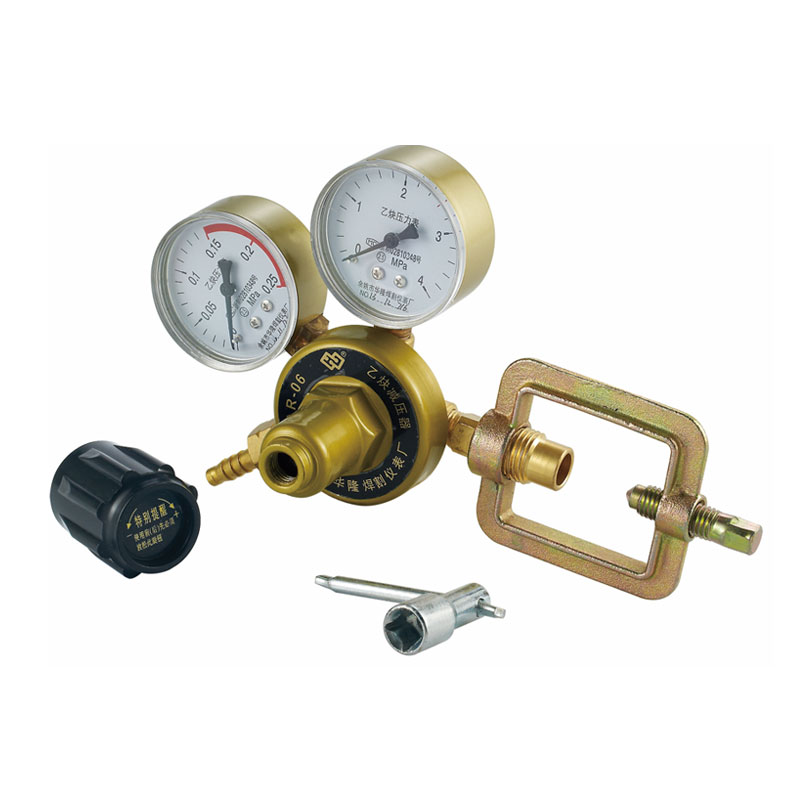
AR-06 High-Performance Acetylene Regulator is designed as a pressure control device for industrial w...
See Details -
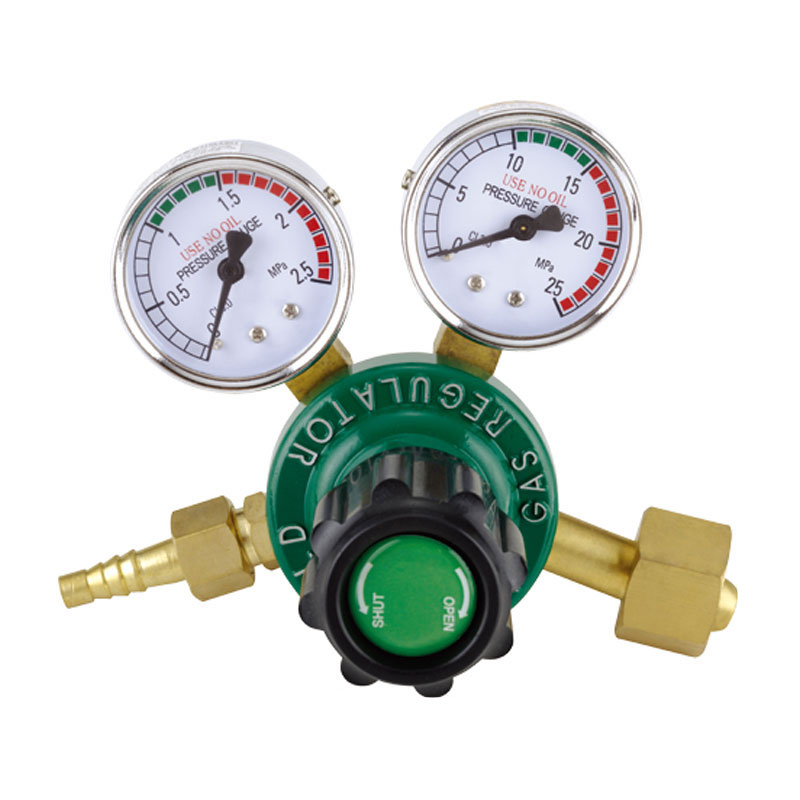
The OR-09 Customizable Pressure and Interface Oxygen Pressure Reducing Controller is designed for pr...
See Details -
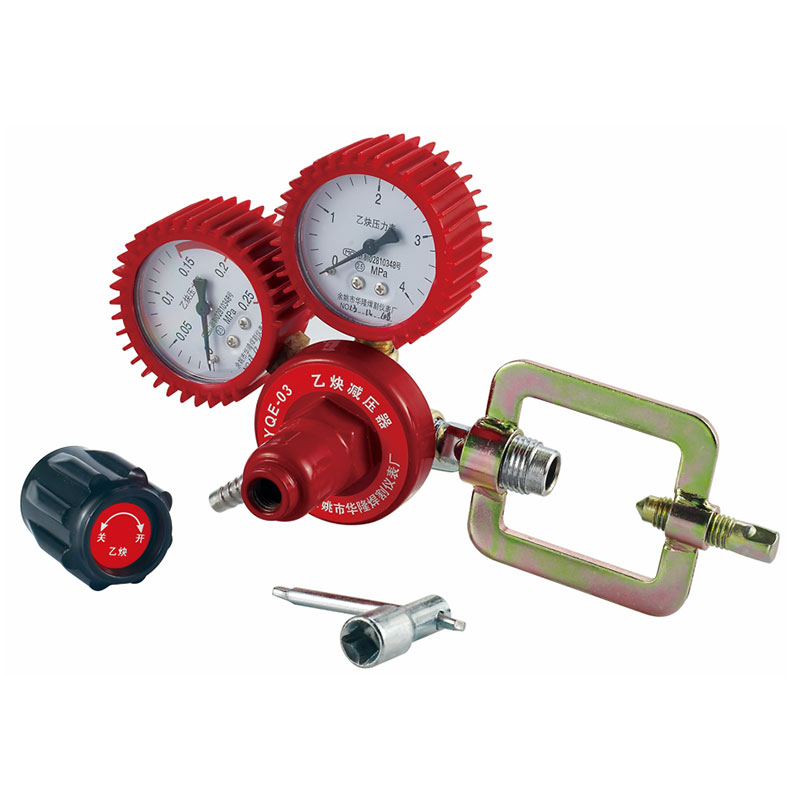
The AR-02 Acetylene Gas Regulator is a pressure control device designed for use with acetylene gas, ...
See Details -
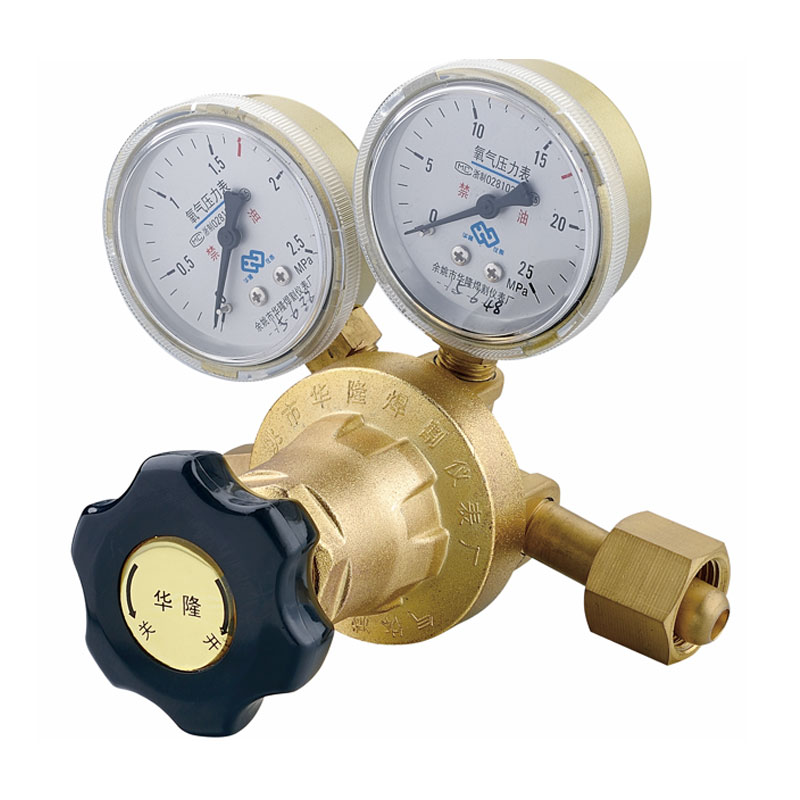
The OR-16 high-performance continuous supply oxygen pressure regulator is suitable for a variety of ...
See Details -
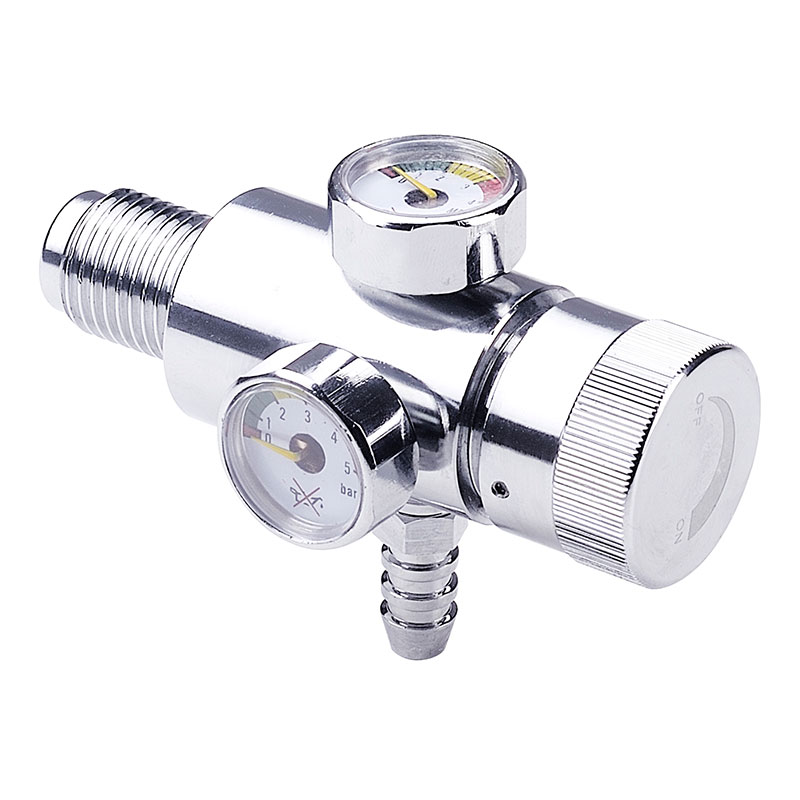
The AR-19 Durable Industrial Acetylene Regulator utilizes a scientifically designed gas path to achi...
See Details -
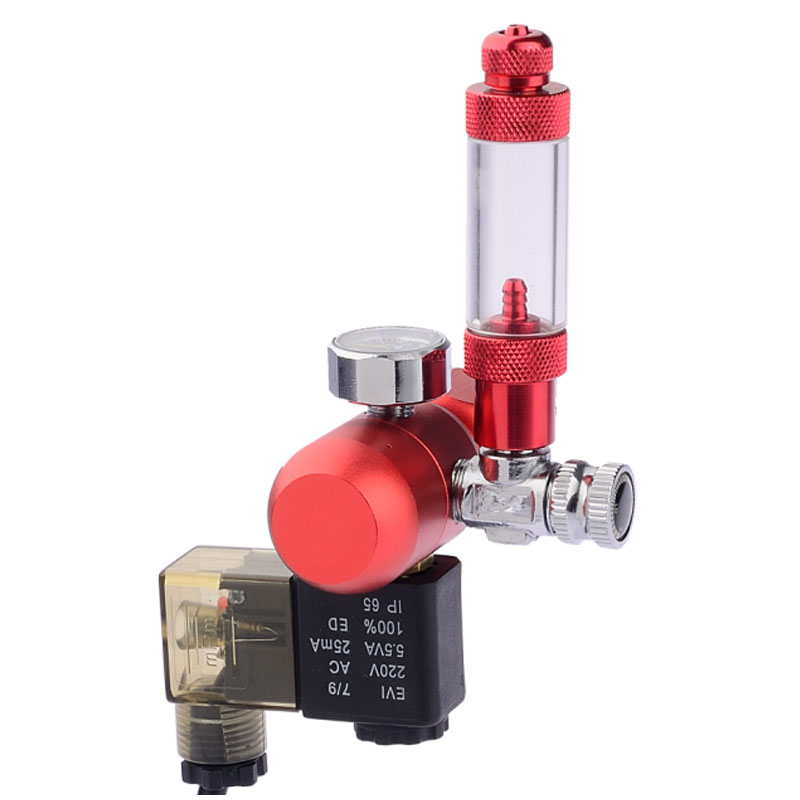
Aquarium CO2 Regulator's precision adjustment design provides accurate CO2 volume at LP 150 PSI / HP...
See Details

- PRODUCTS
- Pressure Regulator for Welding and Cutting
- Aquarium Pressure Regulator
- Beer and Beverage Pressure Regulator
- Pipeline Pressure Reducer
- CONTACT INFO
-
-
+86-180 6927 8236

-
[email protected]

-
No.1358,Tanjialing West Road, Lanjiang Street,Yuyao, 315400, Zhejiang

-
- MOBILE QR CODE

