

 English
 русский
 Español
The OR-17 Multi-Function Oxygen Safety Regulator is a professional device designed for industrial an...
See DetailsAcetylene Torch Safety: Essential Oxy-Fuel Practices for Every Operator
Industry News-Acetylene has powered metalworking shops for more than a hundred years. It burns hot enough to cut steel, it travels easily to almost any job site, and with the right regulator it is remarkably controllable. It is also one of the few industrial gases that can turn dangerous without giving you a second warning. Ask anyone who has spent years behind a torch and you will hear the same short sentence: respect the fuel gas.
This guide gathers the acetylene torch safety habits that matter most, from the well-known 15 psi limit to the small routines — checking hoses, lighting in the right order, shutting down properly — that keep a workshop running without incident. The rules are not complicated, and once they become habit they cost almost no extra time.
Why Acetylene Demands More Respect Than Other Fuel Gases
Most fuel gases simply burn. Acetylene can also decompose. Under pressure, the molecule can break apart in a chain reaction that releases heat and more pressure, and it can do this inside a hose or a regulator without any spark at all. That is the reason behind the famous rule that free acetylene should never be used at pressures above 15 psi, roughly one bar.
Inside the cylinder, the gas is dissolved in acetone within a porous mass, which keeps it stable at far higher pressures. Once it leaves the regulator, that protection is gone. Add a flammable range that stretches from about 2.5 percent to 100 percent in air, and it becomes clear why a small leak that would be a nuisance with propane is a serious event with acetylene. The garlic-like odour helps you notice a leak, but your nose should never be the only detector in the room.
Acetylene Torch Safety Limits at a Glance
Keep these numbers and habits where everyone in the shop can see them. They condense most of the practical guidance below into a single page.
| Parameter | Safe practice | Why it matters |
|---|---|---|
| Acetylene delivery pressure | Keep at or below 15 psi | Free acetylene above this pressure can decompose violently with no ignition source |
| Cylinder valve opening | Half a turn to 1.5 turns, no more | A quick quarter-turn shuts the gas off if a hose or torch catches fire |
| Torch ignition | Friction spark lighter only | Matches and lighters can be drawn into the gas stream and pulled toward the tip |
| Hose identification | Red for acetylene, green or blue for oxygen | Colour coding plus left-hand fuel fittings prevent a dangerous cross-connection |
| Leak testing | Soapy water or an approved leak detector | A flame, spark, or hot surface can ignite a small leak instantly |
| Work area | Well ventilated, clear of ignition sources | Acetylene is an asphyxiant and its flammable range in air is extremely wide |
Pre-Job Equipment Checks
Ten minutes of inspection before the first strike of the day prevents most of the incidents we hear about. Cylinders should stand upright and be secured with a chain or strap, with caps in place whenever they are being moved. Check that valves are free of oil, grease, and grit — oil and grease are especially unwelcome on oxygen fittings, where they can ignite on contact with the gas.
Run your eyes along every hose, looking for cracks, burns, flat spots, and worn patches, and confirm the fittings are tight and correct for the gas. Fuel gas connections use left-hand threads, so an acetylene hose will not fit an oxygen outlet, and that mismatch is intentional. Make sure check valves and flashback arrestors are fitted and undamaged, then check the regulator body, gauges, and stem. Leak test every joint with soapy water rather than a flame, and dress for the job: tinted goggles or a face shield, leather gloves, and flame-resistant clothing with no synthetic fibres near the flame.
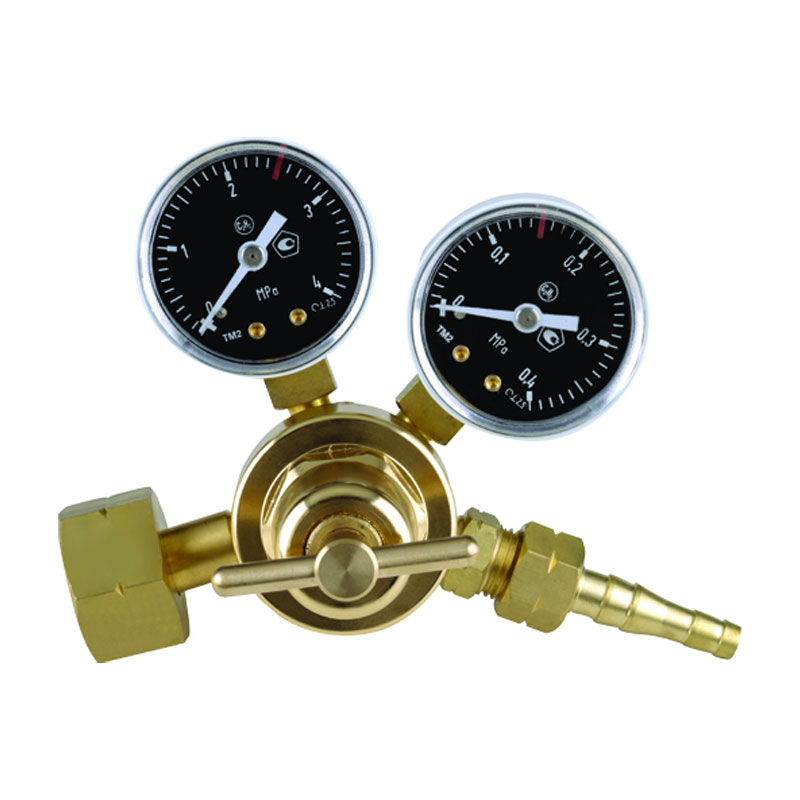 AR-57 All-Brass Acetylene Pressure Regulator for Heavy-Duty UseHeavy-duty acetylene regulator with brass body, stable output for continuous welding and cutting, and durable construction suited to demanding workshop environments.View Product →
Fabricators who run long shifts often prefer an all-brass regulator body, because it shrugs off workshop knocks and stays accurate far longer than a lightweight unit. Our acetylene pressure regulators are built around exactly that idea — a dependable seat, a readable gauge, and a body that survives the shop floor.
Setting Regulator Pressure Correctly
Before opening any cylinder valve, back the regulator adjusting screw out until it turns freely. Opening a valve against a loaded regulator sends a pressure spike through the seat that can shorten its life or damage the gauge. Open the cylinder valve slowly while standing to the side of the regulator, never in front of the gauges, and open the acetylene valve no more than one and a half turns.
Set the acetylene delivery pressure according to the tip chart for your torch, usually somewhere between 3 and 8 psi for common cutting and welding tips, and never above the 15 psi ceiling. If the delivery gauge creeps upward after you stop turning the screw, the seat is passing gas and the regulator needs service before the torch is lit again. A regulator that drifts is not simply inconvenient; an unstable fuel pressure changes the flame while you are working, which is exactly when mistakes happen.
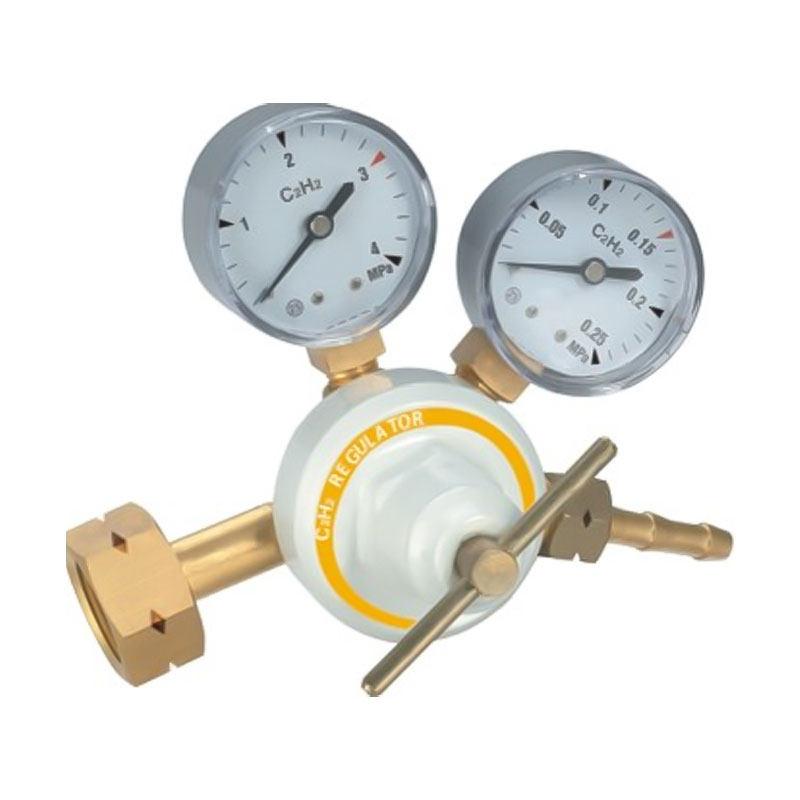 AR-56 High-Stability Acetylene Regulator for Welding and CuttingCompact acetylene pressure regulator offers stable output and accurate adjustment for welding, cutting, and mobile industrial work where consistent gas flow matters.View Product →
If you are unsure which size or model suits your torch and workload, our short guide to choosing the right acetylene pressure regulator walks through tip sizes, flow demand, and pressure ranges in plain terms.
Lighting the Torch Safely
The order of operations here is not a matter of preference; it is what keeps the flame where it belongs.
- Confirm both regulator screws are backed out and both torch valves are closed.
- Open the acetylene cylinder valve slowly, no more than 1.5 turns, standing to the side.
- Set the acetylene delivery pressure with the adjusting screw, staying at or below 15 psi.
- Open the oxygen cylinder valve fully, then set the oxygen delivery pressure.
- Purge each hose briefly to clear air from the lines, then close the torch valves.
- Open the acetylene torch valve slightly and light the gas with a friction lighter, holding the tip away from your body and away from the cylinders.
- Increase the acetylene until the flame stops smoking, then open the oxygen valve gradually until the inner cone becomes sharp and clearly defined.
Shutting Down in the Correct Order
- Close the acetylene torch valve first to extinguish the flame, then close the oxygen torch valve.
- Close the acetylene cylinder valve, then close the oxygen cylinder valve.
- Open the torch valves to bleed the remaining gas from the hoses and regulators, then close them again.
- Back both regulator adjusting screws out until they turn freely, leaving the seats unloaded.
- Coil the hoses loosely, hang them off the floor, and check them once more before storage.
Leaving a regulator pressurised overnight is one of the most common habits we see in busy shops, and it is also one of the easiest to fix. Backing off the screws takes seconds and spare parts arrive far less often.
Flashback Arrestors, Check Valves, and Hose Care
A flashback arrestor is the last line of defence between a flame and the gas in your hoses. Fitted at the regulator outlet or the torch inlet, it quenches a flame travelling backwards through the line, while a check valve stops gas from one hose flowing into the other. Both need to be present, matched to the gas, and inspected regularly, because an arrestor that has already done its job once may not do it twice.
Hoses deserve the same attention. Keep them away from hot metal, sharp edges, and traffic routes, and never use a hose to pull a cylinder along. If a hose shows a bulge, a soft spot, or a fitting that has been cut and re-clamped, replace it rather than repair it. Damaged hose is cheap to swap and expensive to ignore.
Storage, Ventilation, and Everyday Habits
Store cylinders upright with caps on, away from heat and out of direct sun. Oxygen and fuel gas cylinders should be separated by at least 20 feet, or by a non-combustible barrier at least five feet high with a half-hour fire rating. Acetylene cylinders in particular should never be laid on their side for storage or use, because the acetone inside can migrate and the gas can come out unstable.
- Work in a ventilated area; never use a torch in a confined space without forced air.
- Keep a suitable fire extinguisher within reach and know how to use it.
- Never use cylinders as rollers, work supports, or earthing points.
- Post a fire watch when cutting near combustible material, and check the area again after you finish.
- Train every new operator before they touch a torch, not after their first incident.
If Something Goes Wrong
- Pop or flashback at the tip: shut off both torch valves immediately, then close the cylinder valves and let the equipment cool before inspecting it.
- Hose fire: close the cylinder valve, because the short valve opening is exactly why it can be closed quickly.
- Leaking cylinder: clear the area, ventilate, remove ignition sources, and contact your gas supplier.
- Overheated cylinder: keep people back, cool the cylinder with water from a protected position, and call the fire service. A heated acetylene cylinder can rupture.
Final Thoughts
Acetylene torch safety comes down to a handful of habits repeated every single day: keep the pressure at or below 15 psi, open cylinder valves only partway, light and shut down in the right order, and treat every hose and fitting as a piece of safety equipment rather than an accessory. None of it slows down good work. It simply means everyone goes home at the end of the shift, which has always been the point.
Related products
-
-
The OR-57 High-Safety Multifunctional Oxygen Regulator effectively reduces and regulates cylinder pr...
See Details -
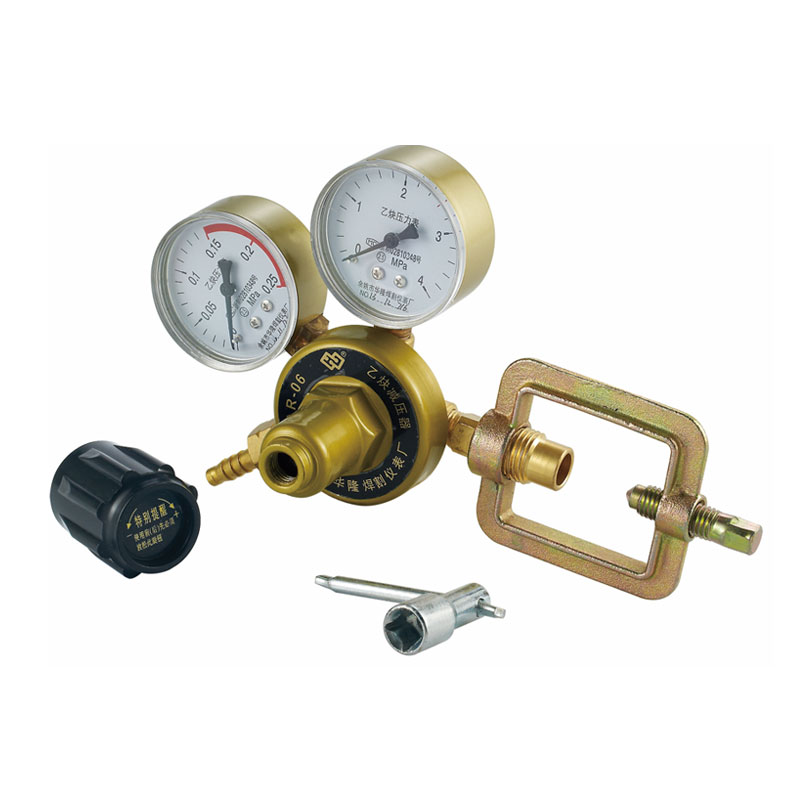
AR-06 High-Performance Acetylene Regulator is designed as a pressure control device for industrial w...
See Details -
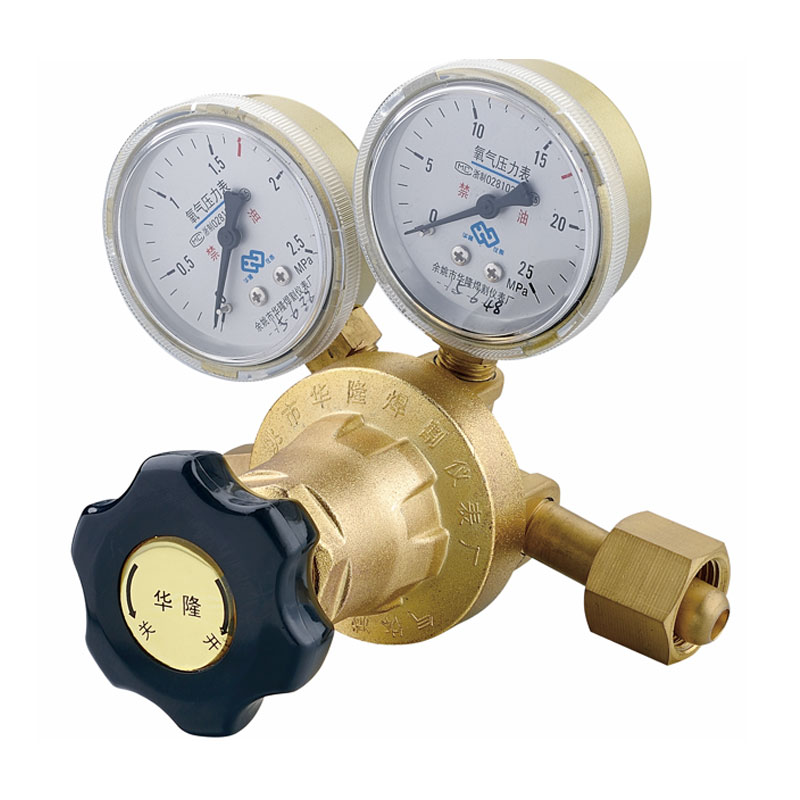
The OR-16 high-performance continuous supply oxygen pressure regulator is suitable for a variety of ...
See Details -
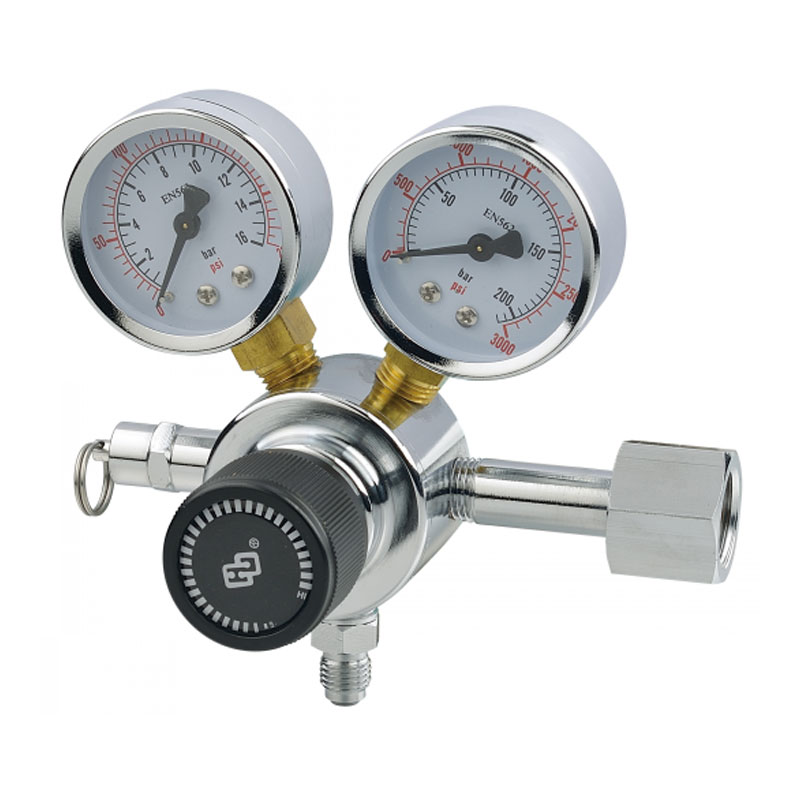
The multi-purpose CO2 pressure reducer for beverage systems is manufactured from chrome-plated brass...
See Details -
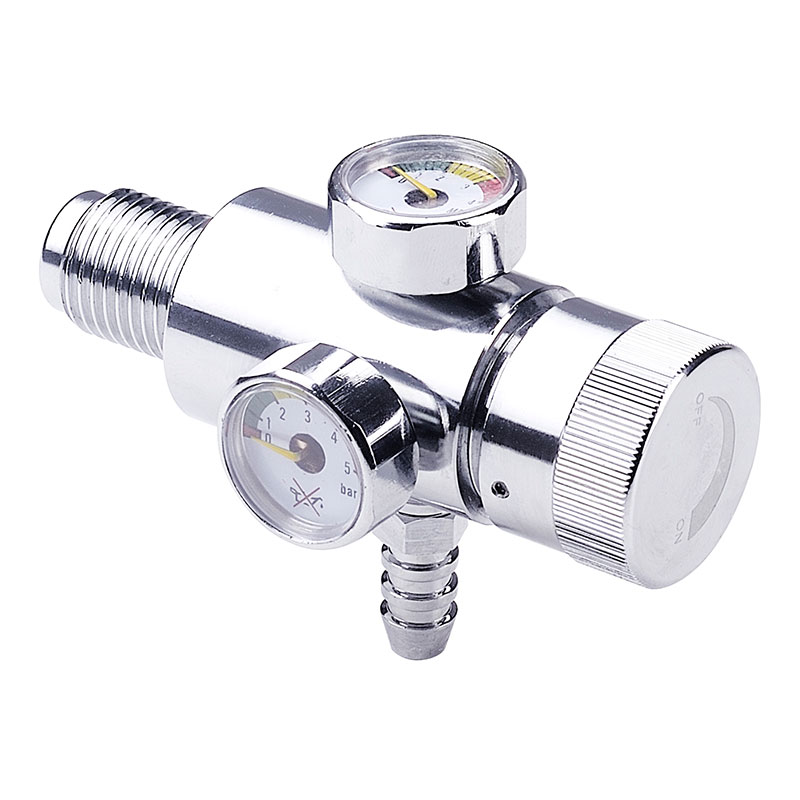
The AR-19 Durable Industrial Acetylene Regulator utilizes a scientifically designed gas path to achi...
See Details -
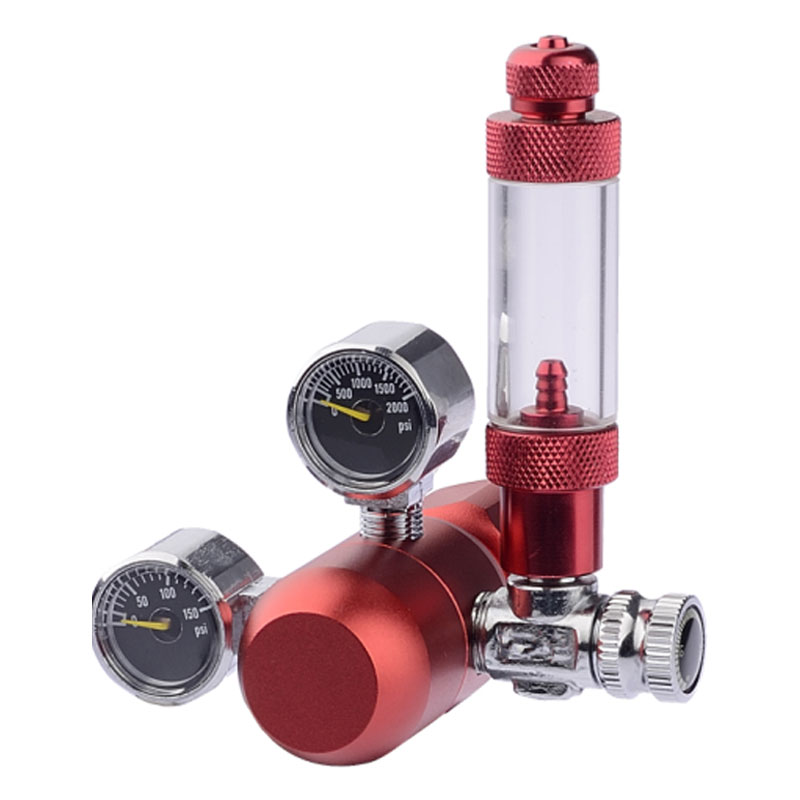
This digital CO2 regulator for aquarium systems provides stable gas support for aquatic plant landsc...
See Details -
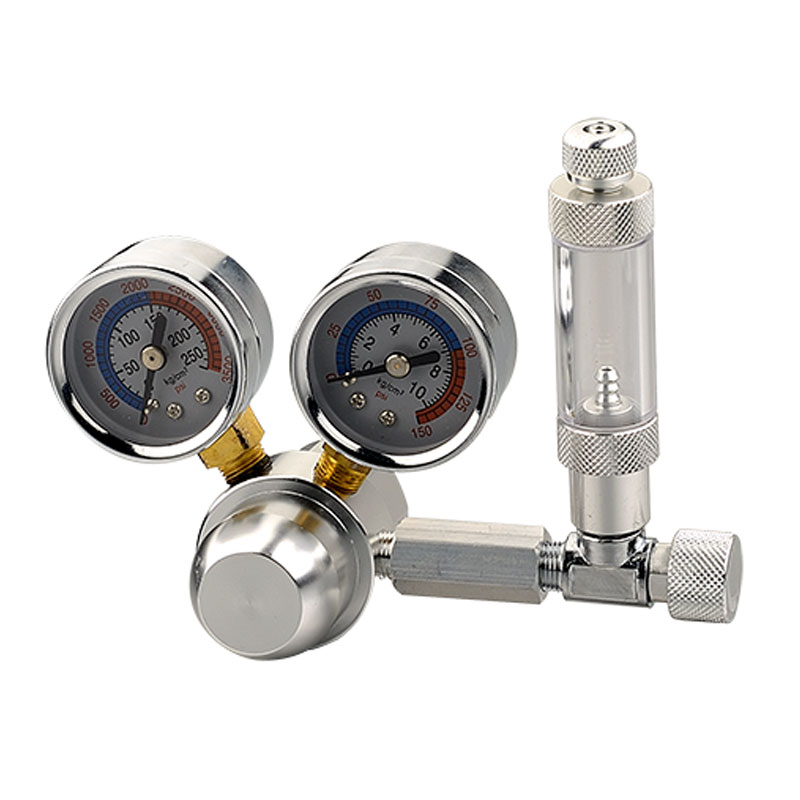
This compact CO2 regulator for aquarium plants is designed specifically for aquatic plant hobbyists ...
See Details

- PRODUCTS
- Pressure Regulator for Welding and Cutting
- Aquarium Pressure Regulator
- Beer and Beverage Pressure Regulator
- Pipeline Pressure Reducer
- CONTACT INFO
-
-
+86-180 6927 8236

-
[email protected]

-
No.1358,Tanjialing West Road, Lanjiang Street,Yuyao, 315400, Zhejiang

-
- MOBILE QR CODE

