

 English
  русский
  Español
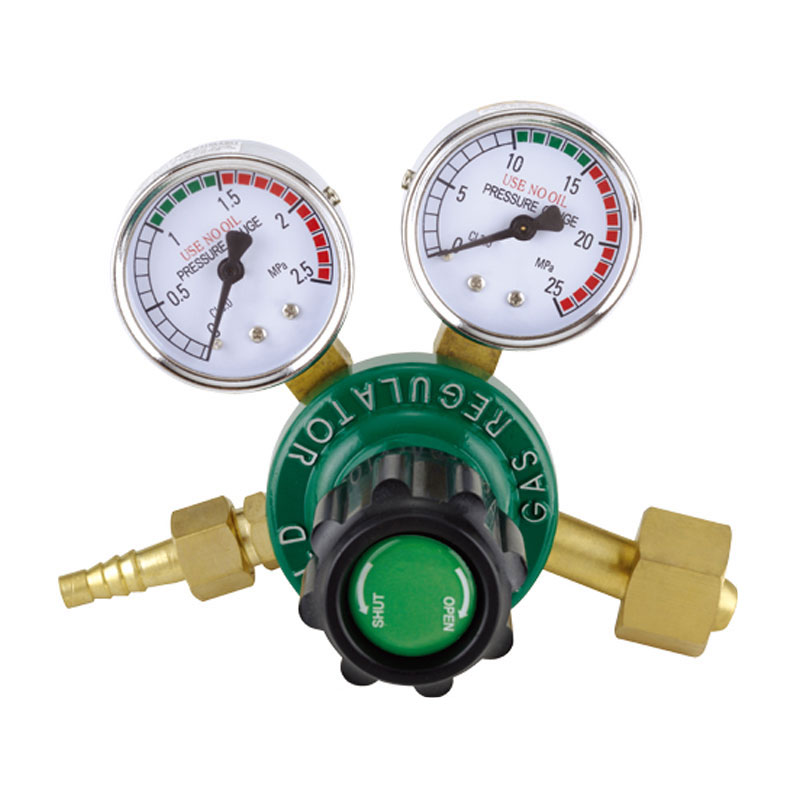
 The OR-09 Customizable Pressure and Interface Oxygen Pressure Reducing Controller is designed for pr...
See DetailsWhat Is the Difference Between a Pipeline Pressure Reducer and a Pressure Relief Valve?
Industry News-The fundamental difference is one of purpose and operating mode: a pipeline pressure reducer (also called a pressure reducing valve or PRV) is a active flow-control device that continuously regulates downstream pressure to a lower set point during normal operation, while a pressure relief valve (PRV) is a safety device that remains closed during normal operation and only opens to vent excess pressure when the system exceeds a defined limit. One manages pressure as part of everyday system function; the other exists exclusively to prevent catastrophic overpressure events.
Core Function: What Each Device Actually Does
Understanding the operational role of each device is the starting point for distinguishing them correctly.
Pipeline Pressure Reducer
A pipeline pressure reducer sits in-line with the flow path and works continuously. It senses downstream pressure via a diaphragm or piston, compares it to a spring-set reference pressure, and modulates the valve opening to maintain the downstream pressure at the desired set point — regardless of fluctuations in upstream pressure or downstream flow demand. If upstream pressure is 10 bar and the set point is 3 bar, the reducer maintains 3 bar downstream at all times during normal flow.
Pressure Relief Valve
A pressure relief valve is installed on a branch connection — not in-line with the main flow path. It stays fully closed during normal operation and only opens when system pressure reaches its set point, venting fluid to atmosphere, a drain, or a safe discharge point to prevent the system from exceeding its maximum allowable working pressure (MAWP). Once pressure drops below the set point, the relief valve closes again. It does not regulate; it reacts.
How Each Device Works: Internal Mechanism Compared
Inside a Pipeline Pressure Reducer
Most pipeline pressure reducers operate on a balanced diaphragm principle:
- An adjustment spring applies a downward force on the diaphragm, representing the desired downstream pressure set point
- Downstream pressure acts upward on the diaphragm through a sensing port
- When downstream pressure drops below the set point, the spring force exceeds the sensing force — the diaphragm moves down, opening the valve plug and allowing more flow through
- When downstream pressure rises to the set point, the forces balance — the valve modulates toward closed
- This continuous balancing act maintains a stable downstream pressure across a wide range of flow conditions
Inside a Pressure Relief Valve
A pressure relief valve operates on a direct spring-loaded disc principle:
- A spring-loaded disc is held closed against a seat by a pre-compressed spring — this spring force defines the relief set pressure
- System pressure acts on the underside of the disc at all times
- During normal operation, system pressure is below the spring force — the disc stays firmly seated and no flow occurs
- When system pressure rises to the set point, it overcomes the spring force — the disc lifts and fluid discharges through the outlet port
- As pressure drops back below the set point, the spring reseats the disc and flow stops
Side-by-Side Comparison: Key Differences at a Glance
| Characteristic | Pipeline Pressure Reducer | Pressure Relief Valve |
|---|---|---|
| Primary Role | Pressure regulation (control) | Overpressure protection (safety) |
| Operating State | Continuously active during flow | Normally closed; opens only in fault conditions |
| Installation Position | In-line with main flow path | Branch connection; not in main flow |
| Pressure Monitored | Downstream pressure | Upstream / system pressure |
| Flow Direction | Passes flow downstream continuously | Diverts flow to discharge/vent when open |
| Response Type | Continuous modulation | Binary: open or closed |
| Set Point Purpose | Target downstream operating pressure | Maximum allowable system pressure |
| Regulatory Classification | Process control device | Safety device (mandatory in most codes) |
| Key Standards | ISO 4126, EN 1567 | ASME Section VIII, API 520/521, EN ISO 4126 |
| Can Replace Each Other? | No — they serve entirely different functions and must both be present in most systems | |
Why Both Devices Are Required in the Same System
A common misconception is that a pressure reducer eliminates the need for a pressure relief valve. In reality, most pipeline codes and safety regulations require both to be present — and for good reason: a pressure reducer can fail.
Consider a typical domestic water supply scenario. The municipal supply enters a building at 8 to 12 bar. A pressure reducer steps this down to a safe working pressure of 3 bar for the internal plumbing. If the reducer's diaphragm ruptures or the seat becomes eroded, full upstream pressure can pass through to the downstream system — exposing pipes, fittings, and appliances rated for 3 bar to pressures of 8 to 12 bar. Without a relief valve downstream of the reducer, a pipe burst or appliance failure is the likely outcome.
This is why EN 806 (European plumbing standard) and the Uniform Plumbing Code (UPC) in the United States both mandate a pressure relief valve downstream of any pressure reducing station in potable water systems. The same principle applies in steam, gas, and industrial process systems governed by ASME B31.1, B31.3, and equivalent international codes.
Pressure Reducer vs. Pressure Relief Valve: Real-World Application Examples
Seeing how each device is applied in practice makes the distinction concrete:
Residential Water Supply
- Pressure reducer: Installed at the building entry point to reduce municipal supply pressure from 8–12 bar to a household-safe 2.5–3 bar — protects washing machines, dishwashers, and pipework rated for lower pressures
- Pressure relief valve: Installed on the hot water cylinder or boiler to discharge water if the thermostat fails and the system overheats, generating excess pressure — prevents tank rupture or explosion
Industrial Steam System
- Pressure reducer: Steps down high-pressure steam from a 15 bar distribution header to 4 bar for process equipment that requires lower-pressure saturated steam
- Pressure relief valve: Fitted to the low-pressure side of the reducing station and set at 5 bar — opens automatically if the reducer fails open and full header pressure reaches the low-pressure system
Natural Gas Distribution
- Pressure reducer: Reduces transmission pipeline pressure of 70 bar to a distribution pressure of 4 bar at city gate stations, and again from 4 bar to 21 mbar at the service entry of individual buildings
- Pressure relief valve: Installed at each pressure reduction stage to vent gas safely to atmosphere if a reducing valve fails — mandatory under gas safety regulations in all major jurisdictions
Types of Pressure Relief Valves and How They Differ from Each Other
Not all pressure relief valves work identically. The three main types encountered in pipeline systems are:
- Safety relief valve (SRV): Used for both liquid and gas/steam service — opens proportionally to the degree of overpressure rather than snapping fully open, providing more controlled discharge. Common in water and general process systems
- Safety valve: Designed specifically for compressible fluids (steam and gas) — opens rapidly and fully (pop action) to maximize discharge capacity at the set pressure. Mandatory on steam boilers under ASME Section I
- Bursting disc (rupture disc): A one-time-use pressure relief device — a thin metal disc that ruptures at a precise pressure, providing instant full-bore relief. Used where a relief valve might leak or be too slow to respond, or where fluid contamination of a spring-loaded valve is a concern. Once ruptured, the entire disc must be replaced
Common Confusion: Pressure Reducing Valve vs. Pressure Sustaining Valve
One additional source of confusion worth clarifying: a pressure sustaining valve (PSV) is sometimes mistaken for a pressure relief valve, but it serves a different purpose. A pressure sustaining valve maintains a minimum upstream pressure by throttling flow downstream — the opposite action of a pressure reducer. It is commonly used in water distribution systems to ensure adequate pressure for upstream offtakes before allowing flow to continue downstream. Like a pressure reducer, it is a process control device — not a safety device.
| Device | Controls | Pressure Maintained | Safety Device? |
|---|---|---|---|
| Pressure Reducer | Downstream pressure | Below upstream pressure | No |
| Pressure Relief Valve | Maximum system pressure | Below MAWP at all times | Yes |
| Pressure Sustaining Valve | Minimum upstream pressure | Above a defined minimum | No |
A pipeline pressure reducer and a pressure relief valve are complementary devices that address fundamentally different problems — one continuously manages operating pressure as part of normal system function, while the other stands guard as the last line of defense against catastrophic overpressure. Confusing the two — or assuming one can substitute for the other — is a serious engineering and safety error. In virtually every regulated pipeline system, from domestic water supply to high-pressure industrial steam, both devices are required, both must be correctly sized, and neither can replace the other.
Related products
-
-
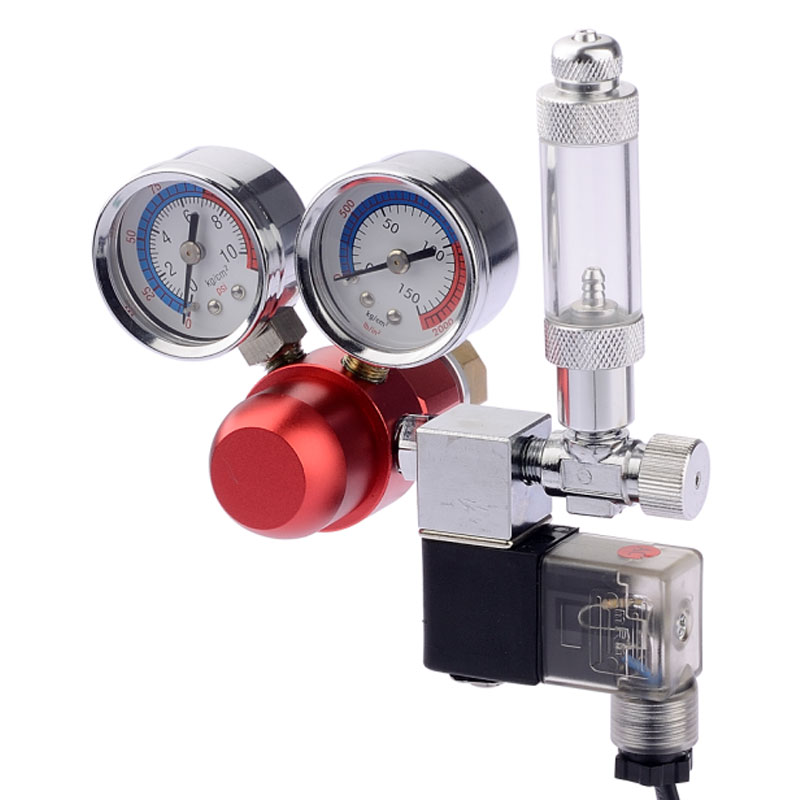
This aquarium CO2 regulator with dual pressure gauges and single bubble counter is designed specific...
See Details -
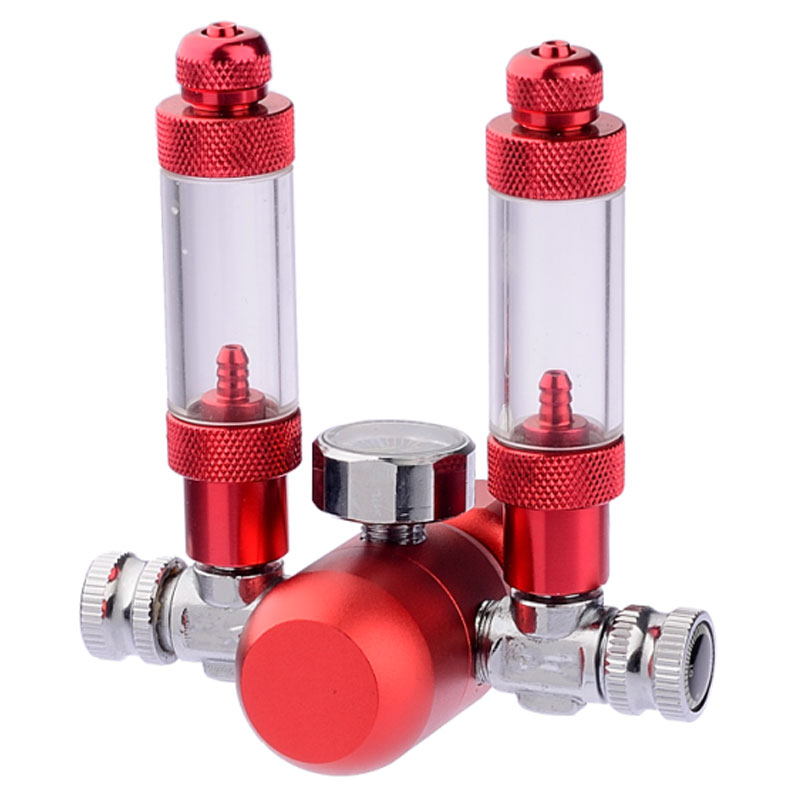
This environmentally friendly dual-gauge CO2 aquarium pressure regulator is designed for aquatic pla...
See Details -
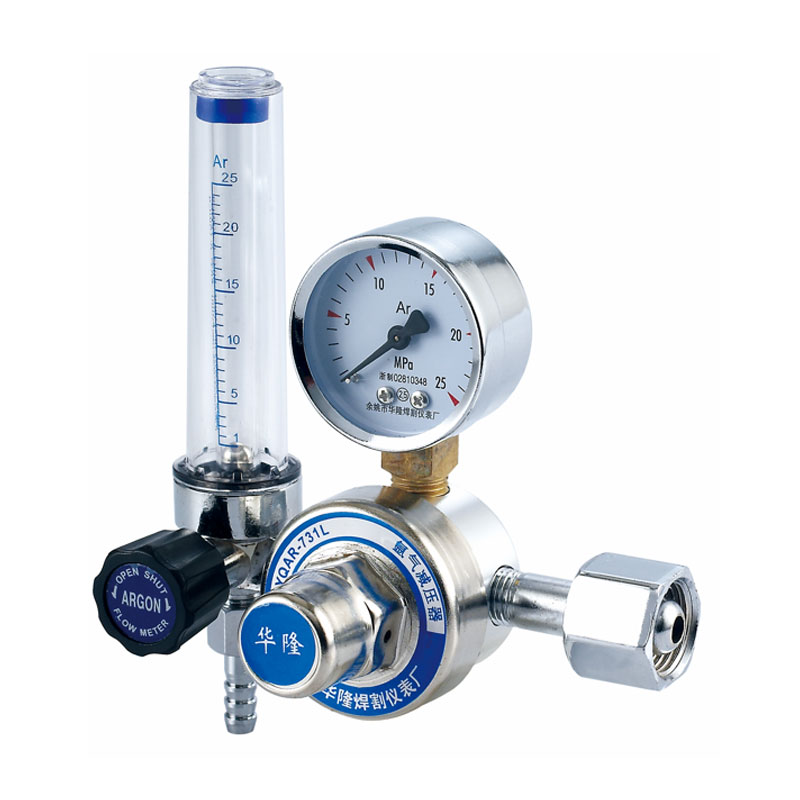
The ArR-01 High-Pressure Argon Cylinder Regulator is a pressure regulation device designed for appli...
See Details -
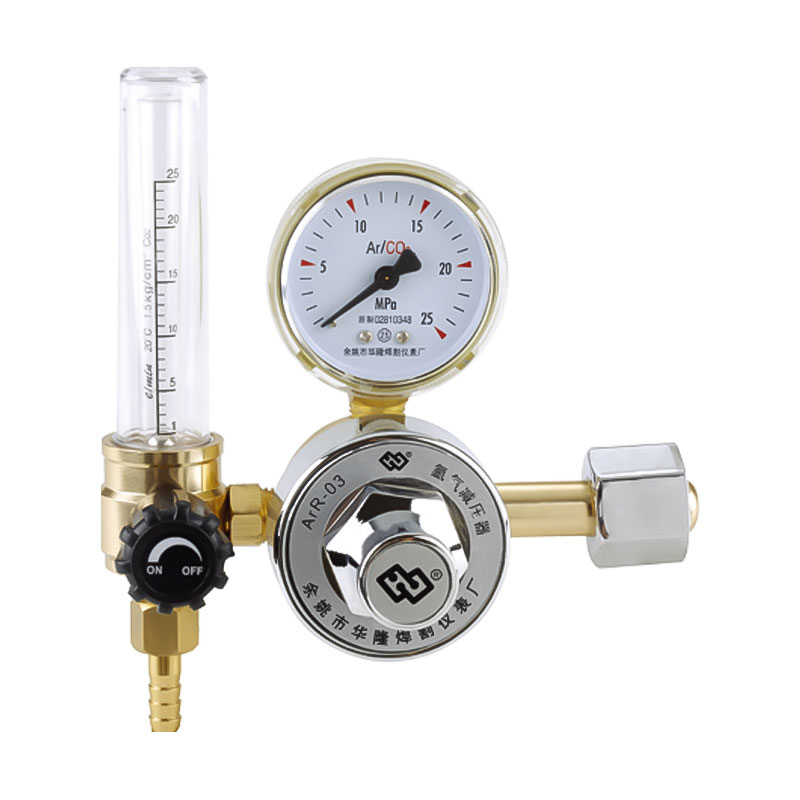
The ArR-02 Industrial Constant-Pressure Argon Regulator is a pressure management device designed for...
See Details -
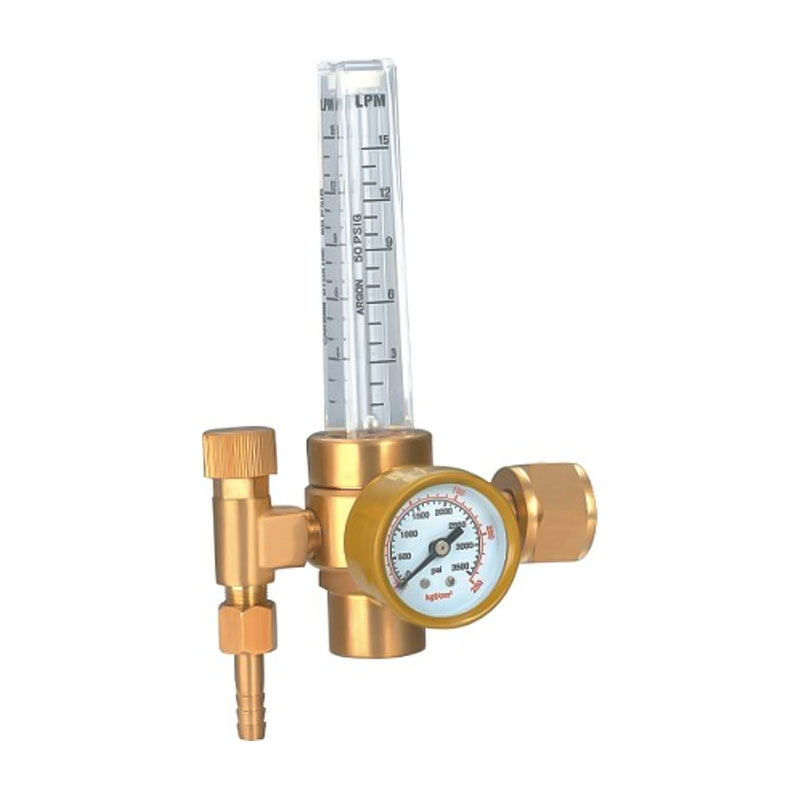
The AR-191T High-Pressure Precision Argon Regulator is a pressure regulation device specifically des...
See Details -
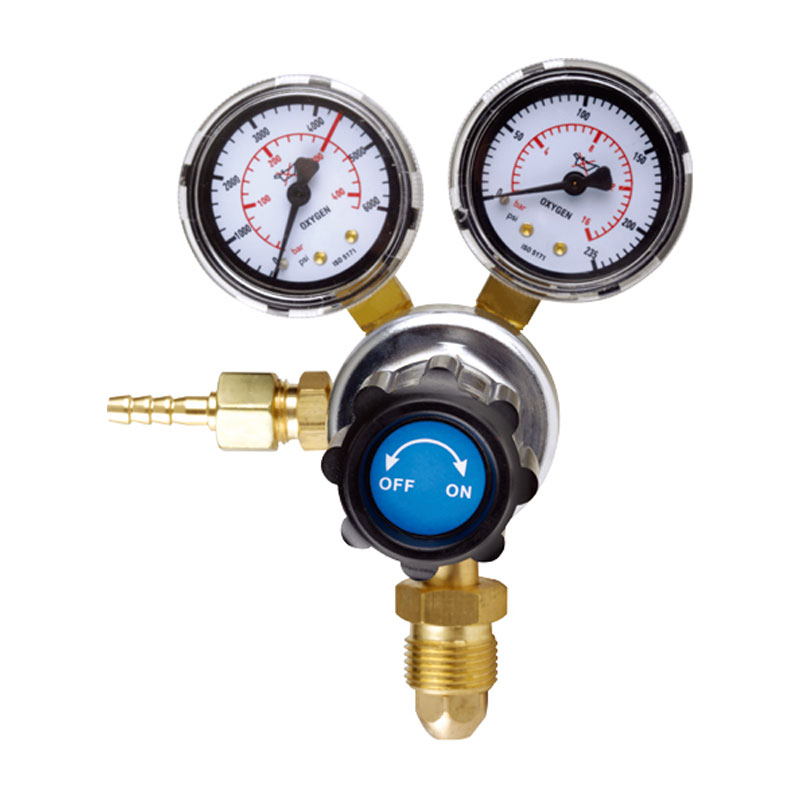
The OR-13 high-pressure precision oxygen regulator is designed specifically for high-pressure applic...
See Details -
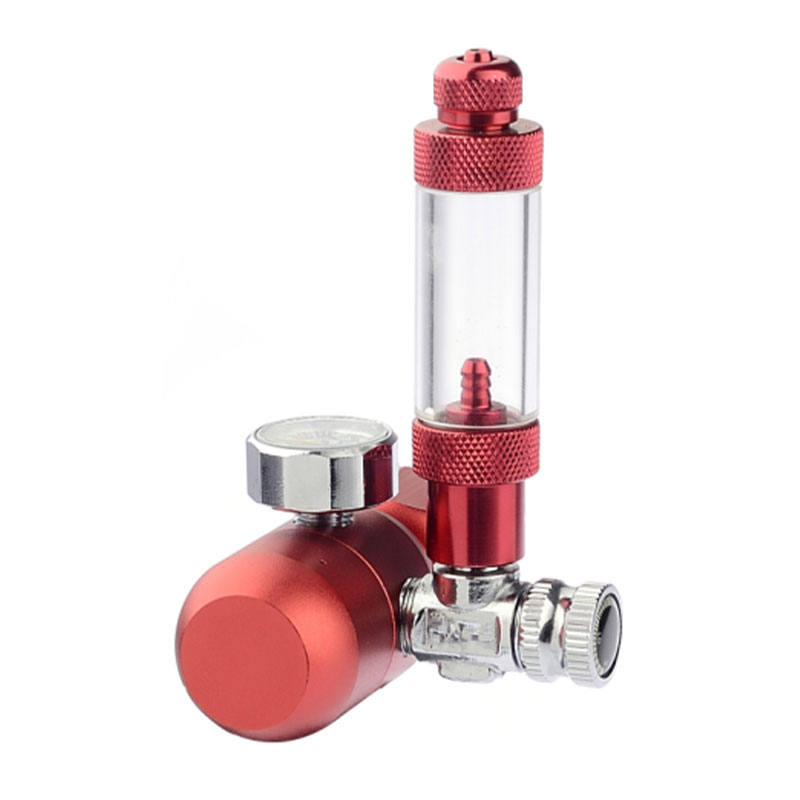
This aquarium plant CO2 pressure regulator is designed for aquatic plant landscaping and aquarium sy...
See Details

- PRODUCTS
- Pressure Regulator for Welding and Cutting
- Aquarium Pressure Regulator
- Beer and Beverage Pressure Regulator
- Pipeline Pressure Reducer
- CONTACT INFO
-
-
+86-180 6927 8236

-
[email protected]

-
No.1358,Tanjialing West Road, Lanjiang Street,Yuyao, 315400, Zhejiang

-
- MOBILE QR CODE

